

Creating a Calm Oasis: 20 Neutral Bedroom Decor Ideas
A neutral bedroom is more than just a design choice, it is a feeling of calm that gently wraps around your everyday life. Soft tones like beige, ivory, taupe, and warm greys create a peaceful atmosphere that helps the mind slow down after a busy day. Pinterest-inspired spaces often highlight simplicity, but true beauty in neutral decor comes from balance, texture, and thoughtful layering that feels natural rather than forced.
Creating this kind of bedroom does not require expensive items or complicated styling. Instead, it is about choosing soft colors, natural materials, and cozy elements that work together harmoniously. When done right, a neutral bedroom becomes a personal retreat where light, warmth, and comfort blend seamlessly, making every corner feel inviting and restful.
Neutral Bedroom Decor Checklist
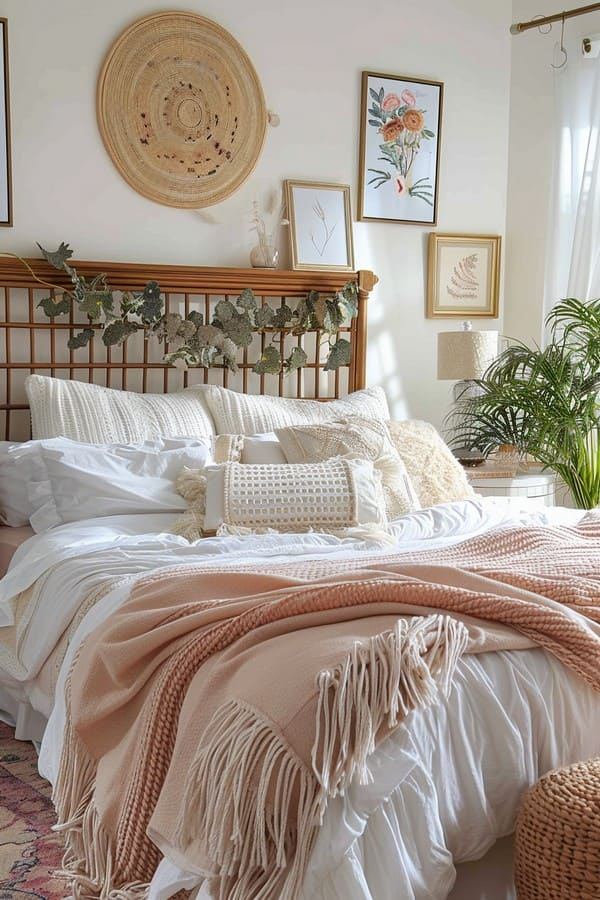
A neutral bedroom decor checklist begins with understanding the foundation of calm and balance. The first step is selecting a soft and soothing color palette that avoids anything too bold or overwhelming. Shades like warm beige, creamy ivory, soft taupe, and muted greys create a gentle backdrop that instantly makes a room feel more peaceful. These tones are not just colors, they are the emotional base of the entire space. When your walls, bedding, and large furniture pieces follow this palette, everything naturally feels more connected and harmonious. The goal is not to make the room plain, but to create a subtle elegance that allows textures and small details to stand out beautifully without visual clutter.
The second step in a neutral decor checklist is focusing on layering textures instead of adding too many colors or objects. Texture becomes the personality of a neutral bedroom. Think of soft linen bedsheets, chunky knit throws, cotton cushions, and light wool rugs. Each layer adds depth and comfort, making the space feel cozy rather than empty. Even within a simple color scheme, texture prevents the room from feeling flat or lifeless. It brings warmth and a lived in feeling that Pinterest style bedrooms are known for. Every element should feel intentional, as if it belongs naturally in the space without trying too hard.
The final step in your checklist is maintaining balance and simplicity in decor placement. A neutral bedroom works best when every item has breathing space. Instead of filling every corner, choose fewer but more meaningful pieces such as a ceramic vase, a soft textured lamp, or a simple framed artwork. This allows the eye to rest and the room to feel more open and calming. Clutter disrupts the peaceful energy, so minimalism plays a key role here. When each item has a purpose and place, the entire bedroom transforms into a calm oasis rather than just a decorated space.
Guide to Creating Your Neutral Bedroom Oasis
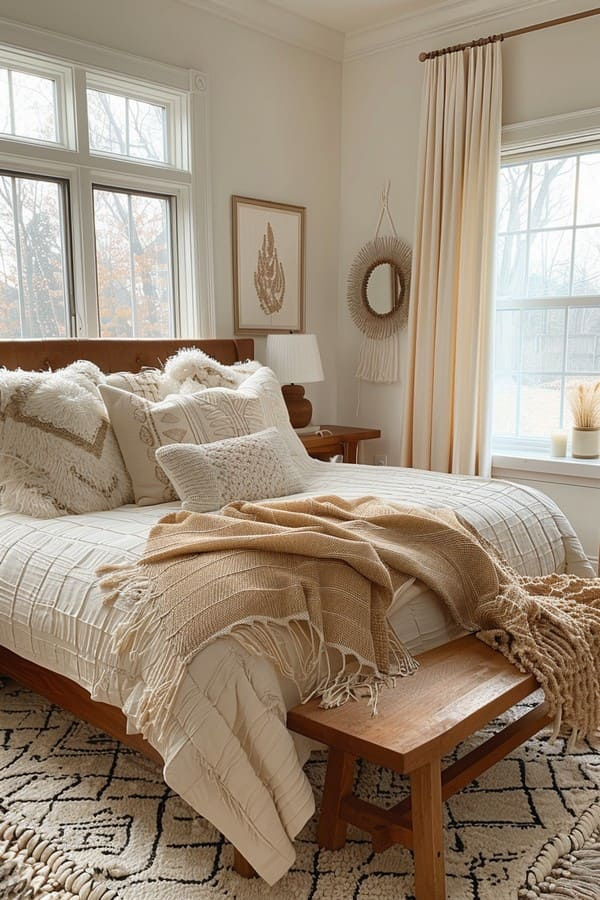
Creating a neutral bedroom oasis starts with setting a clear intention for how you want the space to feel rather than just how it should look. A true oasis is not built through decoration alone, it is created through atmosphere. Begin by choosing a base color that feels naturally soothing to you. This could be soft sand, warm beige, or a light stone grey. Once the foundation is set, every other design decision should support this calm feeling. The idea is to design a space that feels like a gentle escape from daily stress, where your mind automatically slows down the moment you enter.
The next stage is focusing on natural materials and soft lighting to enhance the serene atmosphere. Materials like wood, rattan, linen, and cotton help bring an organic touch that feels grounded and real. These textures connect your bedroom to nature, which is a key element of a calming oasis. Lighting is equally important because harsh lighting can break the softness of a neutral room. Instead, use warm lamps, diffused light sources, and soft glow elements to create a cozy ambiance. When light interacts with neutral tones, it produces a very gentle and comforting visual effect that feels almost therapeutic.
Finally, your neutral bedroom oasis should include personal comfort elements that make it truly yours. This could be a reading corner with a soft chair, a layered bed that invites relaxation, or a small decorative area that reflects your personality in a subtle way. The goal is not perfection but emotional comfort. A neutral space should feel like a place where you can rest, think, and recharge without distraction. When simplicity, warmth, and personal touches come together, the bedroom becomes more than just a room, it becomes a peaceful retreat designed around your well being.
Ideas for Rustic Accents
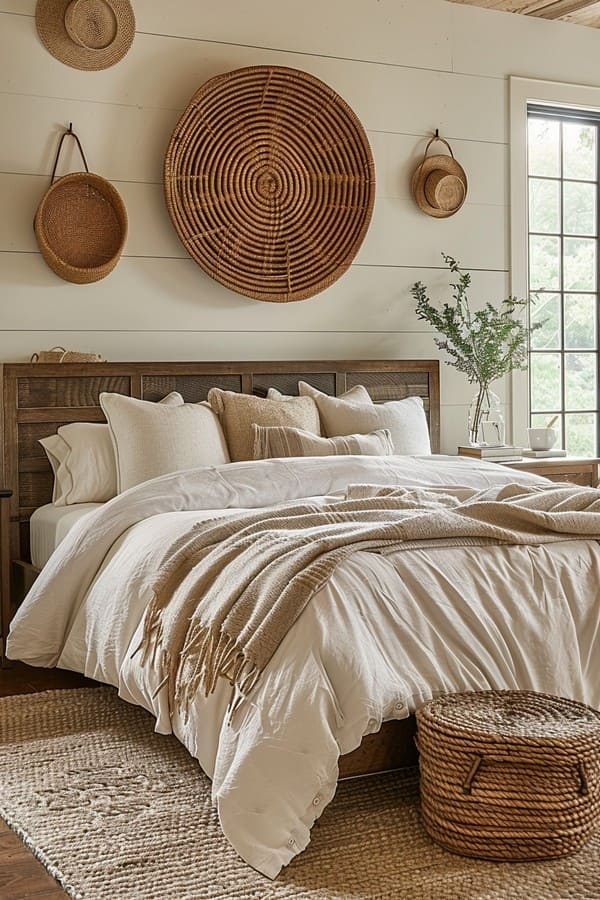
Rustic accents play a powerful role in neutral bedroom decor because they bring warmth, texture, and a sense of natural charm into the space. When working with a neutral palette, rustic elements prevent the room from feeling too cold or plain. Think of raw wood furniture, woven baskets, and slightly imperfect handmade decor pieces. These items introduce a natural, grounded feel that balances beautifully with soft beige and ivory tones. Rustic design is not about making the room look old fashioned, but about adding authenticity and character that feels lived in and comforting.
Another important aspect of rustic accents is how they connect the indoor space with nature. Elements like reclaimed wood headboards, clay pots, dried flowers, and linen curtains create a subtle outdoor inspired feeling inside the bedroom. This connection to natural materials makes the space feel more organic and peaceful. Even small rustic details can completely change the mood of a neutral bedroom, turning it into a cozy retreat. The beauty of rustic style lies in its simplicity and imperfection, which actually enhances the calm aesthetic instead of disrupting it.
Finally, rustic accents should be used thoughtfully so they complement rather than overpower the neutral theme. The key is moderation and balance. A single wooden bench at the foot of the bed, a textured jute rug, or a few handcrafted decor pieces can be enough to add depth. Overloading the room with rustic items can make it feel heavy, so it is important to keep things light and intentional. When combined correctly with soft neutral tones, rustic accents create a bedroom that feels warm, inviting, and naturally stylish, perfect for a Pinterest inspired calm oasis.
Barnhouse Charm
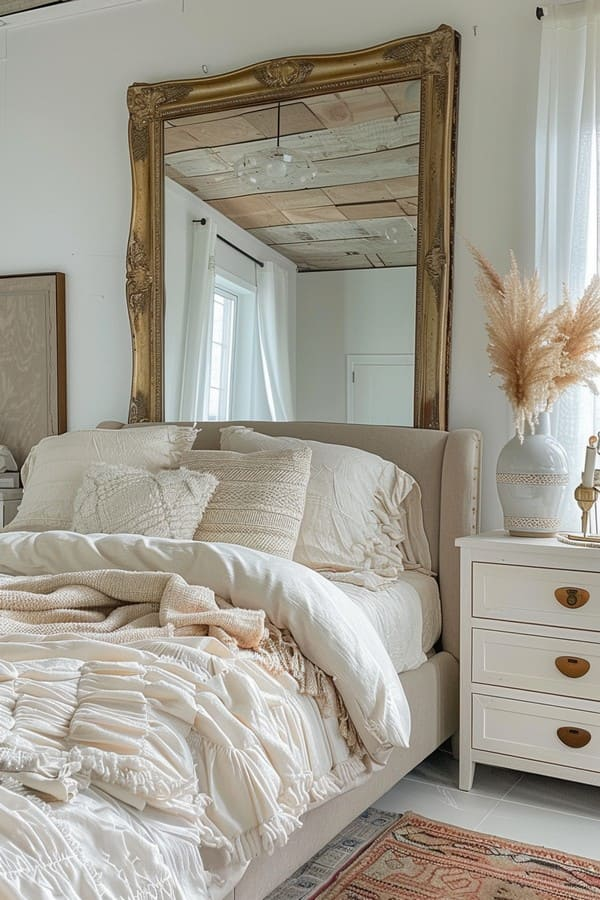
Barnhouse charm in a neutral bedroom brings a warm countryside feeling that instantly makes the space feel welcoming and relaxed. This style is inspired by traditional barns and rural homes where simplicity and comfort are at the center of design. In a neutral setting, barnhouse charm works beautifully because it naturally blends with soft tones like beige, cream, and warm white. The focus is on creating a space that feels honest and unpolished in the best way, where every element has a natural and grounded presence. Wooden beams, distressed finishes, and vintage inspired furniture pieces often define this aesthetic without overwhelming the calm atmosphere of the bedroom.
To bring barnhouse charm into a neutral bedroom, start by introducing natural wood textures in furniture and decor. A wooden bed frame, rustic nightstands, or even a reclaimed wood bench can instantly change the mood of the room. These elements add depth and character while maintaining the softness of a neutral palette. Pairing wood with light fabrics like linen or cotton helps balance the rustic feel with comfort and softness. The combination of rough textures and smooth fabrics creates a visually pleasing contrast that feels both cozy and elegant, making the bedroom feel lived in and inviting.
Another important aspect of barnhouse charm is keeping the decor simple and functional. Instead of overcrowding the room, focus on meaningful pieces that serve both style and purpose. A woven basket for storage, a vintage inspired lamp, or a simple framed artwork can be enough to complete the look. The goal is not to recreate a farmhouse exactly but to capture its warmth and simplicity in a modern neutral setting. When done right, barnhouse charm transforms a bedroom into a peaceful retreat that feels connected to nature and filled with quiet comfort.
Rustic Accents for Character
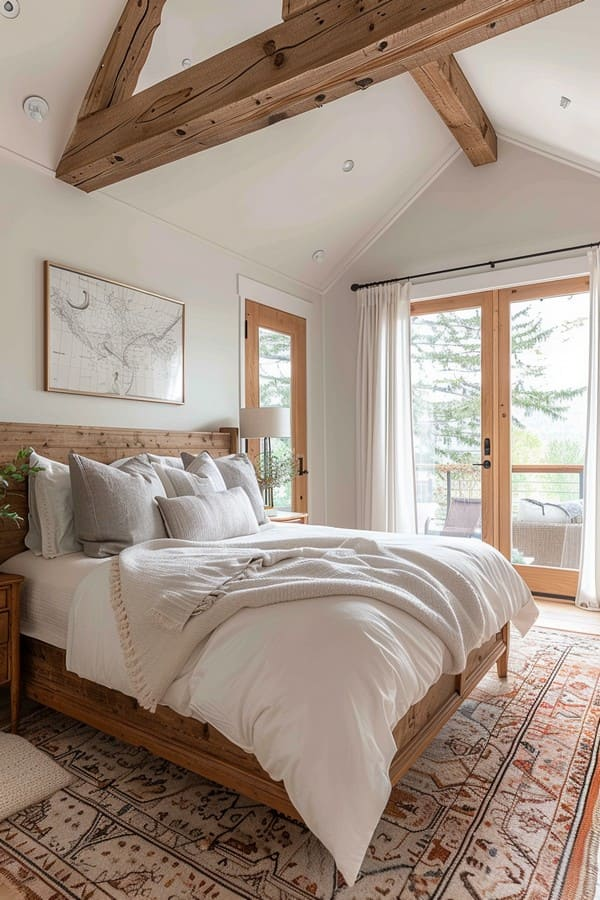
Rustic accents are essential when you want to add personality and depth to a neutral bedroom. Without them, a neutral space can sometimes feel too plain or one dimensional. Rustic details introduce warmth, texture, and character that make the room feel more inviting. These accents often include natural materials like wood, stone, clay, and woven fibers. When combined with a soft neutral palette, they create a balanced environment where simplicity meets visual interest. The beauty of rustic design is that it never feels overly polished, which allows the bedroom to maintain a relaxed and natural atmosphere.
To effectively use rustic accents for character, focus on layering small but meaningful details throughout the room. A weathered wooden frame, a textured ceramic vase, or a handmade woven rug can subtly enhance the overall aesthetic. These elements do not need to dominate the space, instead they should quietly complement the neutral foundation. The goal is to create depth without clutter. Even small imperfections in rustic pieces add authenticity, making the bedroom feel more personal and unique. This is what gives the space character without disrupting its calm energy.
Another way rustic accents add character is through contrast. In a neutral bedroom, everything is soft and muted, so introducing slightly rough or textured elements creates visual interest. For example, pairing smooth cotton bedding with a raw wood headboard or a linen throw over a structured chair creates a balanced and cozy look. This contrast is what makes rustic neutral design so appealing for Pinterest inspired interiors. It feels intentional yet effortless, giving the bedroom a timeless charm that never feels over designed or artificial.
Bedding Components
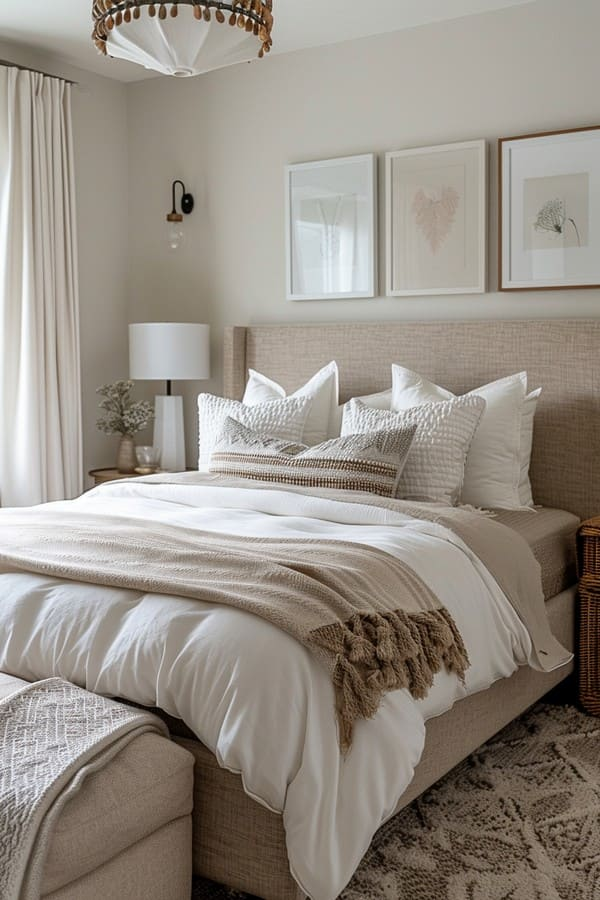
Bedding components play a major role in defining the comfort and overall look of a neutral bedroom. Since the bed is usually the focal point of the room, its styling can completely influence the atmosphere. In a neutral setup, bedding should focus on softness, layering, and texture rather than bold colors or patterns. Start with a simple base like white or cream cotton sheets that create a clean and calming foundation. From there, each additional layer should enhance comfort while maintaining the neutral aesthetic, ensuring the bed feels inviting and visually balanced.
Layering is key when it comes to building the perfect bedding setup. Add a lightweight quilt or duvet in a soft beige or taupe shade, followed by textured throws and cushions in slightly different tones. Mixing materials like linen, cotton, and knit fabrics helps create depth without introducing visual chaos. Each layer should feel soft and intentional, contributing to a cozy and relaxed environment. The goal is to make the bed look like a space you naturally want to sink into, not just a decorative element in the room.
Finally, attention to detail in bedding components can elevate the entire bedroom experience. Small touches like folded throws at the foot of the bed, neatly arranged pillows, or a textured bed runner can make a big difference. These details create a sense of order and calm, which is essential in neutral bedroom design. Even though everything stays within a soft color palette, the variation in textures and layering ensures the bed remains visually interesting. When done thoughtfully, bedding becomes the heart of the bedroom, combining comfort, style, and serenity in perfect harmony.
Layered Bedding for Luxe Comfort
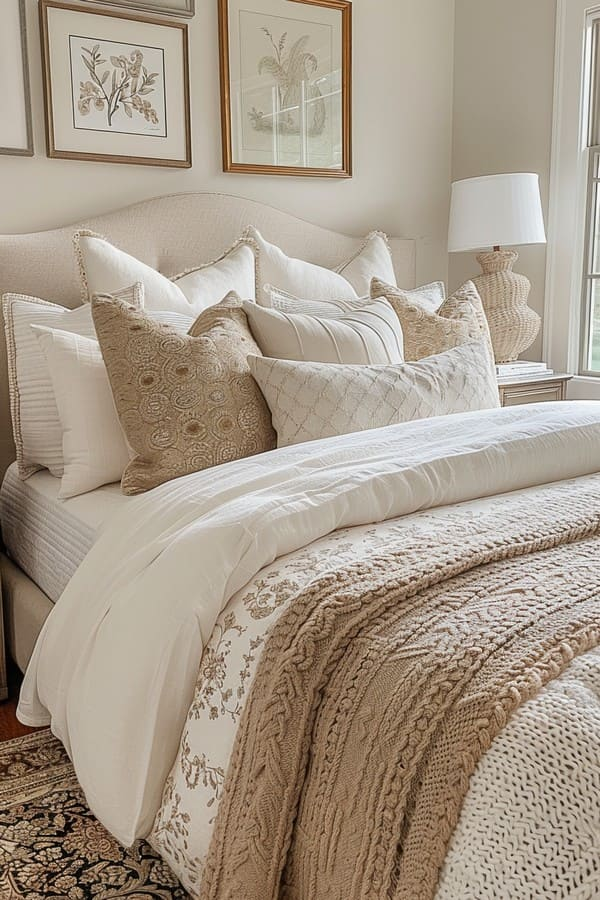
Layered bedding is one of the most effective ways to bring a luxurious yet calm feel into a neutral bedroom. It is not about adding excessive items, but about thoughtfully combining different textures and soft tones to create depth. Start with a simple foundation such as crisp cotton sheets in white or warm ivory. This base sets the tone for cleanliness and calmness. From here, layering begins with lightweight duvets, soft quilts, and textured throws that gradually build comfort. Each layer should feel intentional and work together to create a bed that looks inviting even from a distance. The beauty of neutral layering lies in its subtle variation rather than bold contrast.
To achieve a luxe comfort effect, texture plays a much bigger role than color. In a neutral palette, you can mix linen, cotton, and knitted fabrics to bring dimension without disturbing the calm aesthetic. A linen duvet cover adds a slightly relaxed and airy feel, while a knitted throw introduces warmth and softness. Cushions in slightly different shades of beige, taupe, and cream help complete the layered look. The idea is to create visual richness through fabric depth rather than loud design elements. When everything is balanced correctly, the bed starts to feel like a hotel inspired retreat designed for relaxation and comfort.
Finishing touches are what truly elevate layered bedding into a luxury experience. Carefully placed pillows, a softly draped throw at the foot of the bed, and subtle symmetry can make the entire setup feel more refined. Even small details like slightly oversized cushions or a textured bed runner contribute to the overall aesthetic. The goal is to maintain a relaxed yet polished appearance where nothing feels forced. When layering is done correctly, the bed becomes the centerpiece of the room, offering both visual beauty and deep comfort that defines a true neutral bedroom oasis.
Where to Add These Tones
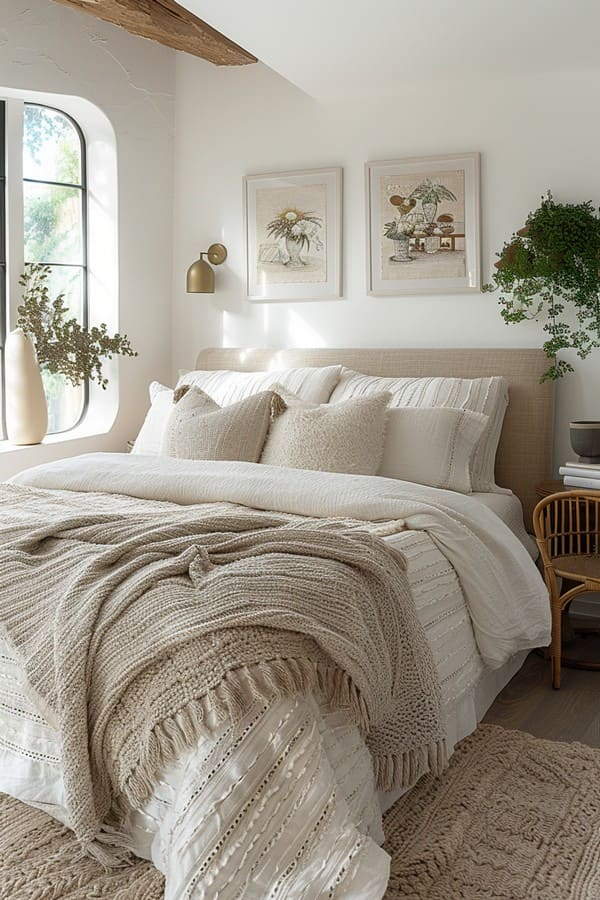
Knowing where to add neutral tones in a bedroom is essential for creating a balanced and visually calming environment. Instead of applying color randomly, it is important to distribute soft shades strategically across the room. Walls are often the best starting point, as they set the foundation for the entire space. Soft beige, warm white, or light grey walls create an immediate sense of calm and openness. Once the base is established, neutral tones can be extended to larger furniture pieces such as beds, wardrobes, and seating areas, ensuring a cohesive and unified look throughout the room.
After establishing the foundation, the next step is layering neutral tones through textiles and decor accents. Bedding, curtains, rugs, and cushions are perfect elements for this purpose. Each of these items allows subtle variations in tone and texture, which prevents the space from feeling flat. For example, pairing cream bedding with slightly darker beige throws or taupe cushions adds gentle contrast while maintaining harmony. Curtains in soft linen or sheer fabrics can further enhance the airy and relaxed feeling. These small variations in tone help create depth without breaking the calm aesthetic.
Finally, neutral tones should also be introduced in smaller decorative elements to complete the design. Items such as ceramic vases, wooden trays, lampshades, and framed artwork all contribute to the overall atmosphere. These accents should be chosen carefully so they blend naturally with the rest of the room. The idea is to create a flow where every corner feels connected through color and texture. When neutral tones are placed thoughtfully across walls, furniture, textiles, and decor, the bedroom transforms into a balanced and peaceful retreat that feels both stylish and soothing.
Natural Inspiration
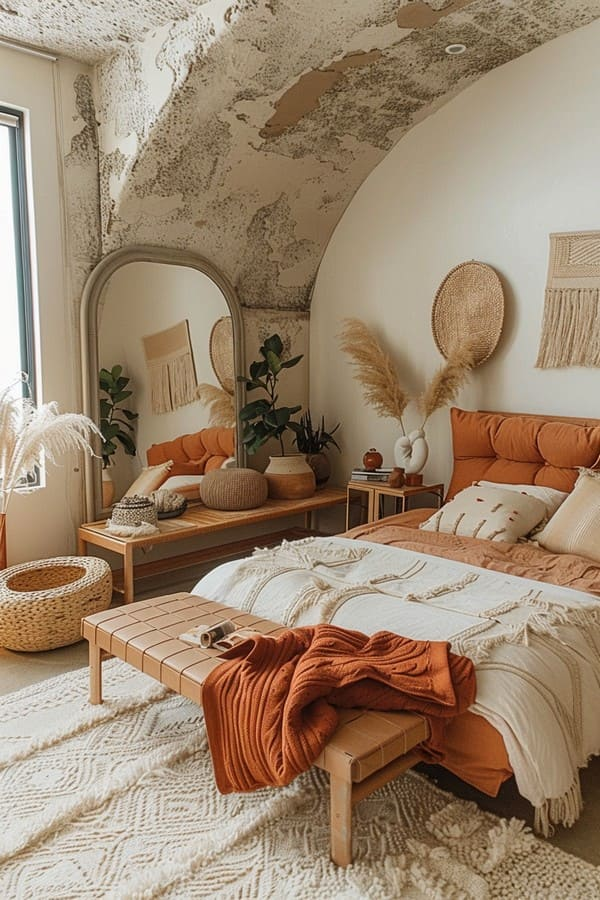
Natural inspiration plays a key role in shaping a neutral bedroom that feels calm, grounded, and effortlessly beautiful. Drawing ideas from nature helps create a space that feels organic rather than overly designed. Soft earth tones, natural light, and raw materials all contribute to this aesthetic. Think of sandy beaches, soft stone textures, dried grasses, and warm sunlight filtering through sheer curtains. These elements influence the color palette and overall mood of the bedroom, making it feel peaceful and connected to the natural world. This approach ensures that the space remains timeless and soothing.
Incorporating natural inspiration into decor can be done through materials and textures that reflect the outdoors. Wooden furniture, stone inspired decor pieces, linen fabrics, and woven accents help bring nature indoors. Even small additions like dried flowers or potted greenery can make a significant difference. These elements introduce subtle life and freshness into the room without disrupting the neutral palette. The key is to keep everything soft and understated so the natural inspiration enhances the calm atmosphere rather than overwhelming it. Every piece should feel like it belongs to the environment naturally.
Lighting also plays a major role in reflecting natural inspiration within a neutral bedroom. Soft natural daylight is ideal during the day, while warm ambient lighting mimics the gentle glow of sunset in the evening. Sheer curtains can help filter sunlight, creating a soft and dreamy effect that enhances the room’s peaceful energy. When natural inspiration is applied thoughtfully, the bedroom becomes more than just a decorated space. It transforms into a calming retreat that mirrors the simplicity and beauty of nature itself, offering comfort and relaxation every day.
Earthy Tones for Depth
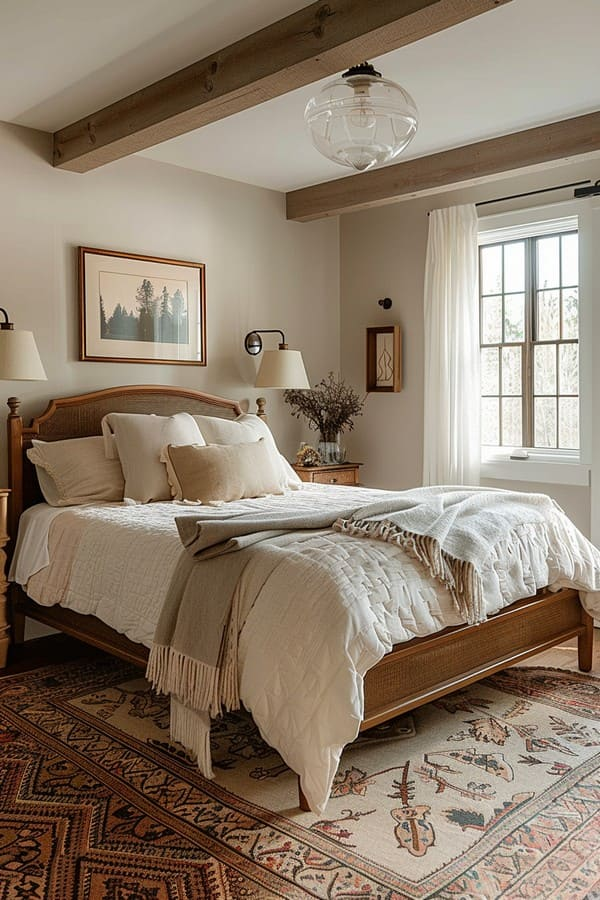
Earthy tones are essential in a neutral bedroom because they add depth, warmth, and a grounded feeling that prevents the space from looking flat or overly minimal. While neutral colors like beige, ivory, and cream create a soft base, earthy tones such as warm browns, muted terracotta, soft olive, and sandy taupe introduce subtle richness. These colors are inspired by nature and help the bedroom feel more connected to the outdoors. When used thoughtfully, earthy tones enhance the calm atmosphere without overpowering the delicate balance of a neutral palette. The key is to keep them soft and muted so they blend seamlessly into the overall design.
Incorporating earthy tones into a bedroom can be done through both large and small design elements. Larger items like headboards, rugs, or accent chairs in warm brown or clay shades can create a strong yet natural focal point. Smaller accents such as cushions, throws, or ceramic decor pieces can gently distribute these tones throughout the space. This layering approach ensures the room feels cohesive rather than visually heavy. Earthy tones work especially well when paired with natural materials like wood and linen, as they reinforce the organic and calming aesthetic that defines a neutral bedroom.
To maintain balance, earthy tones should always be used with intention and restraint. Too much intensity can disrupt the soft and peaceful vibe of a neutral space. Instead, focus on subtle contrast that enhances rather than dominates. For example, a soft beige bed layered with a muted terracotta throw or olive cushions creates just enough variation to add interest. The goal is to achieve harmony between warmth and simplicity. When done correctly, earthy tones bring a sense of depth and quiet richness that elevates the entire bedroom into a more inviting and serene retreat.
Patterns in Moderation
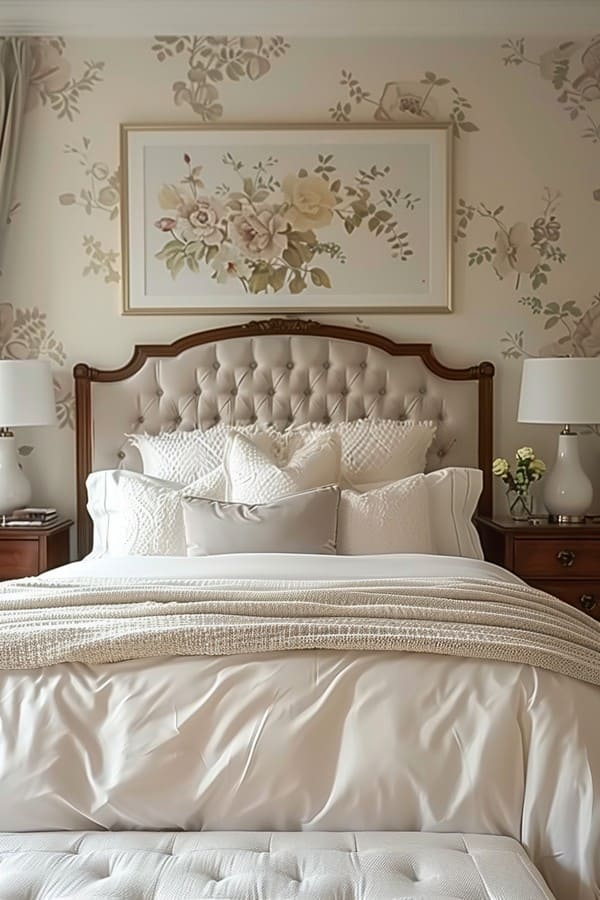
Patterns can add personality and visual interest to a neutral bedroom, but they must be used with careful moderation to maintain the calm and soothing atmosphere. In a neutral space, the foundation is already soft and minimal, so introducing patterns should enhance the design rather than overwhelm it. Subtle designs such as light stripes, delicate textures, or soft geometric prints work best because they blend gently with the surrounding tones. The goal is to add quiet detail that the eye can appreciate without breaking the overall sense of simplicity and relaxation.
When using patterns in a neutral bedroom, placement is just as important as selection. Instead of covering large areas with bold prints, it is better to introduce patterns through smaller decor elements like cushions, rugs, or bedding accents. For example, a softly patterned throw pillow on a plain bed can create just enough contrast to make the space feel more dynamic. Similarly, a lightly textured rug can add depth to the floor without drawing too much attention. This controlled use of pattern ensures that the room remains visually balanced and calming.
The key to successful pattern use in a neutral bedroom is harmony. Patterns should always complement the existing color palette rather than compete with it. Sticking to soft shades of beige, grey, or muted tones helps maintain cohesion throughout the space. Mixing too many bold designs can easily disrupt the peaceful environment, so simplicity should always guide your choices. When patterns are used thoughtfully and sparingly, they become a subtle design feature that adds personality while preserving the serene and timeless feel of a neutral bedroom.
Lighting Tips
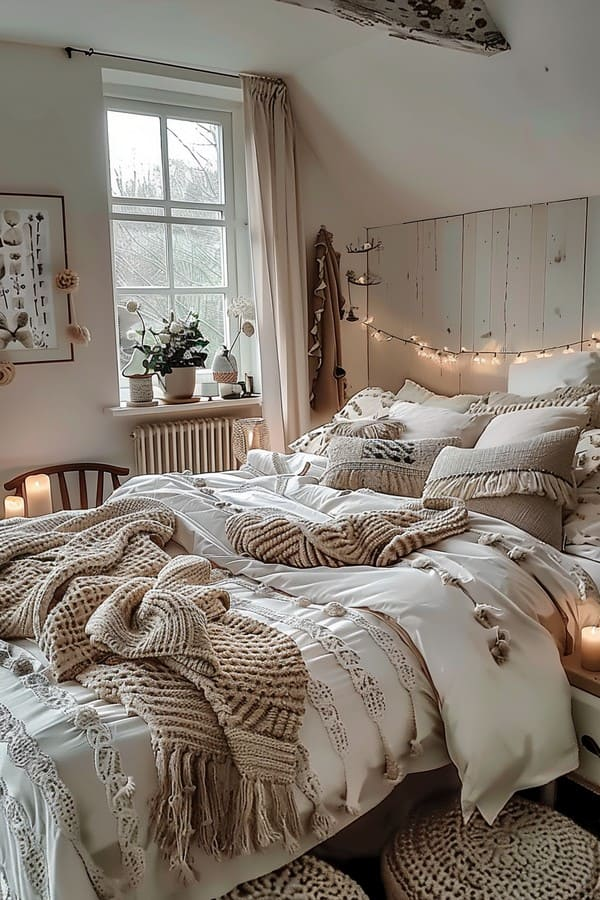
Lighting is one of the most powerful elements in a neutral bedroom because it directly influences the mood and overall atmosphere of the space. Soft, warm lighting works best as it enhances the calming effect of neutral tones and creates a cozy environment. Natural light should be maximized during the day through sheer curtains or lightly filtered window coverings, allowing sunlight to gently fill the room. This natural glow highlights the soft textures and warm shades within the space, making the bedroom feel open, airy, and peaceful.
In the evening, layered lighting becomes essential for maintaining a relaxing ambiance. Instead of relying on a single overhead light, it is better to combine multiple light sources such as bedside lamps, wall sconces, and soft floor lamps. Each light source should emit a warm tone to avoid harsh shadows or overly bright areas. This layered approach allows you to adjust the mood of the room depending on your needs, whether it is for reading, relaxing, or unwinding before sleep. The soft glow from different angles adds depth and comfort to the neutral palette.
Decorative lighting also plays a subtle but important role in enhancing a neutral bedroom. Minimalist lamps with natural materials like wood, ceramic, or linen shades blend beautifully with the overall aesthetic. Fairy lights or small ambient lighting features can also add a gentle touch of warmth without overwhelming the simplicity of the room. The goal is to create a balanced lighting environment where every source contributes to calmness and comfort. When lighting is done thoughtfully, it transforms a neutral bedroom into a soothing retreat that feels both functional and emotionally relaxing.
Different Light Sources
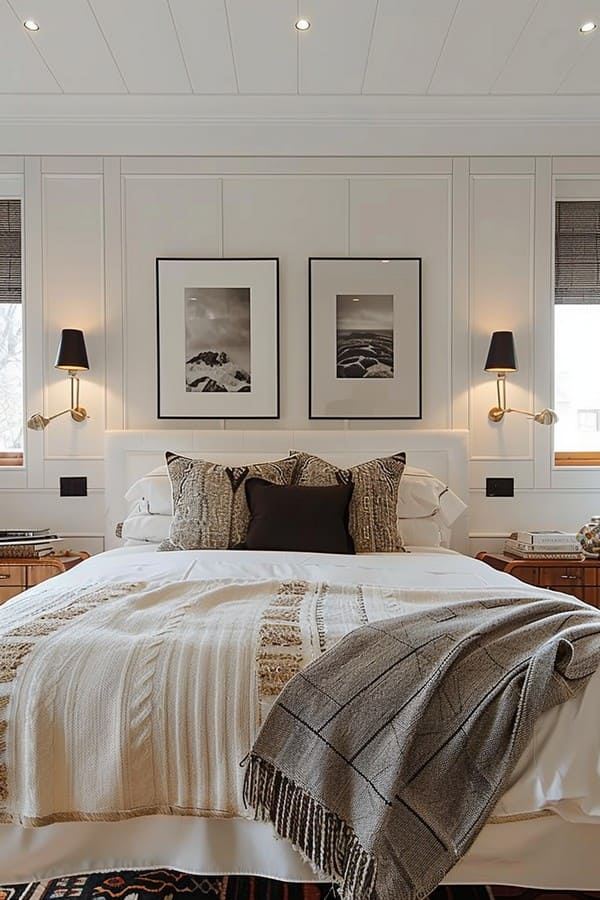
Different light sources are essential in a neutral bedroom because they create layers of mood and help the space feel more dynamic and comfortable. Instead of relying on a single overhead light, combining multiple sources allows you to control how the room feels at different times of the day. Natural daylight should always be the primary source during daytime hours, as it enhances the softness of neutral tones and highlights textures beautifully. Large windows with sheer curtains help diffuse sunlight, creating a calm and airy environment that feels open and refreshing without being harsh or overwhelming.
In the evening, artificial lighting becomes the key to maintaining a peaceful atmosphere. Bedside lamps are one of the most important elements, as they provide focused light that is soft and warm. Wall sconces can also add a subtle glow without taking up space, making them ideal for minimalist setups. Floor lamps placed in corners help balance the lighting across the room and prevent dark, heavy areas. Each light source should work together to create a gentle layering effect, ensuring the bedroom feels cozy and visually balanced rather than flat or overly bright.
Decorative lighting options can further enhance the overall aesthetic when used thoughtfully. Soft string lights, warm LED accents, or minimalist pendant lights can add personality without disturbing the neutral theme. The key is to keep everything understated and cohesive so that lighting feels like part of the design rather than a separate feature. When different light sources are combined correctly, they create depth, warmth, and flexibility, transforming a simple neutral bedroom into a calm and inviting retreat that feels comfortable at any time of day.
Creating Warm Lighting
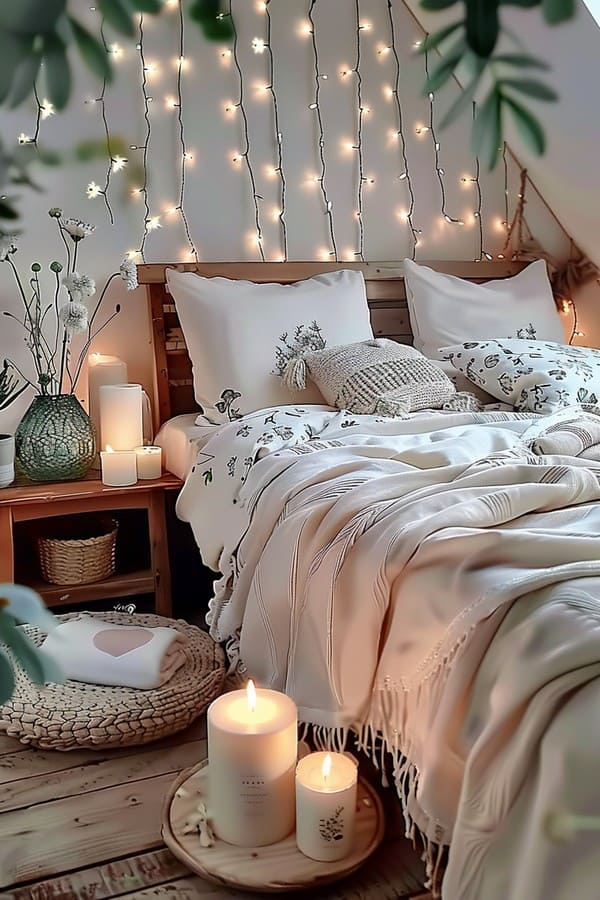
Creating warm lighting in a neutral bedroom is all about setting a soft and comforting mood that supports relaxation and rest. Warm lighting uses gentle yellow or amber tones that naturally complement neutral colors like beige, ivory, and taupe. Unlike harsh white lighting, warm light creates a soothing glow that makes the entire room feel more intimate and peaceful. This type of lighting is especially important in bedrooms because it helps signal the mind to slow down, making it easier to unwind after a long day. The goal is to create an environment that feels like a soft embrace rather than a brightly lit space.
To achieve warm lighting, it is important to choose the right bulbs and fixtures. LED bulbs with warm color temperatures are ideal because they provide consistent, soft illumination without being too intense. Pairing these bulbs with fabric lampshades or frosted glass diffusers helps soften the light even further. Bedside lamps are particularly effective for creating a warm atmosphere, as they provide localized light that is gentle on the eyes. Table lamps placed on wooden or neutral toned surfaces also enhance the cozy feel, blending naturally with the overall bedroom design.
Layering warm lighting throughout the room ensures a balanced and inviting environment. Instead of concentrating light in one area, distribute it evenly using multiple sources such as wall lights, floor lamps, and accent lighting. This creates depth and prevents shadows from feeling too harsh. Even small touches like candle style lighting or soft glowing decor pieces can enhance the warmth of the space. When warm lighting is applied thoughtfully, it transforms a neutral bedroom into a calming sanctuary where every corner feels soft, inviting, and deeply relaxing.
Essential Pieces
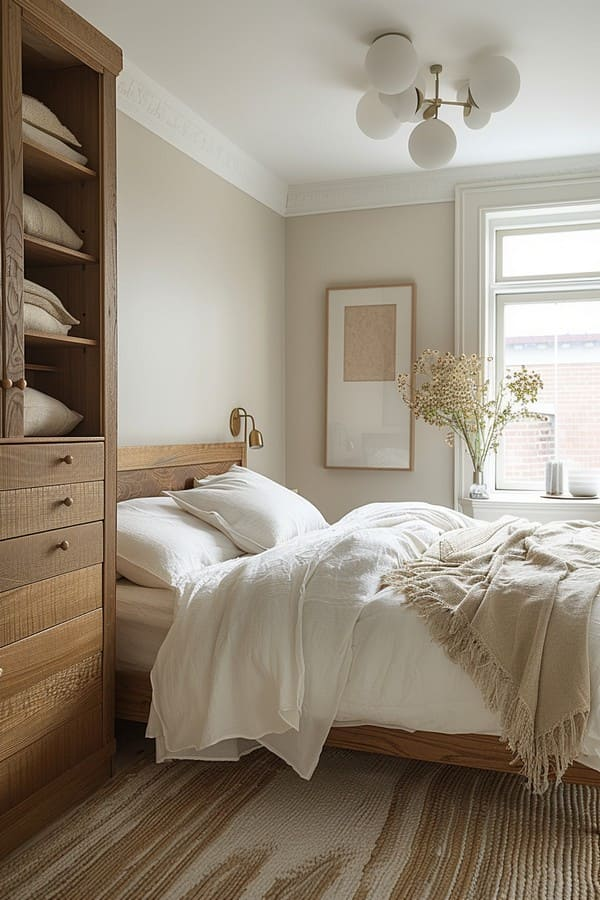
Essential pieces in a neutral bedroom are the foundation that defines both functionality and style. These are the key items that support daily living while maintaining a calm and cohesive aesthetic. A comfortable bed is always the centerpiece, as it sets the tone for the entire room. Choosing a simple yet elegant bed frame in wood, upholstered fabric, or neutral tones helps create a strong base. Alongside the bed, functional furniture like bedside tables, wardrobes, and seating elements should be selected carefully to ensure they blend seamlessly with the soft color palette.
When selecting essential pieces, simplicity and quality should always come before quantity. Instead of filling the room with unnecessary furniture, focus on a few well designed items that serve both purpose and beauty. A minimalist nightstand with clean lines, a soft upholstered chair, or a simple wooden dresser can be enough to complete the setup. These pieces should not overpower the space but instead support the overall calm atmosphere. Neutral colors and natural materials work best because they maintain visual harmony while adding subtle elegance to the room.
The final touch in choosing essential pieces is ensuring everything works together as a cohesive design. Each item should complement the others in tone, texture, and scale. This creates a balanced environment where nothing feels out of place or distracting. Small decorative elements like soft lamps, simple artwork, or subtle storage solutions can enhance functionality without cluttering the space. When essential pieces are chosen thoughtfully, they form the backbone of a neutral bedroom that feels organized, peaceful, and effortlessly stylish, making it a true calming retreat.
Minimalist Furniture for Serenity
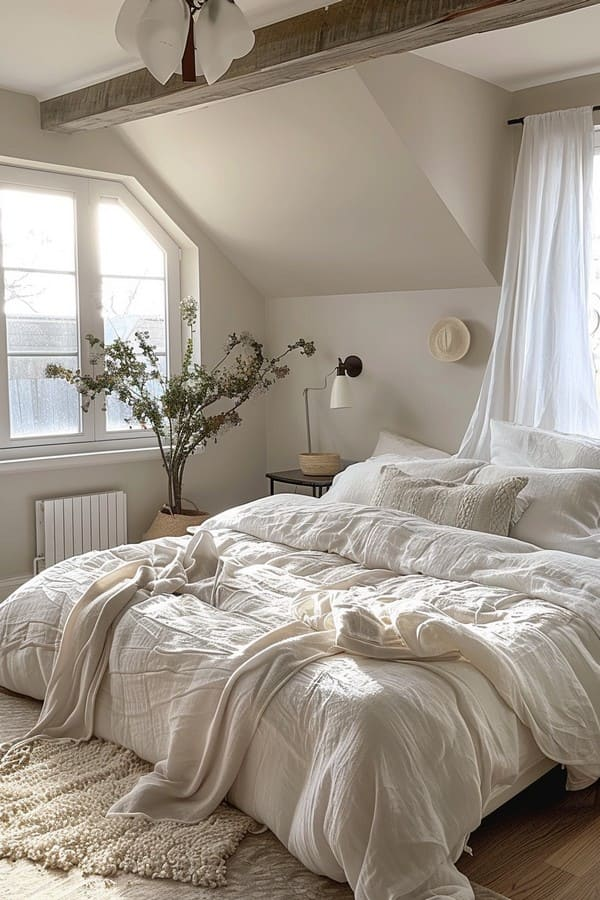
Minimalist furniture plays a vital role in creating a serene neutral bedroom because it removes visual noise and allows calmness to take center stage. The idea behind minimalist design is not emptiness, but intentional simplicity. Every furniture piece should have a purpose and contribute to the overall peaceful atmosphere. Clean lines, soft edges, and uncluttered forms help create a sense of order and balance. In a neutral bedroom, minimalist furniture enhances the calming effect of soft tones like beige, ivory, and warm grey, allowing the space to feel open and breathable.
When choosing minimalist furniture, focus on natural materials and soft finishes that blend effortlessly into the room. Wooden bed frames, simple upholstered headboards, and smooth matte surfaces work beautifully in neutral interiors. Avoid overly ornate or heavy designs, as they can disrupt the softness of the space. Instead, opt for furniture that feels light and functional. A simple nightstand, a streamlined dresser, or a low profile bed can make the room feel more spacious and organized while maintaining visual harmony.
Another important aspect of minimalist furniture is spatial flow. Each piece should be placed with intention, leaving enough empty space for the room to breathe. This openness helps reduce mental clutter and enhances the feeling of relaxation. When furniture is minimal but thoughtfully arranged, the bedroom naturally becomes more calming and restorative. The result is a space where simplicity and elegance coexist, allowing you to unwind in an environment that feels both peaceful and beautifully balanced.
Mixing Textiles
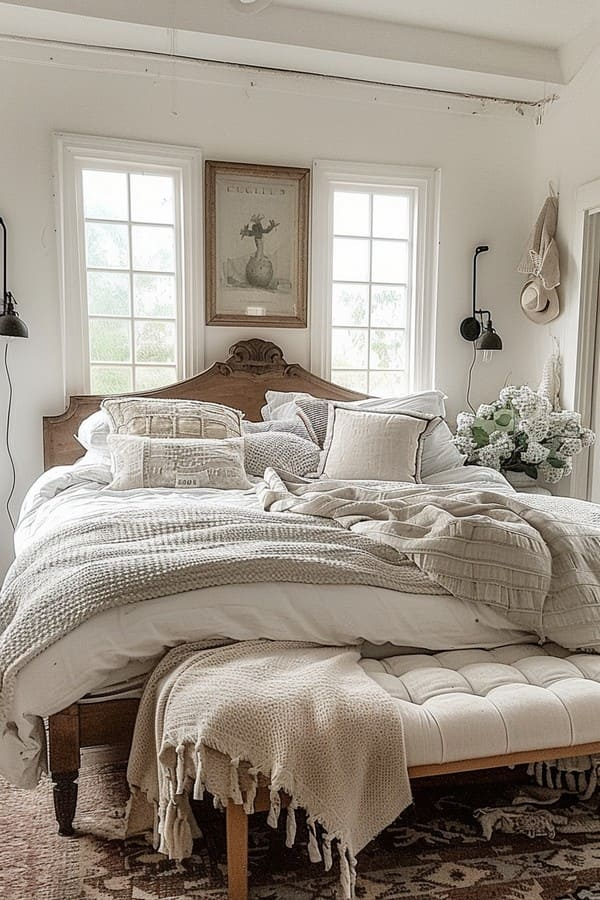
Mixing textiles is one of the most effective ways to add depth and warmth to a neutral bedroom without introducing bold colors. Since neutral spaces rely heavily on subtlety, texture becomes the main design element that brings visual interest. By combining different fabrics such as linen, cotton, wool, and knit materials, you can create a layered and inviting atmosphere. Each textile contributes its own softness and character, making the room feel cozy and well balanced while still maintaining a calm aesthetic.
To mix textiles successfully, it is important to vary both texture and tone while staying within the same neutral color family. For example, pairing smooth cotton sheets with a slightly textured linen duvet and a chunky knit throw adds dimension without disrupting harmony. Cushions in soft beige, warm cream, or muted taupe can further enhance this layered effect. The key is subtle variation rather than strong contrast, ensuring that all elements feel connected and visually soothing rather than chaotic or overwhelming.
Balance is essential when working with multiple textiles in a neutral bedroom. Too many layers can make the space feel heavy, while too few can make it feel flat. The goal is to find a comfortable middle ground where textures gently interact with each other. Even small details like a woven rug or a soft fabric bench can complete the look. When textiles are mixed thoughtfully, they transform the bedroom into a warm and inviting retreat that feels both stylish and deeply comforting.
The Magic of Cozy Textiles
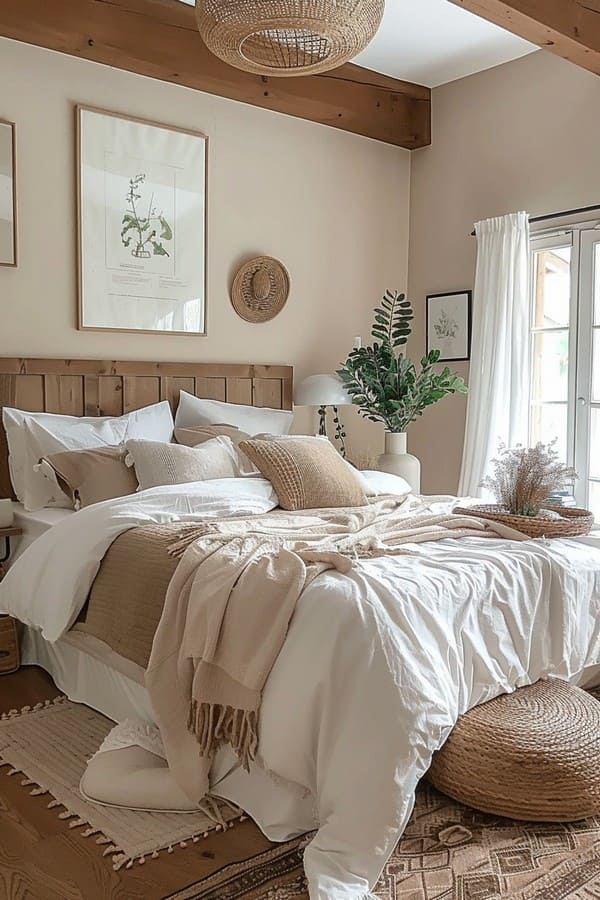
Cozy textiles are what truly bring a neutral bedroom to life by adding warmth, softness, and a sense of emotional comfort. While color sets the foundation, textiles define how the space feels. Materials like plush cotton, soft wool, chunky knits, and airy linen create a layered experience that feels gentle and inviting. These fabrics help soften the overall look of the room, making it feel more lived in and welcoming. In a neutral palette, cozy textiles are especially important because they add depth without relying on strong colors or patterns.
Incorporating cozy textiles into a bedroom can be done in simple yet effective ways. A thick knit throw draped over the bed, soft cushions placed on a reading chair, or a warm rug underfoot can instantly change the mood of the space. These elements invite relaxation and make the bedroom feel like a personal retreat. The tactile nature of cozy textiles also adds a sensory layer to the room, encouraging comfort not just visually but physically as well. This makes the space feel more intimate and calming.
The real magic of cozy textiles lies in their ability to transform simplicity into comfort. Even the most minimal neutral bedroom can feel warm and inviting when the right fabrics are used. Layering different textures in soft, natural tones creates a gentle harmony that feels effortless yet intentional. When combined with minimalist furniture and warm lighting, cozy textiles complete the perfect neutral bedroom aesthetic. The result is a space that feels peaceful, stylish, and deeply comforting in every detail.
Embracing Natural Textures
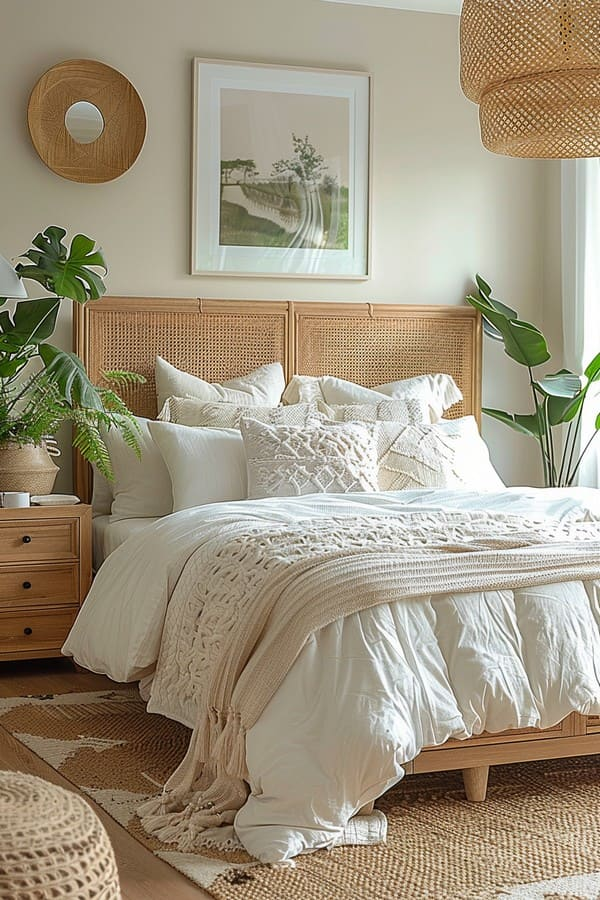
Embracing natural textures is one of the most powerful ways to bring authenticity and warmth into a neutral bedroom. Natural materials like wood, stone, linen, jute, and rattan create a grounded and organic feel that instantly softens the space. Unlike synthetic finishes, natural textures carry subtle imperfections that make the room feel more human and lived in. In a neutral color palette, these textures become even more important because they add depth and character without relying on strong colors or bold patterns. The result is a bedroom that feels calm, balanced, and deeply connected to nature.
To incorporate natural textures effectively, focus on layering them across different elements in the room. A wooden bed frame can set a warm foundation, while linen bedding adds softness and breathability. A jute rug underfoot introduces a slightly rough texture that contrasts beautifully with smoother surfaces. Woven baskets, clay decor, and stone inspired accents can further enhance this natural aesthetic. Each material should complement the others while maintaining a sense of simplicity. The goal is to create subtle variation that feels effortless rather than overly designed.
Natural textures also help create a sensory experience within the bedroom. The feel of soft fabric, the grain of wood, and the roughness of woven fibers all contribute to a space that feels comforting and real. This tactile richness enhances relaxation and makes the bedroom more inviting. When natural textures are used thoughtfully, they transform a neutral bedroom into a warm sanctuary that feels both stylish and deeply connected to the natural world.
The Power of a Soft Color Palette
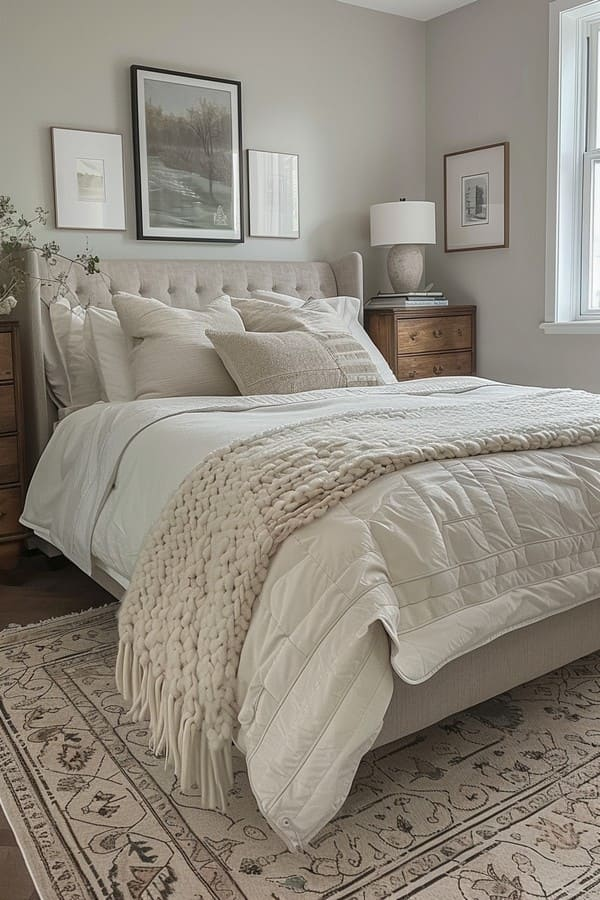
A soft color palette is the foundation of every calm and inviting neutral bedroom. These gentle tones, such as beige, ivory, cream, soft grey, and muted taupe, work together to create a peaceful and balanced environment. Unlike bold or vibrant colors, soft tones do not overwhelm the senses. Instead, they promote relaxation and help the mind unwind. This makes them perfect for bedrooms, where comfort and tranquility are the main goals. A soft palette also allows other design elements like texture and lighting to stand out more naturally.
When building a soft color palette, consistency is key. All major elements in the room, including walls, furniture, and textiles, should follow a similar tonal family. This does not mean everything must be the same shade, but rather that all colors should harmonize smoothly. For example, pairing warm beige walls with cream bedding and light taupe accents creates subtle variation while maintaining cohesion. This layered approach ensures the room feels visually interesting without breaking its calming effect. The beauty of a soft palette lies in its quiet elegance and effortless flow.
The power of a soft color palette also lies in its timelessness. These shades never go out of style and can adapt easily to changing decor trends. Whether paired with rustic accents, minimalist furniture, or cozy textiles, soft tones always maintain a sense of harmony. They create a versatile base that allows creativity without chaos. When used correctly, a soft color palette transforms a bedroom into a soothing retreat where simplicity and beauty exist in perfect balance.
Conclusion
Creating a neutral bedroom is ultimately about building a space that feels calm, balanced, and deeply personal. Throughout all these ideas, the focus remains on simplicity, natural materials, soft tones, and thoughtful layering. Every element, from furniture to textiles and lighting, plays a role in shaping the overall atmosphere. When combined with care, these details turn an ordinary bedroom into a peaceful oasis where comfort and style coexist effortlessly.
The true beauty of a neutral bedroom lies in its ability to feel timeless and adaptable. It is not defined by trends but by feelings of warmth, serenity, and ease. Whether you prefer rustic charm, minimalist elegance, or cozy textures, a neutral foundation allows you to express your style while maintaining harmony. In the end, a well designed neutral bedroom becomes more than just a place to sleep, it becomes a calming retreat that supports rest, relaxation, and everyday peace.


