

Tiny Living Room Designs That Look Bigger | Pure Zen Decor
Designing a tiny living room can feel challenging, but the truth is that small spaces often have the most potential. With the right layout, color choices, and styling tricks, even the smallest living room can feel open, airy, and beautifully designed. The goal isn’t to make the room physically larger it’s to create the illusion of space while keeping the room comfortable and stylish. These design ideas focus on simplicity, smart choices, and visual balance to help your tiny living room look bigger and better.
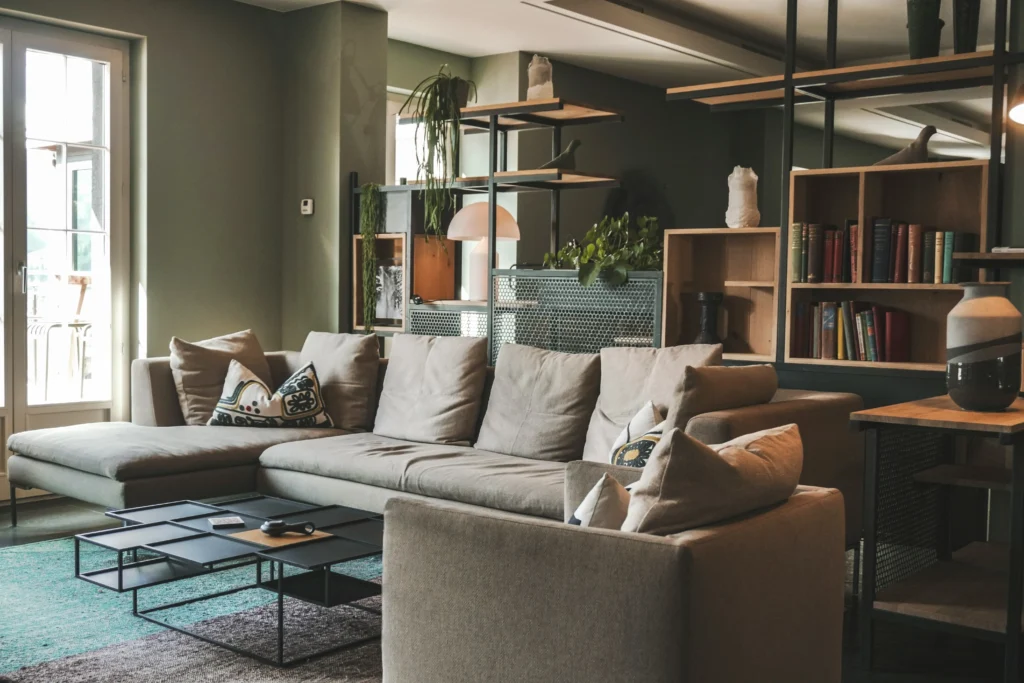
Start With a Light and Balanced Color Palette
Color plays a huge role in how big or small a room feels. Light, neutral shades reflect more light and visually push the walls outward, making the space feel open. Whites, creams, soft greys, and warm beiges are perfect for tiny living rooms because they don’t visually crowd the space.
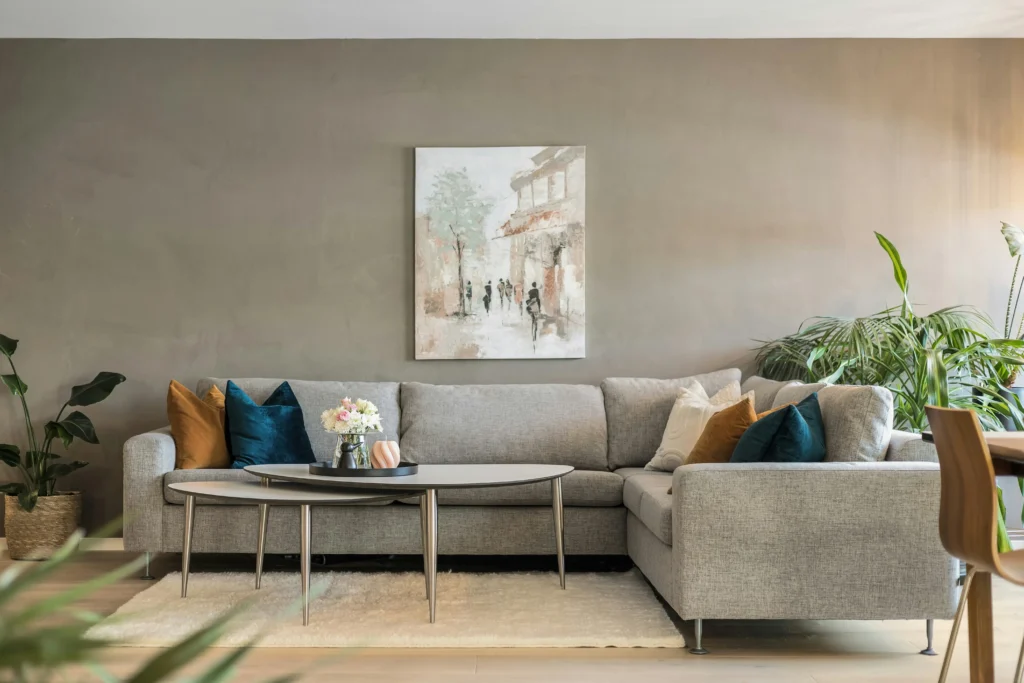
Instead of adding bold colors everywhere, keep the main surfaces neutral and introduce color through small accents. This approach keeps the room calm and cohesive, which automatically makes it feel more spacious and thoughtfully designed.
Choose Furniture That Fits the Scale of the Room
Oversized furniture can overwhelm a tiny living room, while furniture that’s too small can make the space feel awkward. The key is balance. Choose furniture that fits the room’s scale and allows easy movement around it.
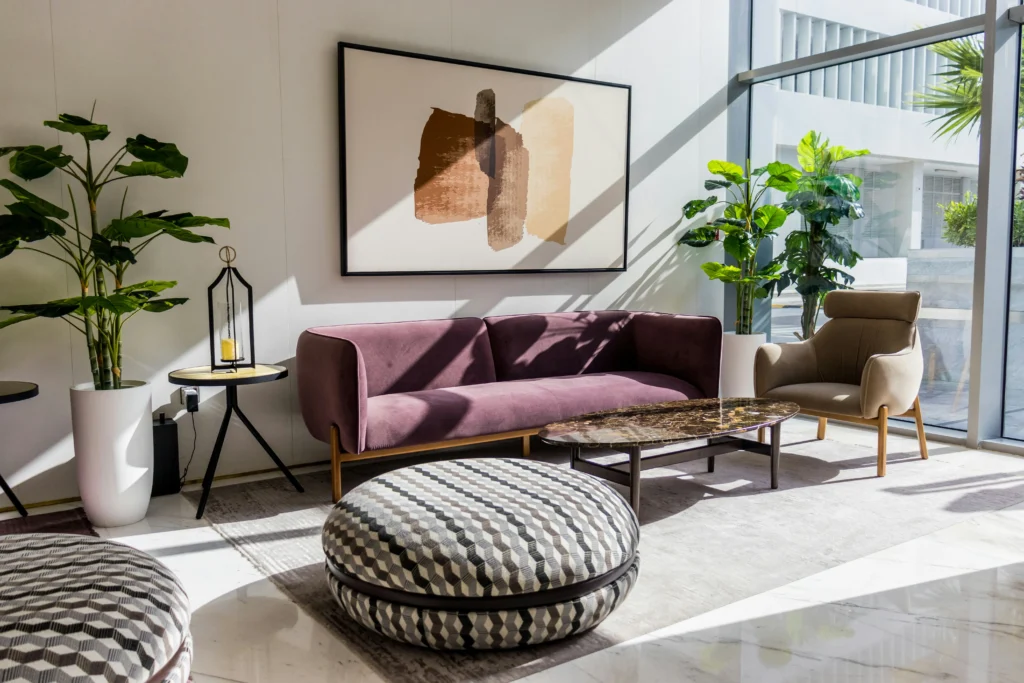
Look for pieces with slim arms, exposed legs, and simple shapes. These designs allow light to flow around them, making the room feel less crowded. One well chosen sofa often works better than multiple small seating pieces that break up the space.
Use Multi Functional Furniture to Reduce Clutter
In a small living room, every piece should earn its place. Multi-functional furniture helps reduce clutter while increasing usability. When fewer items are needed, the room automatically feels larger.
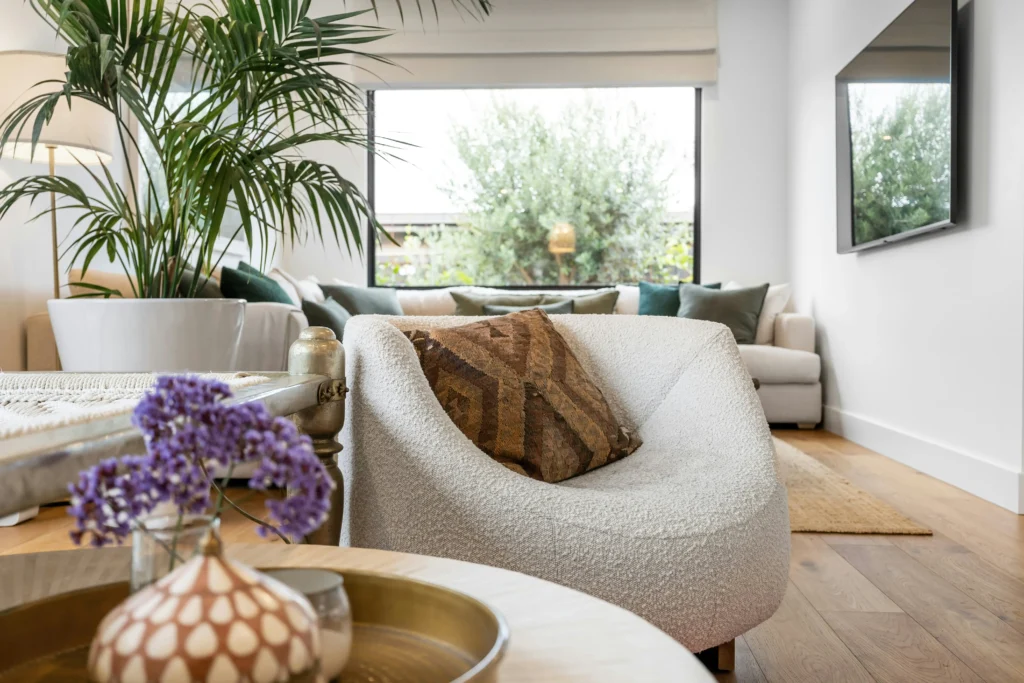
Smart options include:
- Storage ottomans that double as seating
- Nesting tables instead of bulky coffee tables
- Media units with hidden storage
- Benches that offer both seating and organization
By reducing visual noise, your living room feels cleaner, calmer, and more spacious.
Keep the Layout Open and Easy to Move Through
A cramped layout makes a small room feel even smaller. Your furniture arrangement should allow smooth movement and clear pathways. Avoid blocking doorways or windows, and leave some breathing room around major furniture pieces.
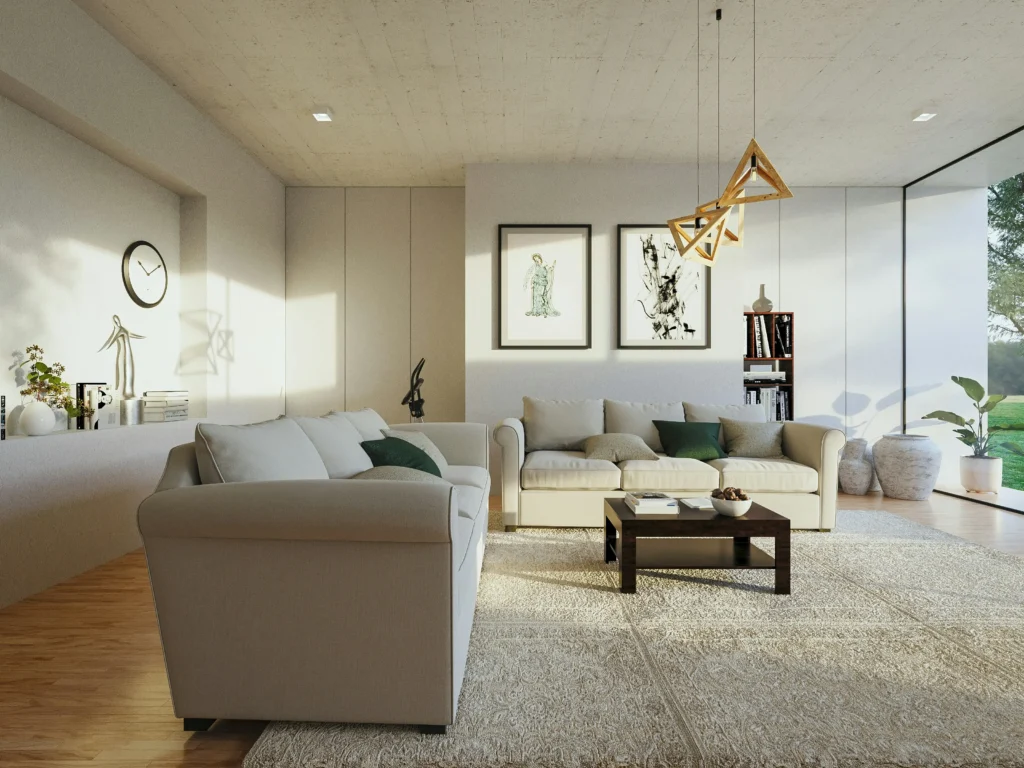
Even pulling the sofa slightly away from the wall can add depth and create a more designer-style layout. When the room flows naturally, it feels open even if the square footage is limited.
Use Mirrors to Visually Expand the Space
Mirrors are one of the most effective tools for making a tiny living room look bigger. They reflect both natural and artificial light, instantly doubling the visual depth of the room.
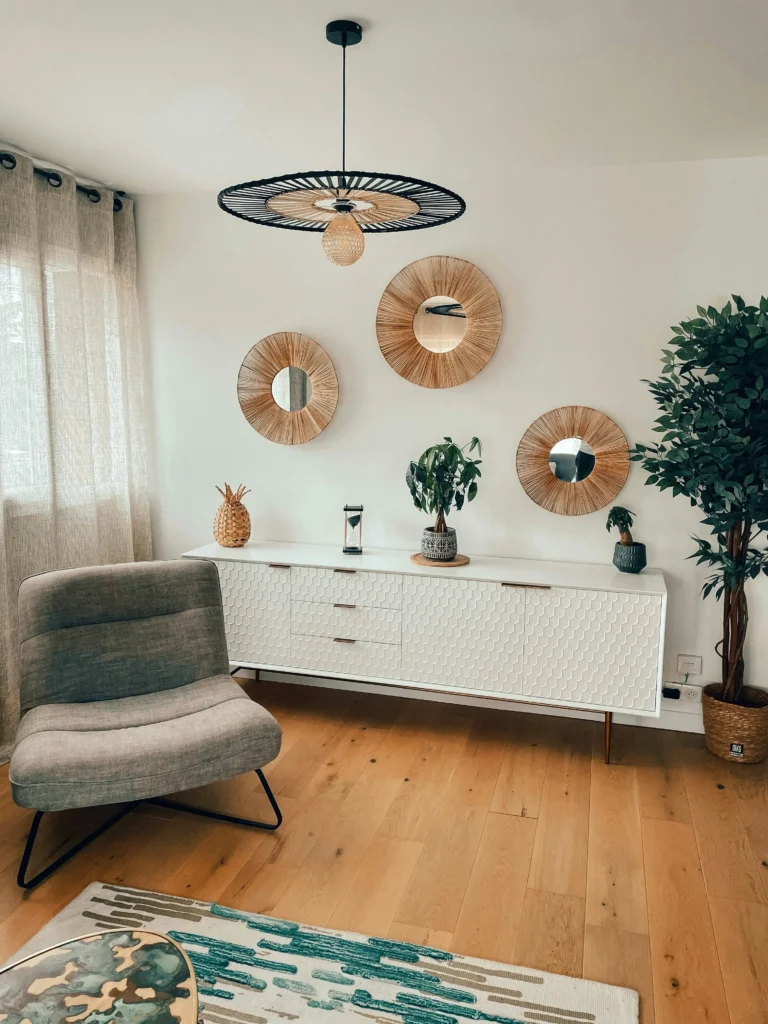
A large mirror placed across from a window works best, but even smaller mirrors can make a difference. Choose simple frames that blend with your decor so the mirror enhances the space without overwhelming it.
Go Vertical With Storage and Decor
When floor space is limited, vertical space becomes incredibly valuable. Tall shelves, wall-mounted cabinets, and vertical artwork draw the eye upward, making the room feel taller and more open.
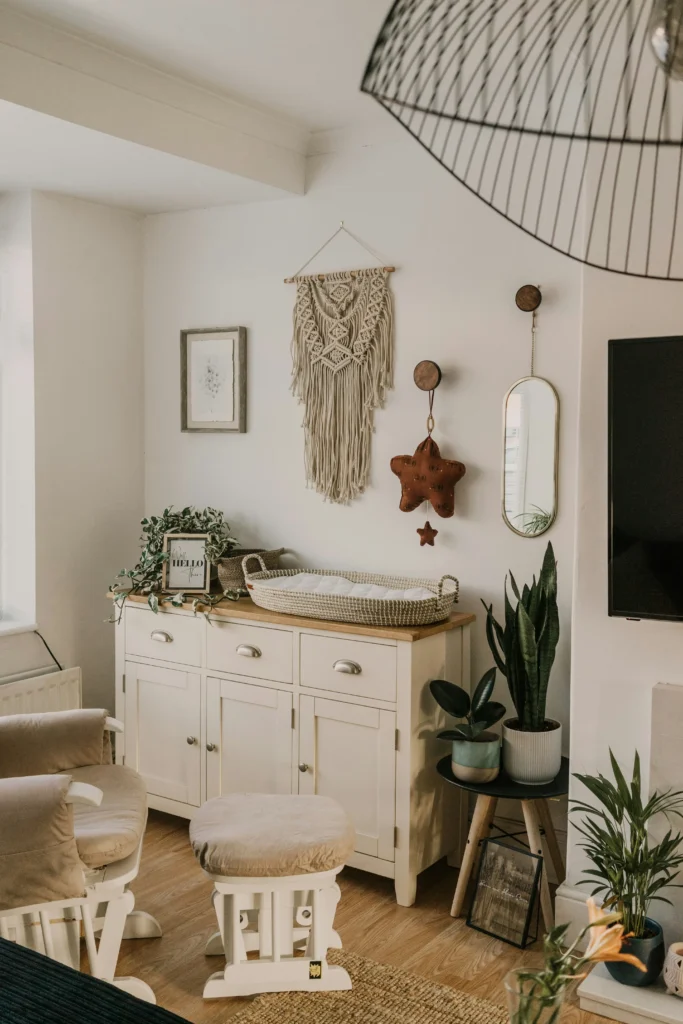
Instead of spreading decor across multiple surfaces, concentrate it vertically. This keeps the floor clear and creates a cleaner visual line, which is essential for small living room design.
Keep Window Treatments Light and Minimal
Heavy curtains can make a small living room feel boxed in. Light, sheer curtains or no curtains at all allow natural light to flood the space. More light always equals a more open feel.
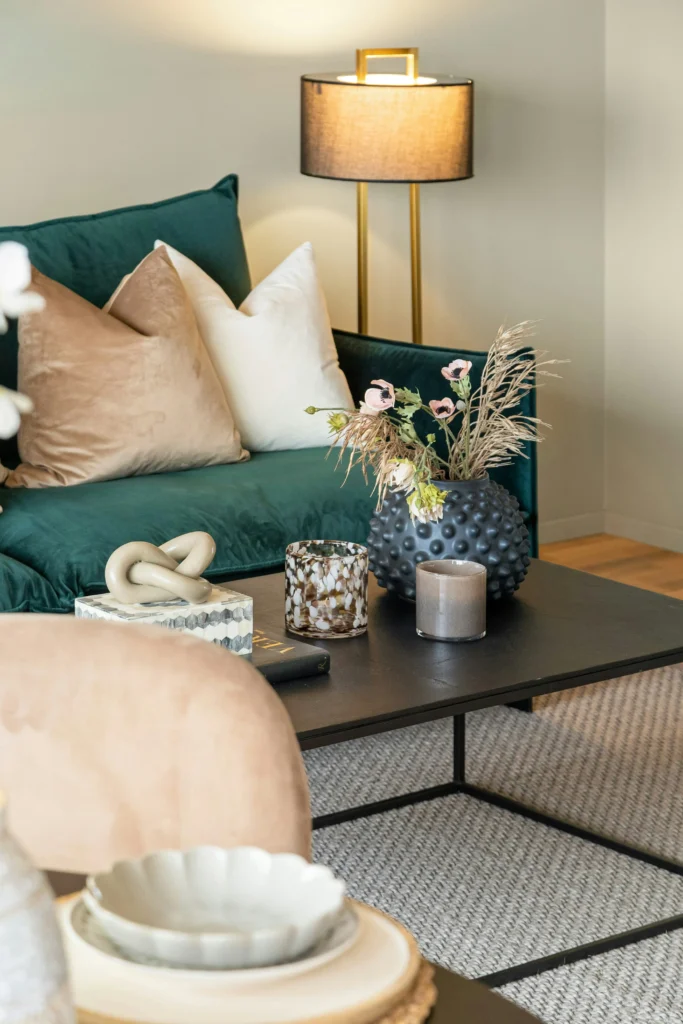
If privacy is needed, opt for simple roller blinds or light fabric panels hung high and wide. This trick visually raises the ceiling and widens the room without any construction work.
Limit Decor but Make Each Piece Count
Too much decor creates visual clutter, which shrinks a space instantly. In a tiny living room, less is more but better. Choose a few statement pieces instead of many small ones.
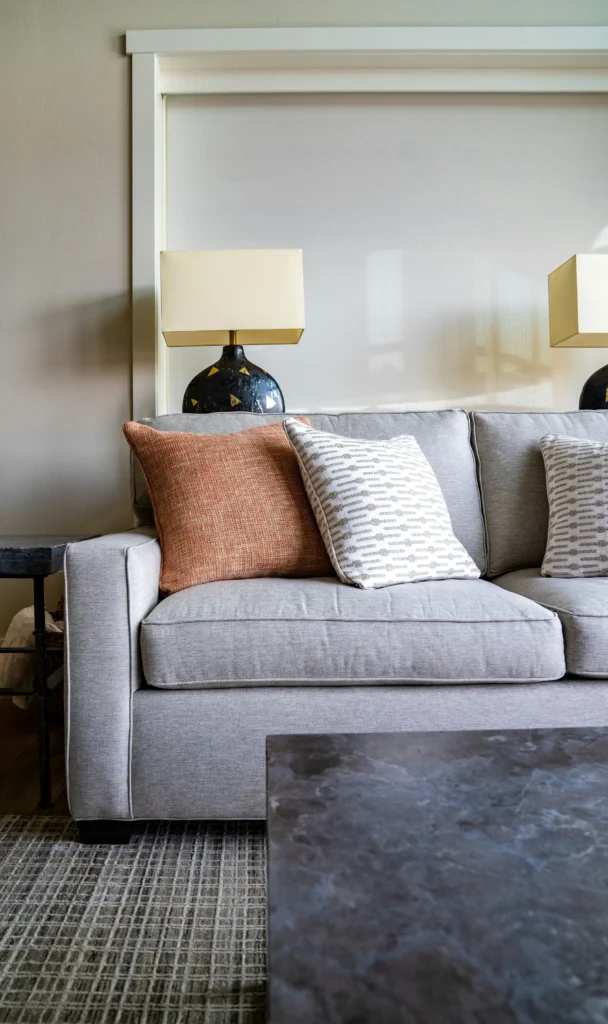
Good examples include:
- One large artwork instead of a gallery wall
- A single sculptural lamp
- A neutral rug with subtle texture
- A simple centerpiece on the coffee table
Intentional decor keeps the room feeling curated and spacious.
Use Rugs to Define and Expand the Space
A rug helps anchor the living room and define the seating area. Surprisingly, a larger rug often works better than a small one because it visually expands the floor area.
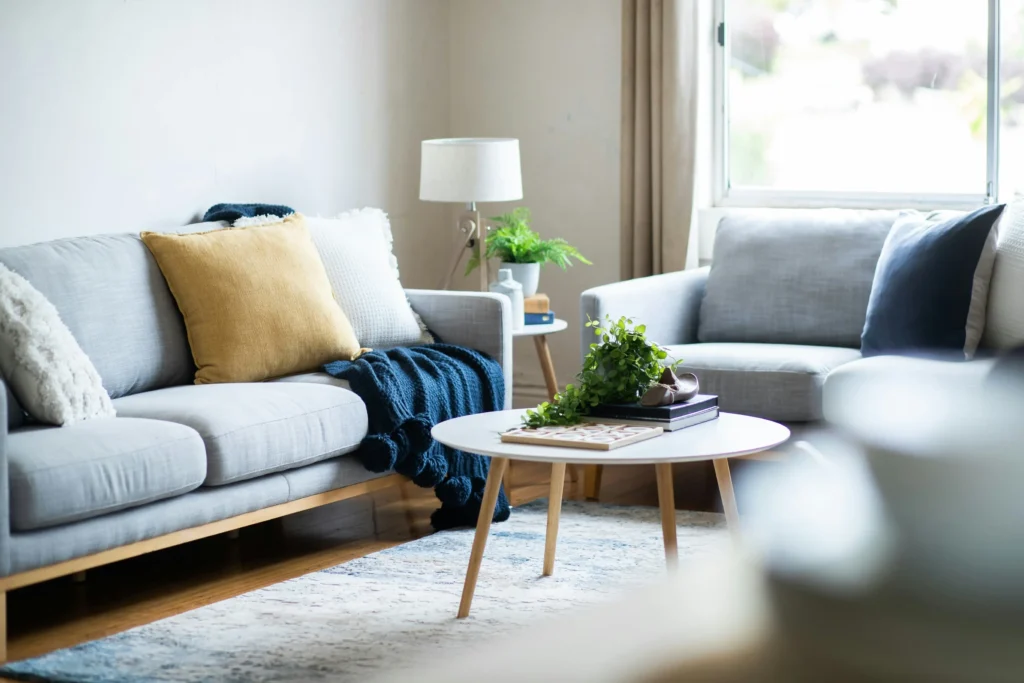
Choose rugs in light colors or subtle patterns. Make sure at least the front legs of your furniture sit on the rug to create a unified, open look instead of a broken-up layout.
Add Layered Lighting Instead of One Harsh Light
Lighting affects how spacious a room feels. Relying only on one ceiling light creates shadows and harsh contrasts. Layered lighting adds depth and warmth, making the room feel larger and more inviting.
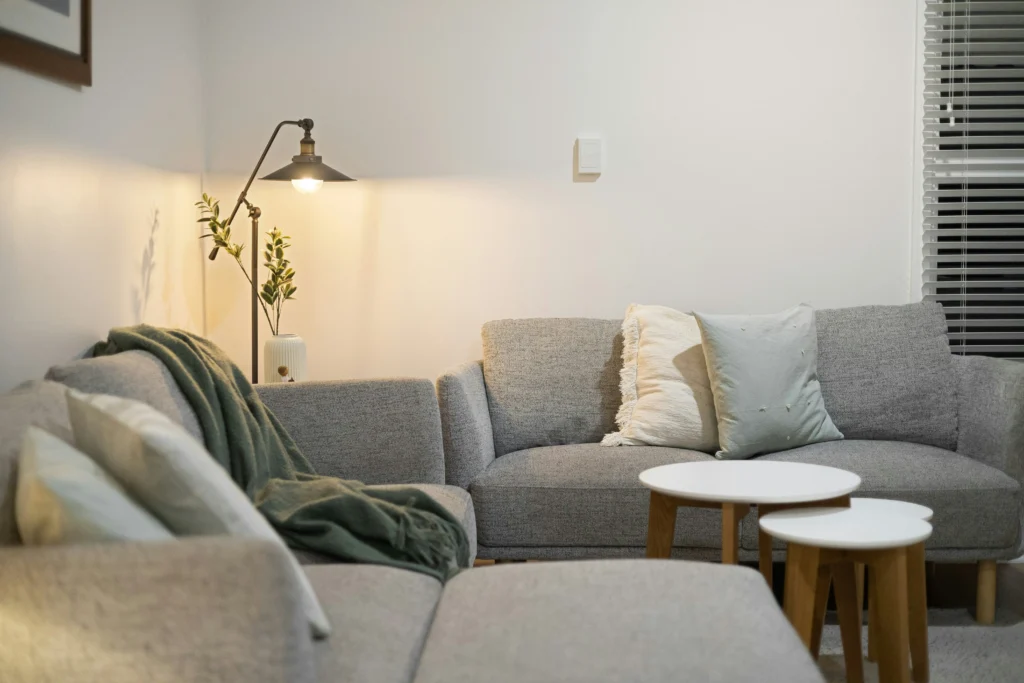
Use a mix of:
- Floor lamps
- Table lamps
- Wall sconces
- Soft LED lighting
Evening lighting that’s warm and diffused makes a small living room feel cozy rather than cramped.
Keep Surfaces Clear for a Clean Look
Clear surfaces make a huge difference in small rooms. When tables, shelves, and consoles are overcrowded, the space feels busy and tight. Keep only essentials visible and store the rest out of sight.
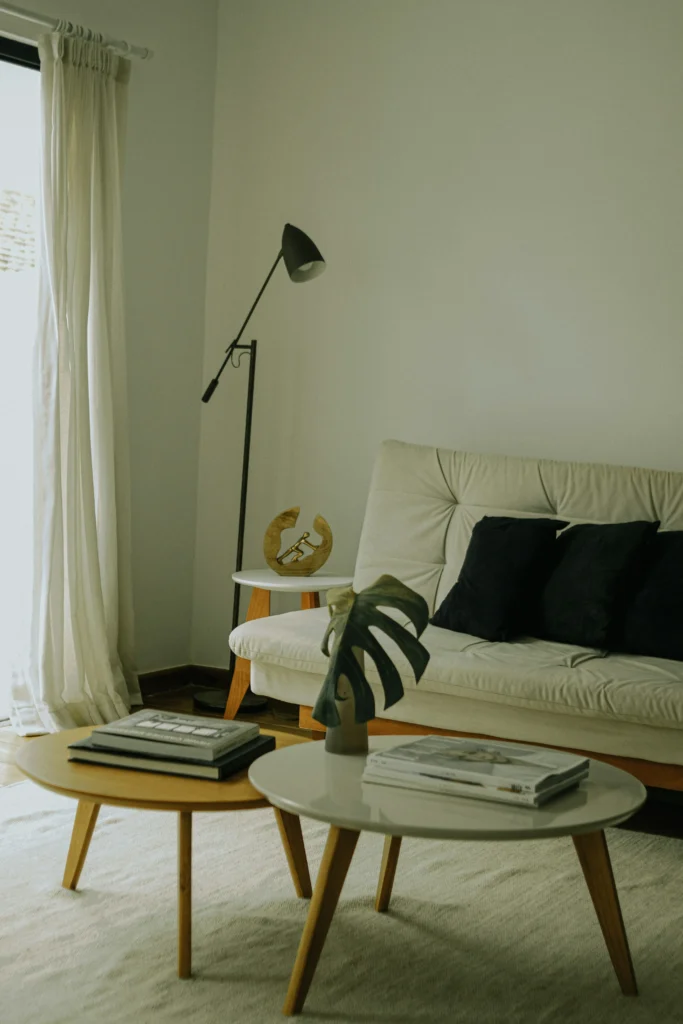
Use trays or baskets to organize small items neatly. Clean surfaces reflect light better and give the illusion of more space and order.
Stick to a Consistent Style Throughout
Mixing too many styles in a tiny living room can make it feel chaotic. Choose one main design style minimalist, modern, cozy neutral and stick to it consistently.
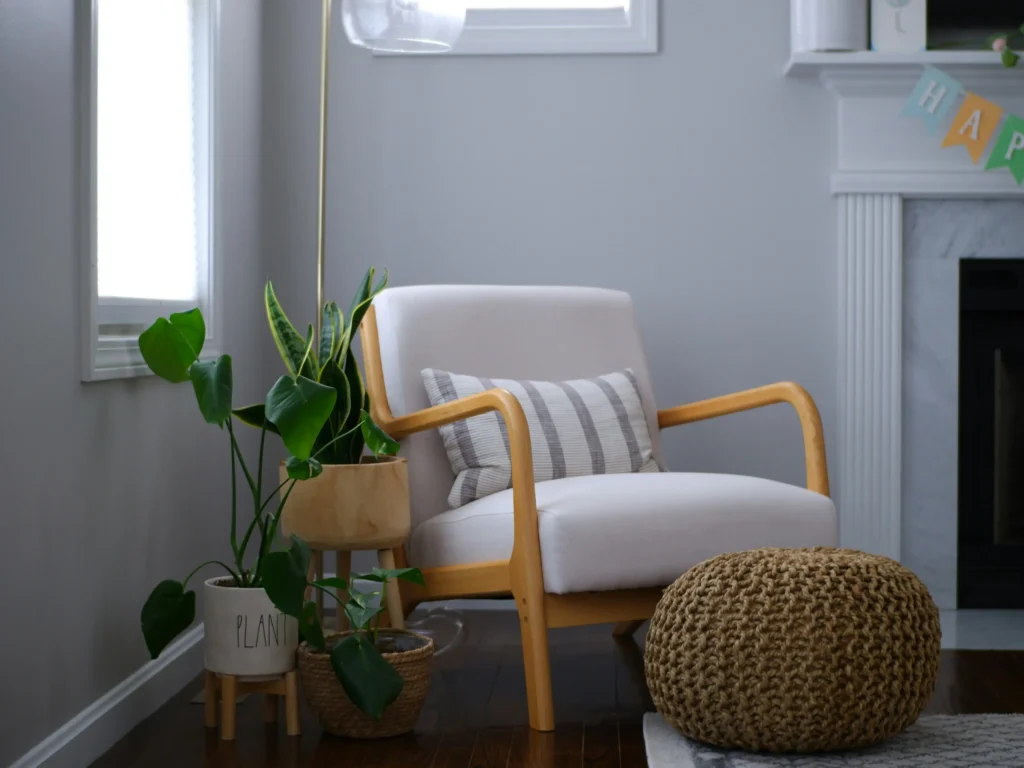
When furniture, colors, and decor follow the same visual language, the room feels harmonious and open. Consistency creates calm, and calm makes a small space feel bigger.
Edit the Space Until It Feels Light
The final step is editing. Step back and ask yourself if every item truly belongs in the room. Removing just one unnecessary piece can dramatically improve how spacious the room feels.
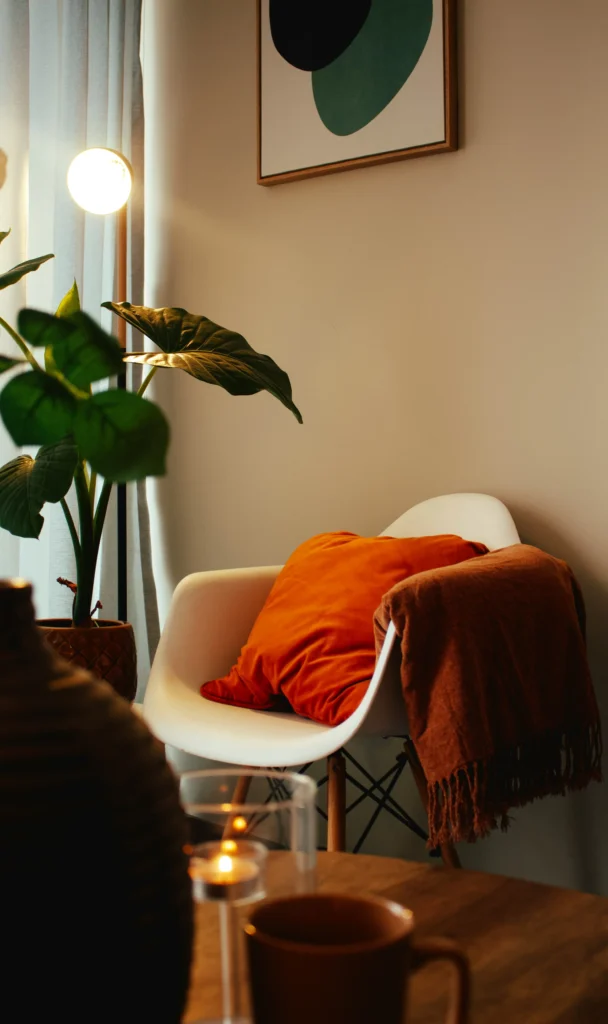
Tiny living rooms benefit the most from intentional design. When the space feels light, balanced, and uncluttered, it naturally looks bigger even without changing the size at all.


