
Smart Small Space Layout Ideas | Pure Zen Decor
Designing a small space can feel overwhelming, especially when every inch matters. But with the right layout tricks, even the tiniest apartment or compact room can feel open, functional, and surprisingly stylish. The goal isn’t just to fit everything in it’s to make the space feel intentional, comfortable, and beautifully put together. If you’re working with a studio, a small living room, or a compact bedroom, these smart layout ideas will help you maximize space without sacrificing aesthetics.
Start With a Clear Purpose for Each Zone
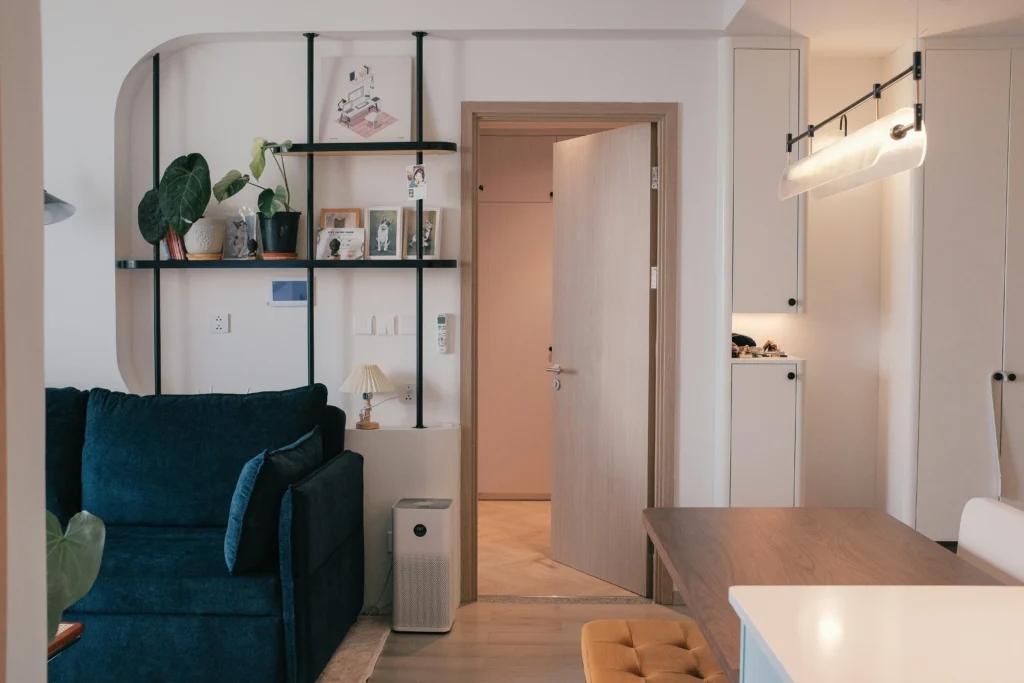
In small spaces, every area should have a defined job. Whether your home is one open room or just a small living area, establishing zones creates structure and flow. Divide areas using furniture placement, small rugs, or lighting instead of walls.
For example, a sofa can mark the living zone, while a small round table indicates the dining area. Even a narrow console can visually separate the entryway from the rest of the room. When zones feel clear, the entire apartment looks more organized and thoughtfully designed.
Choose Multi Functional Furniture First
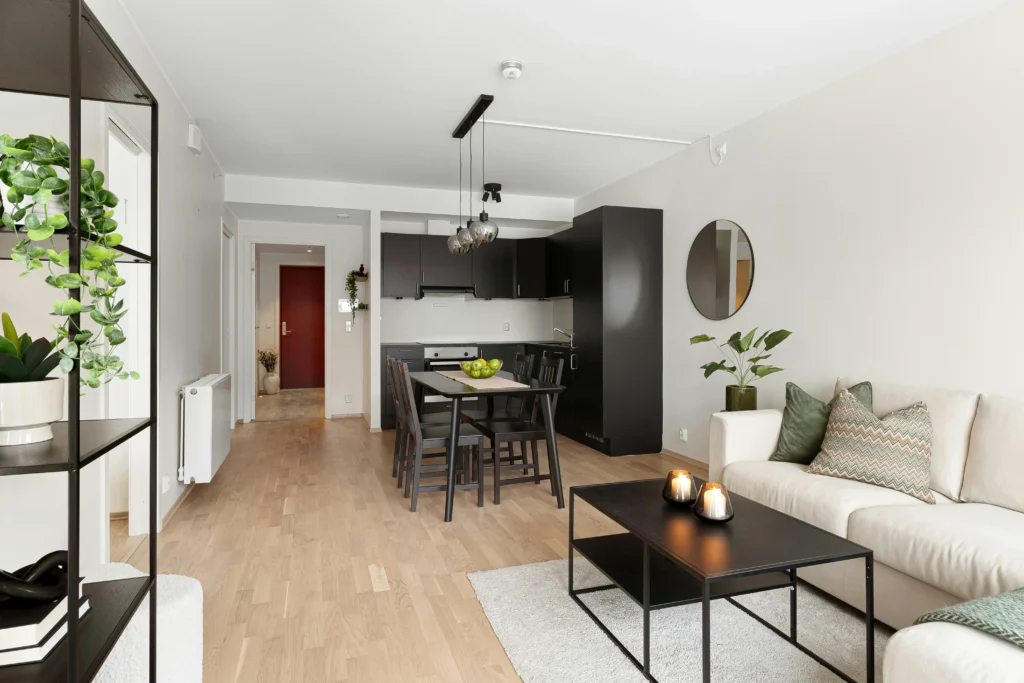
The smartest layouts begin with smart furniture. Pieces that do double duty can instantly free up precious square footage. Think of sofa beds, ottomans with storage, nesting tables, and foldable dining sets.
These pieces adapt to your daily needs seating becomes sleeping space, tables expand for guests, and storage hides away clutter. Multi-functional furniture reduces how many items you actually need, giving your room more breathing space and keeping your layout flexible.
Place Furniture Off the Walls (Yes Really!)
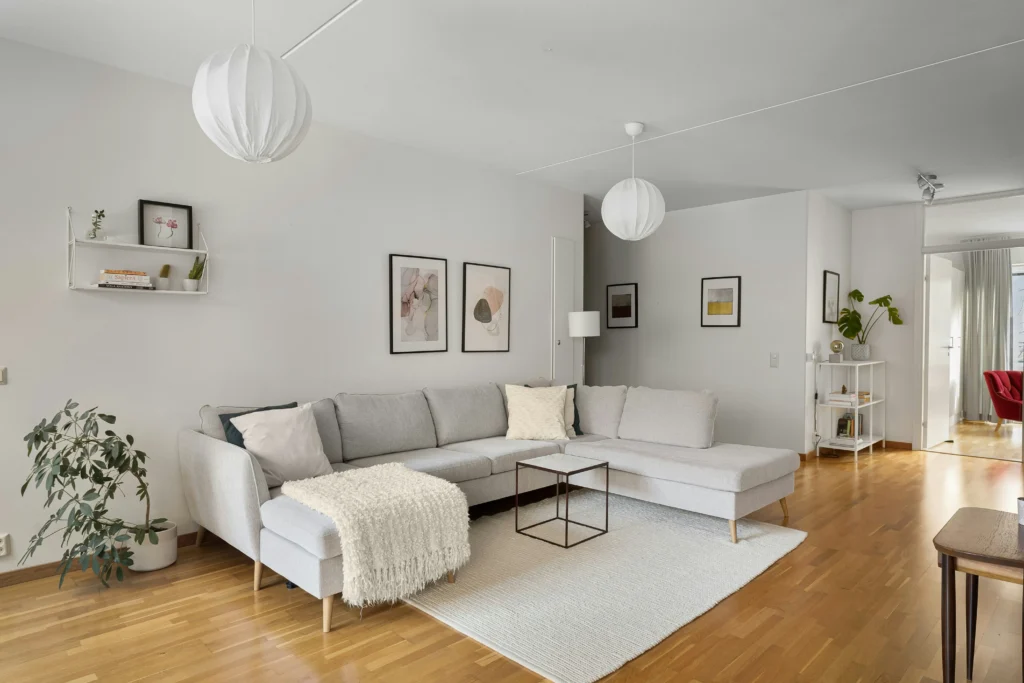
It might seem counterintuitive, but pushing everything against the walls often makes a small room feel boxed in. Instead, try floating your sofa slightly away from the wall or placing a slim console behind it.
This creates a sense of depth and gives your layout a more designer style look. Even a small room can benefit from this trick because it improves the flow and makes the space feel less cramped. Tiny shifts can dramatically change the entire perception of the room.
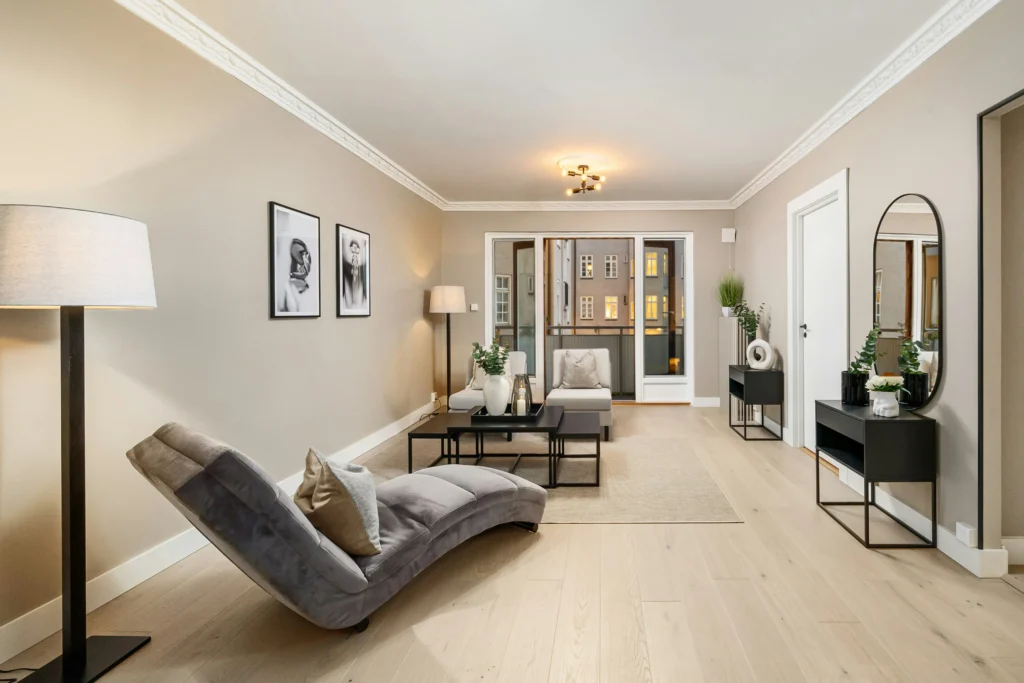
Keep Walkways Open and Natural
A small space can look cluttered simply because the layout creates awkward or blocked pathways. A smart layout flows naturally from one spot to another without furniture sticking out or interrupting movement.
Avoid placing large pieces near doorways or in the center of the room. If possible, allow at least one clean, straight path through the space. When the eye can move easily, the room instantly feels bigger, even if nothing else changes.
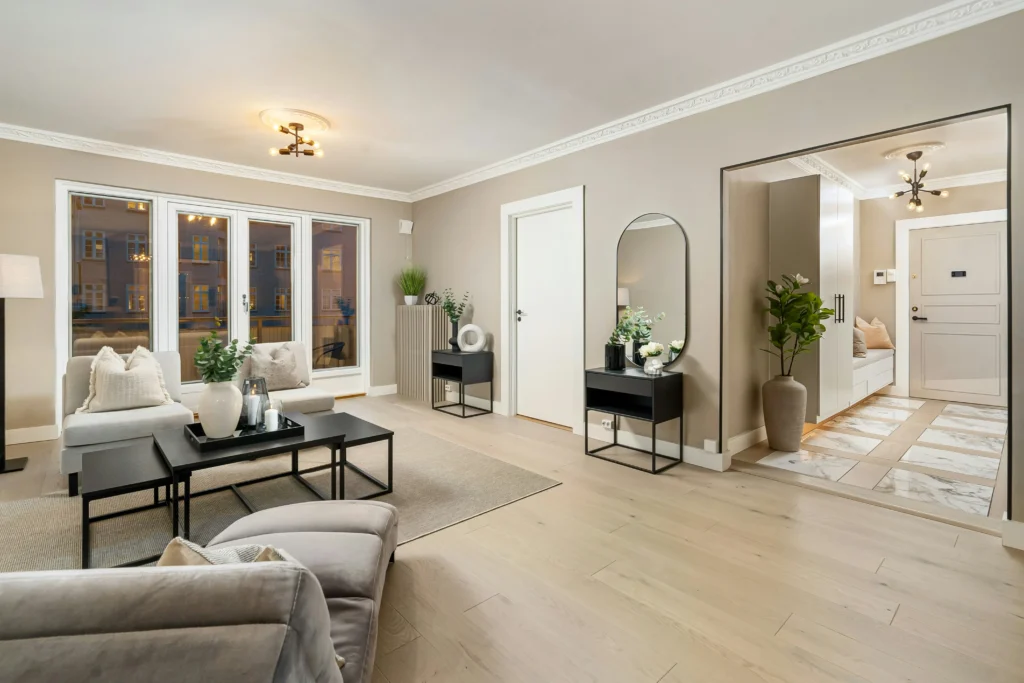
Use Vertical Space as Part of the Layout
When floor space is limited, the walls become your best friend. Think tall shelves, floating cabinets, wall mounted hooks, or vertical plant stands.
These elements don’t just create extra storage they visually extend your room upward. The taller your functional pieces, the more spacious your home feels. It’s a layout technique designers use often because it draws attention away from the floor and gives your space a balanced, airy look.
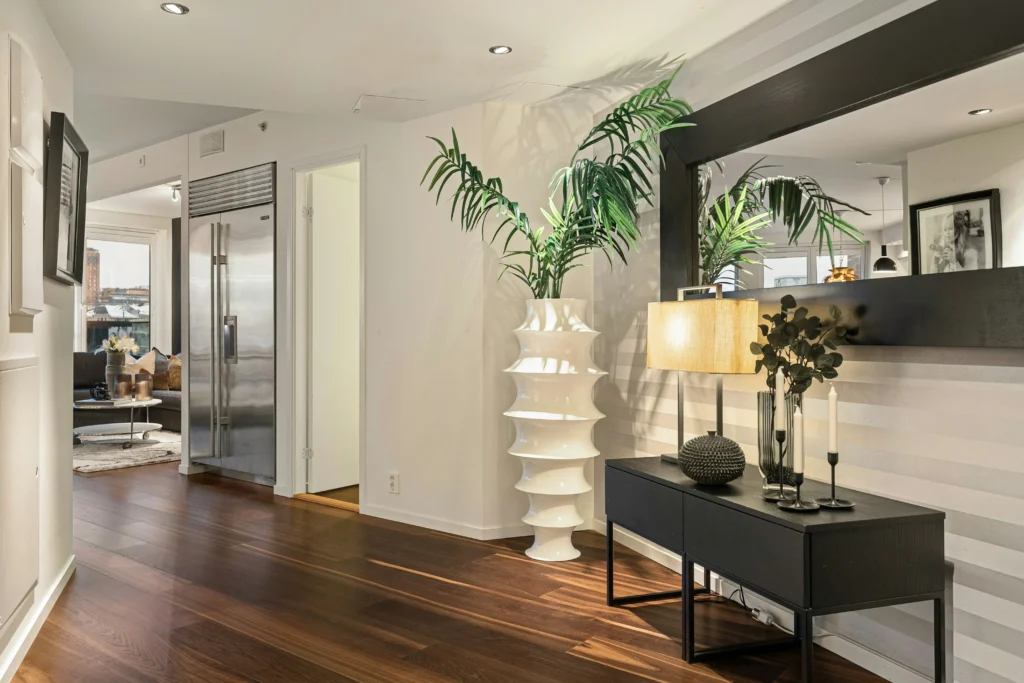
Pick the Right Sized Furniture (Not Just Small Furniture)
Many people think small spaces need tiny furniture. But the truth is: you need furniture that’s proportionate, not miniature. A few well sized pieces look more cohesive than several small items cluttering the room.
For example, one medium-sized sectional might work better than two tiny loveseats. A full size rug can make the room feel grounded instead of chopped up. The layout becomes cleaner, simpler, and much more comfortable.
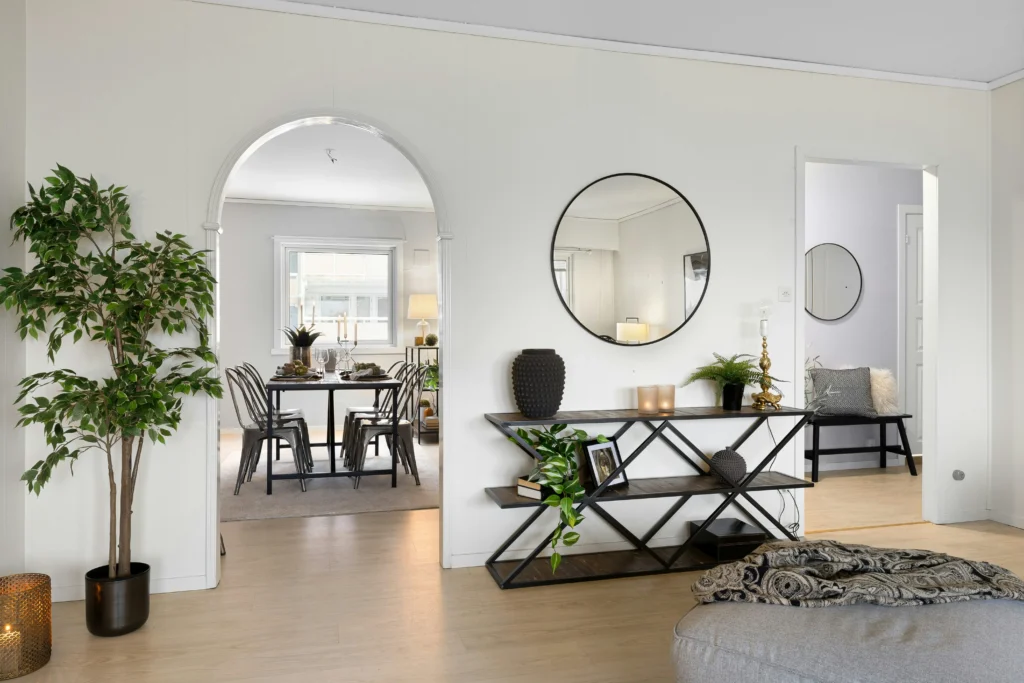
Create Symmetry Whenever Possible
Symmetry brings calmness and structure, which small spaces need. Matching lamps, balanced artwork, or two similar chairs can make the room feel organized and harmonious.
Symmetry also makes layout decisions easier because it naturally guides where things should go. Even if you can’t achieve perfect symmetry, small touches like centered wall art or evenly spaced décor can make your room feel elegant and well designed.
Use Light to Shape the Layout
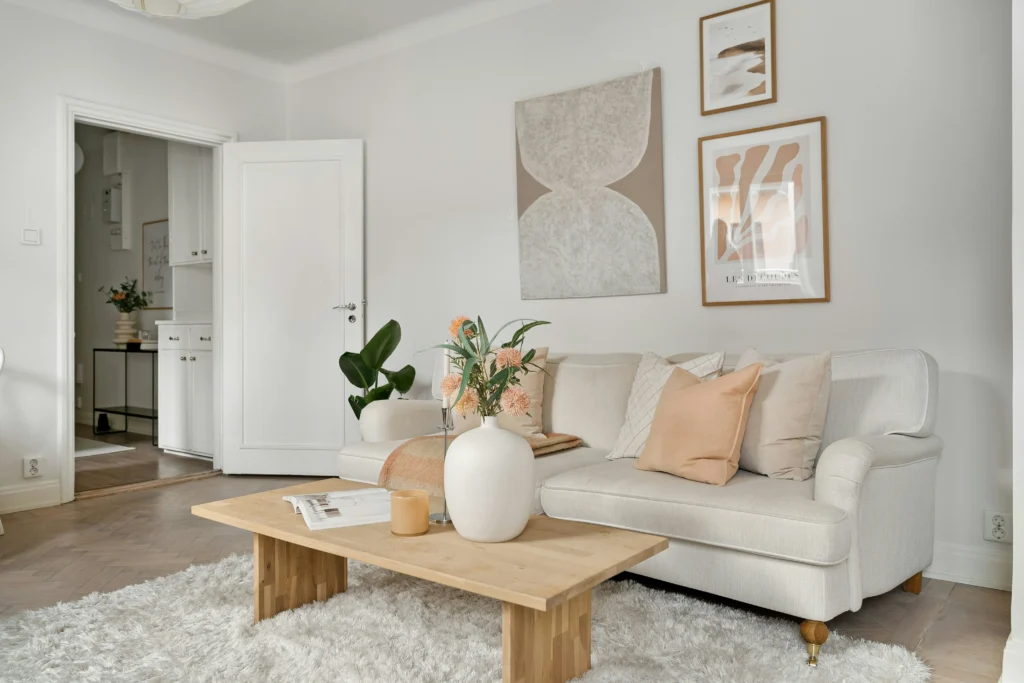
Lighting is more than decoration it’s a layout tool. A floor lamp near the sofa marks the living area. A pendant over the dining table defines where meals happen.
In a small apartment, three layers of light (ambient, task, and accent) can help shape zones without the need for physical dividers. Soft lighting also makes tight spaces feel warm instead of cramped, and the right placement visually guides the flow of the room.
Keep the Color Flow Consistent Across the Space
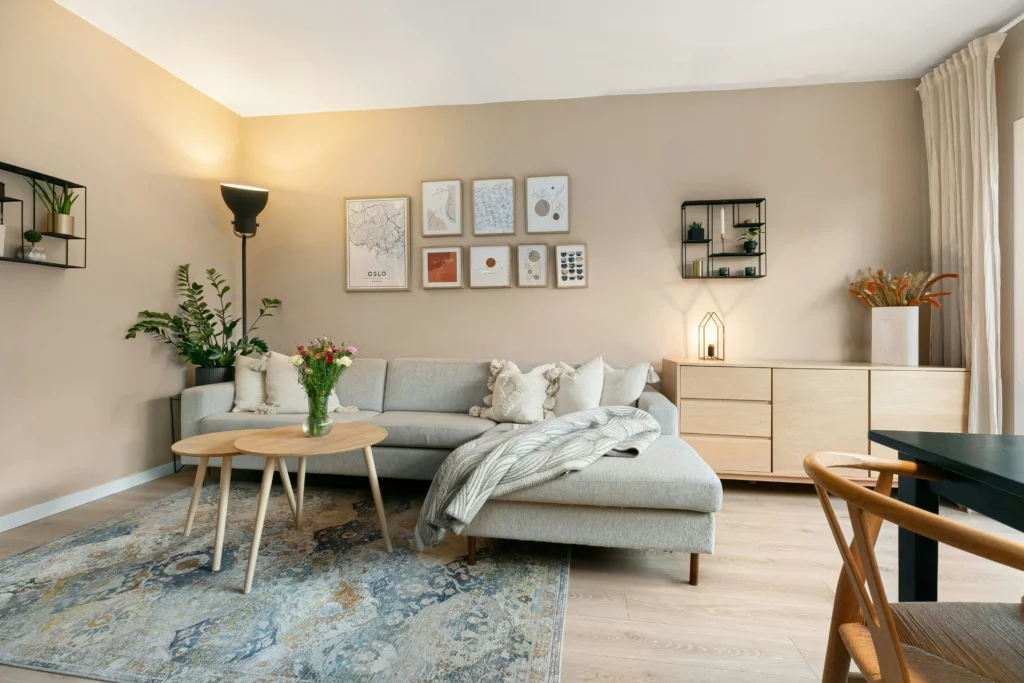
Color affects layout more than most people realize. A consistent color palette ties the room together, making the layout feel intentional rather than pieced together.
Neutral bases whites, beiges, light grays are perfect for small spaces because they expand the visual boundaries of the room. Add subtle accents in pillows, throws, or small décor pieces to avoid overwhelming your layout. When colors flow, the space feels more spacious and serene.
Use Mirrors to Stretch Your Layout
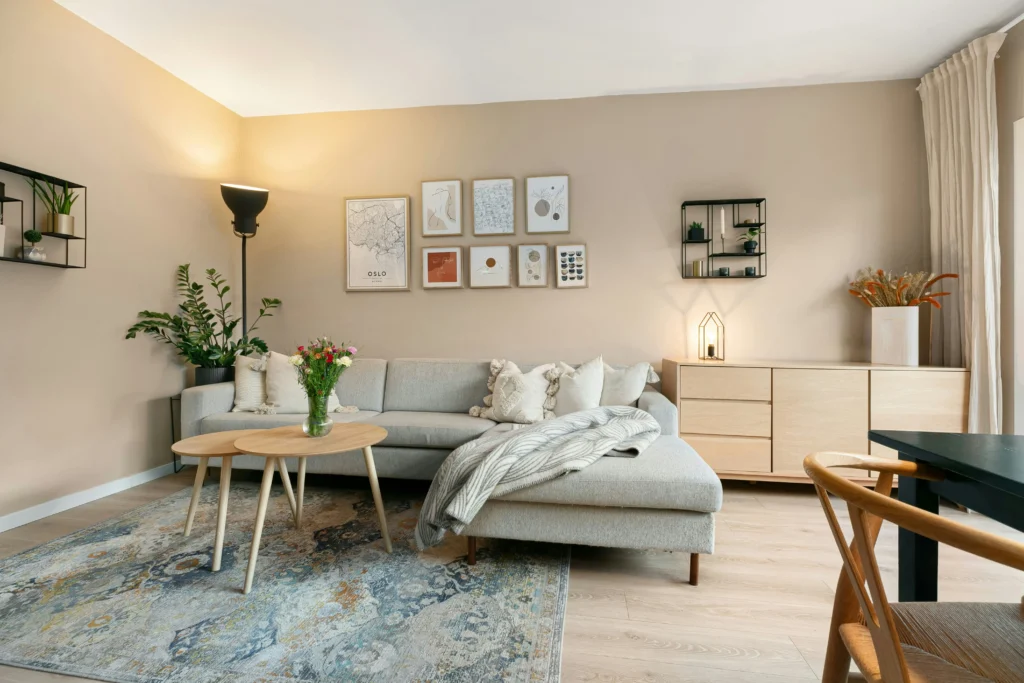
Mirrors can reshape the feel of a layout by bouncing light and expanding the visual field. A large floor mirror behind a chair or across from a window makes the room feel double its size.
Even small mirror placements, like a mirrored cabinet, can add reflection and brightness. This tricks the eye into seeing depth where there isn’t much. If your space feels tight, mirrors can help open it up without changing any furniture.
Keep Surfaces Clean for a Spacious Feel
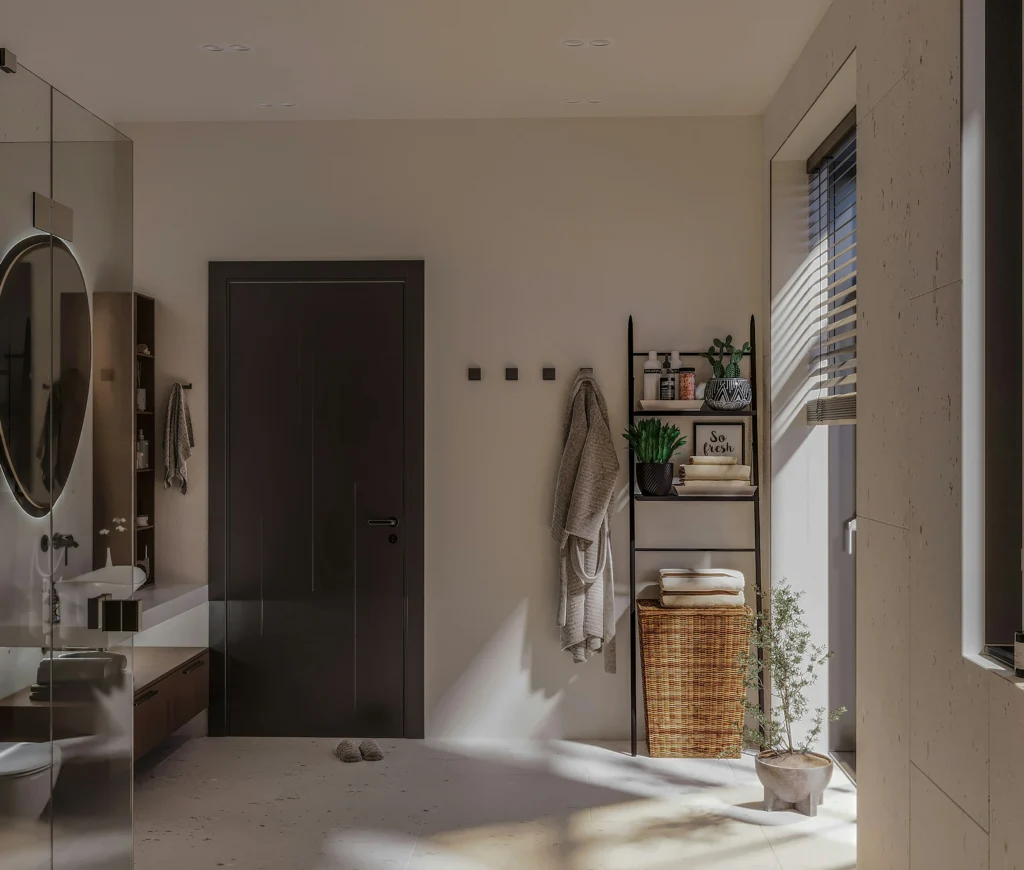
Small layouts get messy fast. One cluttered shelf or overflowing table can make the whole room feel chaotic. Keep the major surfaces coffee tables, nightstands, dressers clean and minimally decorated.
Try using trays to contain items and keep everything intentional. The cleaner the surfaces look, the more open your layout feels. This is one of the easiest but most powerful small space tricks.
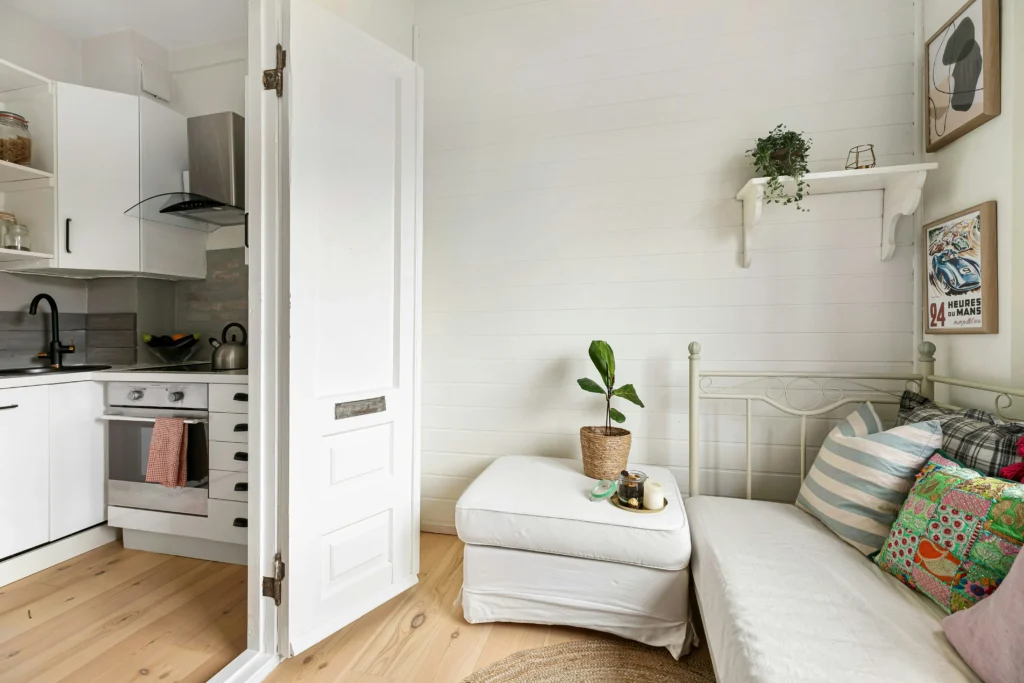
Edit the Room Until It Feels “Light”
The secret to any smart small-space layout is editing. Step back occasionally and ask yourself: Does everything here serve a purpose?
Remove unnecessary items, duplicate décor, and anything that makes the room feel heavy. Sometimes taking away a single piece of furniture can instantly improve the entire layout. Minimalism isn’t about having fewer things it’s about giving your space room to breathe.