
Minimalist Small Space Decor for Everyday Living
Living in a small space doesn’t mean you have to live with clutter, chaos, or a cramped feeling. In fact, minimalist small space decor is one of the easiest ways to create a home that feels calm, functional, and beautiful every single day. With the right choices, even the tiniest apartment can feel open, intentional, and comfortable.
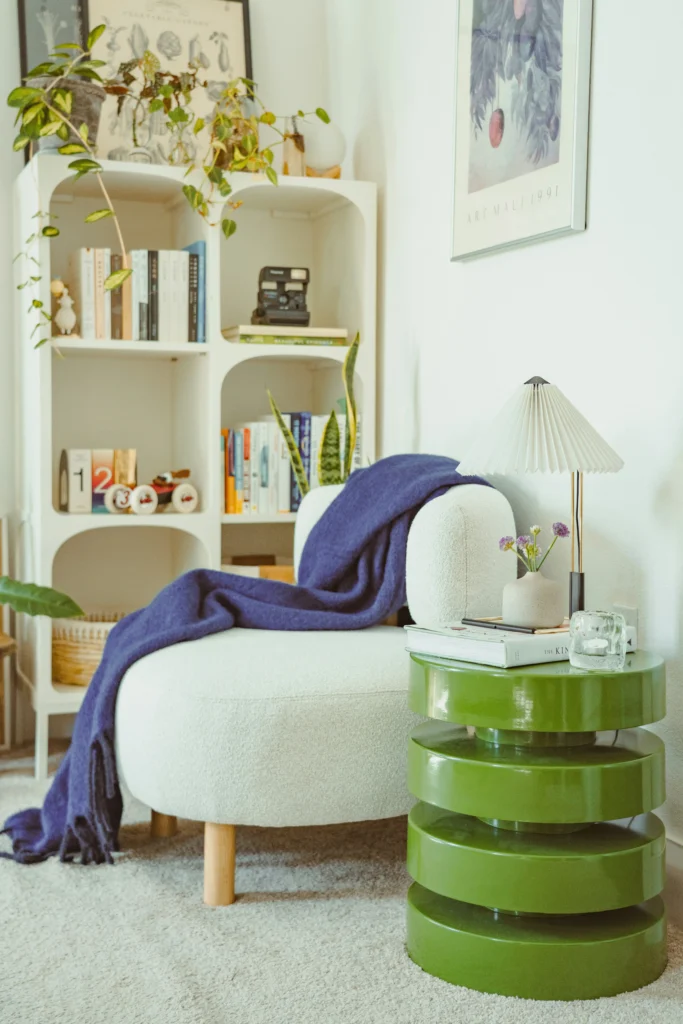
Minimalism isn’t about empty rooms or boring spaces. It’s about choosing what truly matters and letting go of the rest. When applied thoughtfully, it can completely transform how you experience your home especially if space is limited. In this guide, we’ll explore practical, everyday minimalist decor ideas designed specifically for small spaces. These tips focus on warmth, usability, and real-life living not showroom perfection.
Why Minimalist Decor Works So Well in Small Spaces
Small homes naturally benefit from minimalism because there’s less room for excess. Every item you bring in has an impact, visually and physically.
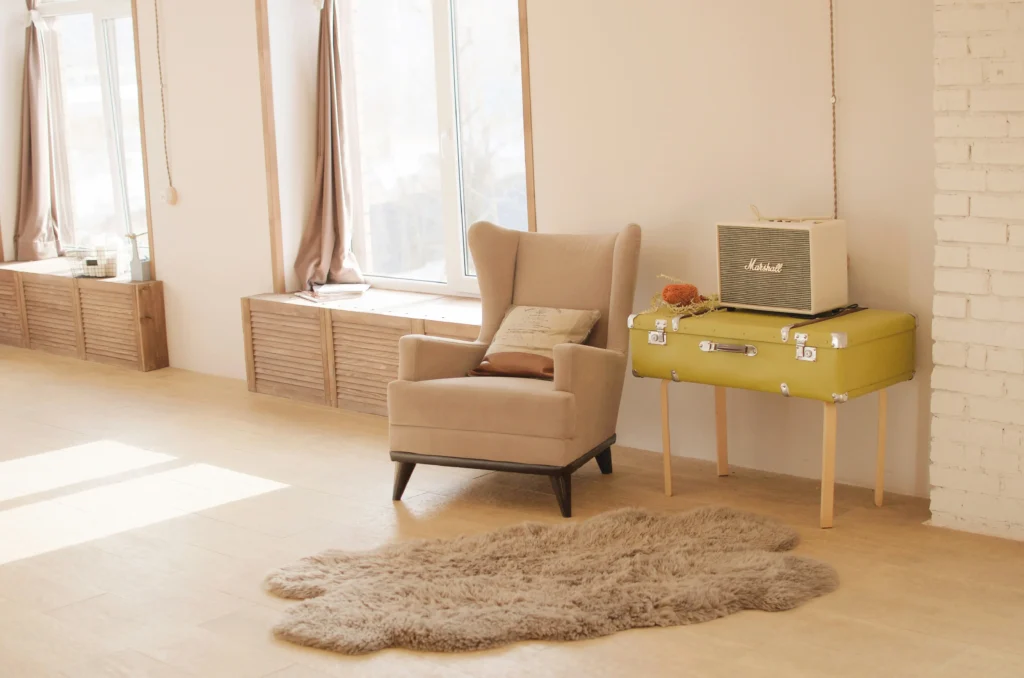
Minimalist decor helps small spaces by:
- Reducing visual clutter
- Making rooms feel more open and breathable
- Improving functionality
- Creating a calm, stress-free environment
Instead of filling every corner, minimalism allows your space to work smarter, not harder.
Start With Decluttering (The Foundation of Minimalist Living)
Before decorating, the most important step is decluttering. You can’t decorate your way out of clutter but once things are simplified, decorating becomes easy and enjoyable.
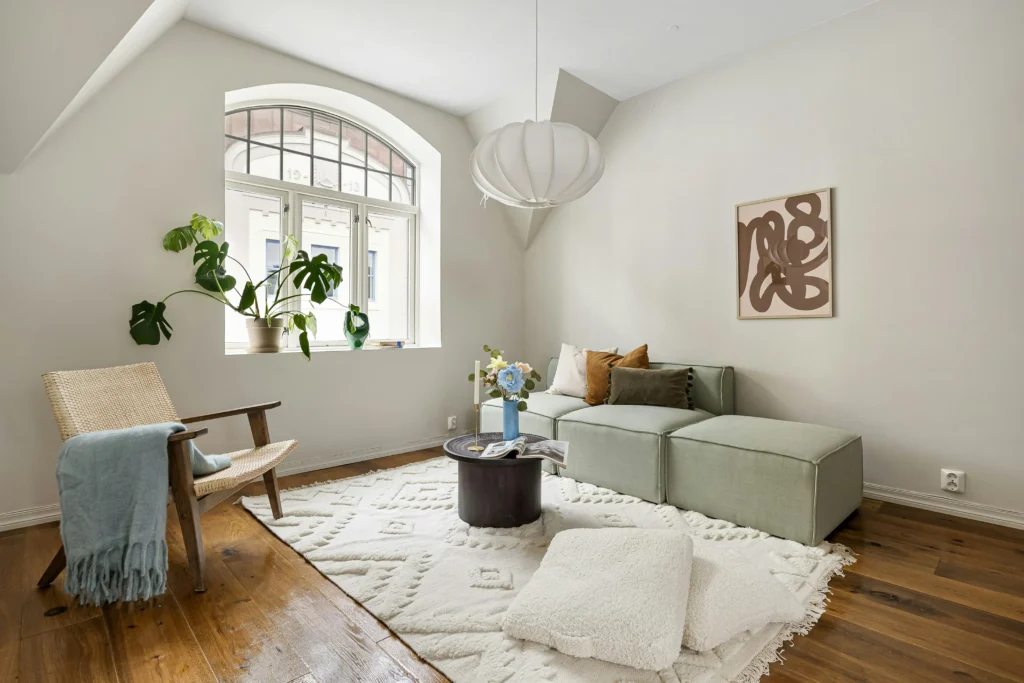
Decluttering Tips for Small Homes
- Keep only items you use or love
- Remove duplicates (extra bowls, pillows, decor)
- Clear surfaces first: tables, counters, shelves
- Store seasonal items out of sight
Decluttering instantly makes a small space feel larger and more peaceful, even before you add decor.
Choose a Soft Neutral Color Palette
Color plays a huge role in how spacious a room feels. For minimalist small spaces, neutral tones work best.
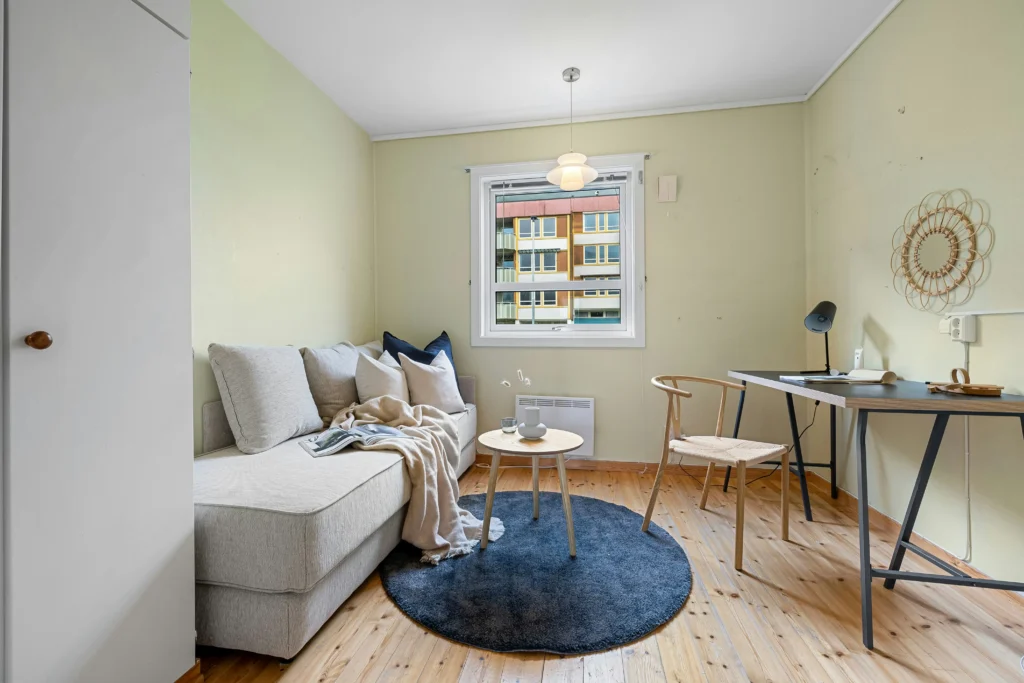
Best Colors for Small Minimalist Homes
- Warm whites
- Soft beige
- Light greige
- Muted taupe
- Pale gray with warm undertones
These shades reflect light and create continuity, making rooms feel open and cohesive instead of boxed in.
Tip: Stick to one main color and 1–2 supporting shades throughout your home for a seamless look.
Use Furniture That Does More Than One Job
In small spaces, every piece of furniture should earn its place. Multifunctional furniture is a minimalist’s best friend.
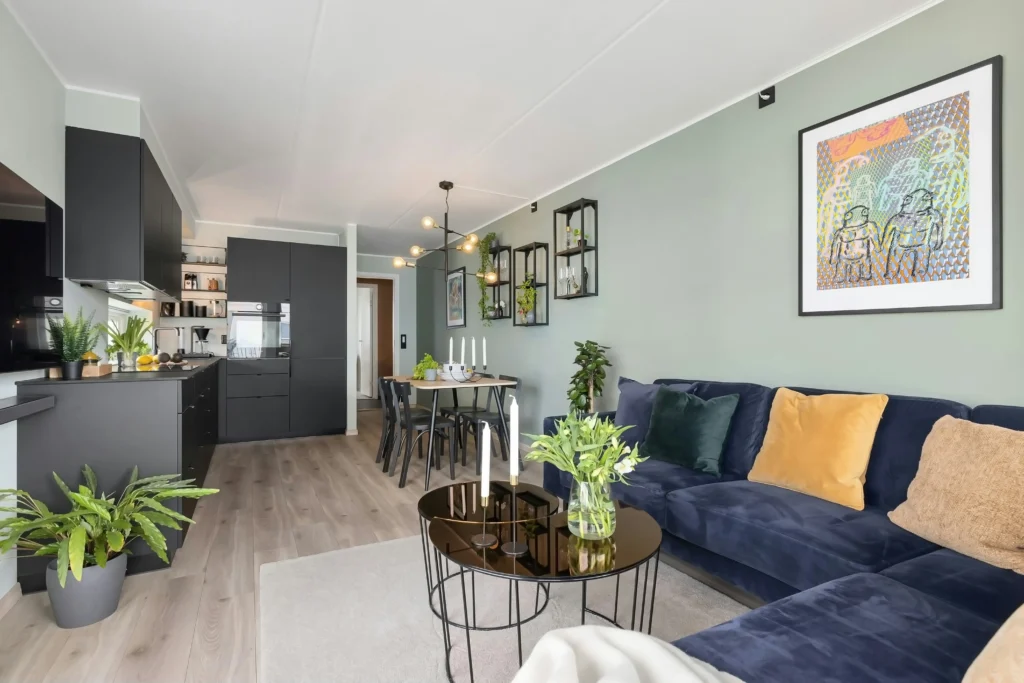
Smart Furniture Ideas
- Storage ottomans
- Beds with built in drawers
- Nesting tables instead of bulky coffee tables
- Foldable dining tables
- Benches with hidden storage
This approach keeps your home organized while avoiding visual overload.
Keep Layouts Simple and Open
Crowded layouts make small spaces feel tight. Minimalist decor focuses on clear pathways and breathing room.
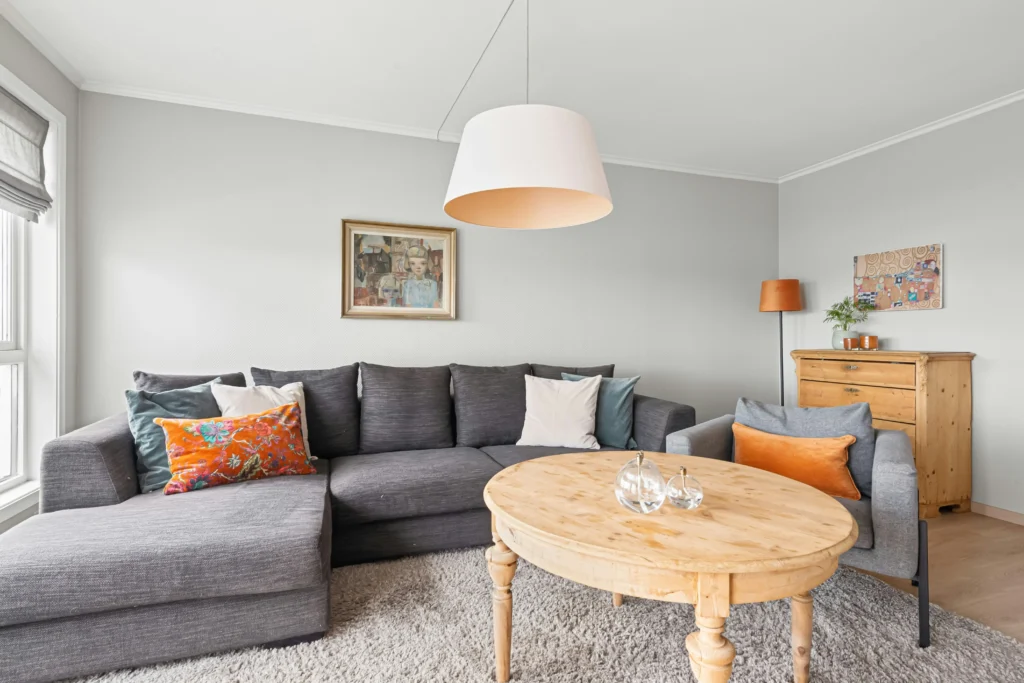
Layout Tips
- Avoid pushing too much furniture against walls
- Leave some negative space
- Choose fewer, better pieces instead of many small ones
- Let furniture “float” when possible
An open layout instantly improves both flow and comfort.
Decorate With Intention Not Quantity
Minimalist decor doesn’t mean no decor it means intentional decor. Instead of filling every surface, choose a few meaningful or visually calming pieces.
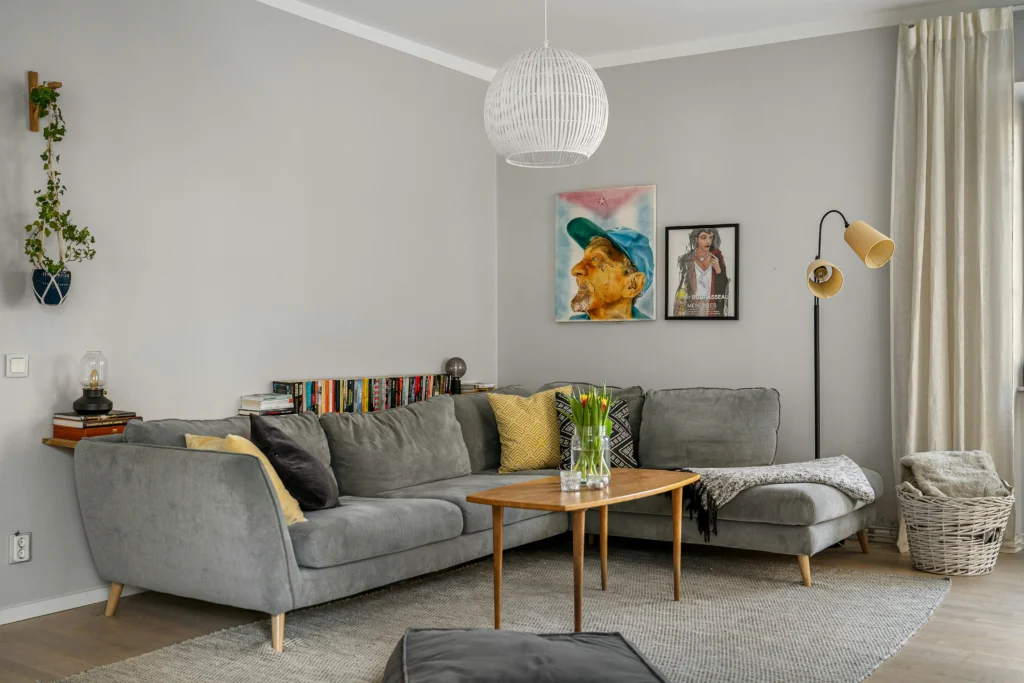
Minimal Decor Ideas
- One statement art piece instead of a gallery wall
- A single ceramic vase with dried stems
- A small stack of neutral books
- One textured throw or pillow
Each item should add beauty or function ideally both.
Wall Decor That Doesn’t Overwhelm
Walls in small spaces should feel light and balanced, not busy.
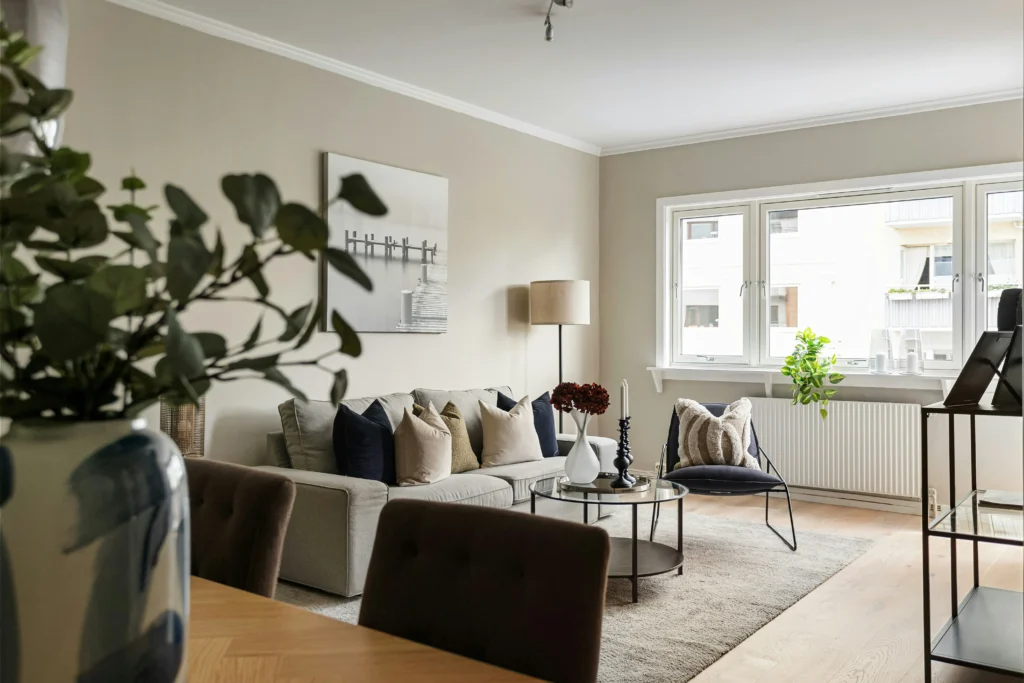
Minimalist Wall Decor Ideas
- One large neutral artwork
- Floating shelves with lots of space between items
- Simple framed line art
- Wall mirrors to reflect light
Mirrors are especially effective in small apartments, helping rooms feel brighter and more open.
Storage That Blends Into Your Decor
Good storage is essential for everyday minimalist living. The key is choosing storage that doesn’t look bulky or messy.
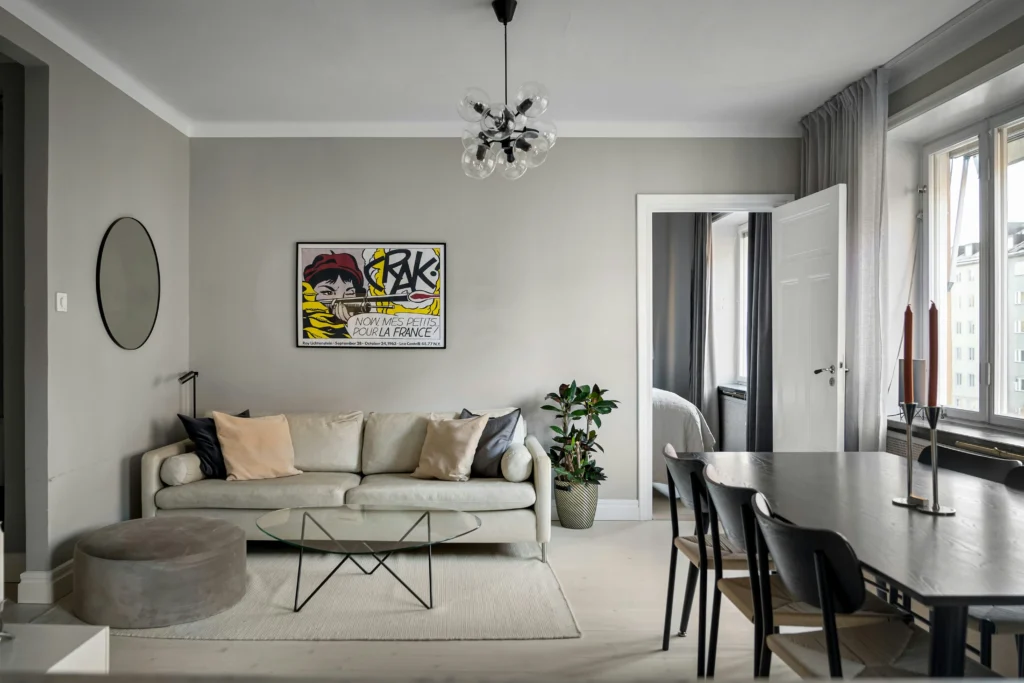
Minimalist Storage Solutions
- Closed cabinets over open shelving
- Baskets in neutral materials
- Storage boxes that match your color palette
- Vertical storage to save floor space
When storage blends into your decor, your home feels calm even on busy days.
Add Warmth With Texture Not Clutter
Minimalist spaces can sometimes feel cold but texture fixes that instantly.
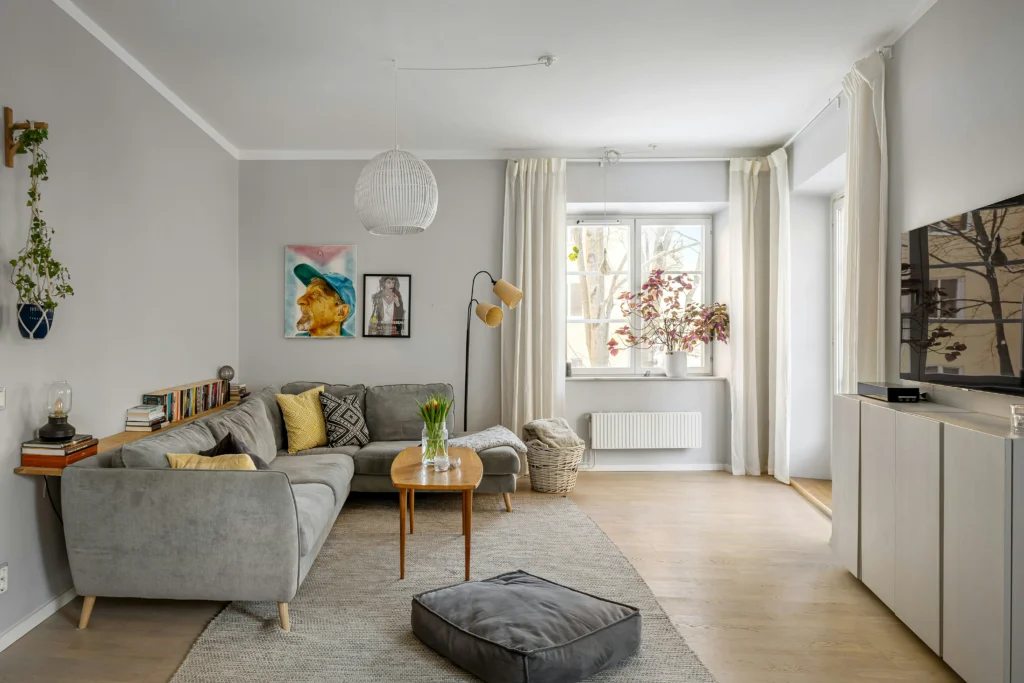
Easy Ways to Add Warmth
- Linen curtains
- Soft area rugs
- Knit or cotton throws
- Wooden accents
- Ceramic or clay decor
Texture adds depth without adding visual noise.
Lighting Makes a Huge Difference
Good lighting can completely change how a small space feels.
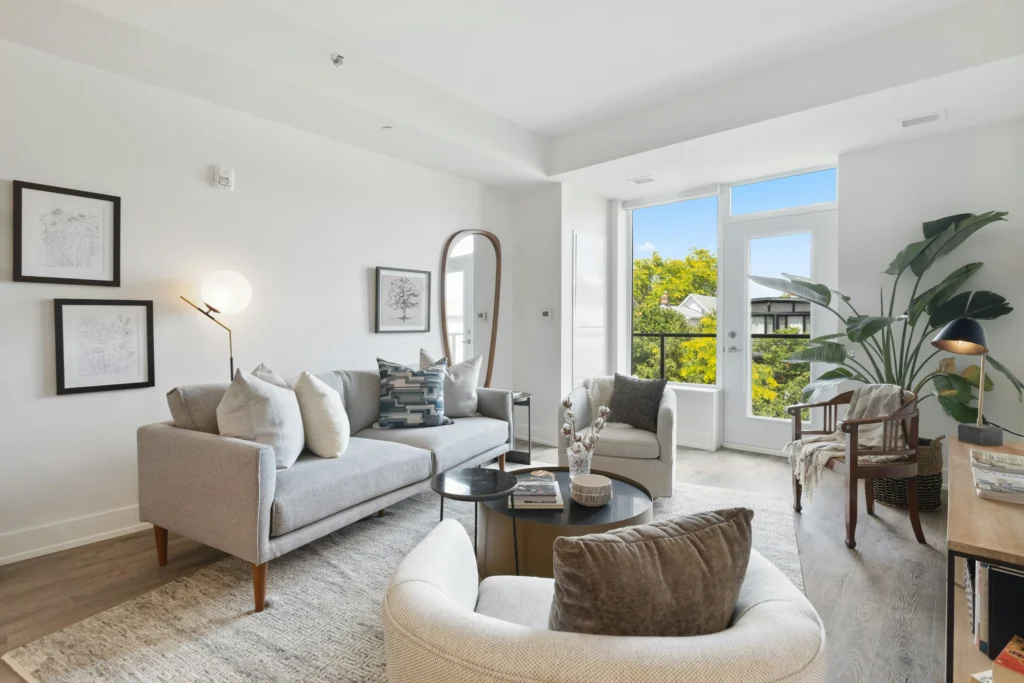
Minimalist Lighting Tips
- Use warm light bulbs
- Layer lighting (ceiling + lamp + accent)
- Choose simple lamp designs
- Avoid oversized fixtures
Soft, warm lighting makes minimalist homes feel cozy and inviting.
Create Zones in Open Small Spaces
If you live in a studio or small apartment, zoning is key.
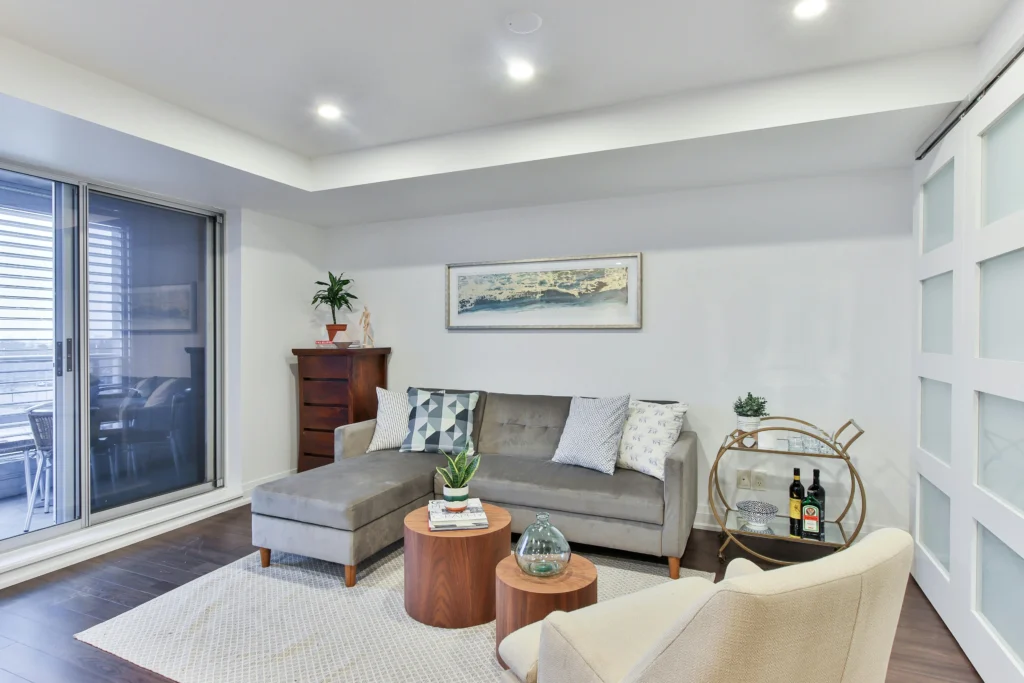
How to Create Zones
- Use rugs to define areas
- Position furniture intentionally
- Use shelving as subtle dividers
- Change lighting for each zone
Zoning helps your home feel organized and purposeful, even without walls.
Everyday Habits That Keep Your Space Minimal
Minimalist decor works best when supported by simple habits.
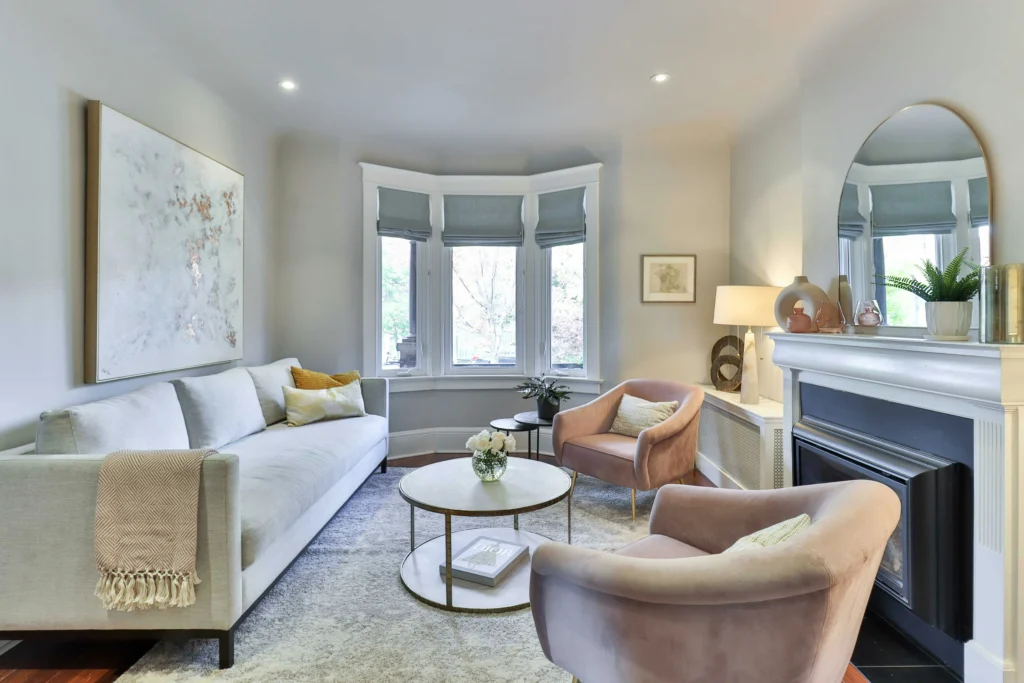
Easy Daily Habits
- Clear surfaces every night
- Put items back immediately
- Limit impulse decor purchases
- Do a weekly mini-declutter
These habits help your home stay calm and clutter free long term.


