

Minimalist Living Room Ideas That Feel Warm and Inviting
Minimalism doesn’t have to feel cold, empty, or boring. In fact, some of the most welcoming living rooms today follow minimalist principles just with warmth layered in thoughtfully. A warm minimalist living room balances simplicity, comfort, and personality, creating a space that feels calm and lived in.
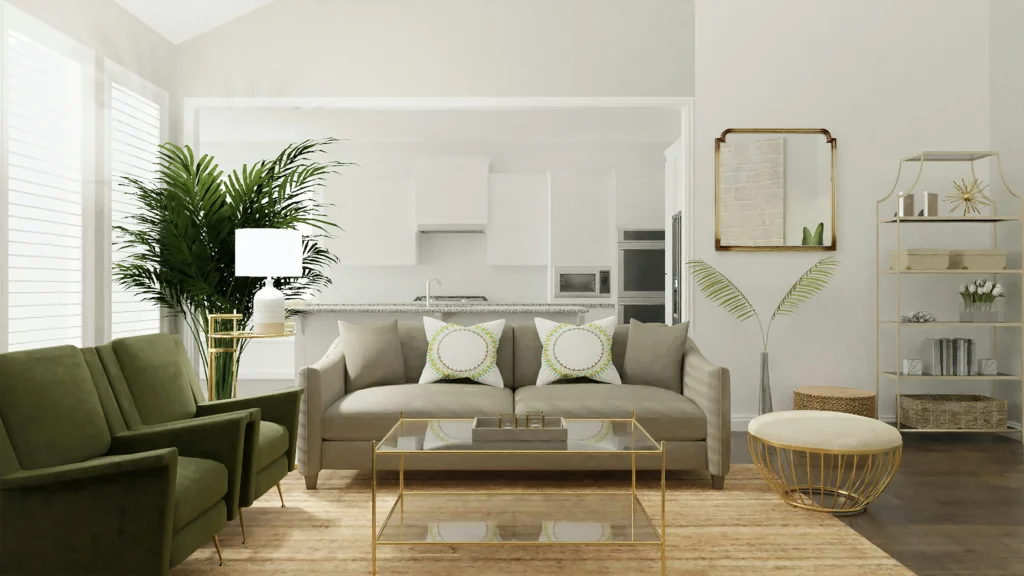
If you love clean spaces but still want your living room to feel cozy, relaxed, and inviting for everyday life, this guide is for you. Below, you’ll find practical, realistic ideas that work for apartments, small homes, and modern houses alike without requiring expensive decor or constant restyling.
What Makes a Minimalist Living Room Feel Warm?
Before decorating, it helps to understand what “warm minimalism” actually means.
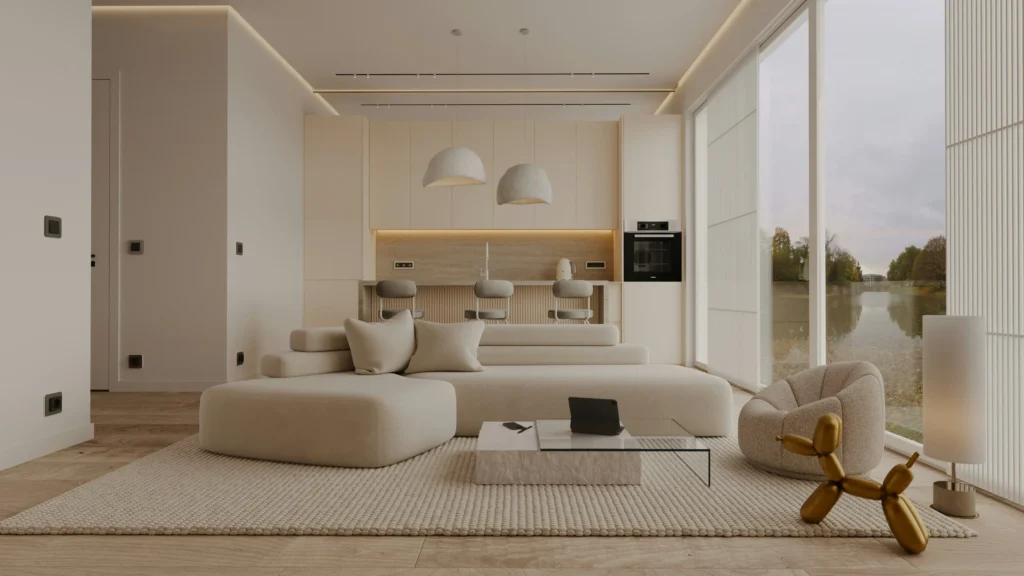
Warm minimalism focuses on:
- Soft, neutral colors instead of stark whites
- Natural textures like wood, linen, and wool
- Fewer items, but more meaningful ones
- Comfortable furniture that invites you to sit and stay
Instead of decorating to impress, warm minimalist spaces are designed to support real living.
Choose a Warm Neutral Color Palette
Go Beyond Plain White Walls
Pure white can sometimes feel harsh or sterile. Warm minimalist living rooms often use:
- Cream
- Soft beige
- Greige
- Warm taupe
- Light clay or sand tones
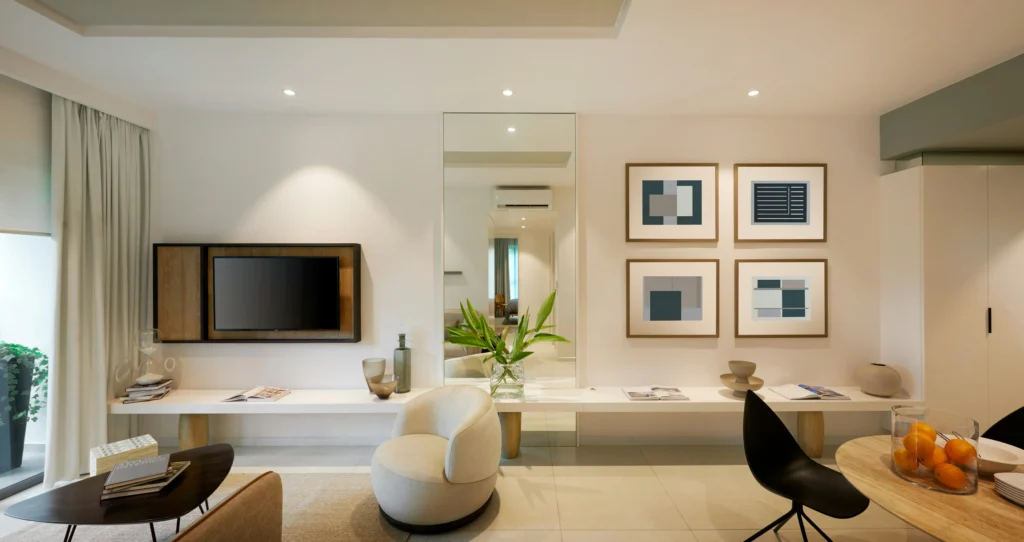
These shades still feel light and clean but add softness and depth to the room.
Layer Similar Tones for Depth
Rather than contrasting colors, layer different shades of the same color family. For example:
- Beige walls
- Slightly darker sofa upholstery
- Soft off-white curtains
- Warm wood furniture
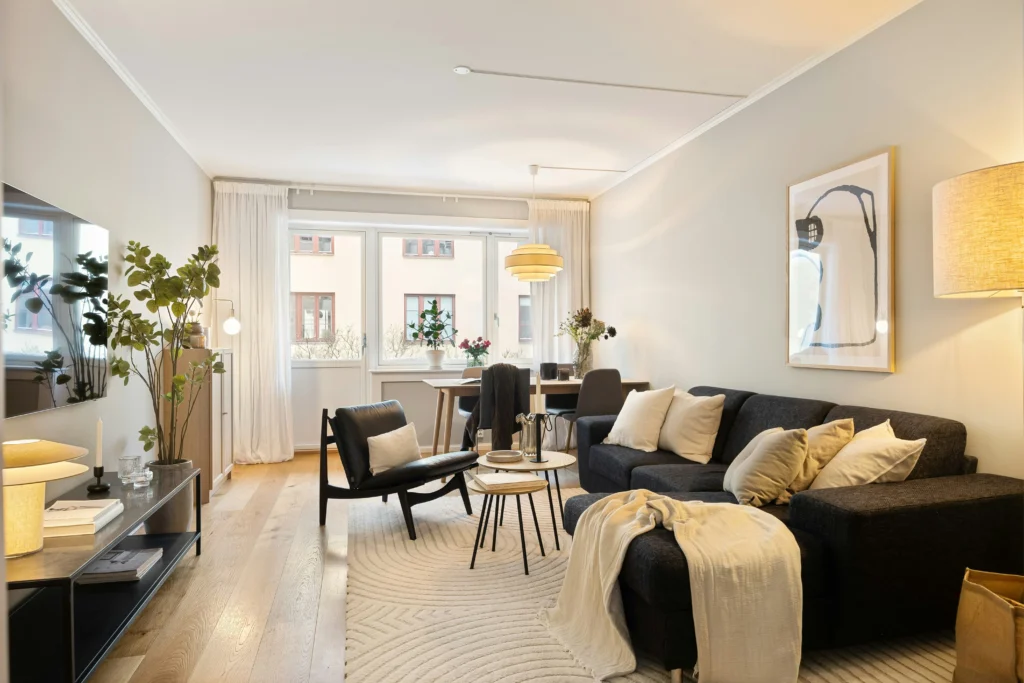
This creates visual interest without clutter.
Pick a Sofa That Looks Simple but Feels Cozy
Let the Sofa Set the Mood
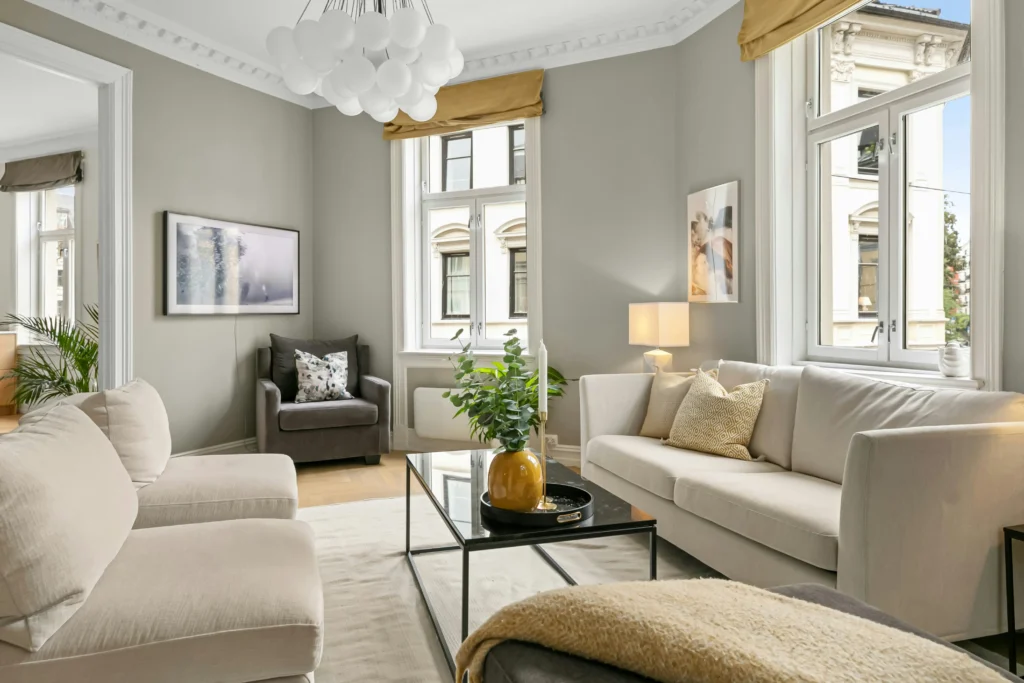
In minimalist living rooms, the sofa often becomes the focal point. Choose one that feels:
- Comfortable
- Soft edged
- Neutral but not boring
Great fabric choices include:
- Linen blends
- Soft cotton
- Textured upholstery
Avoid stiff shapes or ultra sleek designs if warmth is your goal.
Use Throw Pillows Sparingly
Stick to 2–4 pillows max, focusing on:
- Texture over pattern
- Neutral shades with slight variation
- Natural fabrics
This keeps the sofa styled but relaxed.
Add Texture Instead of More Decor
Why Texture Matters in Minimalist Spaces
When you remove clutter, texture becomes essential. It adds warmth without visual noise.
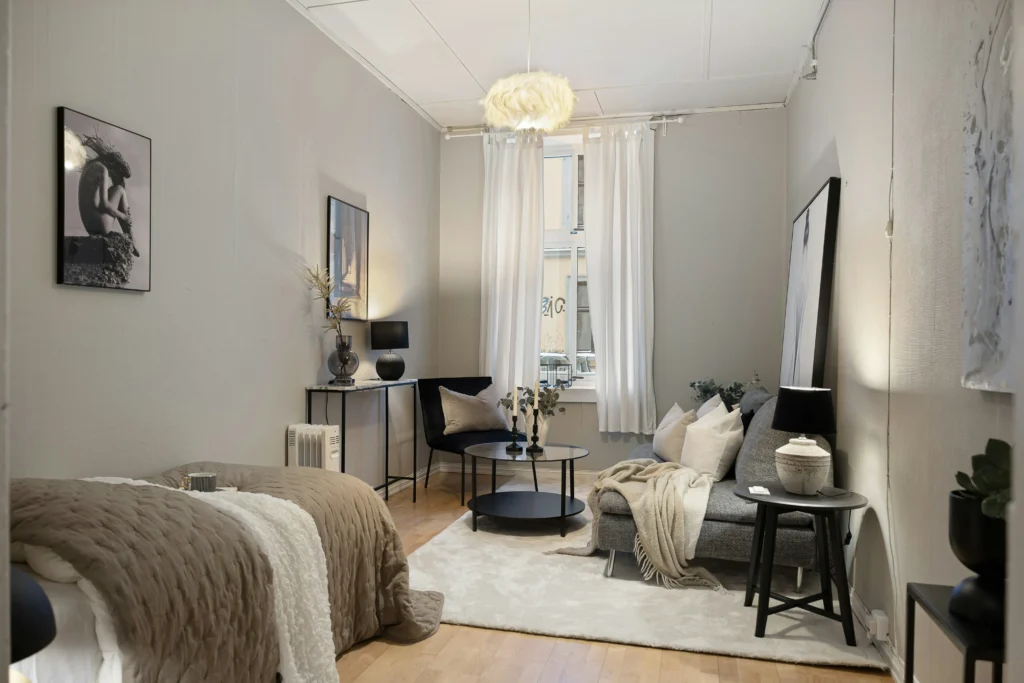
Simple ways to add texture:
- A chunky knit throw
- A woven basket
- A wool or cotton area rug
- A linen curtain
Each piece adds comfort while keeping the space clean.
Mix Textures Thoughtfully
Combine smooth and rough elements:
- Soft sofa + wooden coffee table
- Linen curtains + ceramic decor
- Flat surfaces + woven accessories
This contrast keeps the room from feeling flat.
Use Natural Materials Wherever Possible
Wood Brings Instant Warmth
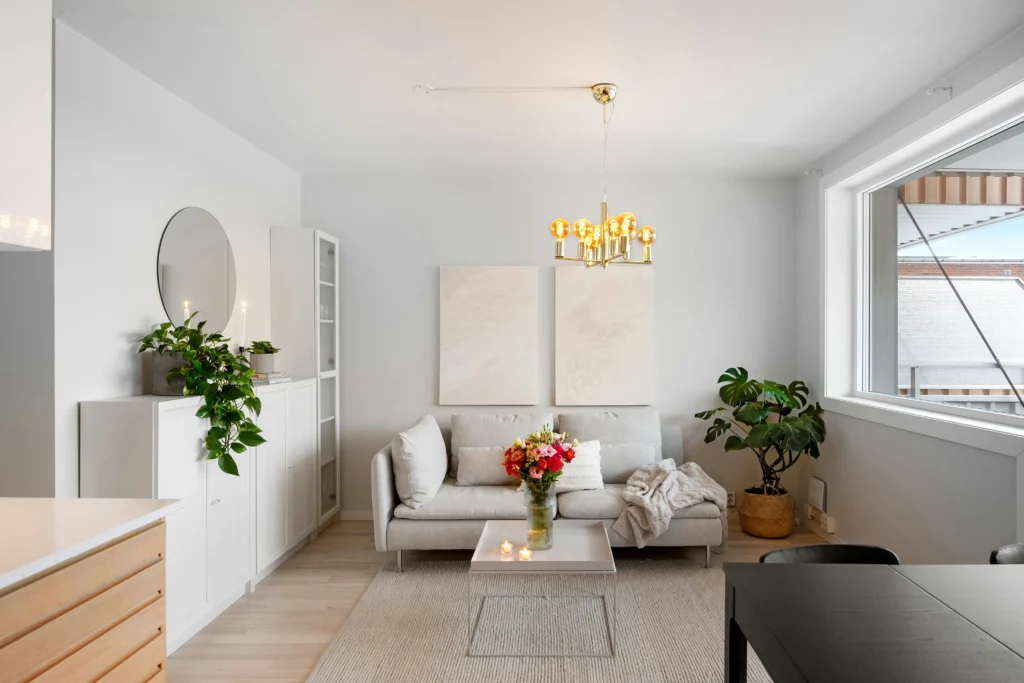
Even one wooden element can soften a minimalist room. Consider:
- A wooden coffee table
- Floating wooden shelves
- Side tables with visible grain
Light to medium wood tones work especially well in warm minimalist spaces.
Stone Clay and Ceramic Accents
Instead of shiny metals, opt for:
- Matte ceramic vases
- Stone coasters
- Clay planters
These materials feel grounded and timeless.
Keep the Layout Open and Breathable
Let Furniture Breathe
Avoid pushing too many pieces into the room. Leave negative space so each item feels intentional.
Helpful layout tips:
- Float furniture slightly away from walls
- Keep walking paths clear
- Avoid blocking windows
Open space is a key part of minimalist warmth it gives the room room to relax.
Choose Fewer Better Pieces
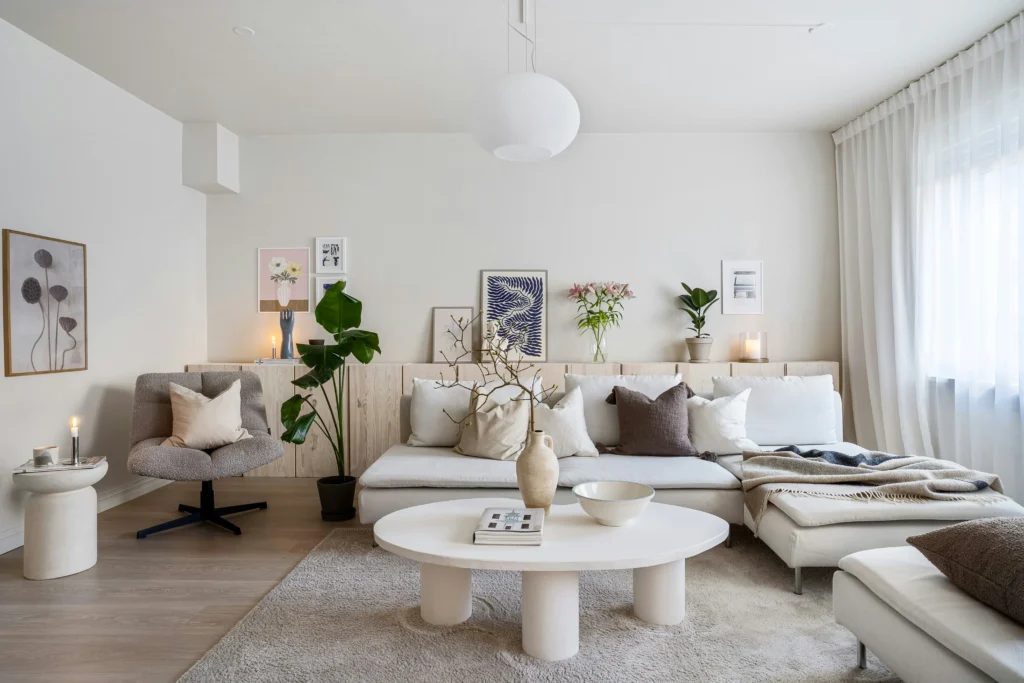
One wellchosen chair is better than three average ones. Focus on:
- Function
- Comfort
- Visual calm
Use Lighting to Create a Cozy Atmosphere
Avoid Harsh Overhead Lighting
Overhead lights alone can make a space feel cold. Instead, layer lighting:
- Table lamps
- Floor lamps
- Soft wall lights
Warm bulbs (2700K–3000K) are essential.
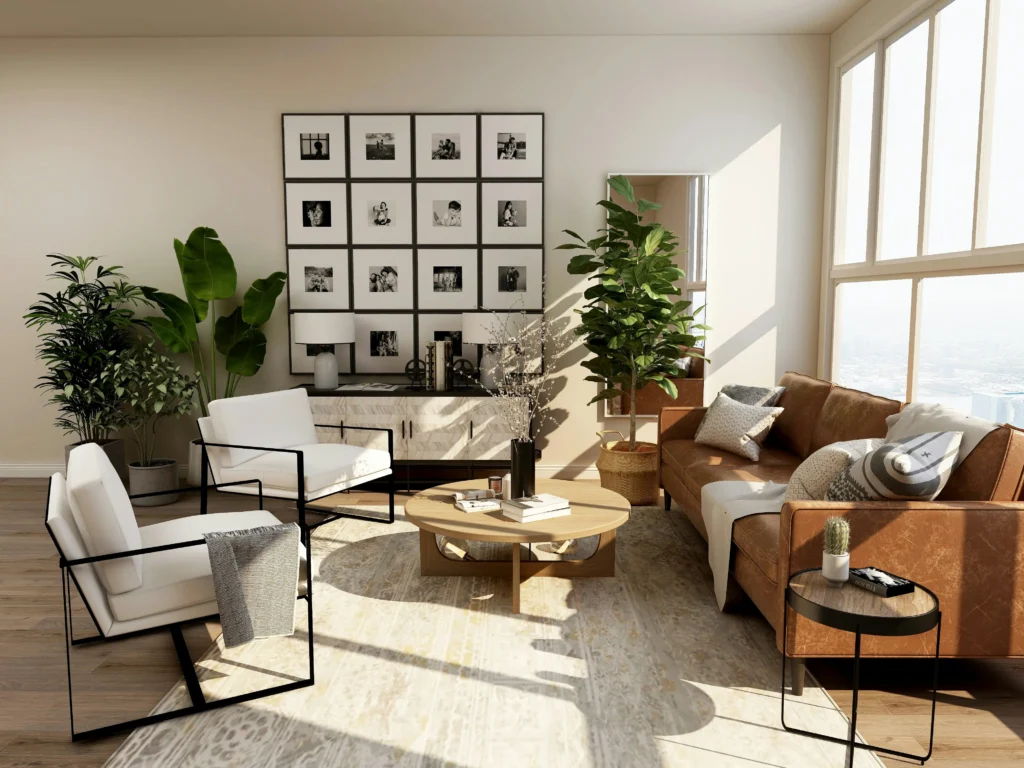
Lamps as Decor
Choose lamps with:
- Fabric shades
- Rounded shapes
- Neutral or earthy bases
They add both function and style without clutter.
Add Life with Simple Greenery
Plants Soften Minimalist Rooms
You don’t need a jungle. One or two plants can completely change the feel of a space.
Easy options:
- Snake plant
- Olive tree (faux or real)
- Pothos
- Rubber plant
Keep planters neutral and simple.
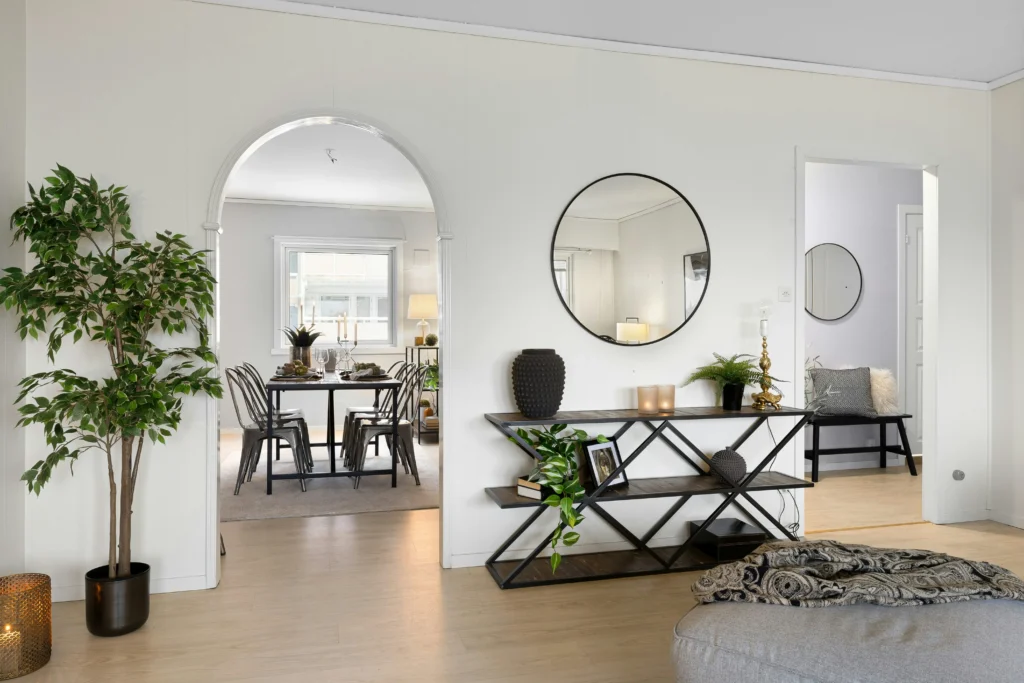
Keep It Balanced
Too many plants can overwhelm a minimalist space. Think intentional placement, not filling corners.
Style Shelves with Purpose
Less Styling More Meaning
If you have shelves, style them lightly:
- A stack of books
- One sculptural object
- A small plant
Avoid filling every inch.
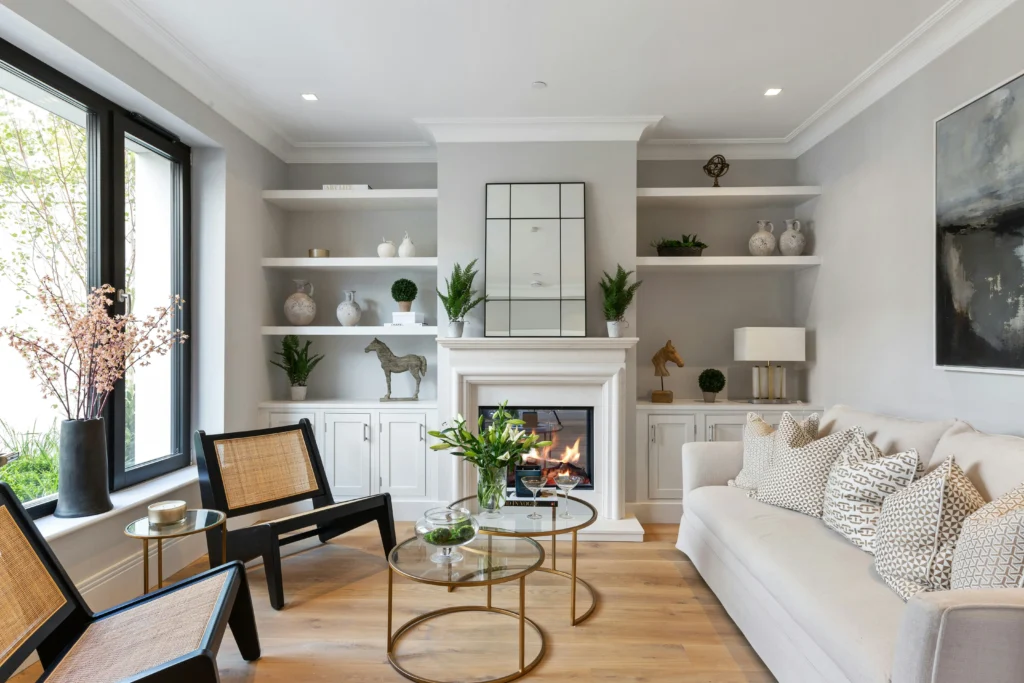
Follow the Rule of Three
Groups of three items feel balanced and calm. Vary heights and textures for interest.
Use Rugs to Anchor the Space
Choose Soft Neutral Rugs
Rugs help define the living room and add warmth underfoot. Look for:
- Wool or wool blend rugs
- Subtle patterns
- Neutral tones
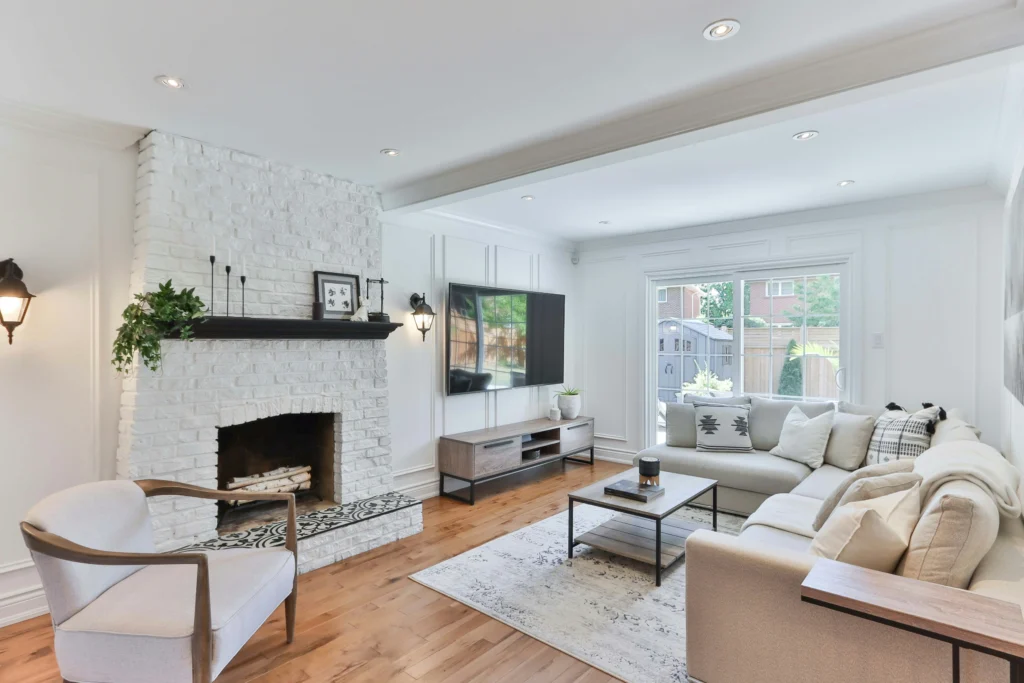
Avoid busy designs that compete with the minimalist look.
Size Matters
A rug that’s too small can make the room feel disconnected. Make sure at least the front legs of your sofa sit on the rug.
Add Personal Touches (But Be Selective)
Warm Minimalism Still Needs Personality
Your living room should feel like you, not a showroom.
Consider adding:
- One framed photo
- A favorite book
- A meaningful object
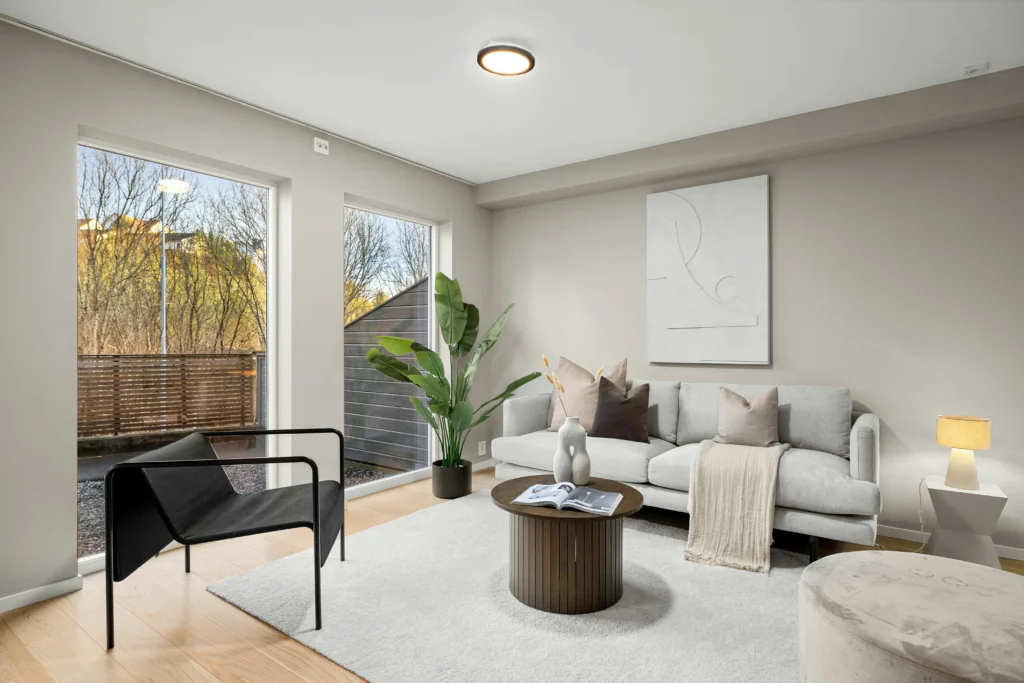
The key is editing, not eliminating personality.
Keep Decor Practical for Everyday Living
Minimalism Should Be Livable
A warm minimalist living room supports daily life:
- Storage baskets for throws
- Trays to organize remotes
- Furniture that’s easy to clean
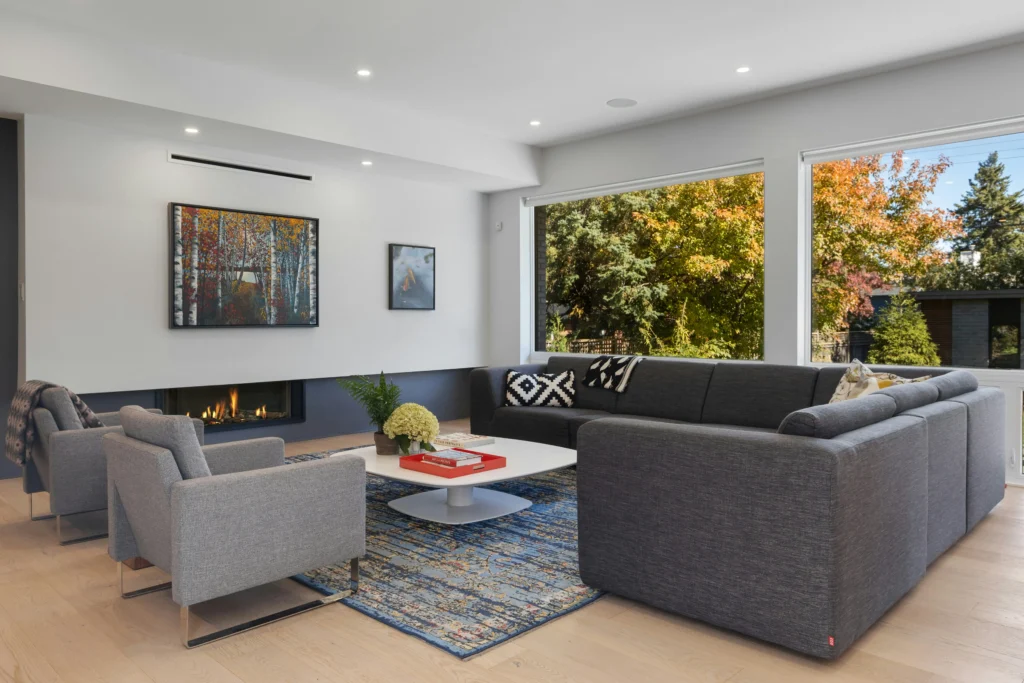
Practical choices keep the space calm long term.
How to Maintain a Warm Minimalist Living Room
Simple Habits Matter
- Put things back daily
- Edit decor seasonally
- Avoid impulse decor purchases
Minimalism is less about perfection and more about intentional living.


