

Living Room Layouts That Just Work | Pure Zen Decor
Designing a living room layout can feel surprisingly challenging especially when you want the space to look inviting, feel open, and function well for everyday life. The good news? You don’t need an interior design degree or a massive budget to make your layout flow beautifully. What you do need is a few smart principles and the right placement ideas.
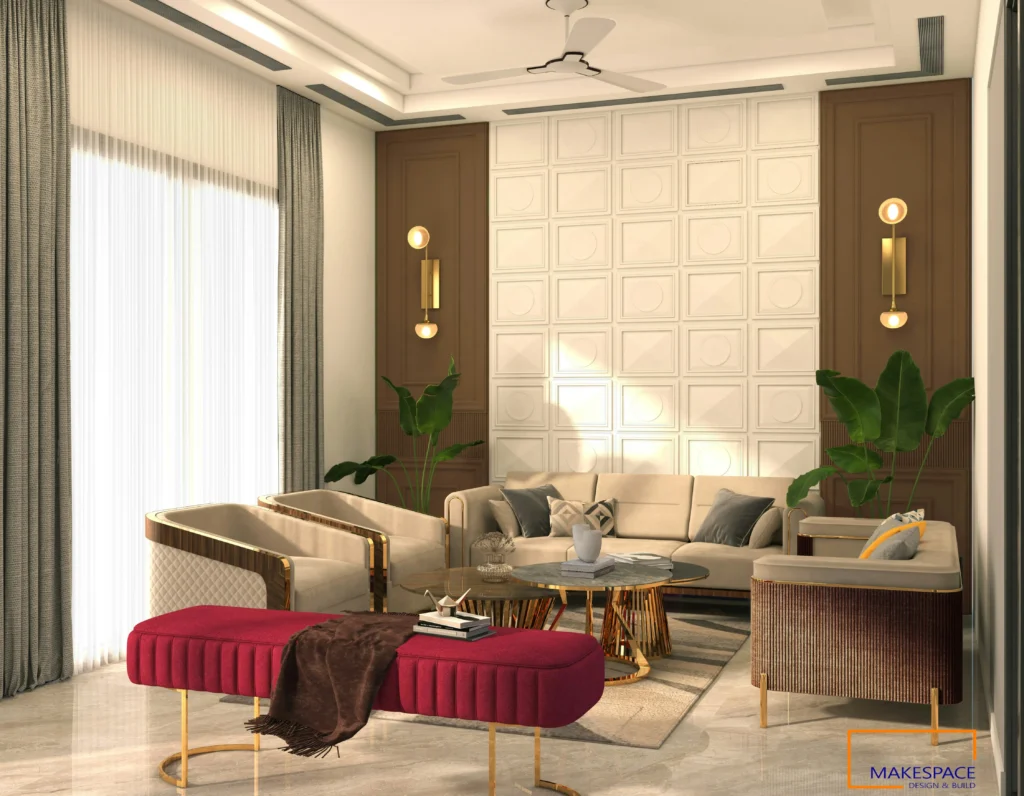
In this article, you’ll find practical, stylish, and easy to apply layout strategies that make any living room (big or small) instantly feel better. Whether you’re working with an awkward corner, a long narrow room, or an open-plan space, these layout ideas simply work.
Start by Defining the Main Purpose of the Room
Every great layout starts with clarity. Ask yourself: what do I use this room for the most?
If your living room is mainly for relaxing after a long day, your layout should prioritize comfort. If you entertain often, seating flow becomes more important. And if you live in a small apartment, your layout might need to multitask.
Consider these common living room goals:
- Cozy lounging and watching TV
- Hosting guests
- Kids play area and family time
- A mix of work + relaxation
- Minimalist spaces with open flow
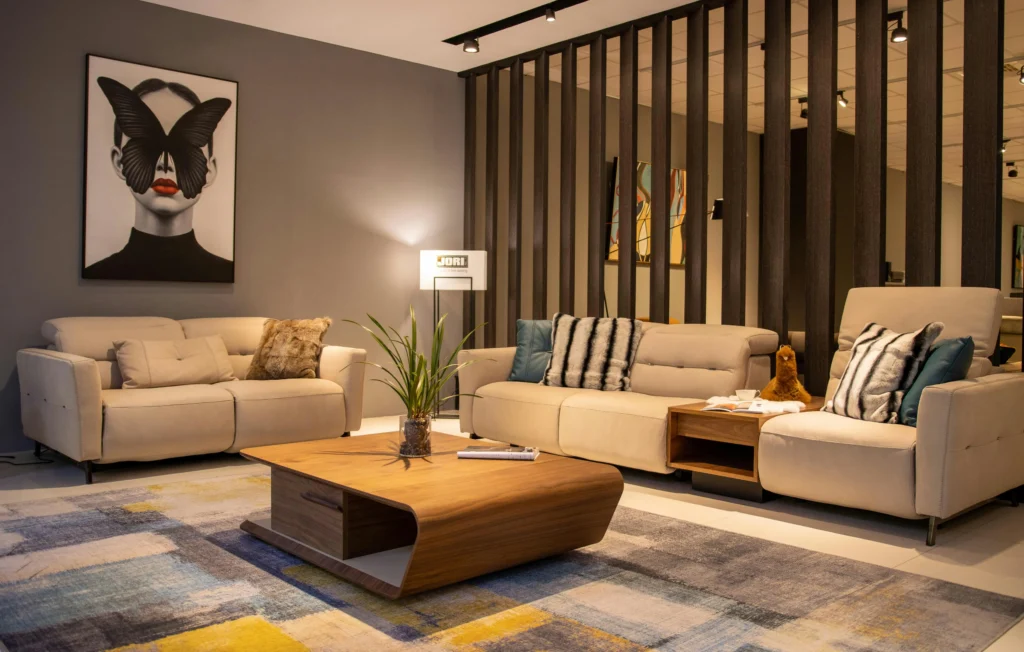
When you know your primary function, creating a layout becomes 10x easier.
Find the Natural Focal Point (It Matters More Than You Think)
A strong focal point anchors your entire layout. Without one, the room feels messy or confusing even if it’s beautifully decorated.
Common focal points include:
- A large window or view
- A fireplace
- The TV wall
- A gallery wall or statement art
- A standout piece of furniture
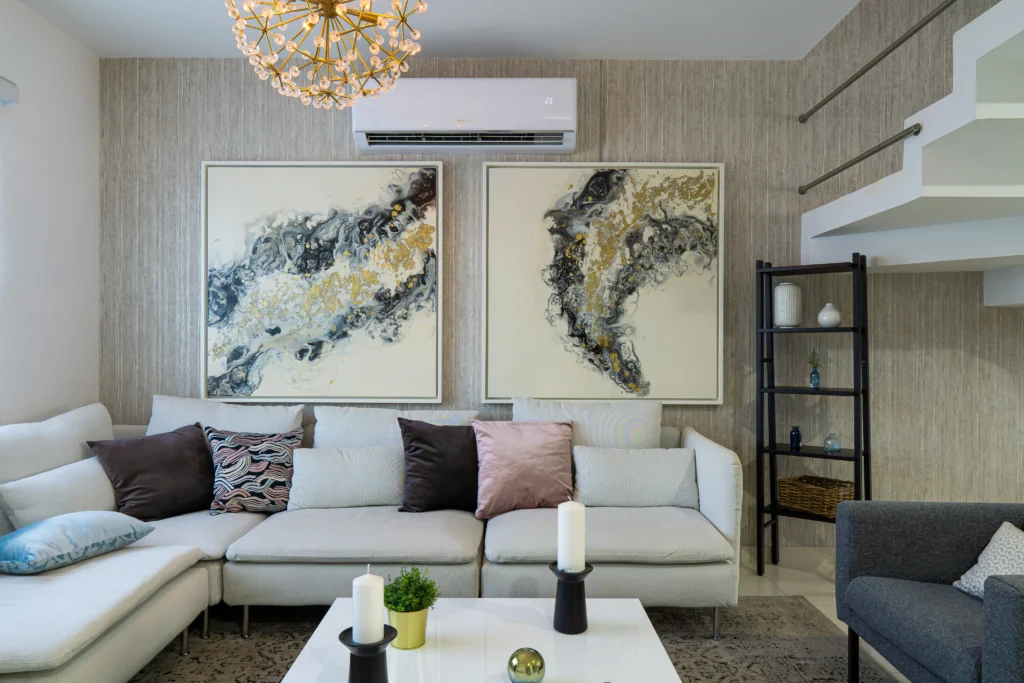
Once you pick your focal point, orient your main seating toward it. This simple step instantly brings order and balance.
Choose the Right Sofa Placement First
The sofa is the largest piece of furniture in the room meaning it sets the tone for the entire layout.
Start by placing the sofa in a position that:
- Faces your focal point
- Doesn’t block the walkway
- Allows conversation flow
- Feels visually balance
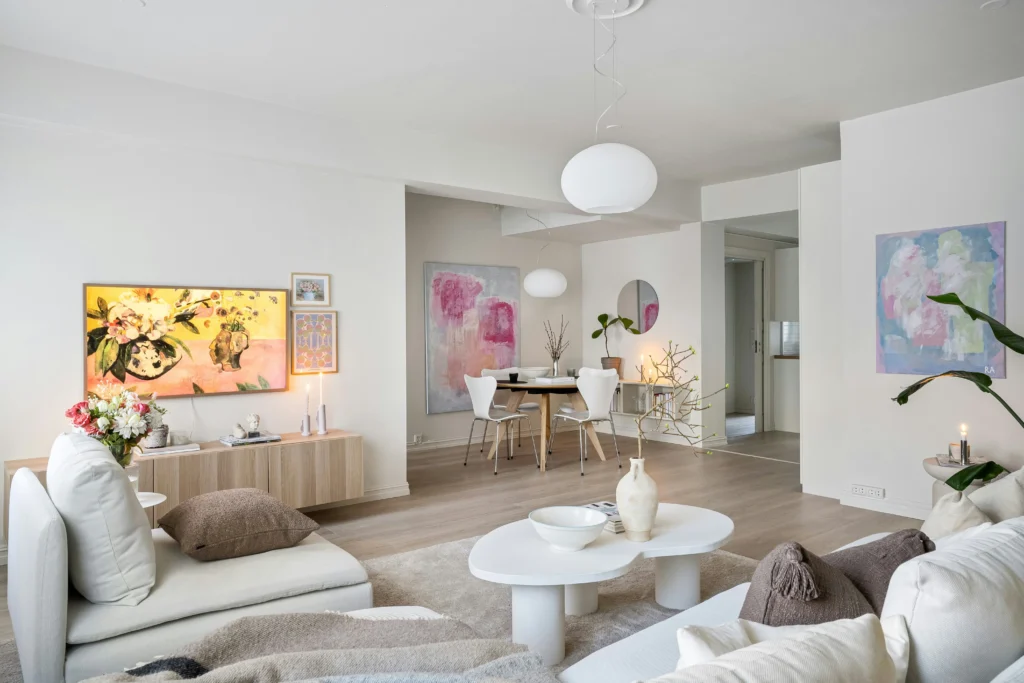
Best Sofa Placement Ideas
- Centered against the longest wall: great for small rooms
- Floating in the middle: perfect for open concept spaces
- L shaped against a corner: creates a cozy nook
Once your sofa is placed well, the rest of the room naturally falls into place.
Add Secondary Seating for Conversation Flow
A living room works best when people can sit comfortably and talk without turning awkwardly. This is where accent chairs, poufs, and small benches come in.
Think about:
- Adding a chair angled toward the sofa
- Using two matching chairs for balance
- Bringing in a stool or ottoman for flexible seating
- Swapping bulky chairs for armless styles in small rooms
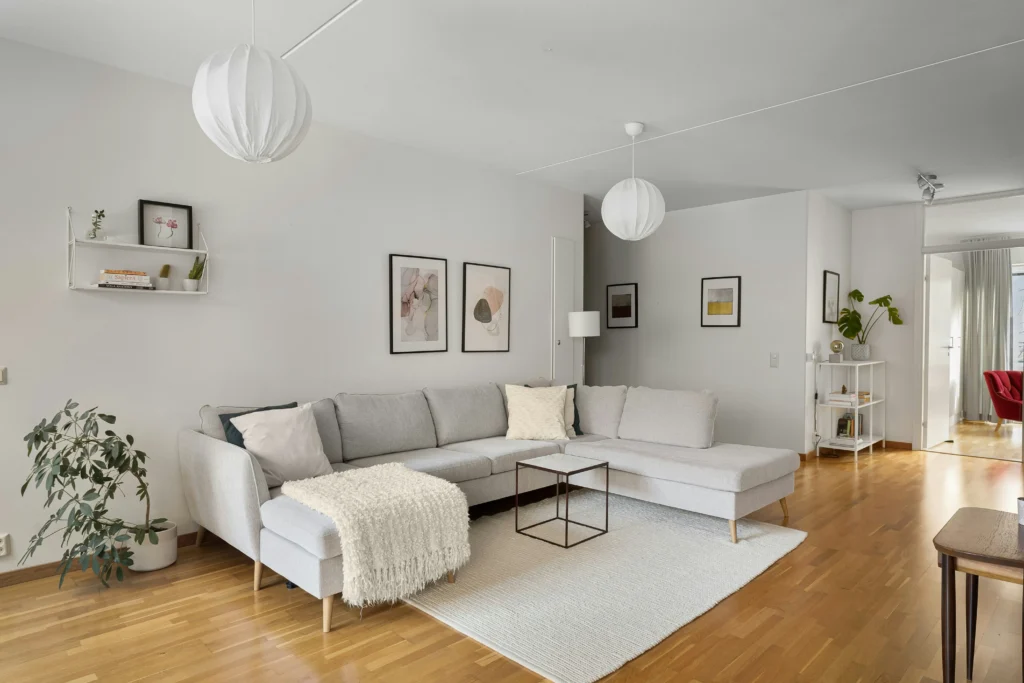
Tip: Always leave at least 2–3 feet of space for walking paths.
Don’t Push All Furniture Against the Walls
This is one of the biggest layout mistakes especially in smaller spaces.
When everything is pushed to the edges, the room actually feels smaller and less inviting.
Instead:
- Bring the sofa a few inches off the wall
- Float a chair or small table in the middle
- Use a rug to define a cozy seating zone
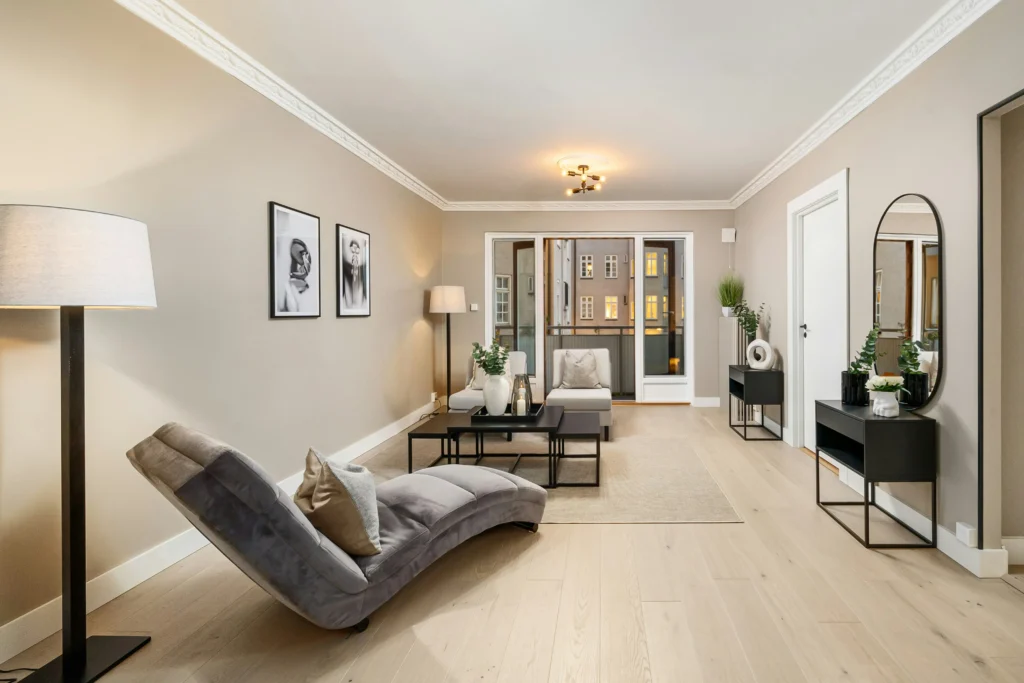
Your living room instantly feels warmer, more intentional, and more high end.
Use Rugs to Define the Space and Add Structure
A rug is more than decoration it’s a layout tool.
A good rug layout rule:
Your sofa and chairs should sit at least partially on the rug.
This creates a grounded, unified seating area.
Choose the right rug size:
- Small room → 5×8 or 6×9
- Medium room → 8×10
- Larger room → 9×12 or 10×14
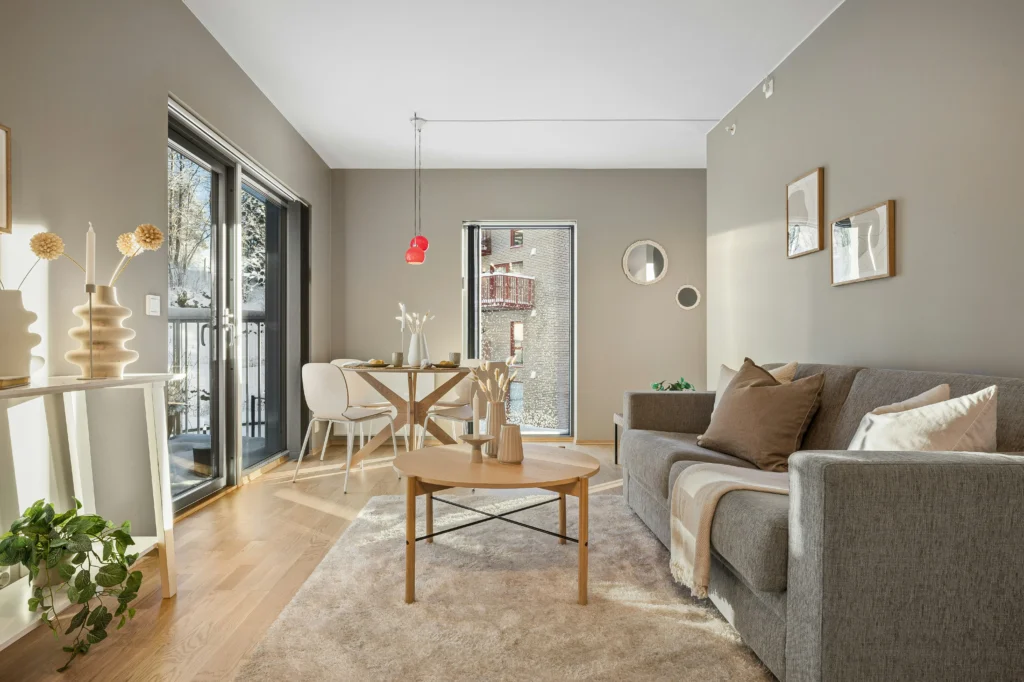
A small rug makes the whole layout feel cramped. Always size up when in doubt.
Create Clear Walkways
A beautiful room isn’t helpful if people can’t move through it easily.
Make sure your layout includes wide, comfortable walk paths.
General walkway guidelines:
- Leave 30–36 inches for main walkways
- Leave 18 inches between the sofa and coffee table
- Avoid placing furniture right in front of entry points
This keeps your living room feeling open and effortless.
Use Multi Functional Furniture in Tight Spaces
If your living room is small, smart furniture choices can completely transform your layout.
Great multifunctional pieces include:
- Ottomans with storage
- Coffee tables with shelves
- Slim nesting tables
- Sofa side C tables
- Foldable stools for extra guests
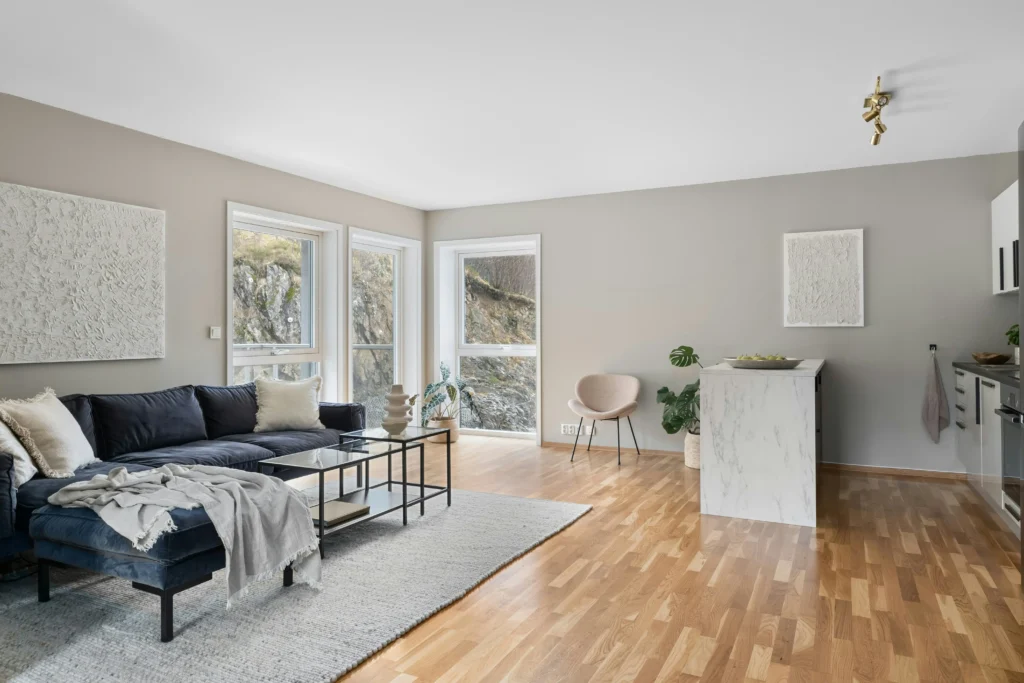
These pieces make your layout flexible without cluttering the room.
Balance the Room with Symmetry (or Intentional Asymmetry)
A balanced room feels instantly calming, and layout plays a big part.
Symmetrical layout examples:
- Sofa + 2 matching chairs
- Chairs on each side of a fireplace
- Matching side tables and lamps
Asymmetrical layout ideas:
- One accent chair + one floor lamp
- Sofa on one side, bookshelf on the other
- A gallery wall balanced by a tall plant
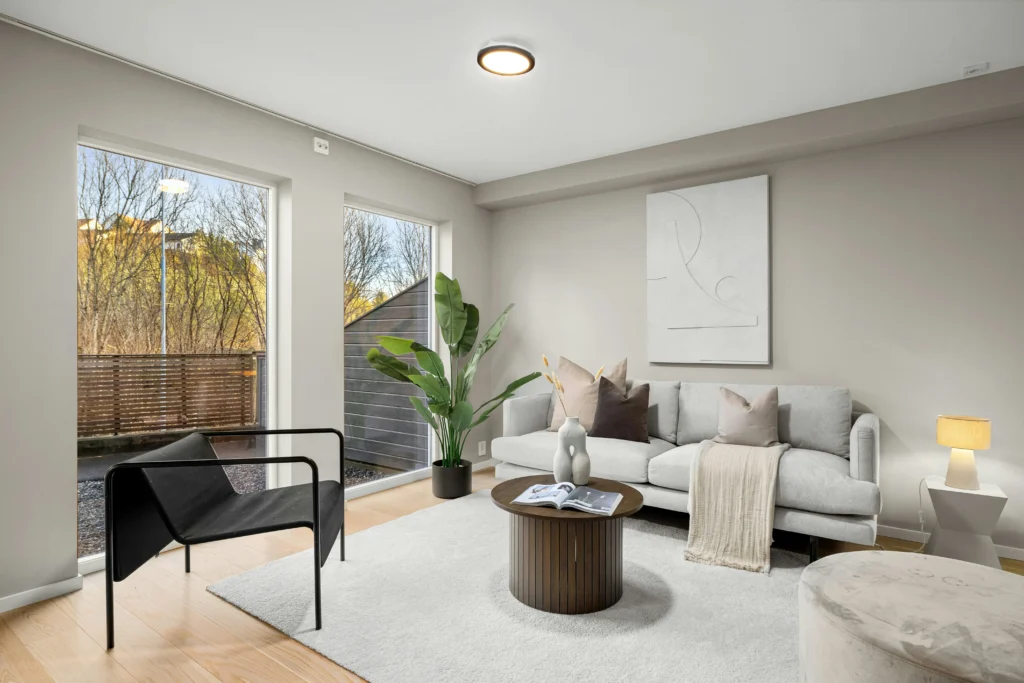
Both styles work what matters is the visual balance.
Use Vertical Space to Open Up the Room
Vertical elements help draw the eye upward, making the room feel taller and more spacious.
This is especially useful in small living rooms.
Try adding:
- Tall bookshelves
- Floor to ceiling curtains
- Vertical art arrangements
- Slim floor lamps
- High mounted mirrors
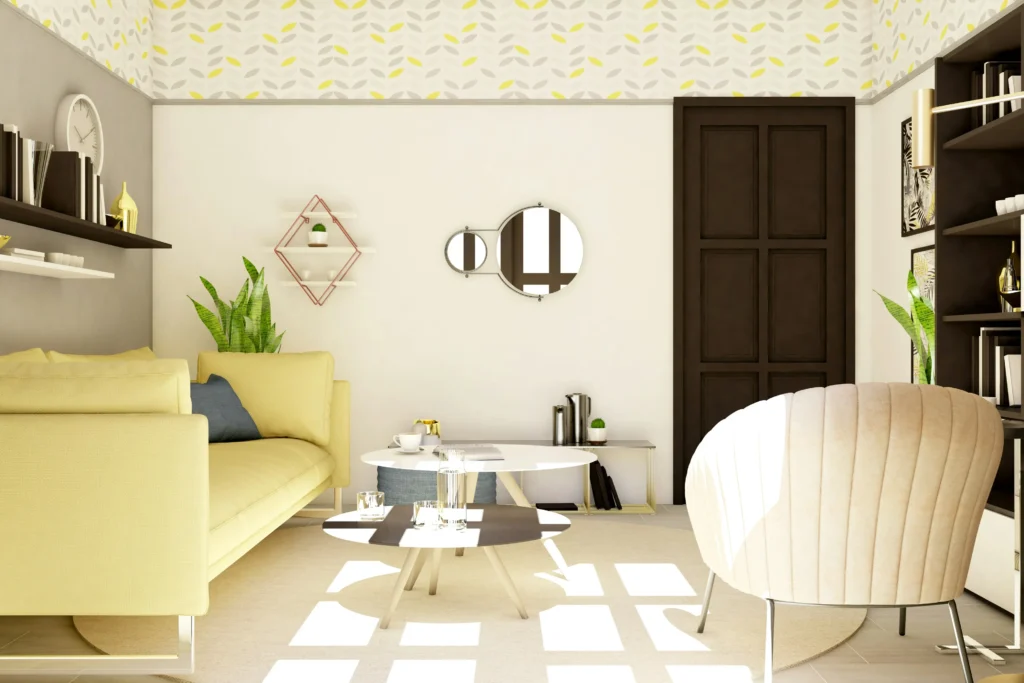
These elements lift the entire layout visually.
Keep Surfaces Clear for a Cleaner Layout
Clutter destroys even the best furniture arrangement.
For your layout to shine, keep surfaces airy and intentional.
Simple surface styling rules:
- Only 2–3 items on each table
- Use trays to group small items
- Hide remotes in drawers
- Keep open shelves lightly styled
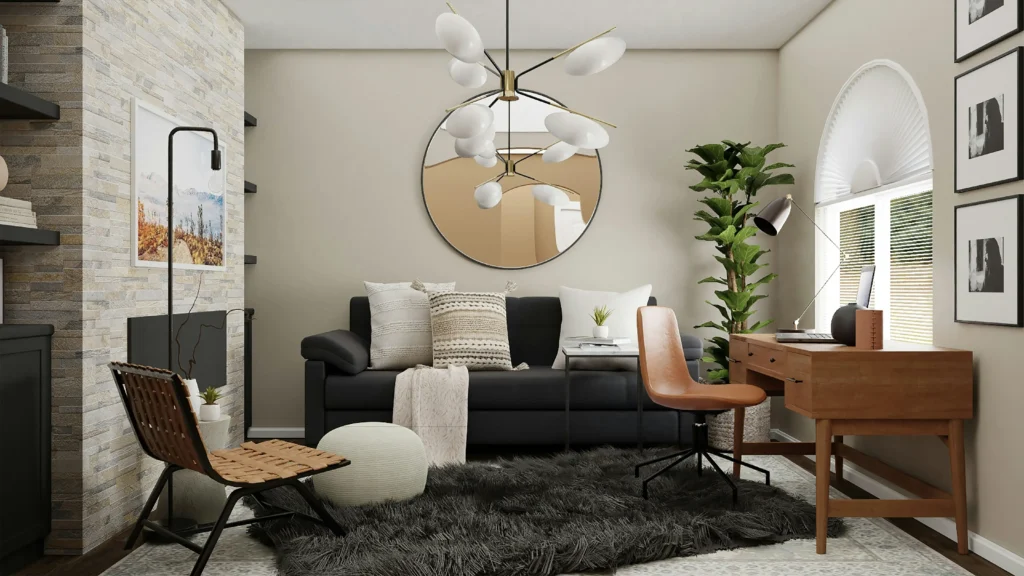
A clean layout instantly feels luxurious and peaceful.
Step Back and Adjust Until the Space Feels Right
The best layout is rarely perfect on the first try.
Move pieces around, step back, and assess from different angles.
Ask yourself:
- Does the room feel open and cozy?
- Can people walk comfortably?
- Is the seating oriented naturally?
- Does anything feel crowded?
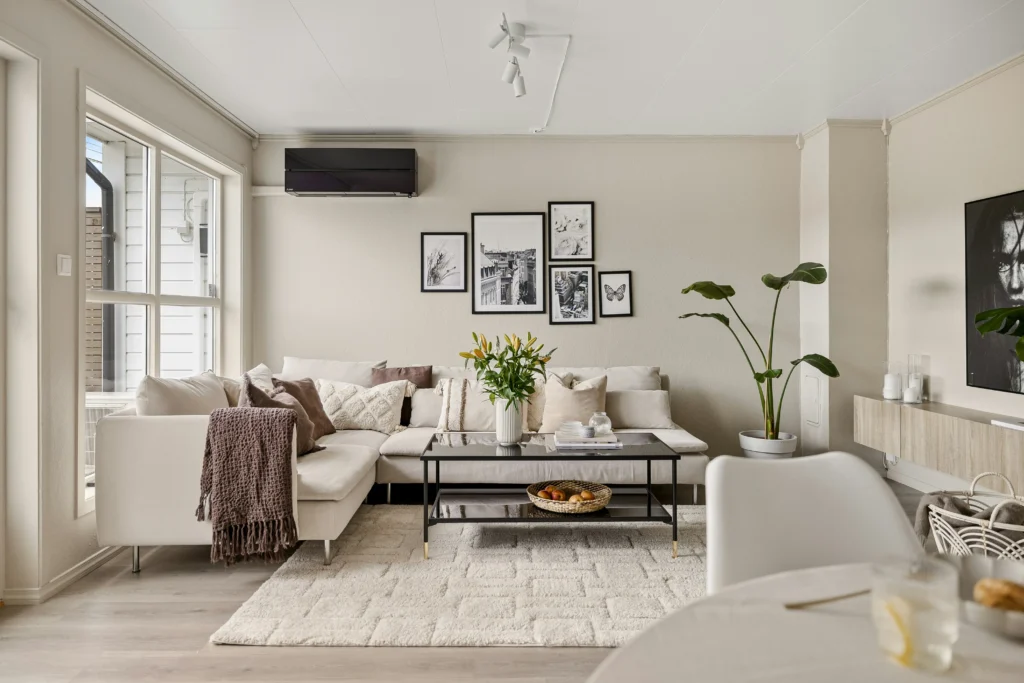
Small adjustments often make the biggest difference.
Conclusion
A great living room layout isn’t about expensive furniture it’s about thoughtful placement, balance, and flow. When your space is arranged with purpose, it instantly feels more stylish, more functional, and more relaxing. These layout ideas are flexible, renter-friendly, and work in any home size.


