

How to Attract Hummingbirds: 14 Plants Attract Hummingbirds
Hummingbirds bring a magical, almost dreamlike energy into any garden. Their tiny wings flutter so fast they seem invisible, and their shimmering colors catch the sunlight in ways that feel almost unreal. For a Pinterest-loving gardener, creating a space that naturally attracts these delicate birds is not just about beauty, it is about building a peaceful, living retreat that feels alive and inspiring every single day.
The secret to attracting hummingbirds is not complicated, but it does require intention. Choosing the right plants, understanding their feeding habits, and creating a welcoming environment can transform even a small outdoor space into a hummingbird haven. When you focus on nectar-rich blooms, soft textures, and layered greenery, your garden becomes more than decoration, it becomes a destination.
Pussy Willow (Salix discolor)
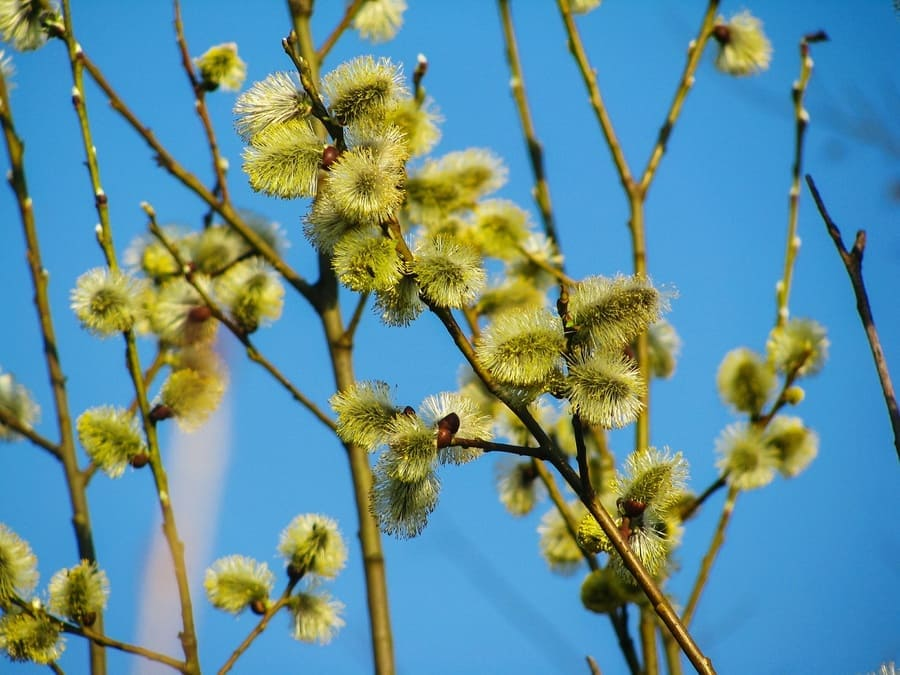
Pussy willow is often overlooked when people think about hummingbird plants, but it plays a quiet and important role in attracting these tiny visitors. Its soft, fuzzy catkins appear early in the season, offering one of the first natural food sources when hummingbirds are returning from migration. This early bloom timing makes it especially valuable, because it supports hummingbirds when nectar options are still limited. Adding pussy willow to your garden creates a sense of seasonal rhythm while also helping birds settle in quickly.
Another reason pussy willow works so well is its natural structure. The branches create gentle perching spots where hummingbirds can rest between feedings. These birds are constantly moving, so having a safe place to pause is just as important as having nectar to drink. When planted near other flowering species, pussy willow acts as a foundation plant that supports both movement and comfort, making your garden feel more complete and inviting.
To get the most out of pussy willow, place it in an area where it can receive plenty of sunlight while still having access to moist soil. It thrives near water features or slightly damp areas, which adds another layer of attraction for hummingbirds. Pair it with bright flowering plants later in the season to maintain a continuous food source, ensuring your garden stays active and full of life from early spring through summer.
Cottonwood (Populus deltoides)
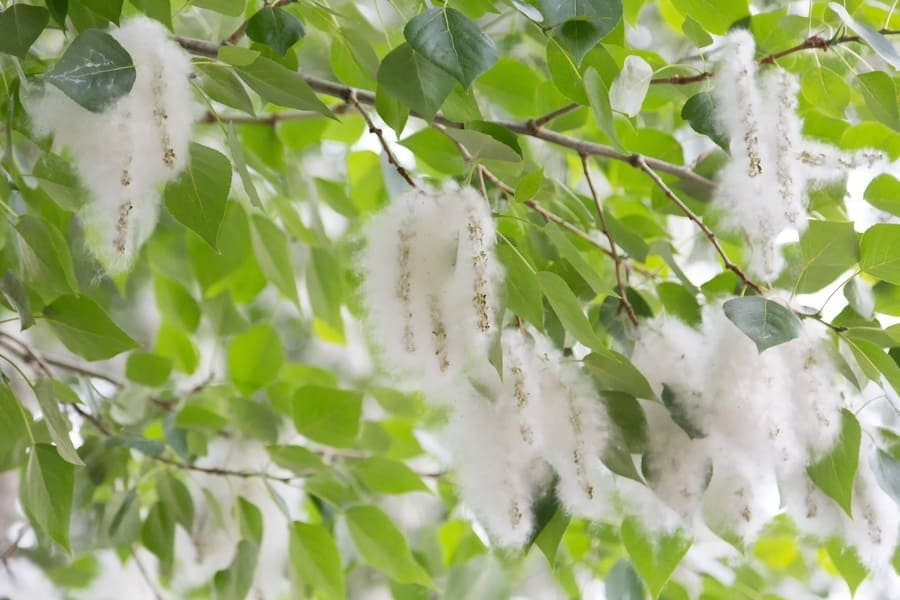
Cottonwood trees are not the first thing that comes to mind when designing a hummingbird garden, but they offer unique benefits that go beyond nectar. These tall, graceful trees create a natural habitat filled with insects, which are a crucial protein source for hummingbirds. While nectar provides energy, insects help support growth and strength, especially during breeding season. By including cottonwood in your landscape, you are supporting a more balanced and natural ecosystem.
The size and height of cottonwood trees also provide excellent shelter. Hummingbirds are small and vulnerable, so they rely on taller trees for protection from predators and harsh weather. The leaves create a soft canopy that filters sunlight, making the surrounding area feel calm and shaded. This kind of environment encourages hummingbirds to stay longer, rather than simply passing through in search of food.
When planting cottonwood, consider giving it enough space to grow freely, as it can become quite large over time. Position it toward the edge of your garden to act as a backdrop for smaller, nectar-rich plants. This layering effect not only looks beautiful but also mimics natural habitats, which hummingbirds instinctively trust. With the right placement, cottonwood becomes a quiet anchor that supports the entire garden experience.
Cinnamon Fern (Osmundastrum cinnamomeum)
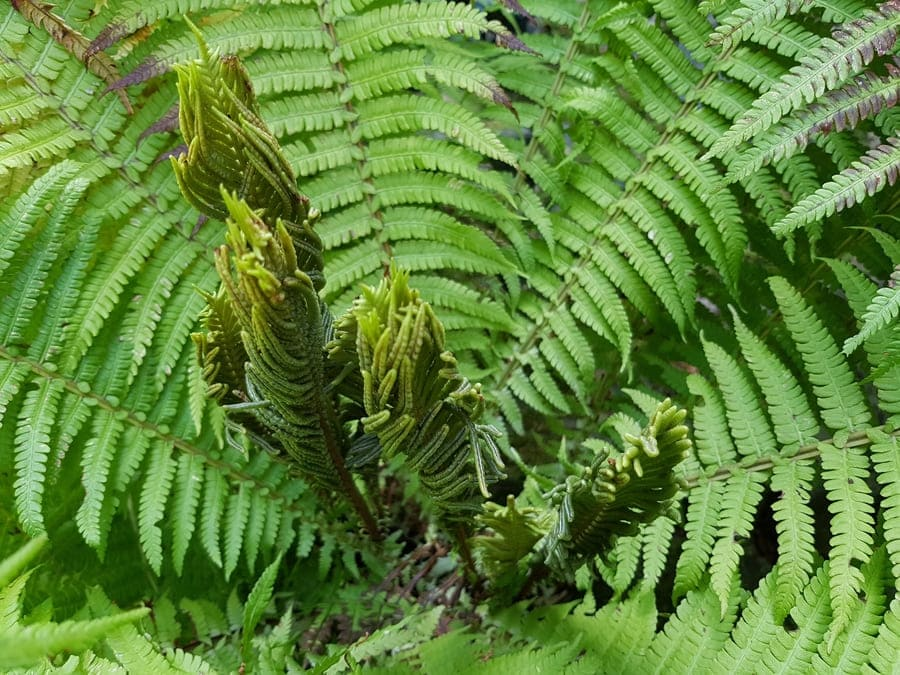
Cinnamon fern adds a lush, woodland feel to your garden that hummingbirds find surprisingly appealing. While it does not produce nectar-rich flowers, it plays an essential supporting role by creating a cool, shaded environment where insects thrive. These insects become an important food source, helping hummingbirds maintain a balanced diet. The soft, feathery fronds also add texture and depth, making your garden feel layered and visually rich.
One of the most appealing features of cinnamon fern is its ability to thrive in damp, shaded areas. This makes it perfect for creating a peaceful corner in your garden that feels slightly hidden and calm. Hummingbirds often seek out these quieter spaces when they need a break from constant activity. By including plants that offer rest as well as food, you create a more complete and thoughtful habitat.
To make the most of cinnamon fern, plant it alongside flowering species that bloom at different times of the year. This combination ensures that your garden always has something to offer, whether it is nectar or insects. The contrast between soft green foliage and bright blooms also enhances the overall aesthetic, making your space feel curated and Pinterest-worthy while still being completely natural.
Lamb’s Ear (Stachys byzantina)
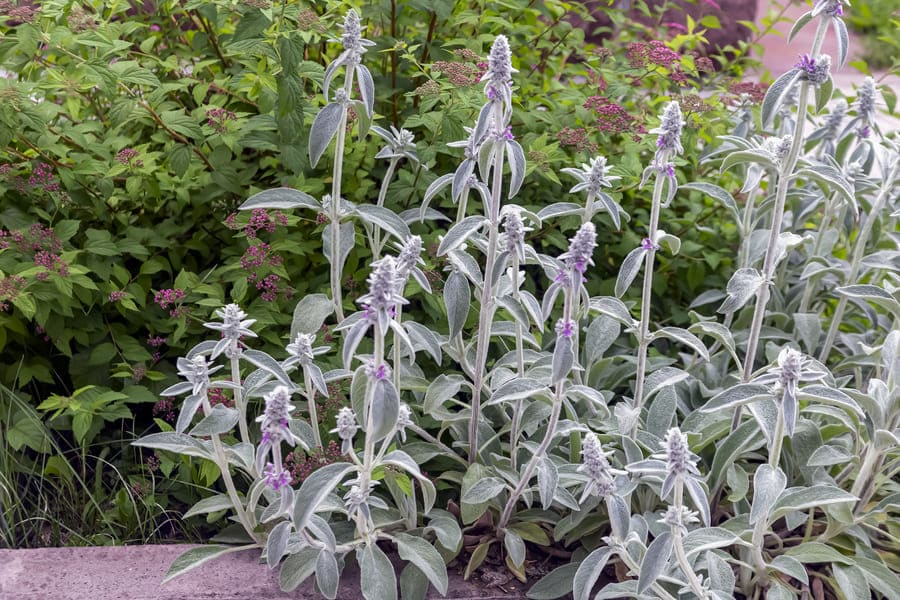
Lamb’s ear is one of those plants that instantly adds softness and charm to any garden, and while it may not seem like an obvious hummingbird favorite, it plays a subtle but meaningful role. Its velvety leaves create a calming visual texture that makes your garden feel cozy and inviting, while its tall flower spikes can produce small purple blooms that hummingbirds will occasionally visit. More importantly, it supports a variety of tiny insects, which hummingbirds rely on for protein, especially during nesting season.
The gentle, fuzzy foliage of lamb’s ear also creates a unique sensory experience that makes your garden stand out. For hummingbirds, this kind of environment offers a sense of safety and comfort. The low-growing leaves can act as a soft ground cover beneath taller nectar plants, helping to create layers that mimic natural habitats. When your garden feels more natural and less structured, hummingbirds are more likely to stay longer and return frequently.
To use lamb’s ear effectively, plant it along borders or pathways where its texture can shine while supporting the overall ecosystem. Pair it with bright, nectar-rich flowers like salvia or bee balm to balance beauty with function. This combination ensures your garden is not only visually appealing but also practical for attracting hummingbirds, creating a space that feels thoughtfully designed and effortlessly beautiful.
Thistle, native species (Cirsium spp.)
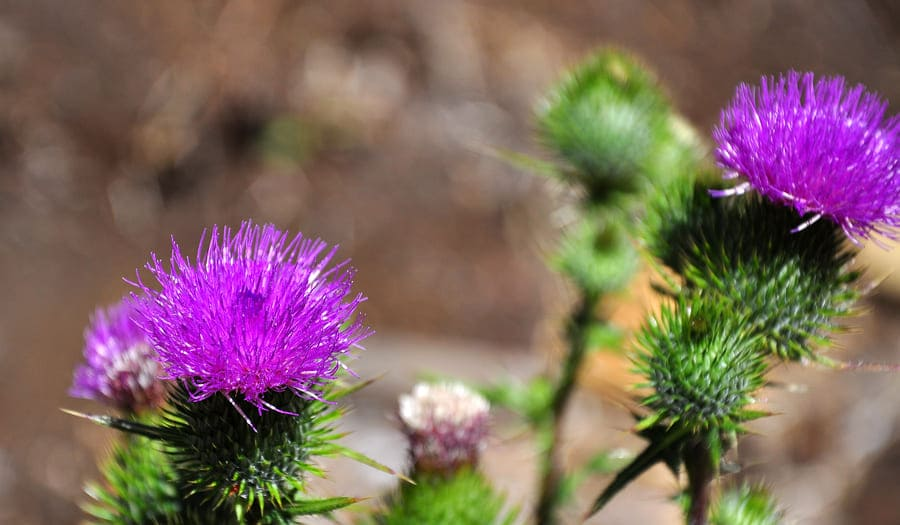
Native thistles are often misunderstood and sometimes even avoided, but they are incredibly valuable when it comes to attracting hummingbirds. Their vibrant, tufted flowers are rich in nectar, making them a reliable food source during the warmer months. Hummingbirds are naturally drawn to their bold colors and unique shapes, which allow easy access to the nectar they need to stay energized throughout the day.
Beyond nectar, thistles also support a wide range of pollinators and insects, creating a lively and dynamic garden environment. This biodiversity is essential because hummingbirds depend on insects for essential nutrients. When you include native thistles, you are not just planting flowers, you are building a small ecosystem that supports life at multiple levels. This kind of natural balance is exactly what keeps hummingbirds coming back.
When growing thistles, it is important to choose native varieties that suit your region and manage their spread carefully. Plant them in a sunny area where they have room to grow without overcrowding other plants. Combining thistles with softer, more delicate flowers can create a beautiful contrast while maintaining harmony in your garden design. The result is a space that feels wild yet intentional, perfect for both hummingbirds and visual inspiration.
Milkweed (Asclepias spp.)
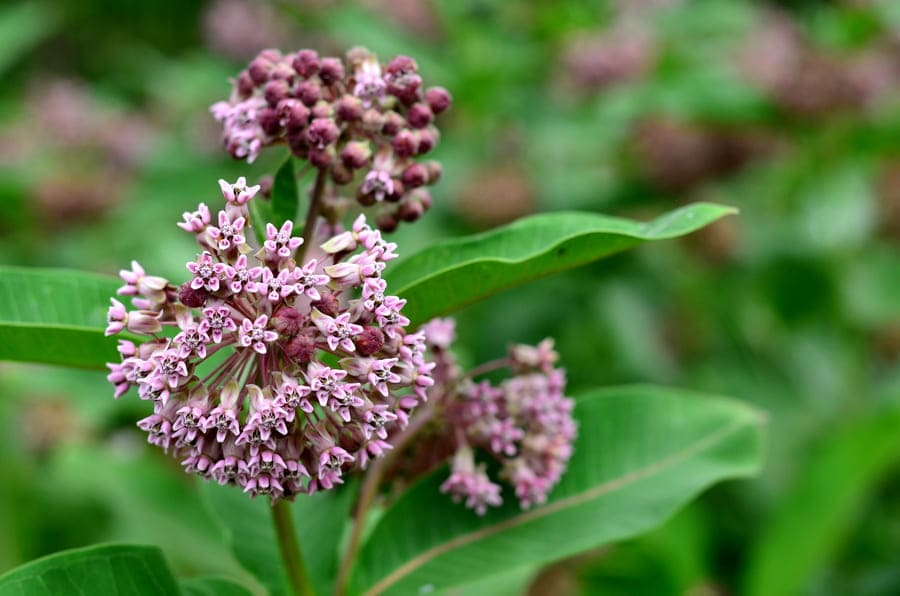
Milkweed is best known for attracting butterflies, especially monarchs, but it is also a fantastic addition to any hummingbird-friendly garden. Its clusters of star-shaped flowers produce plenty of nectar, offering a steady food source throughout the blooming season. Hummingbirds are naturally attracted to these blooms, and when combined with other nectar plants, milkweed helps create a continuous flow of energy for these tiny birds.
One of the biggest advantages of milkweed is how it contributes to a thriving, balanced garden ecosystem. It attracts beneficial insects, which in turn provide an important protein source for hummingbirds. This dual purpose makes milkweed incredibly valuable, as it supports both nectar feeding and insect hunting. A garden that includes milkweed feels more alive, with movement and activity happening at every level.
To make the most of milkweed, plant it in a sunny location with well-drained soil and allow it to grow naturally. It pairs beautifully with other pollinator-friendly plants, creating a layered and colorful display that looks stunning in any outdoor space. By including milkweed in your garden, you are not only attracting hummingbirds but also supporting a wider network of wildlife, turning your space into a vibrant and meaningful sanctuary.
Clematis (Clematis spp.)
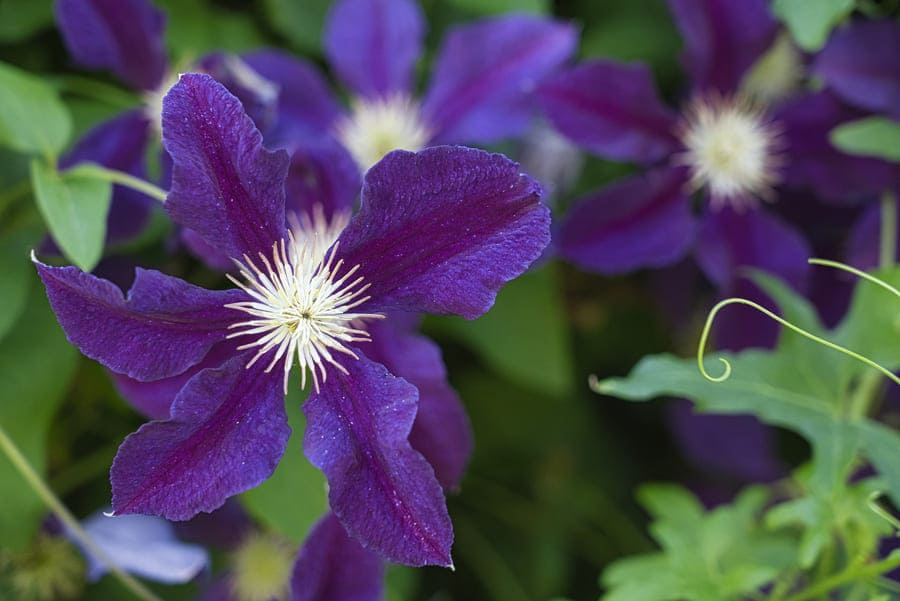
Clematis is a stunning climbing plant that adds vertical beauty to any garden while quietly supporting hummingbird activity. Its star-shaped flowers come in a range of colors, from soft pastels to deep purples, creating a visually striking display that feels straight out of a Pinterest board. While not all varieties are heavy nectar producers, many still attract hummingbirds with their open blooms and accessible structure, making them a lovely addition to a layered garden design.
One of the biggest advantages of clematis is how it uses vertical space. Hummingbirds naturally move at different heights, and having flowers that grow upward along trellises, fences, or walls creates more feeding opportunities. This vertical layering makes your garden feel fuller and more dynamic, encouraging hummingbirds to explore rather than just pass through. It also adds a sense of elegance and movement that enhances the overall atmosphere.
To grow clematis successfully, provide support such as a trellis and ensure the plant receives sunlight while keeping its roots cool and shaded. Pair it with lower-growing nectar plants to create a balanced and visually appealing arrangement. This combination not only maximizes space but also creates a multi-level habitat that hummingbirds find both functional and inviting, turning your garden into a beautifully structured retreat.
Witch Hazel (Hamamelis spp.)
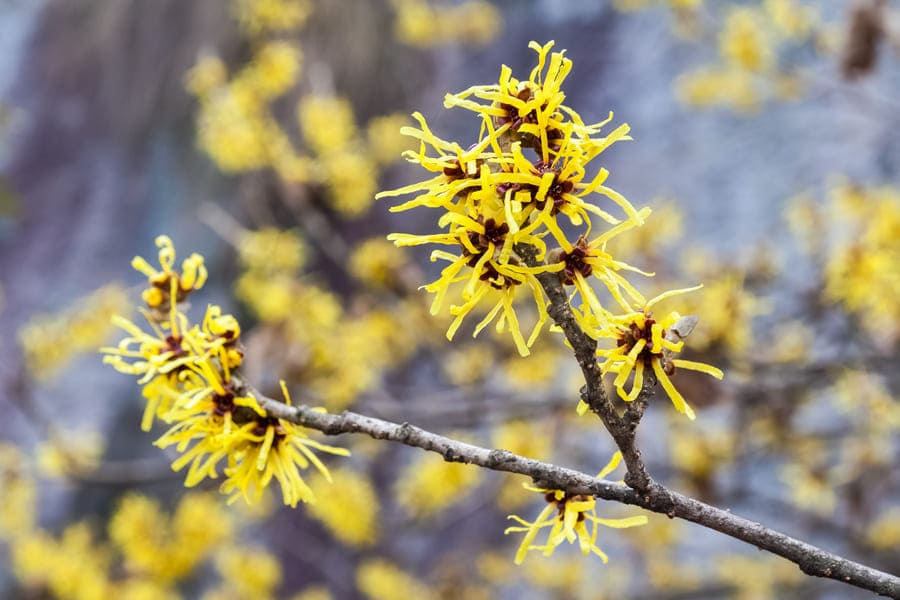
Witch hazel is a unique and often underrated plant that can play an important role in attracting hummingbirds, especially during cooler seasons. Its delicate, ribbon-like flowers bloom when many other plants are still dormant, offering an early or late-season nectar source. This timing makes witch hazel incredibly valuable, as it helps support hummingbirds when food is less abundant and they need extra energy.
Beyond its blooms, witch hazel adds a sense of softness and natural elegance to your garden. Its branching structure creates gentle perching spots where hummingbirds can rest between feedings. These quiet resting areas are just as important as nectar sources, giving hummingbirds a safe place to pause and observe their surroundings. A garden that includes both feeding and resting spaces feels more complete and welcoming.
For best results, plant witch hazel in a spot with partial sunlight and well-drained soil. It works beautifully as a focal shrub or as part of a mixed border with other flowering plants. By combining witch hazel with species that bloom at different times, you ensure a continuous supply of nectar throughout the year, keeping your garden active and attractive to hummingbirds in every season.
Birch (Betula spp.)
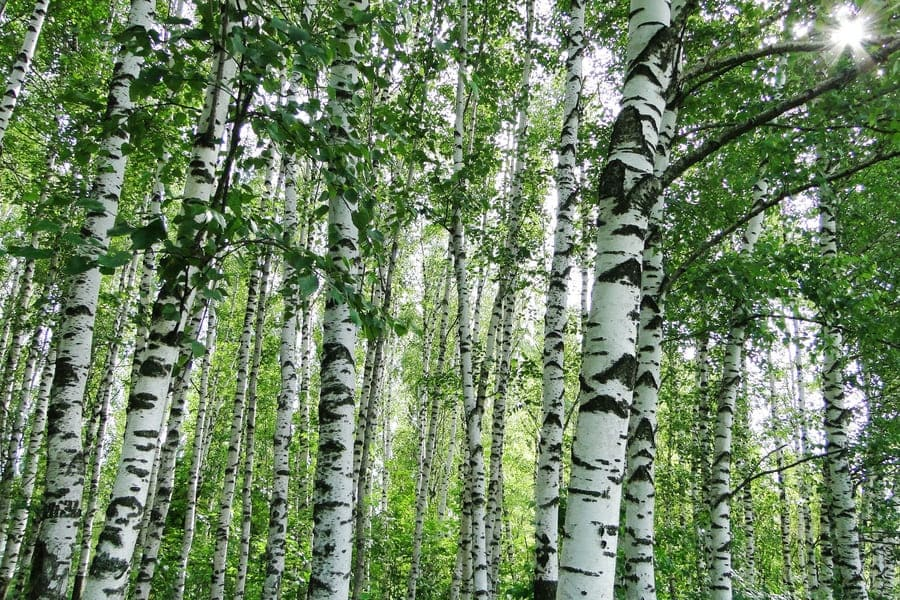
Birch trees bring a light, airy feel to any garden, and while they may not be known for nectar production, they offer essential support for hummingbirds in other ways. Their bark and delicate leaves create a visually calming backdrop, while also hosting small insects that hummingbirds rely on for protein. This makes birch an important part of a balanced garden where both nectar and insect life are available.
The structure of birch trees also provides excellent perching and nesting opportunities. Hummingbirds prefer spaces where they can easily move between feeding and resting, and the slender branches of birch trees make this possible. The dappled sunlight that filters through the leaves creates a peaceful environment that feels safe and comfortable, encouraging hummingbirds to stay longer.
When planting birch, choose a location with enough space for it to grow while still allowing sunlight to reach surrounding plants. It pairs well with colorful flowering species that provide nectar, creating a layered effect that looks both natural and thoughtfully designed. By including birch in your garden, you add height, texture, and ecological value, helping to create a space that supports hummingbirds in a gentle and sustainable way.
Goldenrod (Solidago spp.)
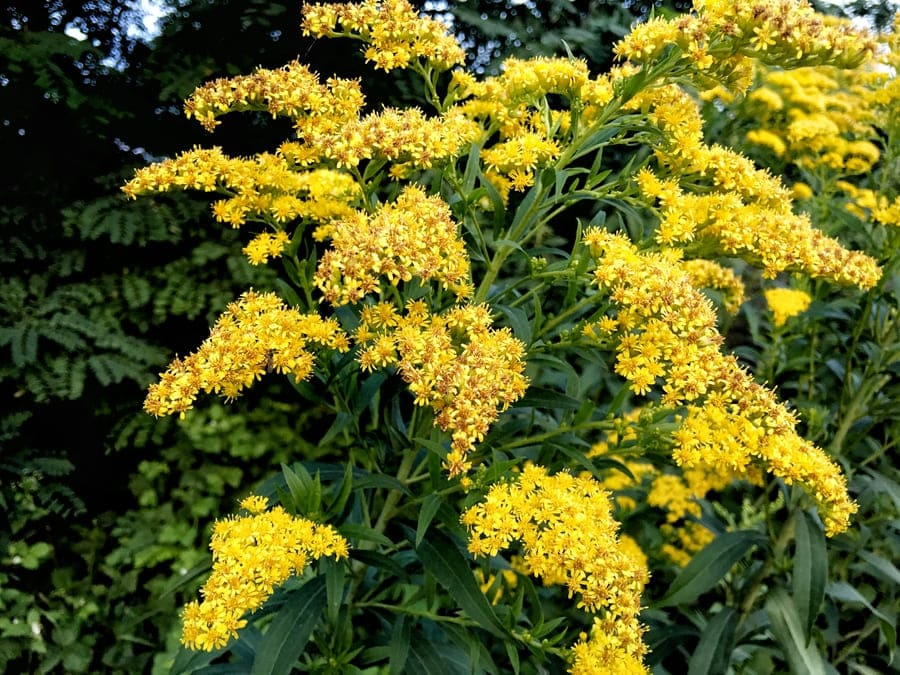
Goldenrod is a bright and cheerful addition to any garden, bringing warm golden tones that instantly make your outdoor space feel lively and inviting. Its tall plumes of tiny flowers are rich in nectar, making them highly attractive to hummingbirds, especially during late summer when many other blooms begin to fade. This seasonal timing is important because it helps provide a consistent food source, ensuring that hummingbirds continue to visit your garden even as the seasons start to shift.
In addition to nectar, goldenrod supports a wide variety of beneficial insects, which are essential for a healthy hummingbird habitat. These insects provide the protein hummingbirds need for strength and development, particularly during active periods. When your garden includes plants like goldenrod, it becomes more than just a collection of flowers, it transforms into a thriving ecosystem filled with movement and life at every level.
To grow goldenrod successfully, plant it in a sunny location where it has space to spread naturally. It works beautifully when combined with other late-blooming plants, creating a layered and colorful display that feels both wild and intentional. This kind of thoughtful planting ensures your garden remains visually appealing while continuing to support hummingbirds with the resources they need.
Sycamore (Platanus occidentalis)
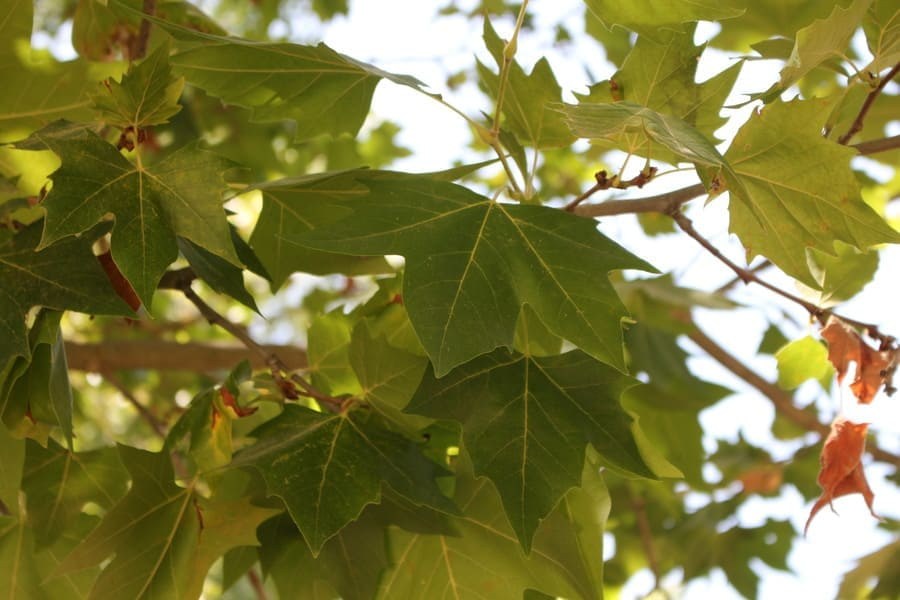
Sycamore trees are known for their striking appearance, with mottled bark and broad leaves that create a strong visual presence in any landscape. While they are not nectar-producing plants, they play a vital role in supporting hummingbirds by providing shelter and encouraging insect activity. The size and structure of sycamore trees make them ideal for creating a safe and stable environment where hummingbirds can rest and feel protected.
One of the most valuable aspects of sycamore trees is the habitat they create. Their large canopy offers shade and helps regulate temperature, making the surrounding area more comfortable for both birds and plants. Hummingbirds often seek out these kinds of spaces when they need a break from constant feeding, and having a reliable resting area encourages them to stay within your garden longer.
When incorporating sycamore into your garden, consider its mature size and give it plenty of room to grow. Position it as a central or background feature, allowing smaller, nectar-rich plants to thrive around it. This layered approach not only enhances the overall design but also creates a balanced environment that supports hummingbirds in multiple ways, from feeding to resting and beyond.
Joe-Pye Weed (Eutrochium purpureum)
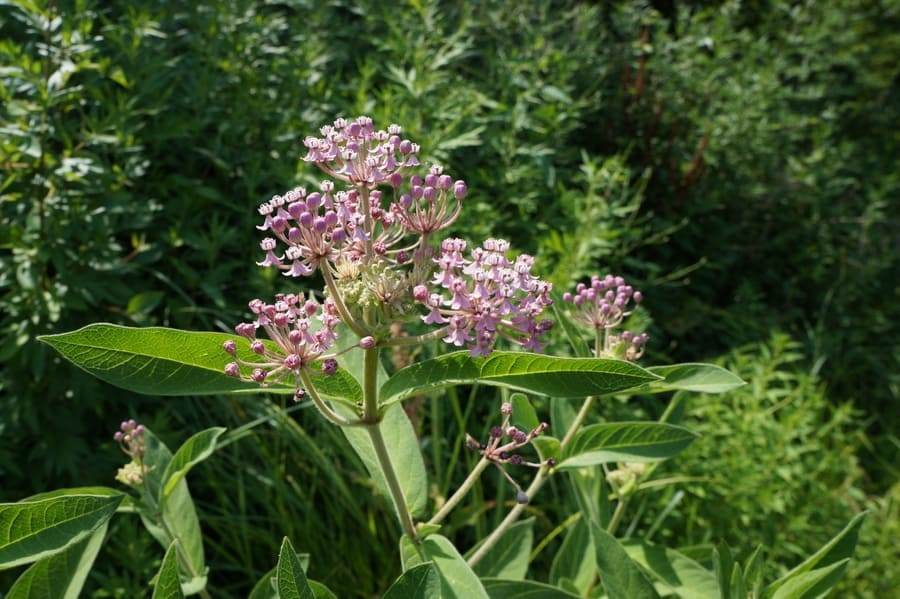
Joe-Pye weed is a favorite among pollinators, and its large, fluffy clusters of pinkish-purple flowers are especially attractive to hummingbirds. These blooms are packed with nectar, making them a reliable energy source during the peak of the growing season. Their height and visibility also make them easy for hummingbirds to spot, drawing them into your garden from a distance.
Beyond its beauty, Joe-Pye weed contributes to a vibrant and active ecosystem. It attracts a wide range of insects, which in turn support hummingbirds by providing an additional food source. This combination of nectar and insect life makes it one of the most effective plants for creating a hummingbird-friendly environment that feels natural and full of energy.
To make the most of Joe-Pye weed, plant it in a sunny or partially shaded area with moist soil. It works well as a background plant, adding height and structure to your garden while complementing shorter flowers in the foreground. When combined with a variety of other nectar-rich plants, Joe-Pye weed helps create a continuous and visually stunning display that keeps hummingbirds coming back again and again.
Cattail (Typha spp.)
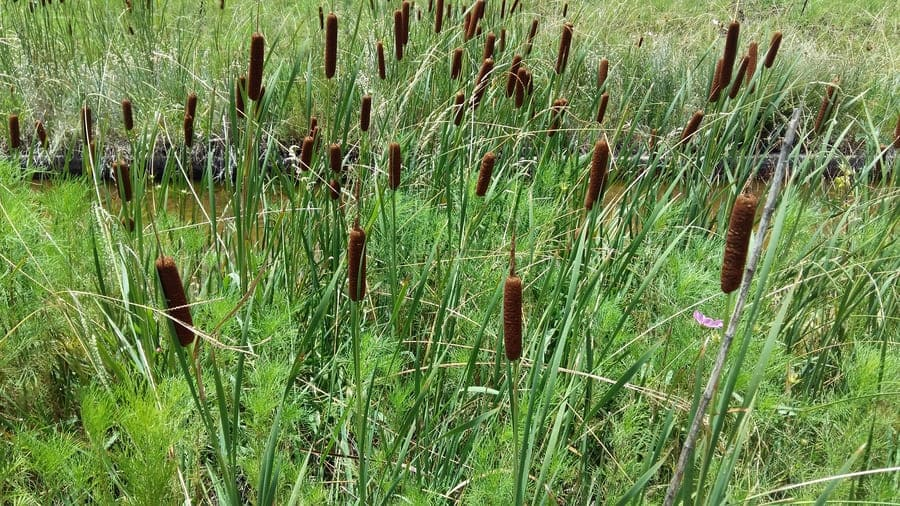
Cattails bring a calm, natural wetland feel to your garden, and while they are not known for producing nectar, they still play an important role in attracting hummingbirds. These tall, reed-like plants create a habitat that supports a variety of insects, which hummingbirds depend on for protein. When you include cattails in your space, you are adding more than just greenery, you are creating a small ecosystem that feels balanced and alive.
One of the most appealing features of cattails is the sense of tranquility they bring. Their upright growth and soft, swaying movement in the breeze create a peaceful atmosphere that hummingbirds naturally gravitate toward. These birds are constantly active, so having a quiet, stable area where they can rest or hunt for insects adds depth to your garden. It transforms your space into something that feels both functional and soothing.
To use cattails effectively, plant them near a water feature or in a naturally damp area where they can thrive. Pair them with flowering plants nearby to ensure that nectar sources are always within reach. This combination of water, shelter, and food creates a well-rounded environment that supports hummingbirds while also giving your garden a beautiful, nature-inspired look.
Maple (Acer spp.)
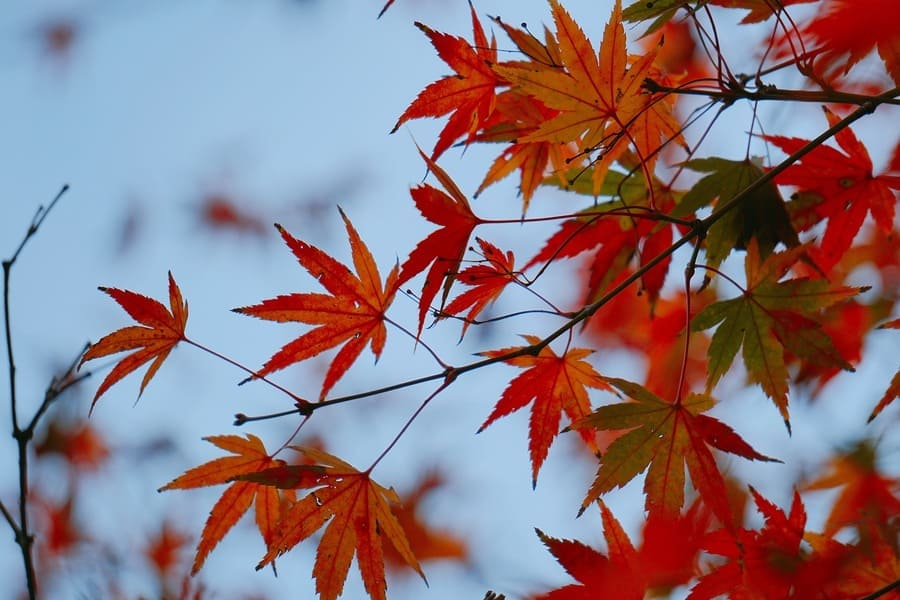
Maple trees are a wonderful addition to any hummingbird-friendly garden, especially because they bloom early in the season. Their small, delicate flowers provide an important source of nectar just as hummingbirds are returning from migration. This early availability of food makes maple trees incredibly valuable, helping to support hummingbirds when other plants have not yet started to bloom.
In addition to nectar, maple trees offer structure and shade that enhance the overall environment of your garden. Their branches create natural perching spots, allowing hummingbirds to rest and observe their surroundings. The canopy also helps regulate temperature, making the space more comfortable during warmer days. This balance of sun and shade encourages hummingbirds to stay longer and explore more of your garden.
When planting maple, choose a location where it can grow freely and receive adequate sunlight. It works well as a central feature or as part of a layered design with smaller flowering plants beneath it. By combining maple with a variety of nectar-rich species, you ensure a steady flow of food throughout the seasons while also creating a visually appealing and harmonious outdoor space.
Water, perches, and bug snacks
Creating a hummingbird-friendly garden goes beyond just planting flowers, it is about building a complete environment that meets all of their needs. Water is an essential element, even though hummingbirds do not typically drink from birdbaths like other birds. They prefer fine mist or shallow moving water where they can cool off and clean their feathers. Adding a small fountain or mister can instantly make your garden more attractive to them.
Perches are another important detail that is often overlooked. Hummingbirds need places to rest between feeding sessions, and providing thin branches or small structures gives them a safe spot to pause. These perches should be placed near feeding areas so that hummingbirds can easily move between resting and feeding without expending too much energy. This simple addition can make a big difference in how often they visit.
Bug snacks complete the picture by ensuring hummingbirds have access to protein. Avoid using pesticides so that small insects can thrive naturally in your garden. By combining water, perches, and a healthy insect population, you create a space that fully supports hummingbirds in every way. This thoughtful approach turns your garden into a true sanctuary that feels vibrant, balanced, and full of life.
Feeder habits that help not hurt
Using feeders can be a great way to attract hummingbirds, but the way you manage them makes all the difference. A clean, well-maintained feeder filled with the right nectar solution can provide a reliable food source, especially during times when flowers are not in full bloom. However, neglecting proper care can actually harm hummingbirds, which is why it is important to approach feeders with attention and consistency.
The best nectar solution is simple and natural, made from a mixture of water and plain white sugar without any added dyes or artificial ingredients. Red coloring is not needed, as hummingbirds are naturally drawn to the feeder itself. Regular cleaning is essential, especially in warm weather, to prevent mold and bacteria from forming. A dirty feeder can quickly become dangerous, so refreshing the nectar every few days keeps it safe and inviting.
Placement also plays a key role in how effective your feeder is. Position it in a shaded area near flowers and perches so hummingbirds feel comfortable approaching it. Avoid placing feeders too close together to reduce competition and stress among birds. When used correctly, feeders can enhance your garden and provide extra support, helping hummingbirds thrive while still encouraging natural feeding habits.
A simple seasonal plan
Creating a hummingbird-friendly garden is not something you do once, it is something that evolves throughout the year. A simple seasonal plan helps ensure that there is always something available for hummingbirds, from early spring through late fall. By thinking ahead and choosing plants that bloom at different times, you can maintain a steady flow of nectar and keep your garden active and inviting.
In early spring, focus on plants like maple and pussy willow that provide the first sources of nectar. As the season moves into summer, introduce a variety of flowering plants such as milkweed, clematis, and Joe-Pye weed to keep the energy flowing. Late-season bloomers like goldenrod help carry your garden into autumn, ensuring that hummingbirds have enough fuel before migration. This layered approach creates a continuous cycle that supports them at every stage.
Maintaining your garden is just as important as planting it. Regular watering, pruning, and avoiding harmful chemicals all contribute to a healthier environment. By following a seasonal rhythm, you create a space that feels alive and ever-changing, giving hummingbirds a reason to return again and again while also keeping your garden visually fresh and inspiring.
Conclusion
Attracting hummingbirds is not about adding just one or two plants, it is about creating an environment that feels welcoming, balanced, and full of life. When you combine nectar-rich flowers, supportive greenery, water features, and safe resting spots, your garden becomes a complete habitat rather than just a decorative space. This thoughtful approach not only brings hummingbirds closer but also transforms your outdoor area into a peaceful retreat that feels deeply connected to nature.
What makes this journey even more rewarding is how personal and creative it can be. You can mix textures, colors, and plant heights to design a space that reflects your style while still meeting the needs of hummingbirds. Over time, you will notice more activity, more movement, and more moments of quiet beauty that make all the effort worthwhile. With the right plants and simple care, your garden can become a place where hummingbirds return season after season, bringing energy, color, and life with them.


