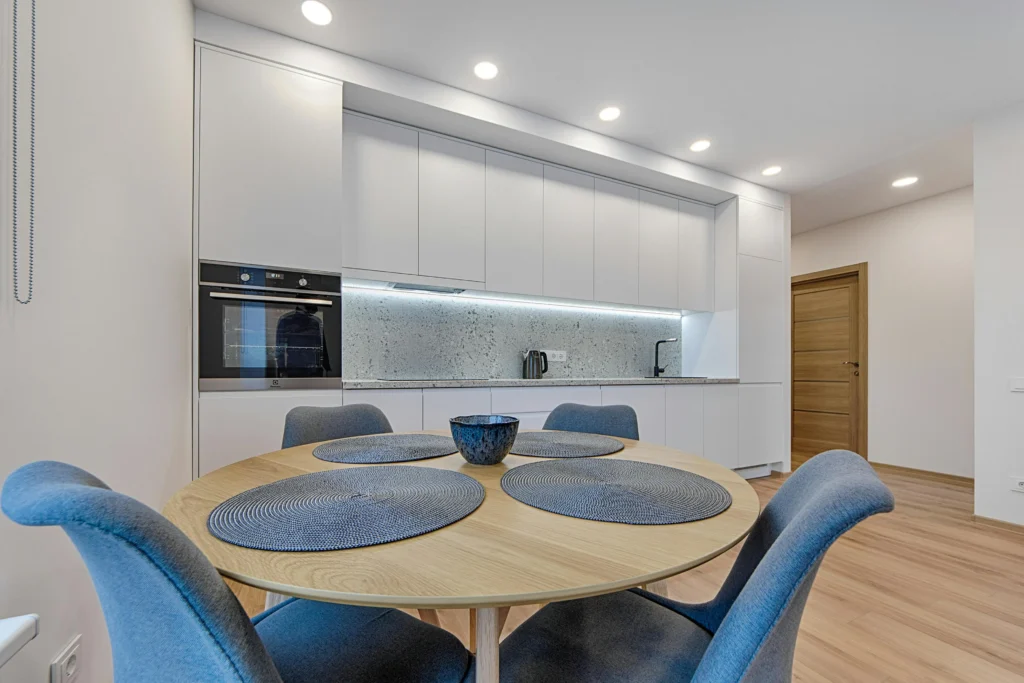

Dining Room Minimalism Small Details That Matter
When it comes to creating a minimalist dining room, it’s not just about having fewer things it’s about having the right things. Minimalism celebrates simplicity, calm, and balance. But what truly brings a minimalist dining space to life are the small details that often go unnoticed: the soft curve of a chair, the texture of linen, the gentle glow of warm lighting.
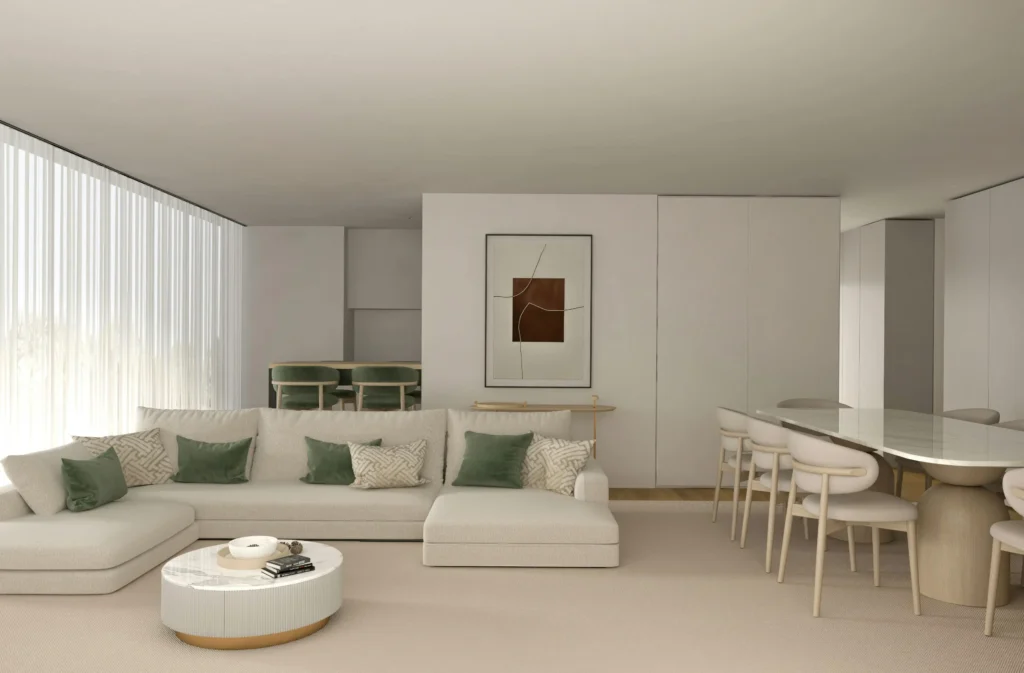
In this guide, we’ll explore how thoughtful touches can transform a dining room from plain to peaceful without adding clutter.
Start with a Clear Foundation
The first step to a minimalist dining room is clarity both visually and mentally. Remove everything that doesn’t serve a purpose. Look around your space and ask: Do I love this piece? Does it belong here?
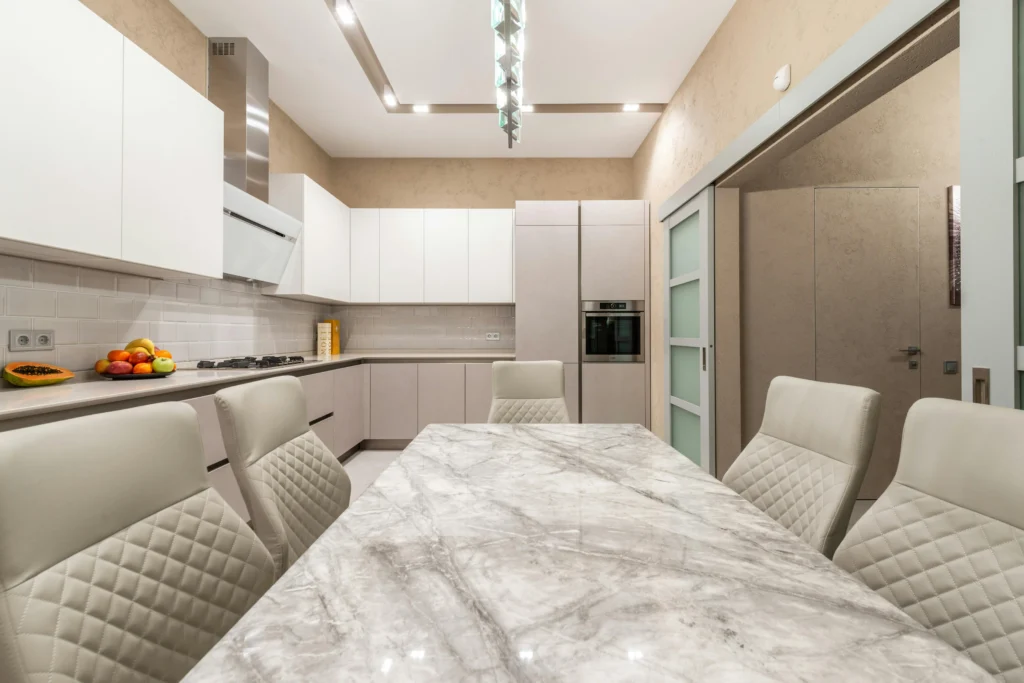
Keep only what adds meaning or function. This might mean a single solid-wood dining table, four to six chairs, and a statement light fixture. Once your foundation is clear, every detail that remains will have room to breathe and shine.
Focus on a Neutral Color Palette
Minimalism thrives on soft, neutral tones that make your space feel calm and cohesive. Think whites, warm grays, taupe, and muted beige.
These shades create a sense of serenity and help natural materials stand out wood grains, stone textures, and ceramic finishes. A neutral background also allows small details, like a single vase or textured napkin, to quietly draw attention without feeling overwhelming.
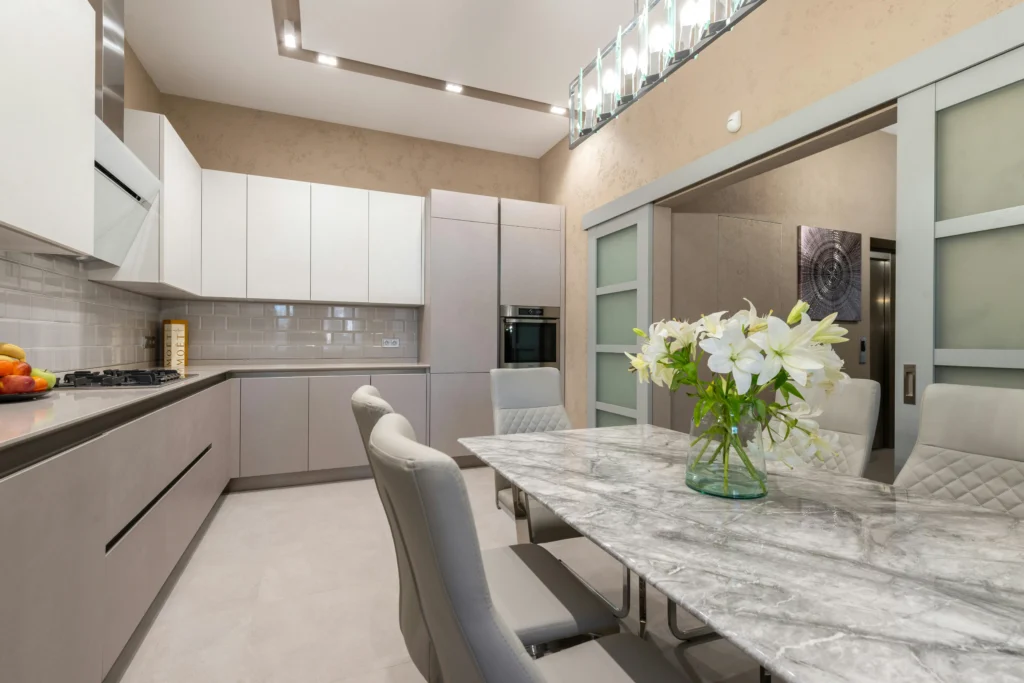
Pro tip: Mix warm and cool neutrals for depth. For example, combine creamy walls with light oak furniture and black matte accents.
Choose Functional Furniture with Elegant Lines
Your dining table is the heart of the room choose one that feels grounded and simple. A clean-lined wooden table or a round marble-top version can bring structure and flow.
When it comes to seating, pick chairs with slim profiles, soft upholstery, or woven textures. Avoid bulky pieces that disrupt the sense of space.
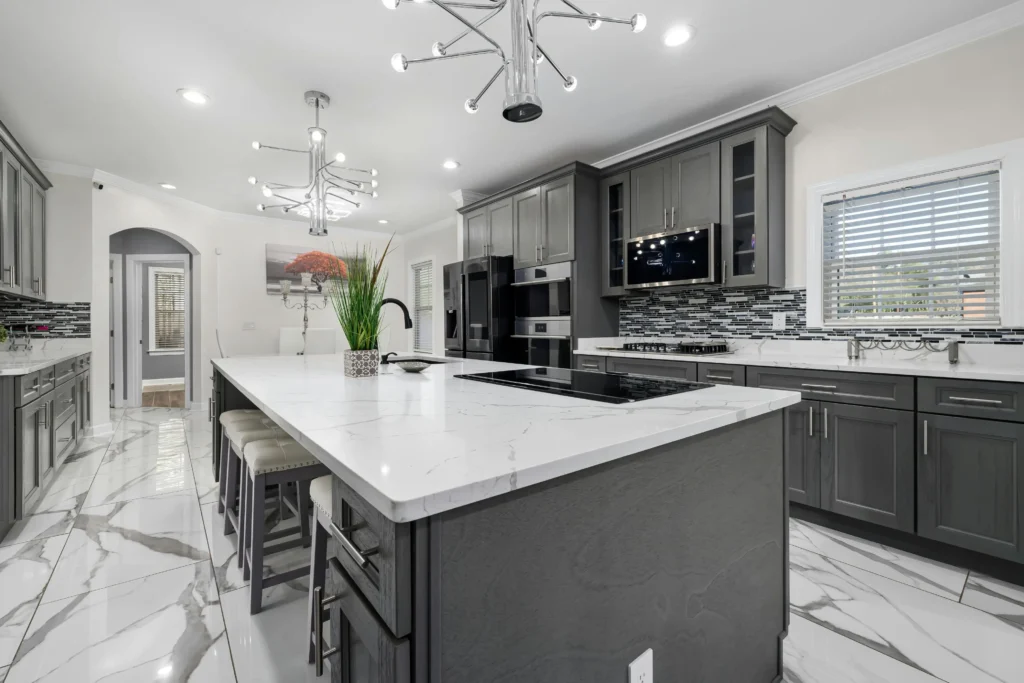
Remember: minimalist furniture doesn’t mean boring. Look for small, crafted details tapered legs, curved edges, or natural imperfections in the wood. These subtleties make your dining room feel warm and human
Layer in Natural Materials
Minimalist spaces often shine through texture, not clutter. Use natural materials like linen, wood, clay, or rattan to add depth.
- Linen napkins instead of cotton bring a casual, organic touch.
- Ceramic dishes or stoneware add a handmade feel.
- Wooden serveware introduces warmth against a clean, modern table.
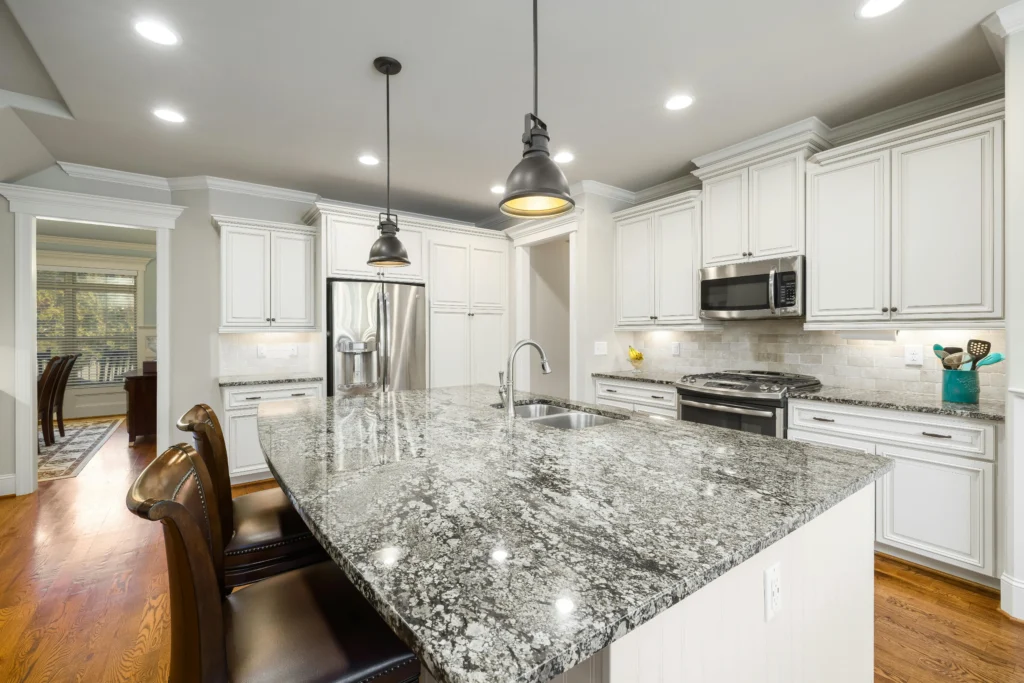
These materials ground your space and give it that soft, lived-in beauty that feels both refined and approachable.
Lighting That Feels Soft, Not Stark
Lighting is one of the most overlooked details in minimalist dining rooms. Instead of bright overhead lights, opt for warm, diffused illumination.
A pendant light or two above the dining table creates a focal point and sets the mood. Choose materials like frosted glass, matte metal, or woven rattan for a balanced aesthetic.
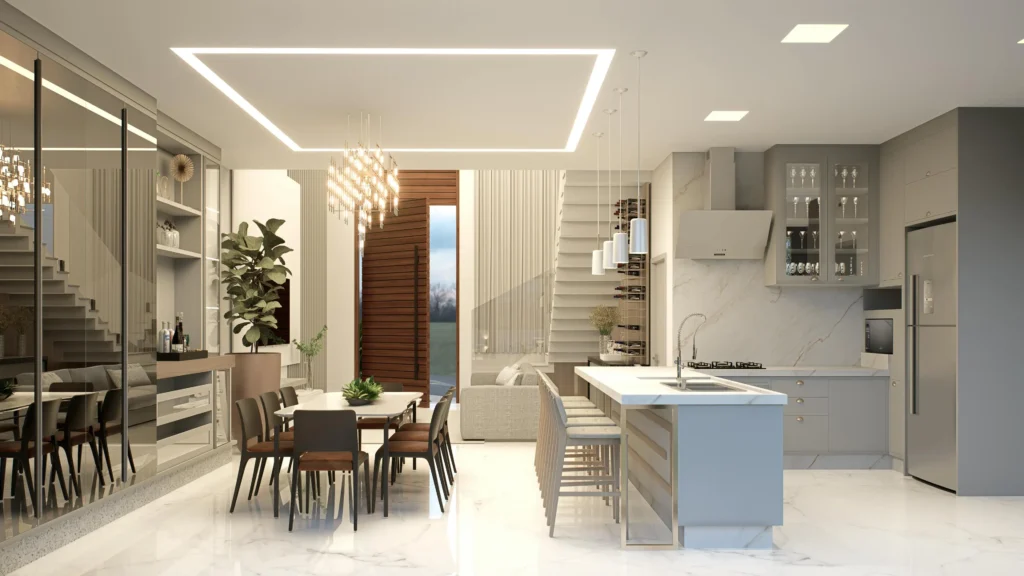
If your space allows, layer lighting wall sconces, floor lamps, or candles. The goal is to create warmth, not intensity.
The Power of Negative Space
In minimalist design, what you don’t include matters just as much as what you do. Negative space the empty areas around your furniture and decor gives your room breathing room.
Avoid overcrowding your dining area with too many chairs or accessories. Let your pieces stand alone and make a statement.
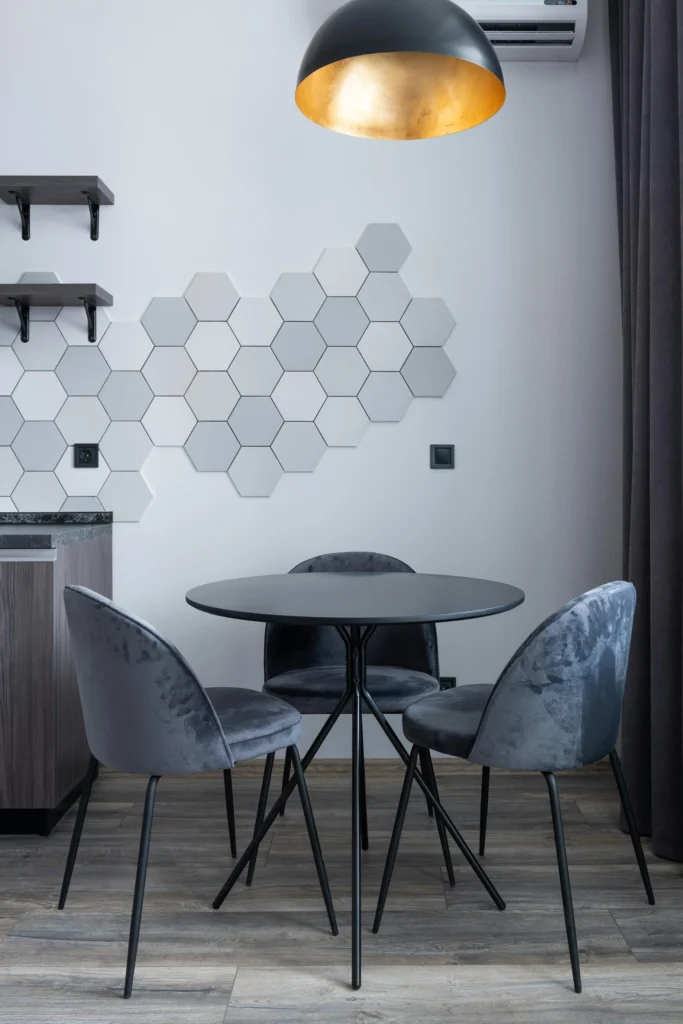
That open space is what gives minimalism its sense of peace and calm it invites you to slow down and appreciate the quiet beauty around you.
A Simple Centerpiece That Speaks Volumes
Your centerpiece doesn’t have to be elaborate to be impactful. A single ceramic vase with fresh greenery, a sculptural bowl, or a small arrangement of candles can be enough.
Think of it as the “pause” in your room a visual anchor that ties everything together without distracting from the simplicity.
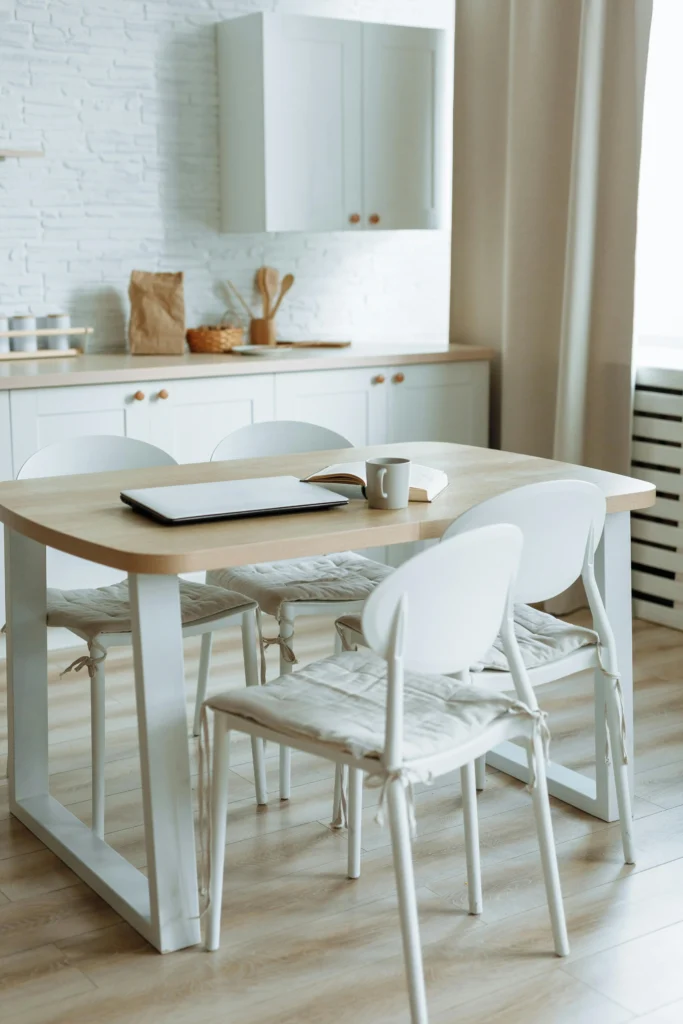
Tip: Change your centerpiece seasonally. In summer, try fresh eucalyptus or dried lavender; in winter, use pine branches or a low candle arrangement.
Artwork That Complements, Not Competes
Minimalist art is all about balance. Instead of filling every wall, select one or two art pieces that align with your color palette and theme.
Go for abstract prints, soft line drawings, or black and-white photography. Frame them simply think thin black, white, or natural oak frames.
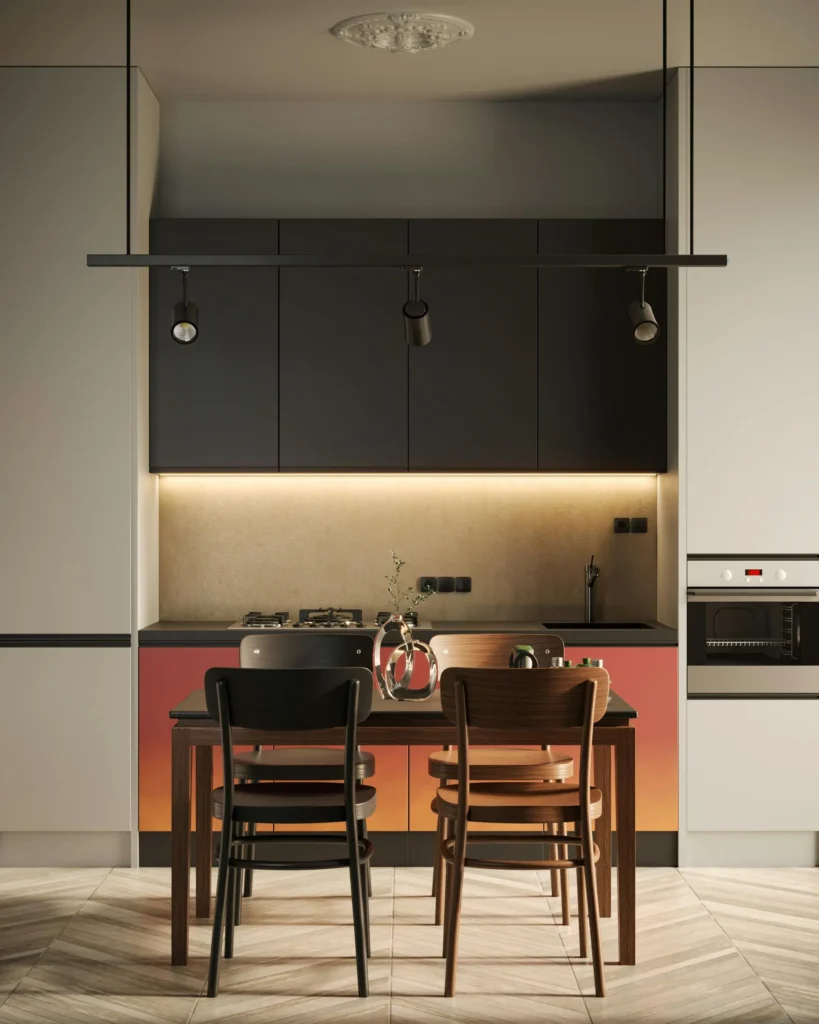
The goal is to let your artwork quietly complement the space rather than dominate it.
Add Subtle Layers for Comfort
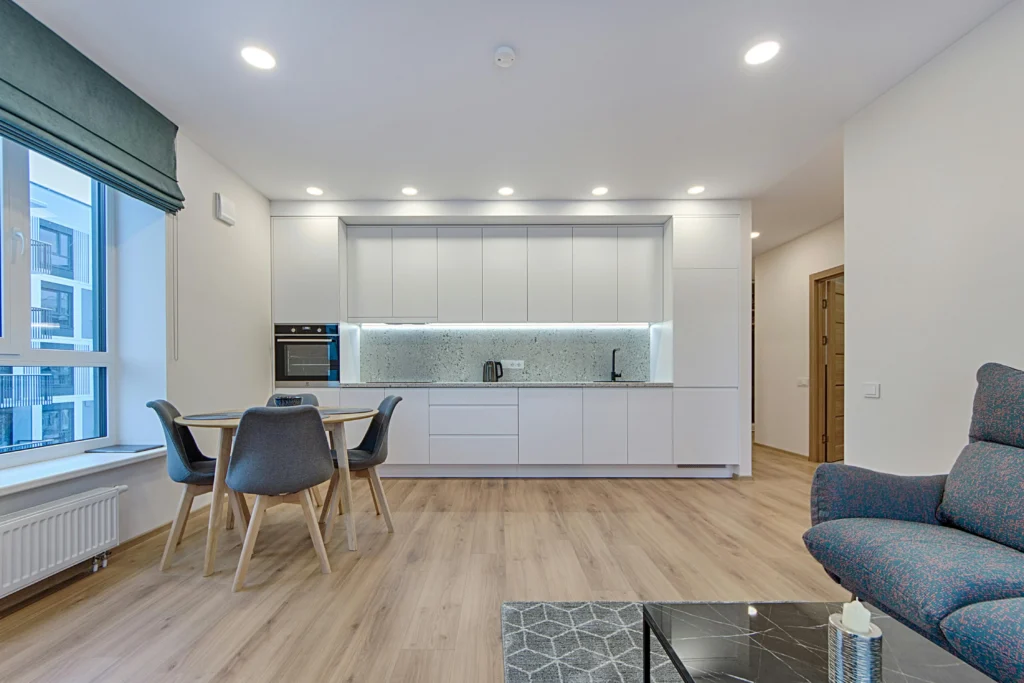
Minimalism shouldn’t feel cold or rigid. Layer in comfort through small, intentional choices a soft rug under the table, woven seat cushions, or textured placemats.
Use soft fabrics to offset sleek surfaces. These gentle contrasts keep your space from feeling sterile while maintaining the clean aesthetic that defines minimalist style.
Let Your Personality Show (Gently)
True minimalism doesn’t mean removing personality it’s about expressing it with intention. A family photo in a neutral frame, a handmade ceramic piece, or your favorite candle scent can make your dining room uniquely yours.
The secret is restraint. Choose a few personal items that align with your color story and mood. They’ll add warmth without breaking the calm harmony you’ve built.