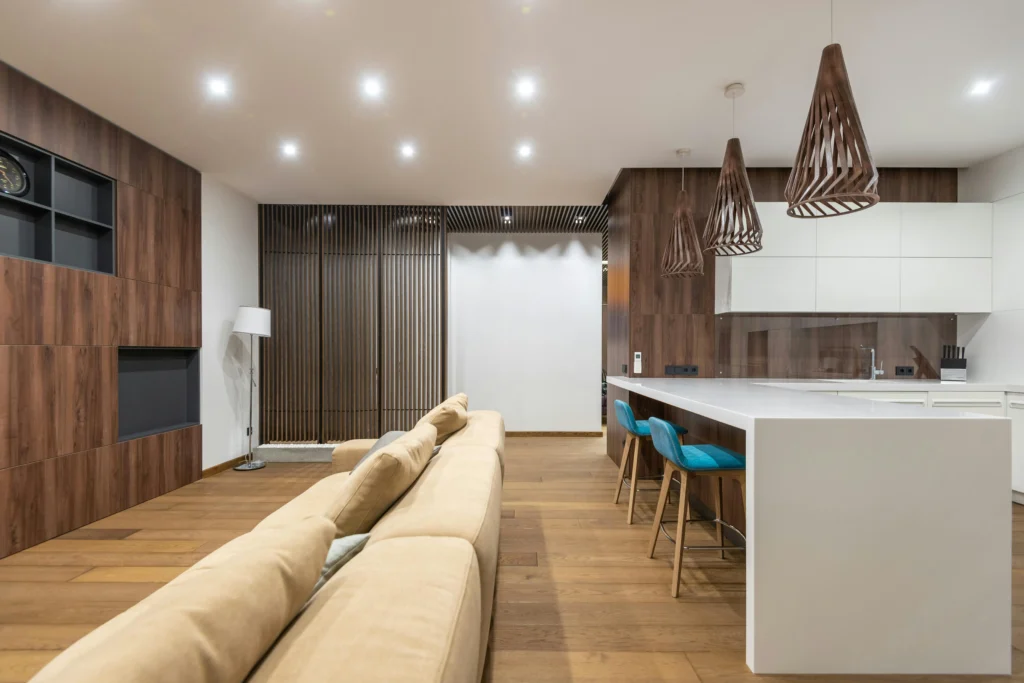

Dining Room Minimalism Small Details That Matter
A minimalist dining room isn’t just about having fewer things it’s about making every choice purposeful. The colors you select, the textures you include, and even the placement of everyday items all play a role in how your space feels. And the beauty of minimalist dining decor is that it doesn’t rely on expensive furniture or big renovations. Instead, it’s the small details that quietly transform an ordinary room into a calm, stylish, and inviting space.
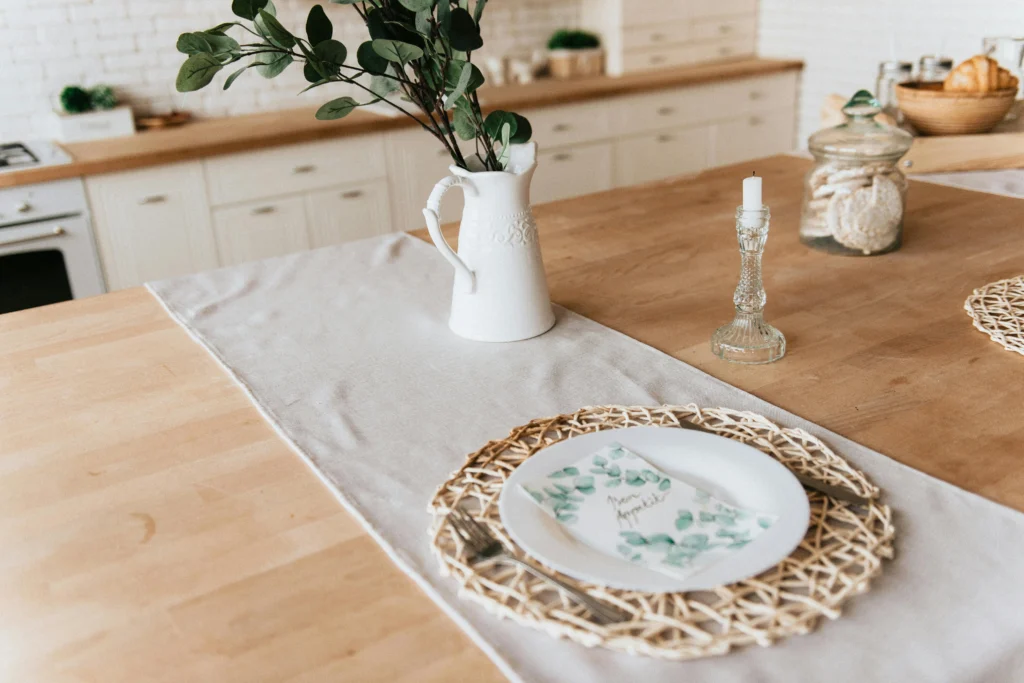
If you want a dining room that feels peaceful, modern, and put-together, this guide walks you through the subtle touches that have a major impact.
Start With a Clear, Uncluttered Surface
Minimalism begins with clearing the visual noise. A cluttered table instantly makes a dining room feel busy, even if the rest of the room is clean. The first step is simple: remove anything that doesn’t belong.
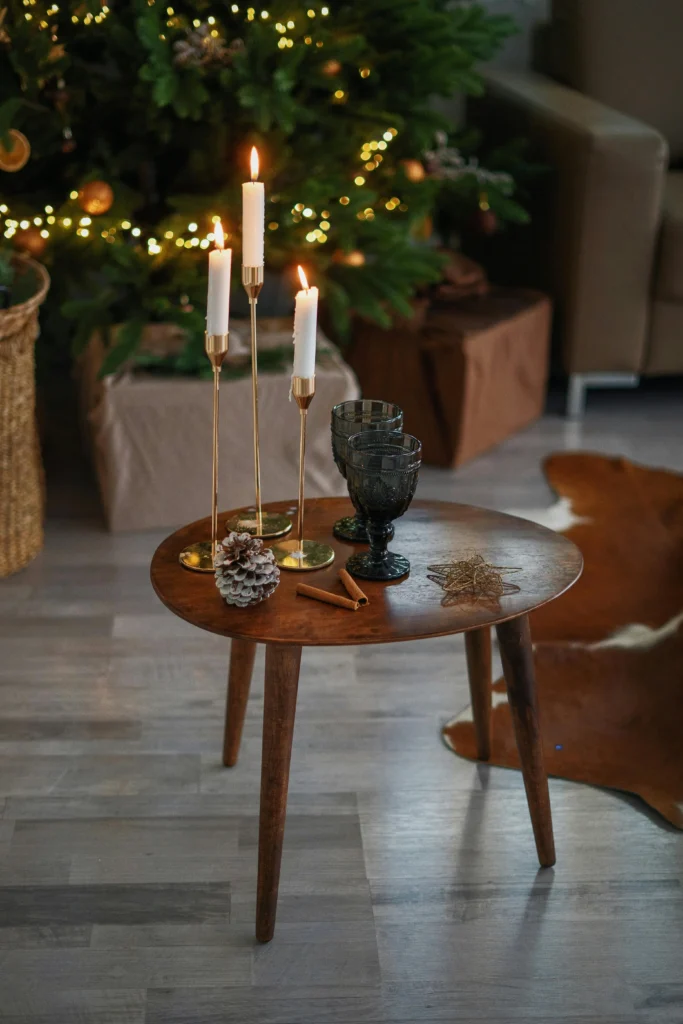
A completely bare dining table can look elegant, but if you prefer a little decor, choose just one intentional piece like a ceramic bowl, a wooden tray, or a single vase. The goal is to keep the table functional while giving it a soft, curated finish.
This one change alone makes the entire space feel calmer.
Choose a Calm, Neutral Color Palette
Minimalist dining rooms thrive on gentle, grounding colors. Think whites, beiges, soft grays, warm taupe, light browns, or muted earth tones. These palettes create a sense of simplicity and balance, making the room instantly more relaxing.
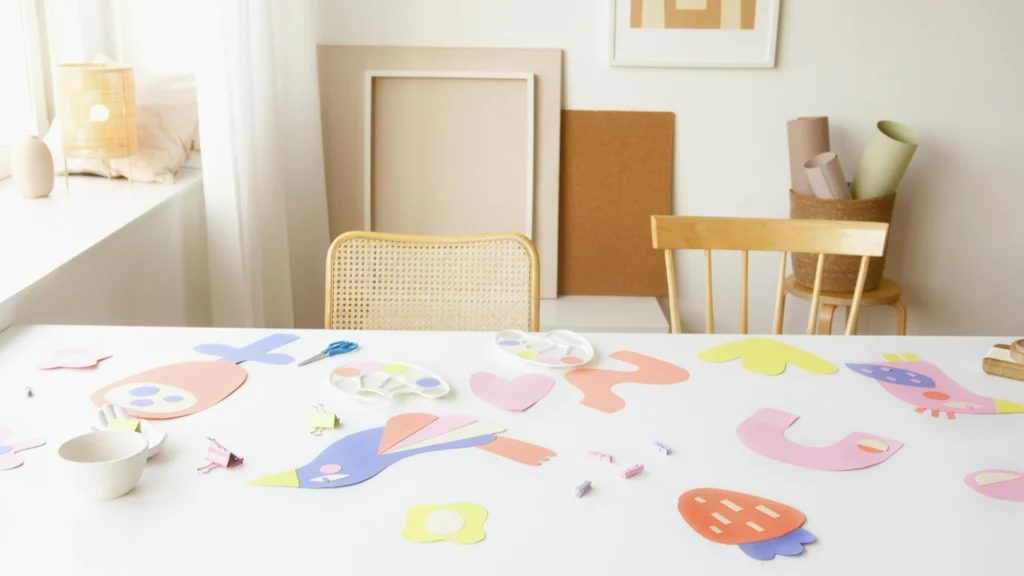
If your chairs or table are already bold or colorful, keep the surrounding decor neutral to avoid visual overload. Neutral color palettes also create beautiful contrast with natural materials like wood, stone, or linen helping each piece stand out without feeling overwhelming.
Use Natural Materials to Add Warmth
Minimalism doesn’t have to feel cold. Natural elements help give your dining room warmth and personality while still staying simple.
Some great minimalist friendly materials include:
- Solid wood (oak, walnut, birch)
- Linen table runners
- Ceramic dinnerware
- Jute or natural-fiber rugs
- Stone or cement planters
- Woven baskets
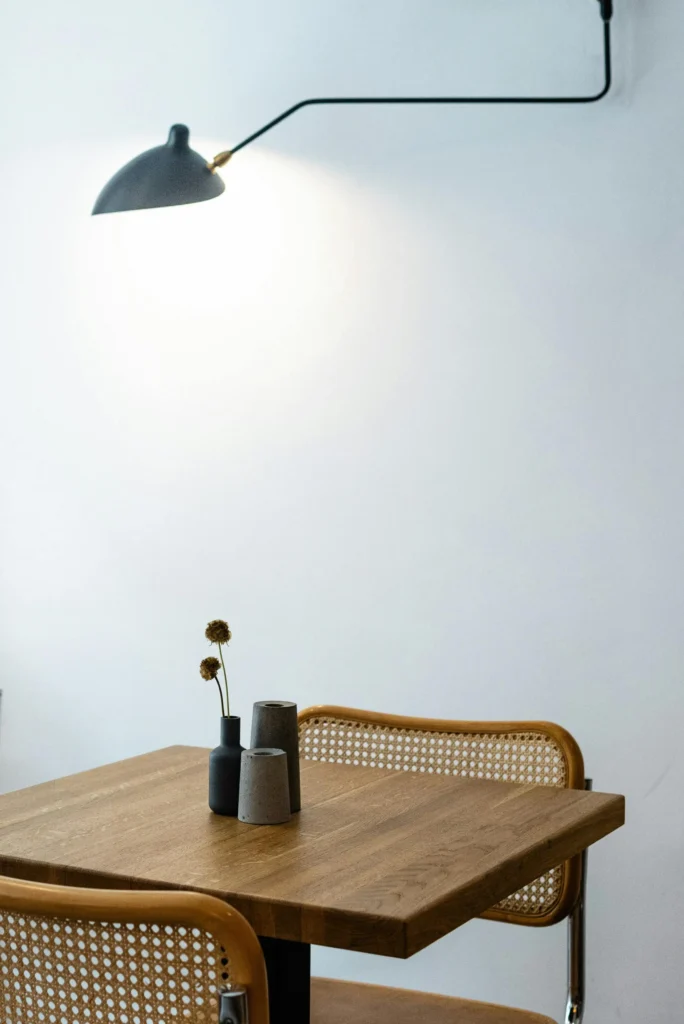
These materials work together harmoniously, adding softness and visual interest without crowding the space.
Let Lighting Become a Statement
The light fixture over the dining table is often the star of the room. In minimalist spaces, the right lighting can set the tone soft, clean, and inviting.
Here are a few minimalist lighting styles that always look good:
- A sleek black or gold linear pendant
- A simple dome or globe pendant in white or glass
- A cluster of small, warm-glow bulbs
- A woven natural pendant for a warm, organic vibe
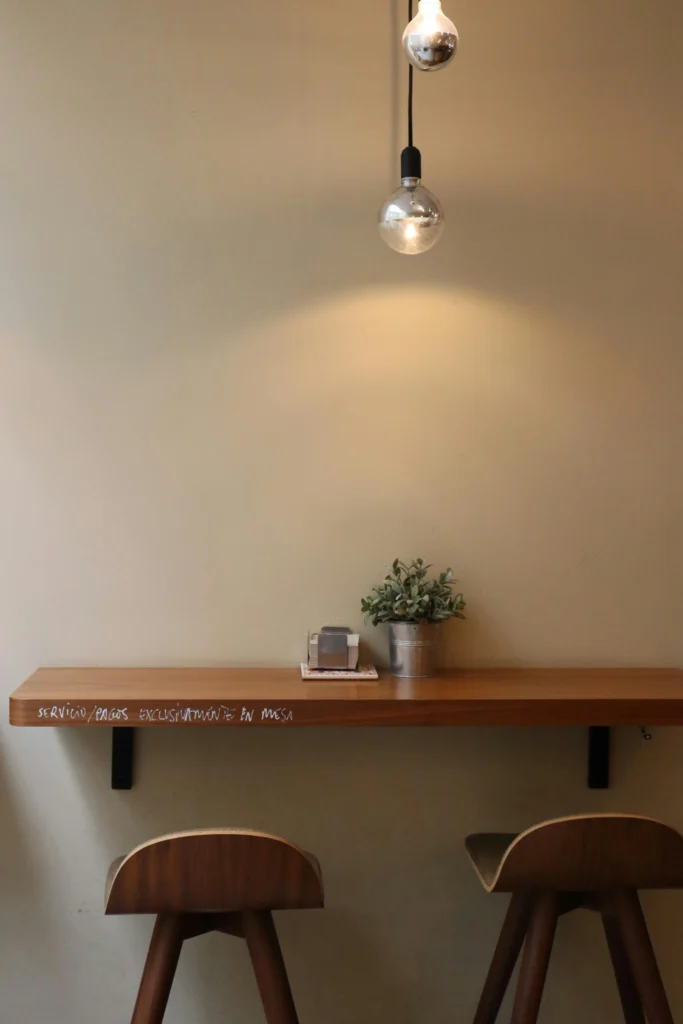
Lighting should feel intentional rather than decorative. Stick to clean lines, warm tones, and simple silhouettes.
Keep the Table Setup Minimal
Many people love setting their dining table with multiple plates, glasses, and layered textiles but a minimalist table celebrates space, not stuff.
For everyday use, keep your table setting very light:
- One set of placemats
- Maybe a runner (optional)
- A single centerpiece
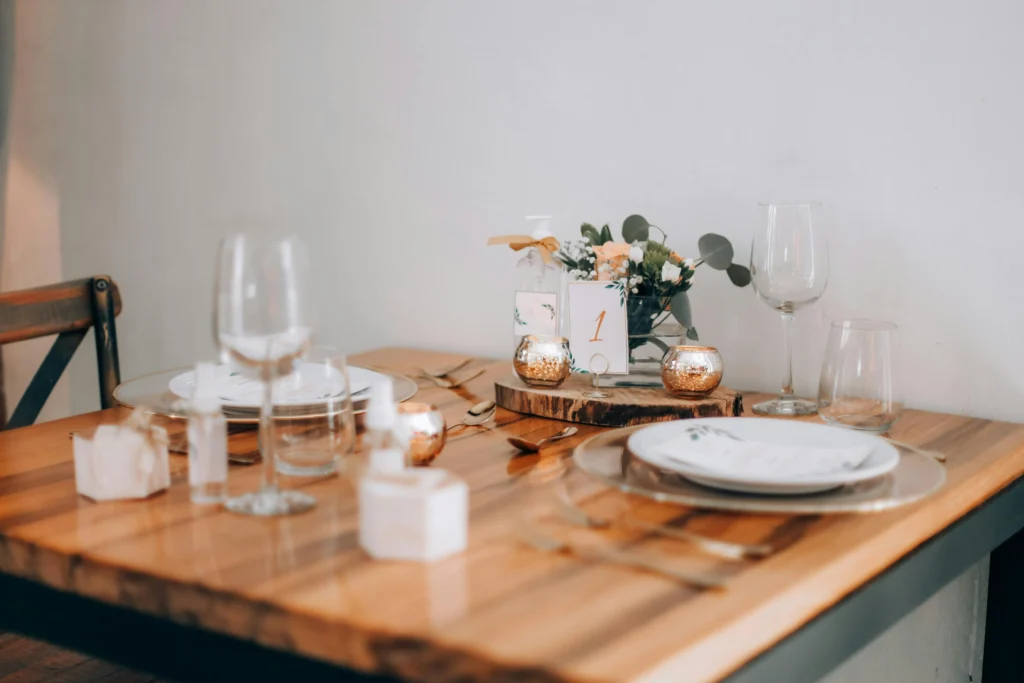
If you want to elevate your dining area for guests without breaking minimalism, try a simple setup with monochrome plates, two glasses per setting, and plain cloth napkins. The key is symmetry and simplicity.
Incorporate Greenery, Not Heavy Decor
Plants bring life into a minimalist dining room without adding clutter. A single plant can make a room feel fresh, balanced, and airy.
Try one of these minimalist approved options:
- A tall plant in the corner
- A small vase with fresh eucalyptus
- A single stem in a ceramic bottle
- A long branch in a slim glass vase for drama
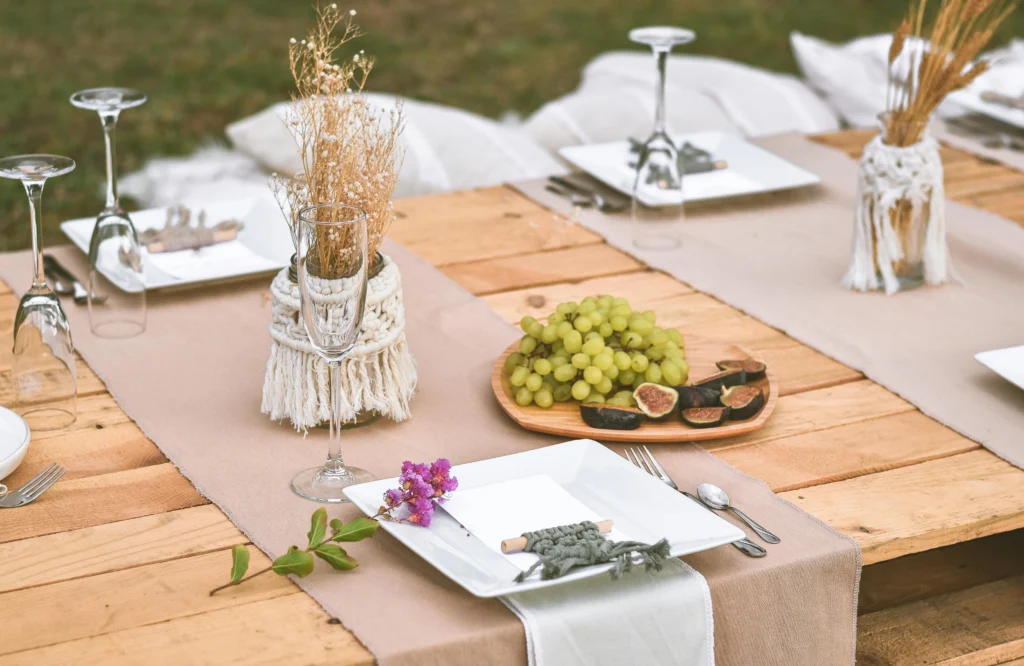
Avoid filling your dining table with multiple tiny plants one focal point is enough.
Use Simple, Functional Storage
If your dining room connects to the kitchen or living room, clutter tends to pile up quickly. A minimalist storage solution keeps everything out of sight but still easy to access.
Consider:
- A slim sideboard with hidden storage
- A floating shelf with a few carefully chosen decor pieces
- A built-in cabinet with clean lines
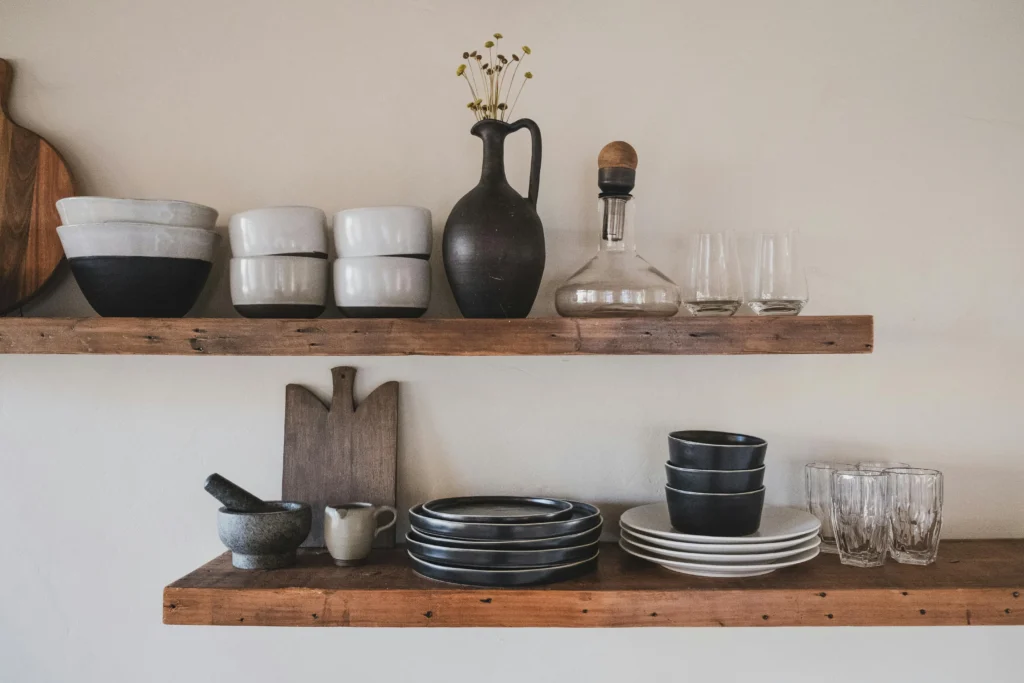
Keep visible surfaces clear or decorated with a maximum of 2–3 simple items.
Keep Artwork Simple and Intentional
Wall decor in a minimalist dining room should feel quiet, not commanding. Large-scale pieces often work better than multiple small ones because they create impact without causing visual busyness.
Here are some minimalist art styles that blend perfectly:
- Line drawings
- Neutral-toned abstract art
- Black-and-white photography
- Oversized typography prints
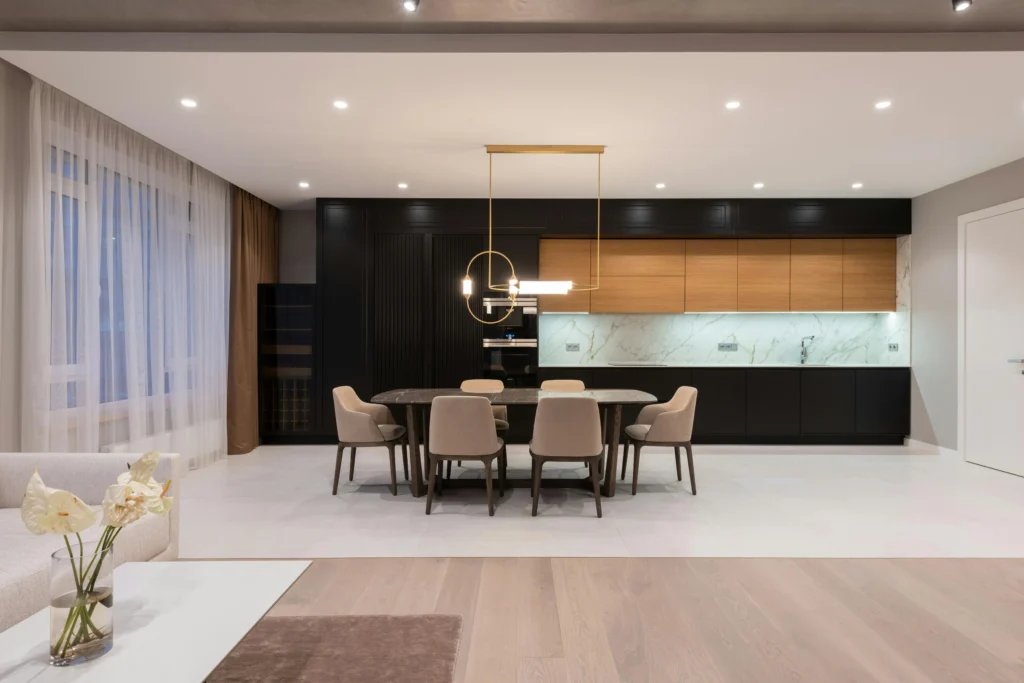
If you choose multiple pieces, space them generously and stick to matching frames to maintain a clean look.
Pay Attention to Chair Shape and Material
Dining chairs influence the room’s entire feel. Minimalist chairs often share these features:
- Clean lines
- Slim silhouettes
- Neutral tones
- Natural materials
- Simple upholstery
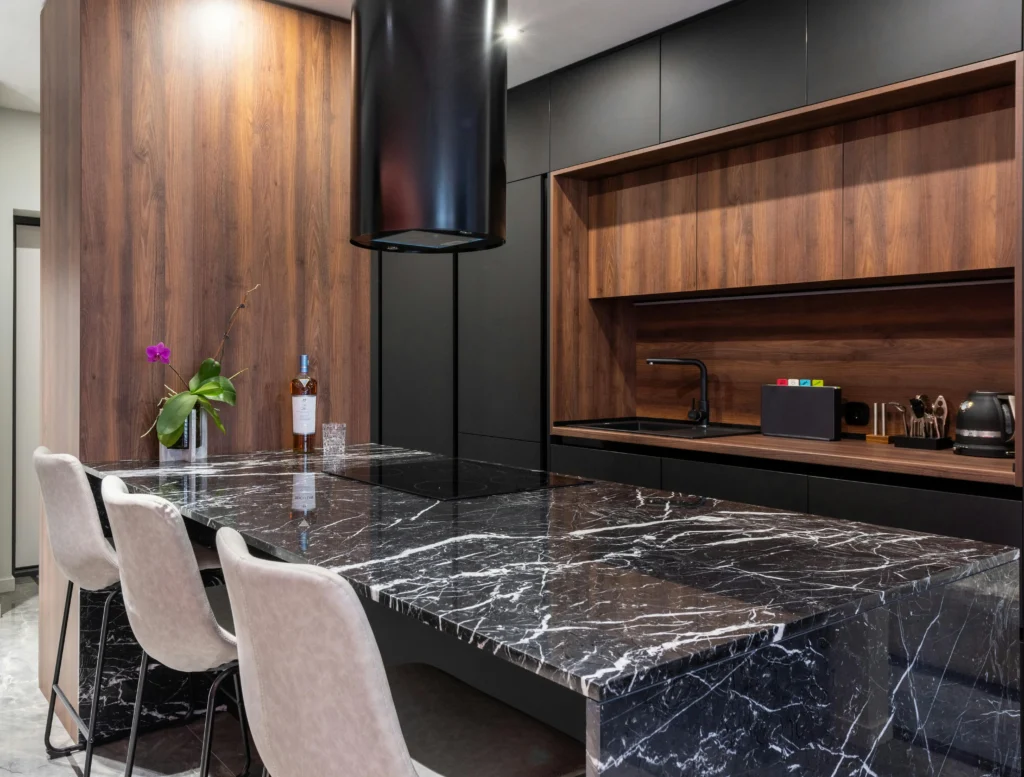
Even if your table is traditional, swapping chairs can give the whole room a modern minimalist makeover.
Add Texture Instead of Clutter
Minimalist spaces rely heavily on texture to create visual interest. Instead of adding more objects, add better materials.
Try incorporating one or two of these:
- A linen or cotton table runner
- A textured rug under the table
- Ribbed ceramics
- Woven baskets
- Matte-finish dinnerware
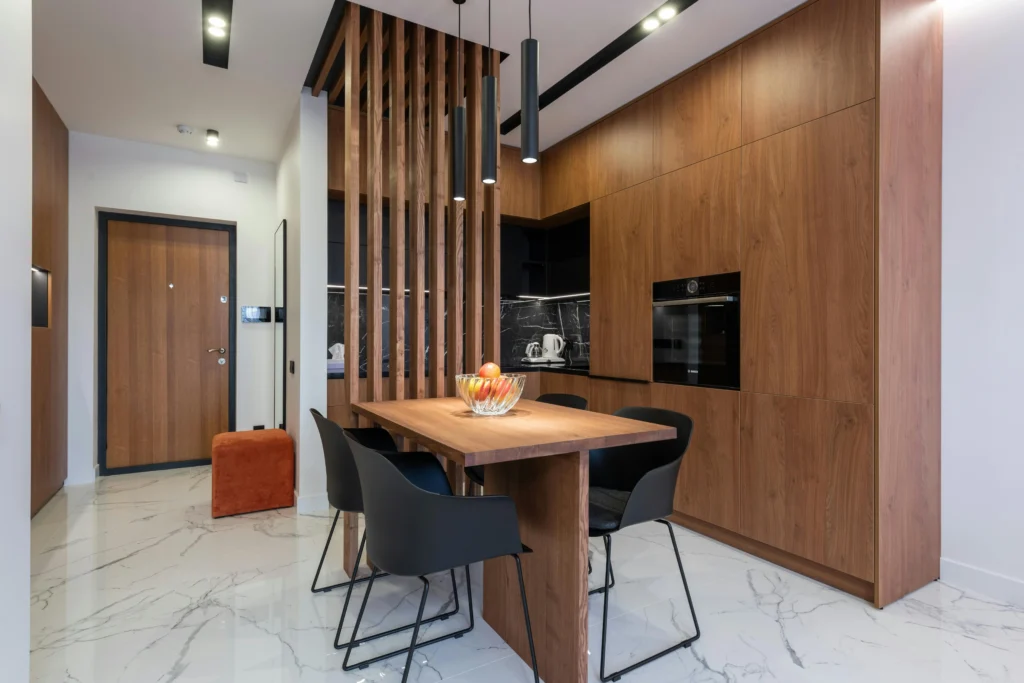
Texture makes the room feel richer, more welcoming, and thoughtfully styled.
Use Symmetry for a Clean, Balanced Look
Minimalist decor looks best when everything feels balanced. Symmetry calms the eye and keeps the room visually organized.
You can try:
- Matching chairs on each side
- Identical vases or candles at the ends of a sideboard
- A centered pendant light over the table
- Artwork hung evenly
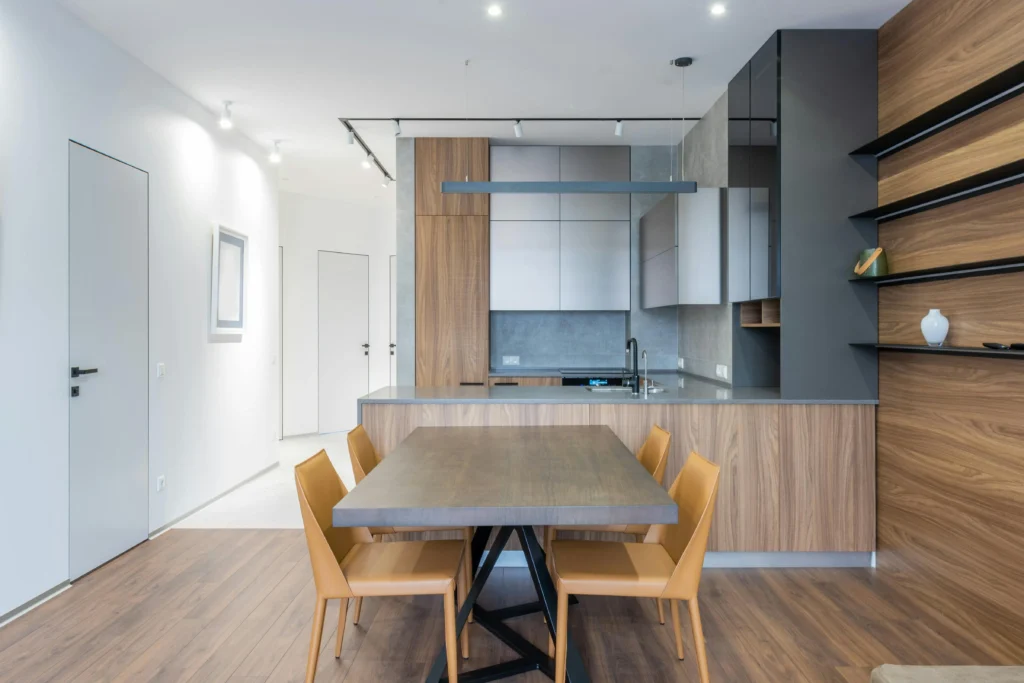
Even if your decor is simple, symmetry makes it feel polished.
Keep Only What You Use
Minimalism isn’t about having less for the sake of it it’s about removing what doesn’t matter so the important things stand out.
Do a quick dining room audit:
- Do you use all the items on your sideboard?
- Are there decorations you don’t really love?
- Is the table filled with things that should be stored elsewhere?
The goal is to create a room where everything has meaning.