
Before & After: Minimalist Kitchen Transformation
There’s something deeply satisfying about a good before and after especially when it comes to your minimalist kitchen. It’s the heart of the home, but it’s also one of the first places where clutter takes over: crowded counter tops, mismatched dishes, and gadgets you haven’t used in years.
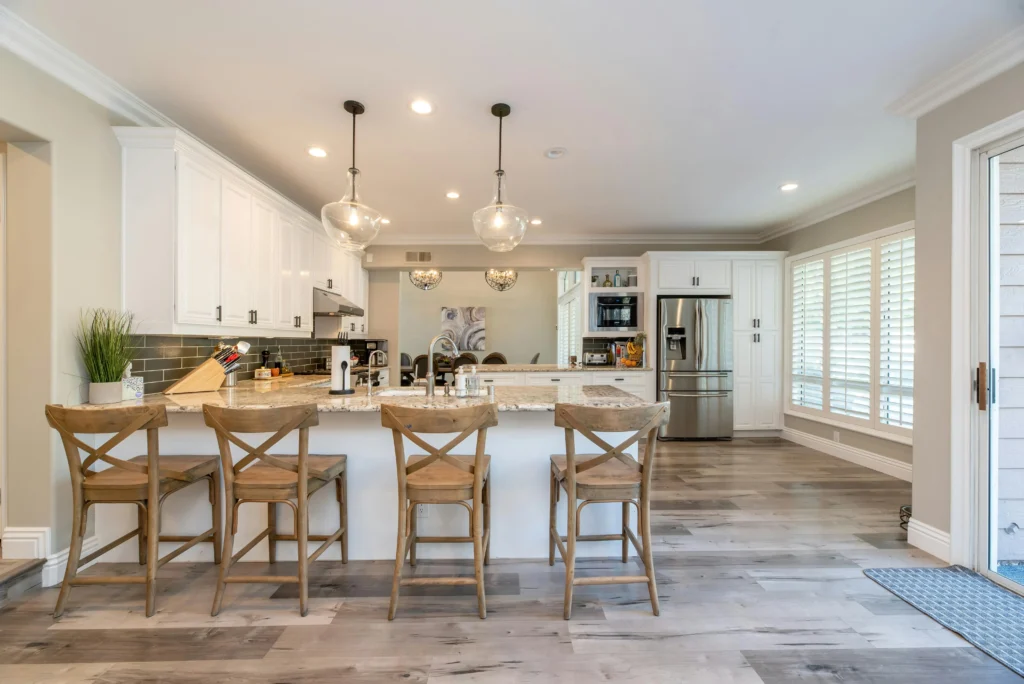
A minimalist kitchen transformation is about more than just clean lines or pretty pictures; it’s about creating a space that feels open, calm, and functional. Whether you live in a cozy apartment or a full sized home, you can turn even the busiest kitchen into a place of simplicity and peace.
Let’s walk through how this transformation happens step by step.
Before: The Cluttered Chaos
Before the transformation, most kitchens share the same story too much stuff, too little space.
Cabinets are filled with duplicate tools, drawers overflow with utensils, and countertops are buried under appliances and spice jars.
The clutter doesn’t just take up space; it takes away your peace.
When everything feels crowded, cooking becomes stressful. You spend more time looking for things than actually enjoying the process.
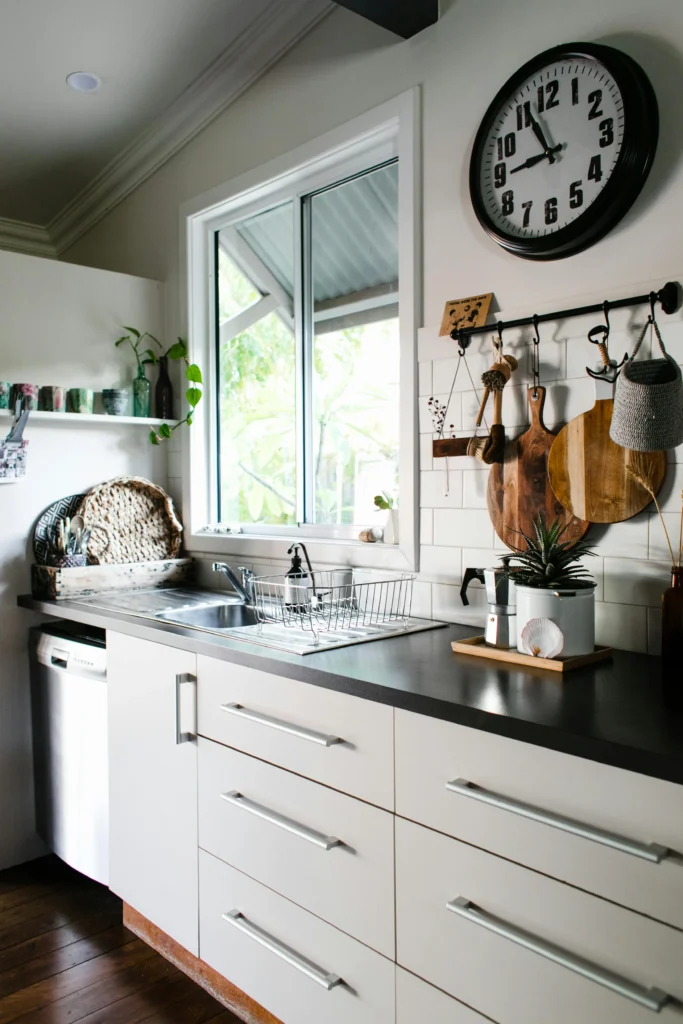
If your kitchen looks anything like this, you’re not alone. The good news? A minimalist makeover doesn’t mean stripping your personality away it means making room for what truly matters.
Clear Everything Out
Every transformation begins with a reset.
Start by taking everything out of your cabinets, drawers, and pantry. Yes, everything.
This step feels overwhelming at first, but it’s the best way to see how much you actually own. Once everything is out, sort it into three simple piles:
- Keep: The essentials you use daily or weekly.
- Donate/Sell: Items still in good shape but rarely used.
- Discard: Broken, expired, or unnecessary pieces.
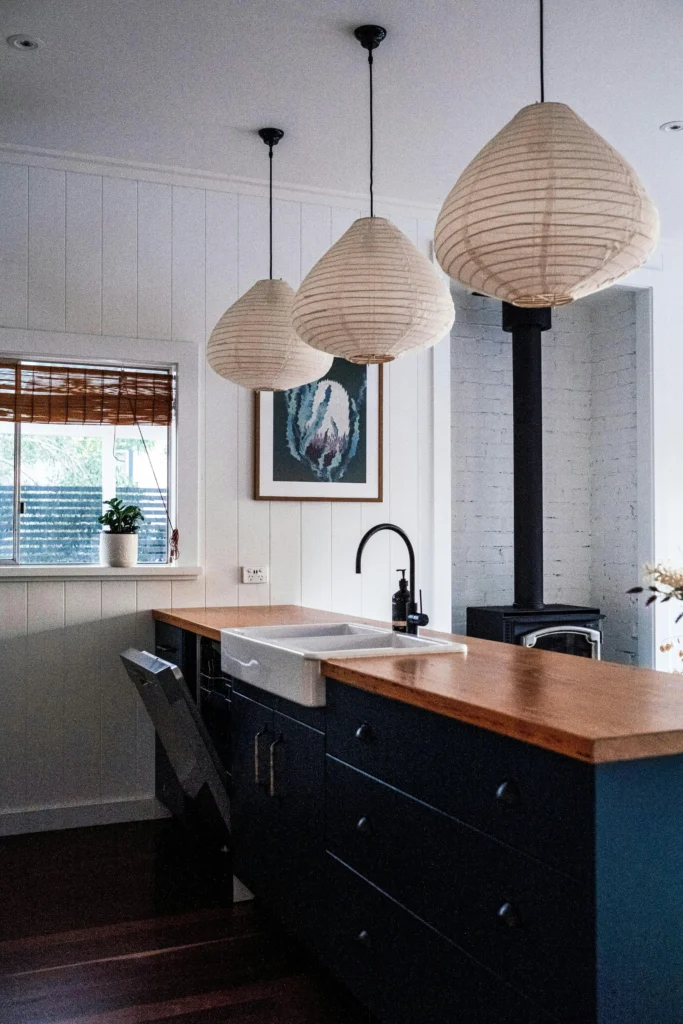
The key is honesty. You don’t need five spatulas, three whisks, and a dozen mismatched mugs.
Minimalism is about intentionality keeping only what supports your lifestyle.
Choose a Neutral, Airy Palette
Once the clutter is gone, the visual transformation begins.
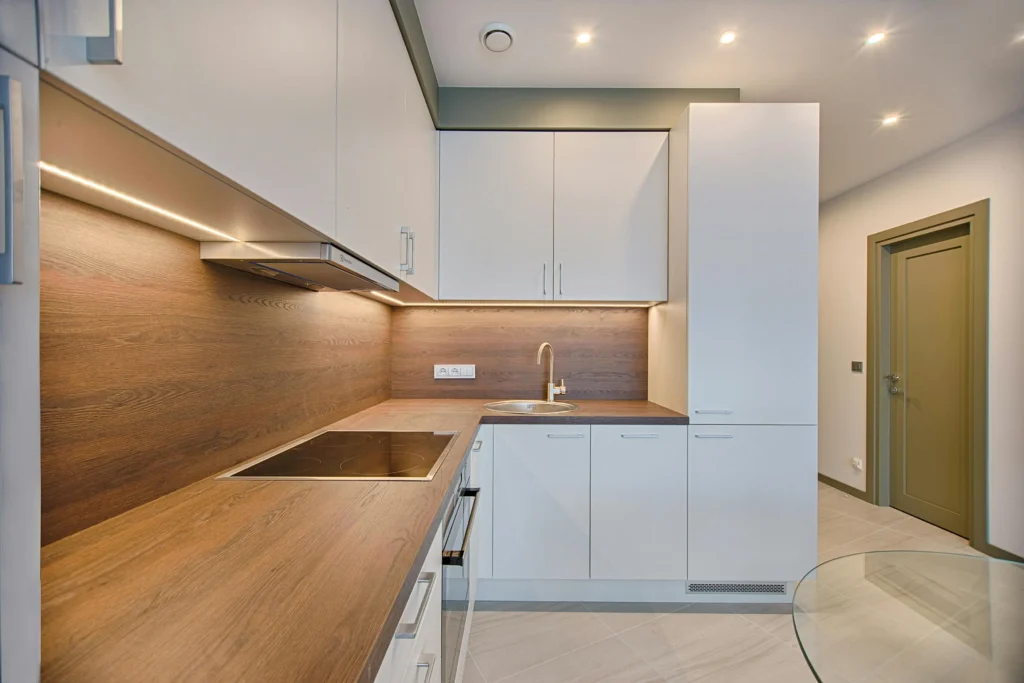
Minimalist kitchens thrive on neutral color palettes whites, creams, soft greys, and natural woods. These tones reflect light, making the space feel bigger and calmer.
If you’re doing a full renovation, consider replacing dark cabinets with white or wood-grain finishes. But even without major changes, small updates like painting walls, adding open shelving, or changing the backsplash can make a big difference.
Simplify the Surfaces
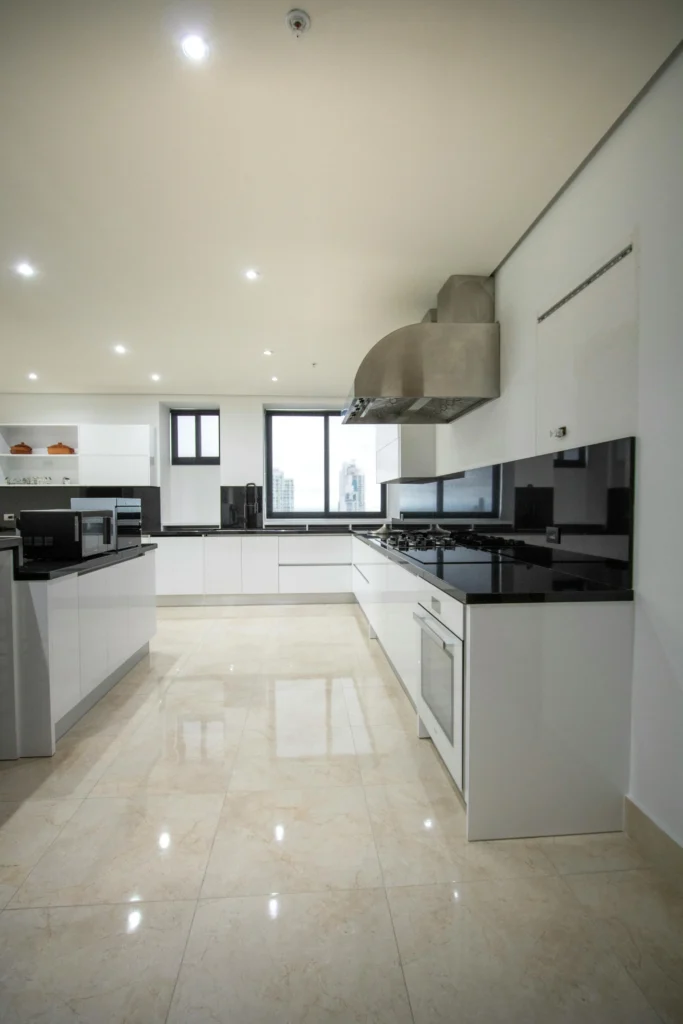
Countertops are the soul of your minimalist transformation.
The goal is to keep them clear only display what you use daily or what brings joy.
A few examples:
- A sleek wooden cutting board
- A matching set of salt and pepper mills
- A potted plant or small vase with fresh greenery
Organize with Intention
Minimalism doesn’t mean hiding everything it means organizing intentionally.
Use clear jars, baskets, and stackable containers to store food and utensils. Label them if needed, but keep the look consistent.
You can even group items by use:
- Cooking Zone: Pots, pans, spatulas, oils
- Prep Zone: Cutting boards, knives, mixing bowls
- Coffee Zone: Mugs, beans, filters, sugar
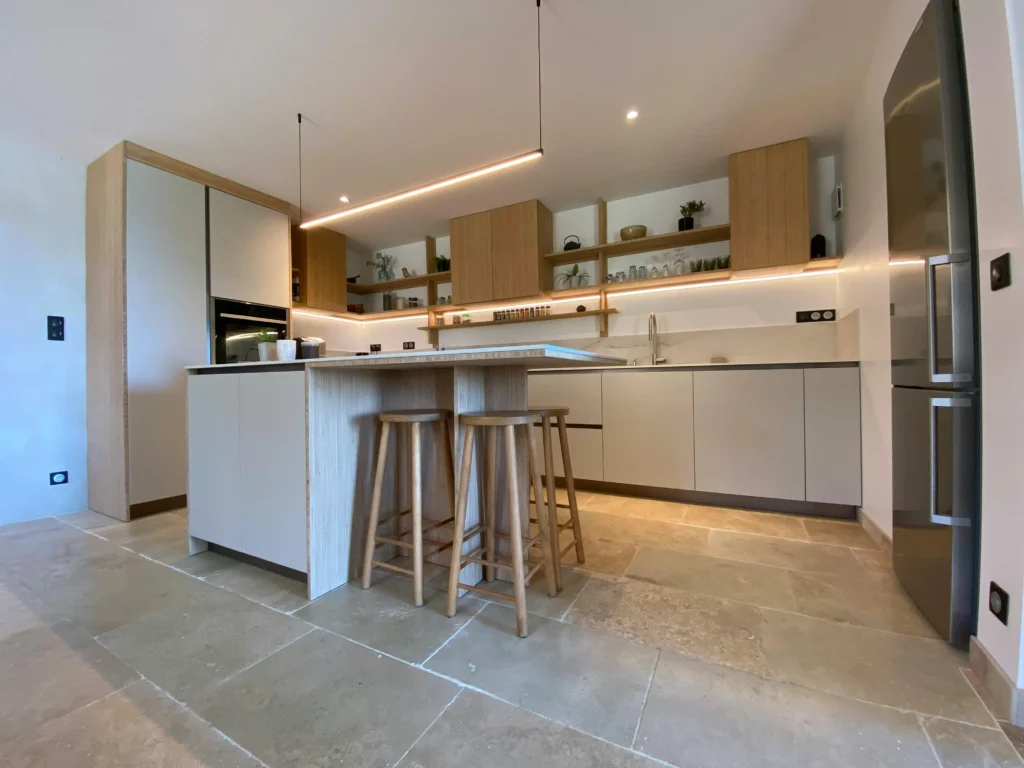
This structure keeps your kitchen functional and beautiful you’ll always know where everything belongs.
Add Warmth with Texture
A minimalist kitchen shouldn’t feel empty or sterile.
Add natural textures like wooden spoons, woven baskets, linen towels, or ceramic bowls. These touches bring warmth and character without creating clutter.
Rethink Lighting and Flow
Lighting changes everything.
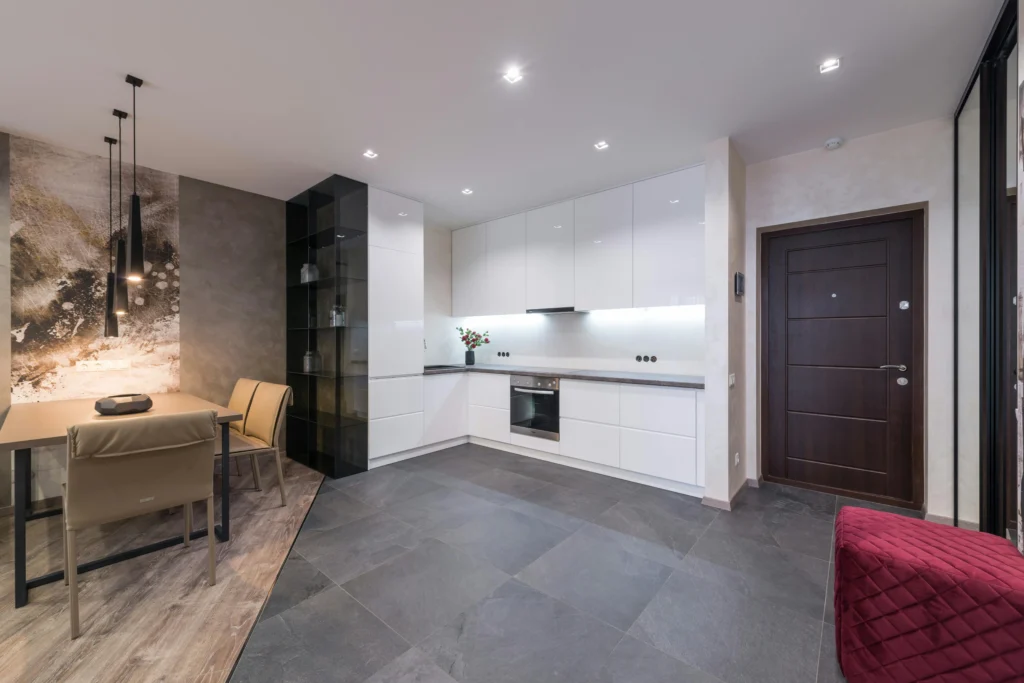
If possible, maximize natural light with simple window treatments. For artificial lighting, opt for soft, warm bulbs and clean-lined fixtures.
You want a glow that feels gentle bright enough for cooking, but calm enough to create a peaceful atmosphere.
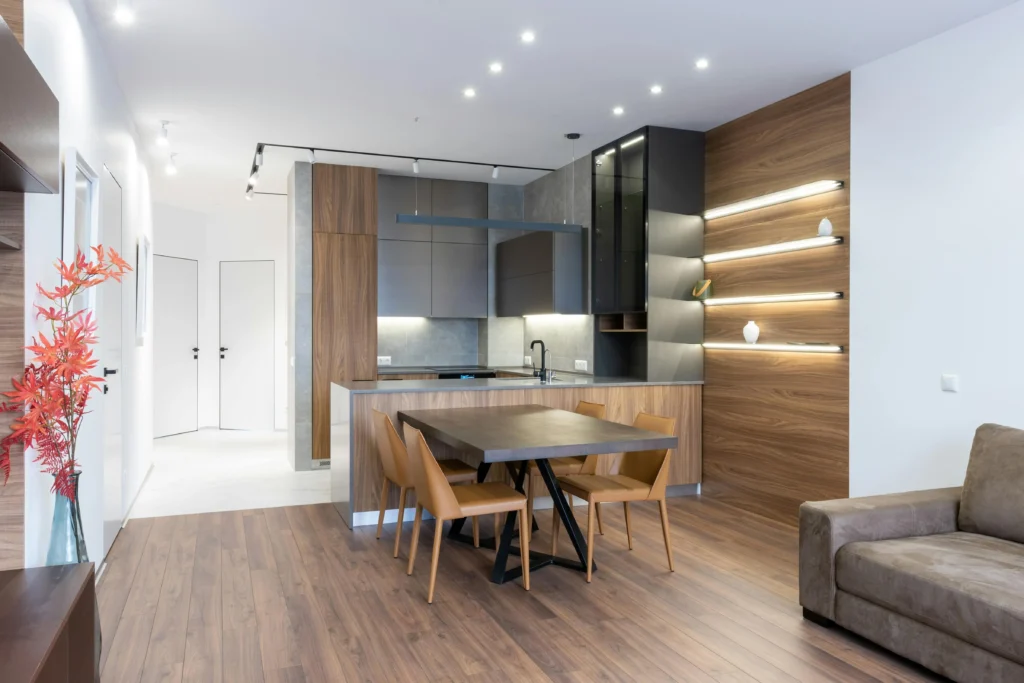
Also, consider the flow of your kitchen.
Move frequently used items to accessible spots, and keep lesser-used things out of the way. A minimalist kitchen isn’t just about aesthetics; it’s about smooth, stress-free function.
After: Calm, Clean, and Connected
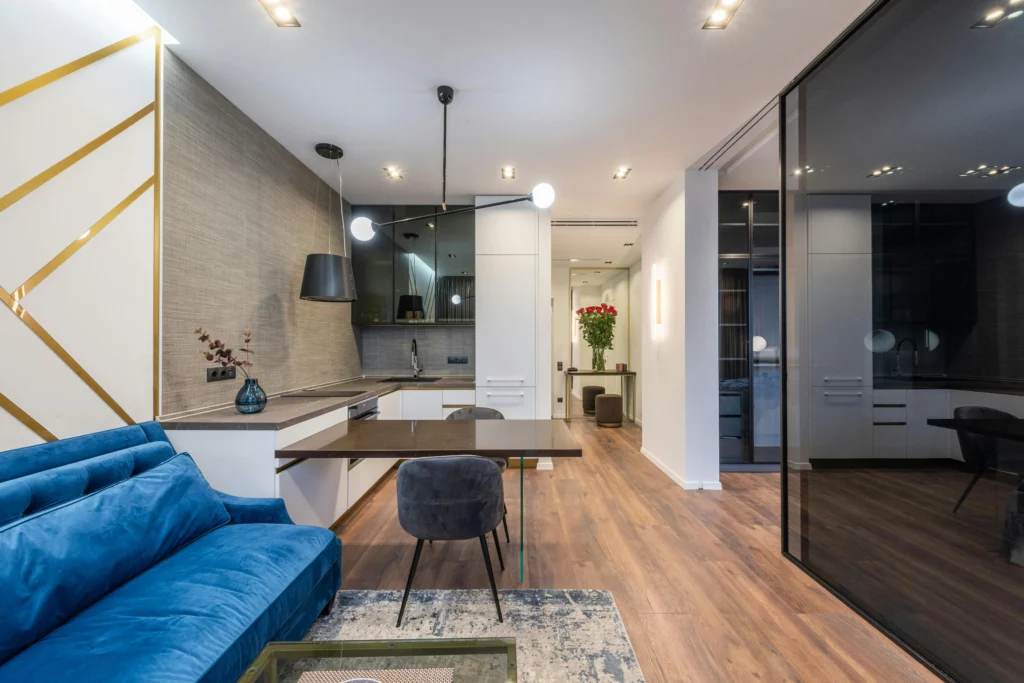
The “after” is more than just a beautiful kitchen it’s a mindset shift.
When you walk in, you’ll notice:
- Open spaces that invite calm.
- Surfaces that reflect light instead of clutter.
- A new sense of balance and purpose.
You’ll cook more joyfully, clean less often, and spend more time enjoying your space.
Where to Find Minimalist Kitchen Pieces
To complete your minimalist transformation, focus on quality, not quantity. Look for:
- IKEA & H&M Home: affordable basics and neutral dinnerware
- CB2 or West Elm: modern minimalist lighting and hardware
- Amazon Basics or MUJI: clean storage jars, utensils, and linens
- Local Home Stores: handcrafted or eco-friendly essentials
Choose durable materials glass, wood, stainless steel, linen and avoid anything overly decorative or disposable.