

17 Low Maintenance Landscaping Ideas for Front Yards
Creating a front yard that looks beautiful without demanding constant work is something every homeowner dreams about. For a Pinterest-loving audience, the goal is even more specific. You want a space that feels styled, intentional, and effortlessly put together while still being realistic to maintain. The good news is that low maintenance landscaping does not mean boring or plain. It simply means designing smarter, choosing the right elements, and letting your yard work for you instead of the other way around.
Think of your front yards as the first impression of your home, but also as a space that should bring ease, not stress. By focusing on simple planting patterns, natural textures, and repeating elements, you can create a polished look that feels curated and cozy. These ideas are designed to give you that dreamy, scroll stopping aesthetic while keeping upkeep minimal and manageable in everyday life.
Desert style planting can still work beautifully near a traditional home
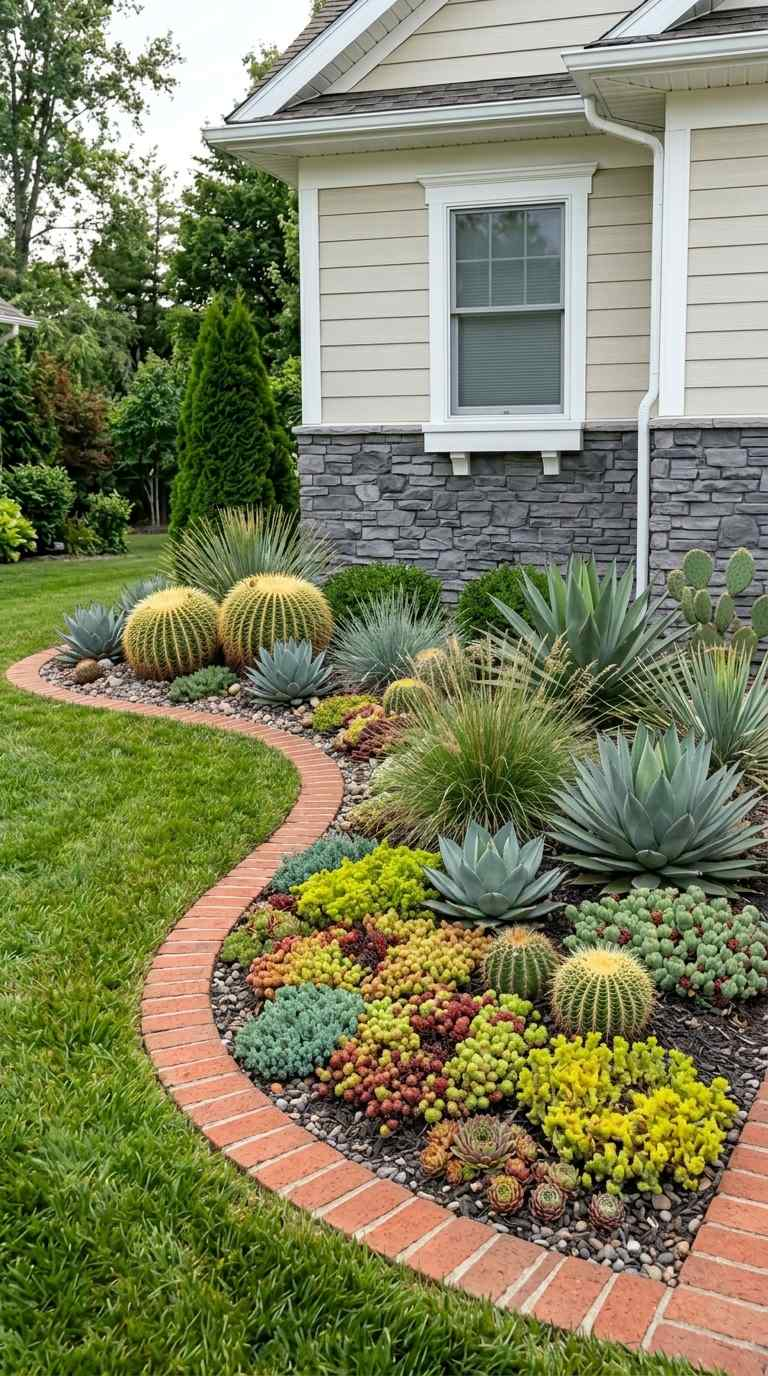
Blending desert inspired landscaping with a traditional home exterior might sound unexpected, but it can create a uniquely balanced and eye catching look. The key is to soften the boldness of desert plants by placing them thoughtfully within the structure of a classic front yard. Think warm toned gravel, structured pathways, and a limited selection of drought tolerant plants arranged in a way that feels intentional rather than wild. This approach keeps maintenance low while still delivering a clean and styled appearance that fits naturally with the home.
To make this idea work, focus on a restrained plant palette. Choose a few standout desert plants like agave or small cacti, then pair them with softer elements such as ornamental grasses or low growing shrubs. This mix prevents the space from feeling too stark or harsh. When placed in small clusters or repeated patterns, these plants create rhythm and cohesion. The contrast between structured architecture and relaxed planting gives the yard a modern yet welcoming personality.
Another important detail is the use of materials. Gravel, stone, and sandy soil tones help tie everything together and reduce the need for constant watering or trimming. Adding a simple border or edging can define the space and keep everything looking neat over time. This style works especially well for homeowners who want something different but still timeless, offering a low effort solution that looks high end and thoughtfully designed.
Framing small planting pockets along a path adds order fast
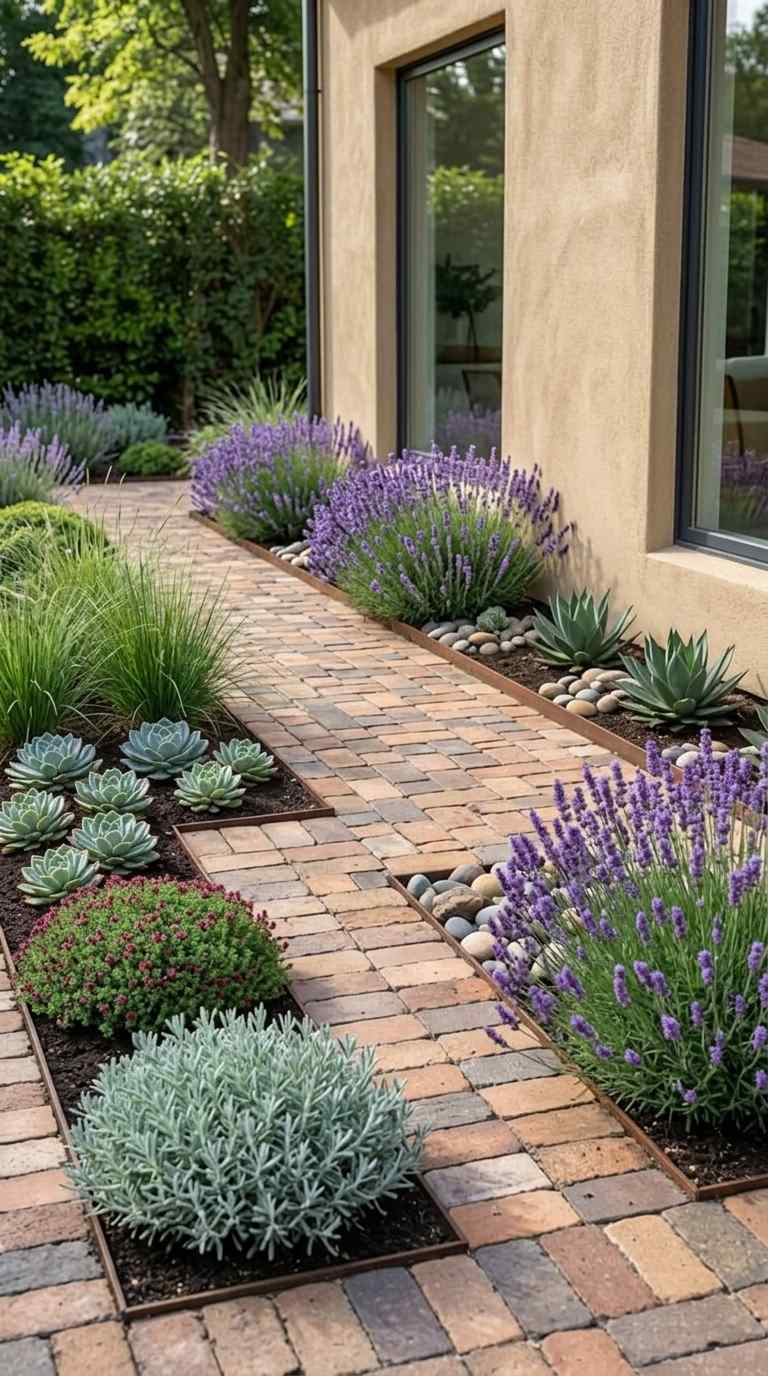
One of the easiest ways to make a front yard feel organized and visually appealing is by creating small, defined planting pockets along a walkway. Instead of large, overwhelming garden beds, these compact sections give the yard a sense of structure without requiring extensive upkeep. Each pocket can be filled with a simple combination of plants, allowing you to maintain consistency while still adding subtle variation throughout the space.
The beauty of this idea lies in its simplicity. By repeating similar shapes and sizes for each planting pocket, the entire yard begins to feel cohesive and intentional. You can use materials like brick, stone, or metal edging to clearly separate each section from the path. This not only enhances the visual appeal but also makes maintenance easier by keeping plants contained and preventing overgrowth from spreading into unwanted areas.
Choosing the right plants is essential for keeping this look low maintenance. Opt for hardy varieties that do not require frequent pruning or watering. Low growing shrubs, ground covers, or even small flowering plants can work beautifully in these pockets. Over time, the repetition of these small, well defined spaces creates a polished look that feels curated and calming, making your front yard both functional and aesthetically pleasing.
Lavender and warm brick paths make a yard feel friendly, not fussy
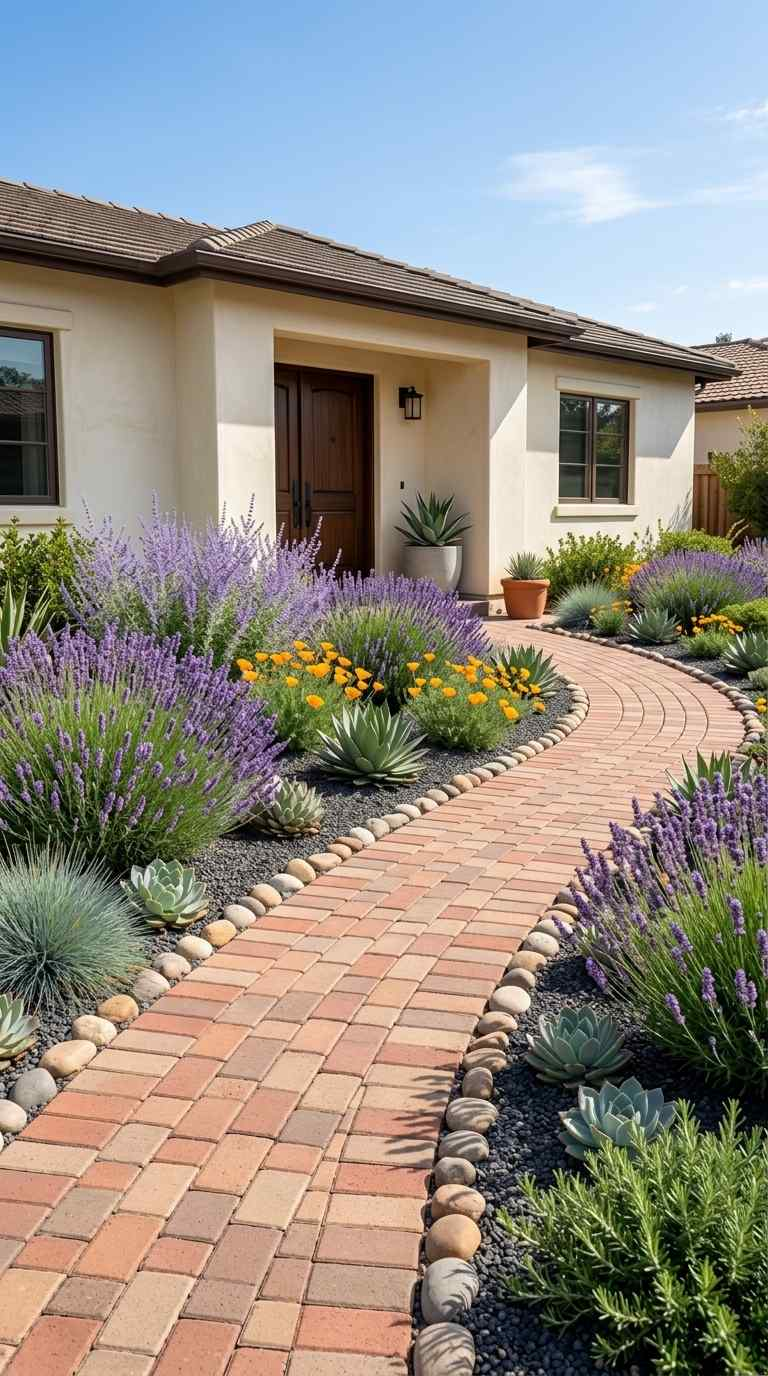
There is something instantly welcoming about the combination of lavender plants and warm toned brick pathways. This pairing brings a soft, relaxed charm to a front yard while still maintaining a sense of structure and design. Lavender, with its gentle color and subtle fragrance, adds a calming element that feels inviting rather than overly styled or complicated. When lined along a brick path, it creates a natural flow that draws the eye and encourages a sense of ease.
This idea works particularly well for those who want a cozy and approachable look without committing to high maintenance gardening. Lavender is known for being relatively easy to care for, requiring minimal watering once established and only occasional trimming to keep its shape. By planting it in rows or clusters along the edges of a pathway, you create a defined border that looks intentional but still relaxed and organic.
The warmth of brick complements the cool tones of lavender beautifully, creating a balanced and harmonious palette. This contrast helps the yard feel layered and thoughtfully designed without becoming overwhelming. Over time, as the plants grow and soften the edges of the path, the entire space begins to feel lived in and welcoming. It is an ideal choice for homeowners who want their front yard to feel friendly, stylish, and easy to maintain all at once.
Black stone and white stone together can look surprisingly polished
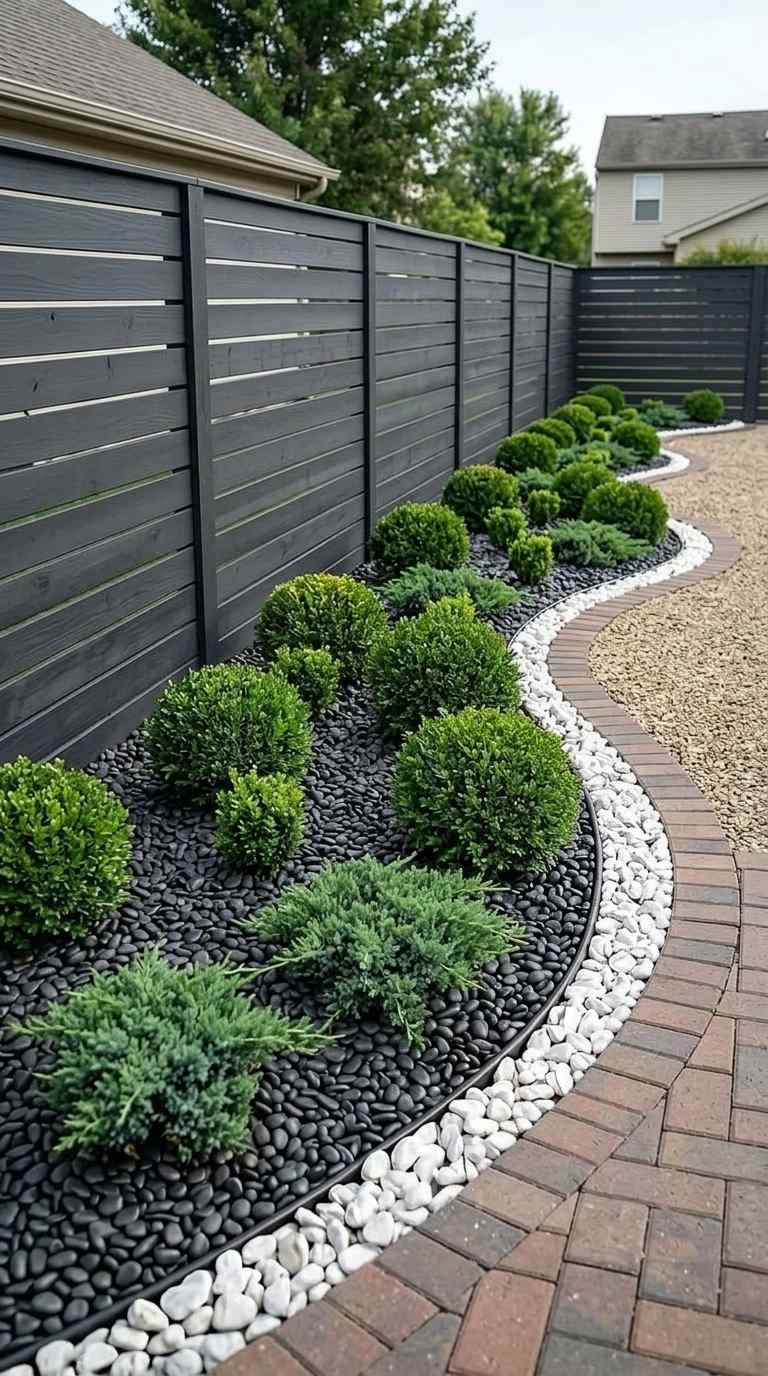
Using black stone and white stone together in a front yard might seem like a bold contrast at first, but when done thoughtfully, it creates a clean and modern look that feels incredibly polished. This combination works so well because it relies on simplicity and contrast rather than complexity. The dark tones ground the space, while the lighter stones brighten it, making even a small yard feel more open and visually balanced. It is an ideal approach for anyone who wants a striking yet low maintenance design.
To make this pairing feel cohesive instead of chaotic, it is important to define clear sections within the yard. You can use white stone in planting areas to highlight greenery, while black stone can be used for pathways or borders to anchor the design. Keeping the layout structured ensures that the contrast feels intentional rather than random. Repeating this pattern across the yard helps tie everything together and creates a sense of rhythm that is both calming and visually appealing.
Another advantage of this idea is how easy it is to maintain over time. Stones do not require watering, trimming, or seasonal replacement, which makes them perfect for busy homeowners. When paired with a few low maintenance plants like evergreens or ornamental grasses, the overall look remains fresh and tidy with minimal effort. This combination is perfect for creating a front yard that feels modern, crisp, and effortlessly stylish without constant upkeep.
Brick walkways feel warmer when paired with succulents and soft blooms
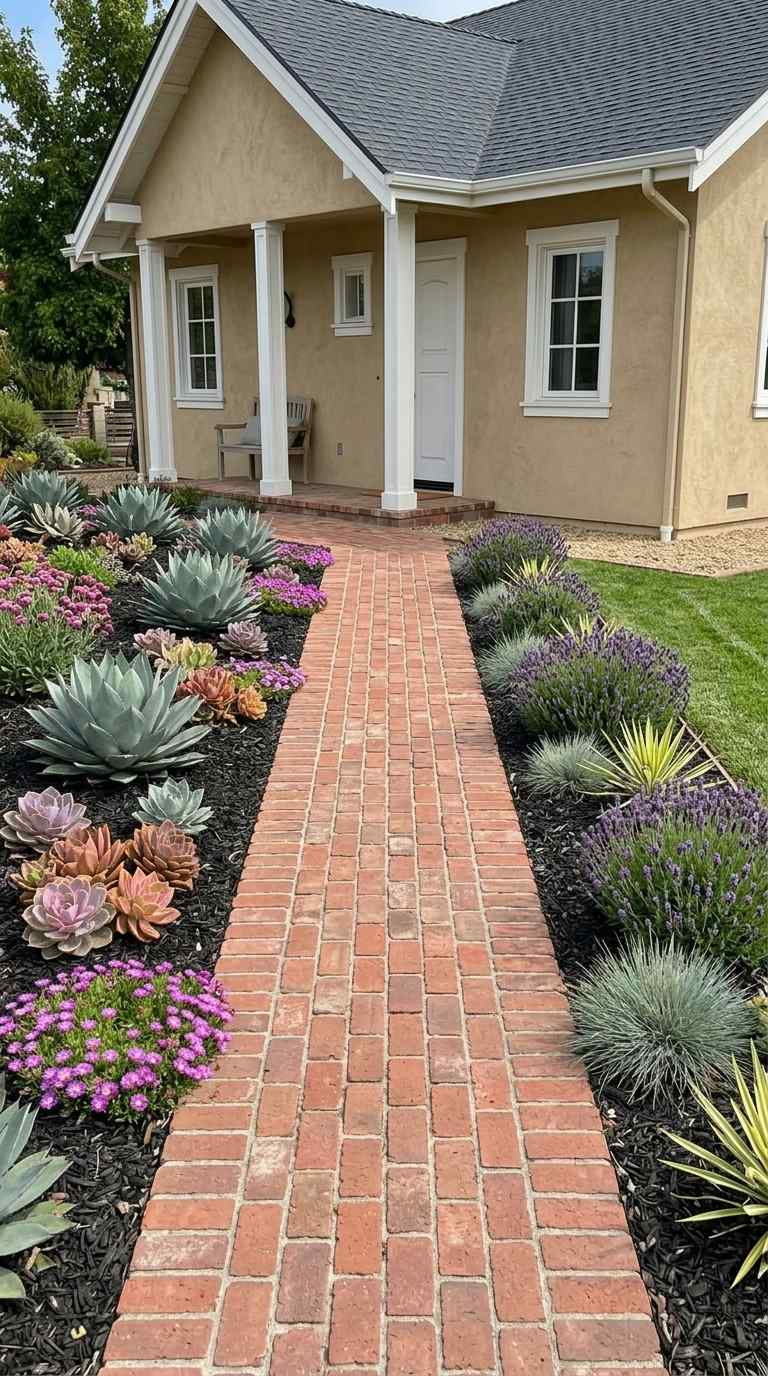
Brick walkways already bring a sense of warmth and charm to a front yard, but when you pair them with succulents and soft blooming plants, the entire space becomes even more inviting. The structured, earthy look of brick contrasts beautifully with the gentle shapes and colors of plants, creating a balanced design that feels both grounded and lively. This approach is perfect for those who want a welcoming aesthetic that still feels simple and easy to manage.
Succulents are an excellent choice for low maintenance landscaping because they require very little water and thrive in a variety of conditions. When placed along the edges of a brick walkway, they add texture and visual interest without creating extra work. To soften the look, you can mix in a few flowering plants with subtle colors. This combination prevents the space from feeling too rigid while still maintaining a clean and organized appearance.
The key to making this idea work is consistency. By repeating similar plant groupings along the length of the walkway, you create a cohesive flow that guides the eye naturally through the yard. Over time, the plants will settle into their space and enhance the overall look without demanding constant attention. This pairing of brick, succulents, and soft blooms creates a front yard that feels warm, relaxed, and effortlessly beautiful.
Repeating round shrubs can make a simple courtyard feel elegant
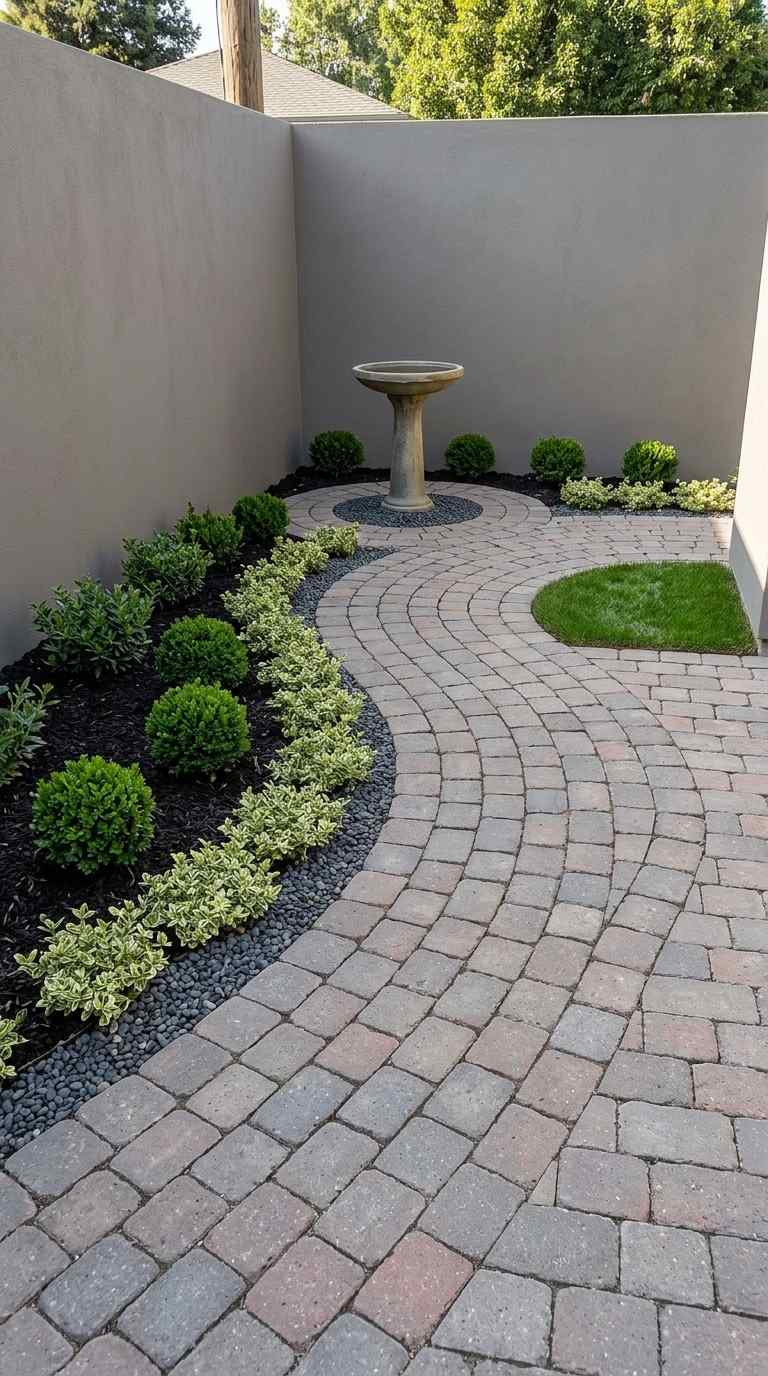
There is something timeless about the use of round shrubs in landscaping, especially when they are repeated in a thoughtful pattern. This simple technique can instantly elevate a front yard or courtyard, giving it a sense of elegance without adding complexity. The uniform shape of the shrubs creates visual harmony, while their repetition brings a sense of order that feels calming and refined. It is a perfect example of how less can truly be more in design.
To achieve this look, choose one type of shrub that naturally grows into a rounded shape or can be easily trimmed into one. Plant them at even intervals along a pathway, around a courtyard, or within defined garden beds. The spacing should feel balanced and consistent, allowing each shrub to stand out while still contributing to the overall design. This repetition helps create a rhythm that makes the space feel intentional and well planned.
One of the biggest advantages of using round shrubs is their low maintenance nature. Once established, they require only occasional trimming to maintain their shape, making them a practical choice for busy homeowners. Paired with simple ground cover or gravel, they can form the backbone of a clean and elegant front yard. This approach delivers a polished look that feels classic, structured, and easy to care for over time.
Curved river rock borders make the whole yard feel smoother
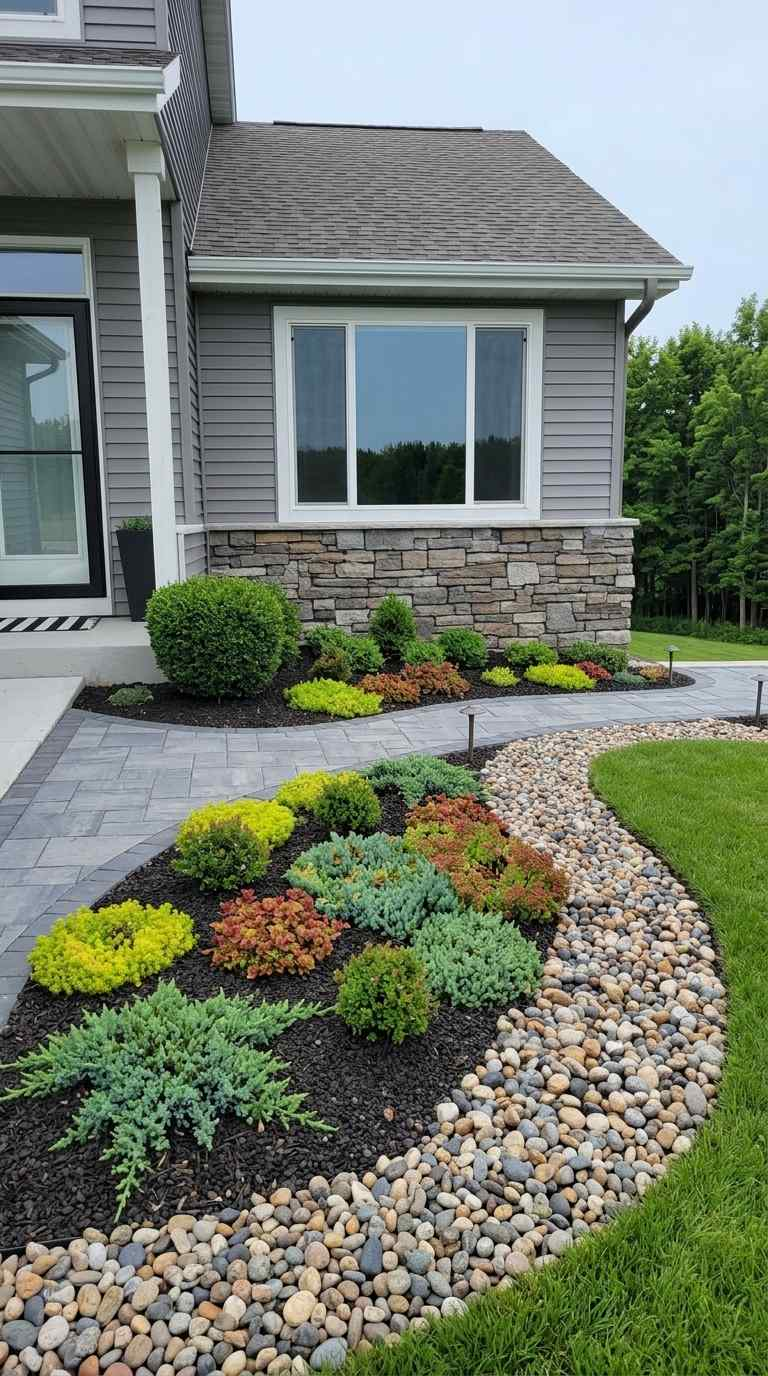
Curved river rock borders are a simple yet powerful way to soften the overall look of a front yard while keeping maintenance to a minimum. Straight lines can sometimes feel rigid or harsh, especially in smaller spaces, but gentle curves create a more natural flow that is easy on the eyes. River rocks, with their smooth texture and organic shapes, enhance this effect by bringing a relaxed and grounded feel to the landscape. Together, they help the yard feel more connected and visually balanced.
To make this idea work beautifully, focus on creating subtle, flowing lines that guide the eye through the space. Instead of sharp corners or abrupt edges, allow the borders to curve naturally around planting areas, pathways, or focal points. This approach makes even a simple yard feel more thoughtfully designed. The river rocks can act as a clean divider between grass, gravel, or planting beds, keeping everything neatly separated without looking overly structured.
Another benefit of using river rock borders is how low maintenance they are over time. Once placed properly with a good base layer, they require very little upkeep compared to traditional edging materials. They also help with drainage and prevent soil from spilling into other areas. Combined with a few hardy plants, this design creates a front yard that feels calm, cohesive, and effortlessly polished without constant work.
Combine gravel, pavers, and mulch for layers without clutter
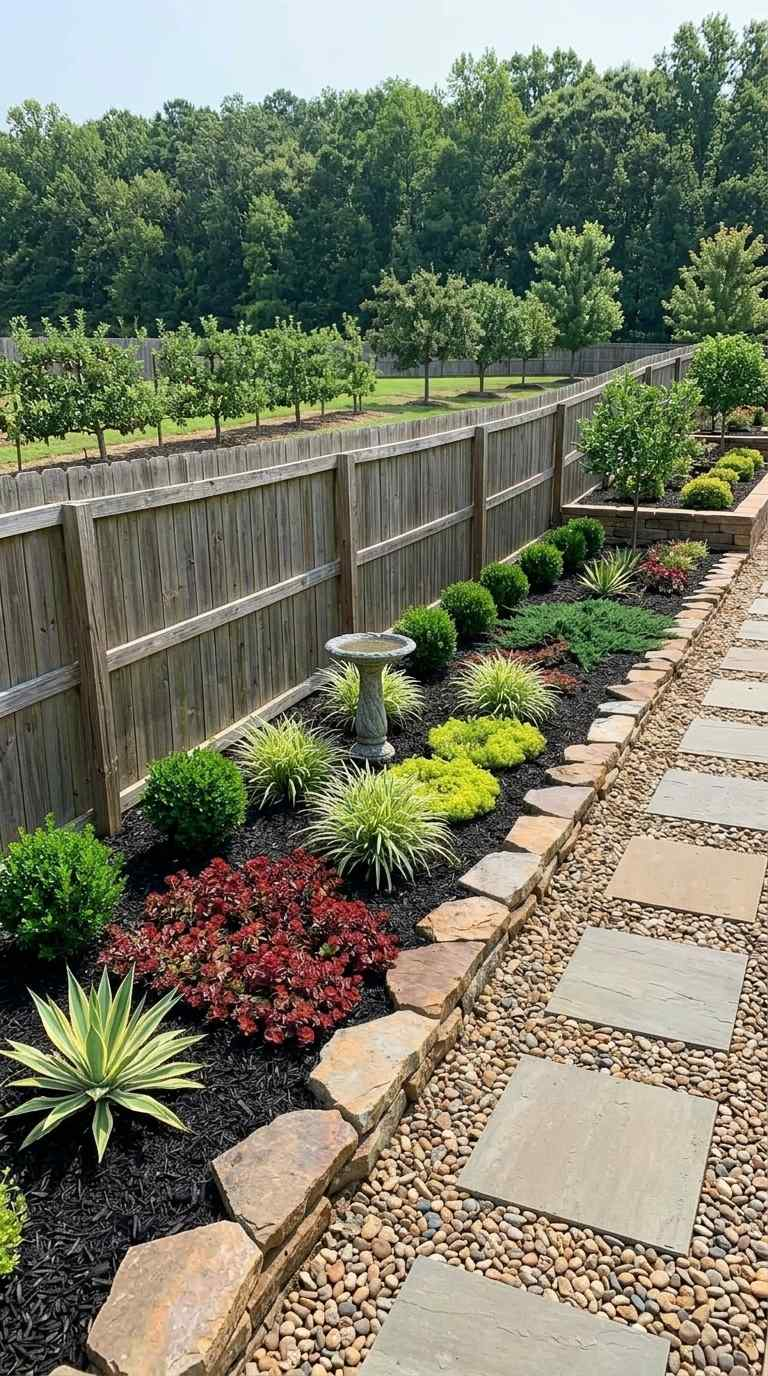
Layering different materials like gravel, pavers, and mulch is a smart way to add depth and interest to a front yard without making it feel busy or overwhelming. Each material brings its own texture and function, and when used thoughtfully, they can work together to create a clean and balanced design. This layered approach allows you to define spaces clearly while still maintaining a simple and low maintenance layout that is easy to manage.
The key to success with this idea is to assign each material a clear role within the design. Gravel can be used for open areas or filler spaces, pavers can create structure through walkways or stepping paths, and mulch can highlight planting zones. By keeping these materials in their own defined sections, you avoid visual clutter and ensure the yard feels organized. Repeating these elements throughout the space also helps create a sense of unity.
Maintenance is another reason why this combination works so well. Gravel and pavers require little attention beyond occasional cleaning, while mulch helps retain moisture and reduce weed growth in planting areas. Together, they minimize the need for constant upkeep while still delivering a layered, designer inspired look. This approach is perfect for creating a front yard that feels rich in texture yet calm and easy to care for.
Keep the plant list small and repeat it on purpose
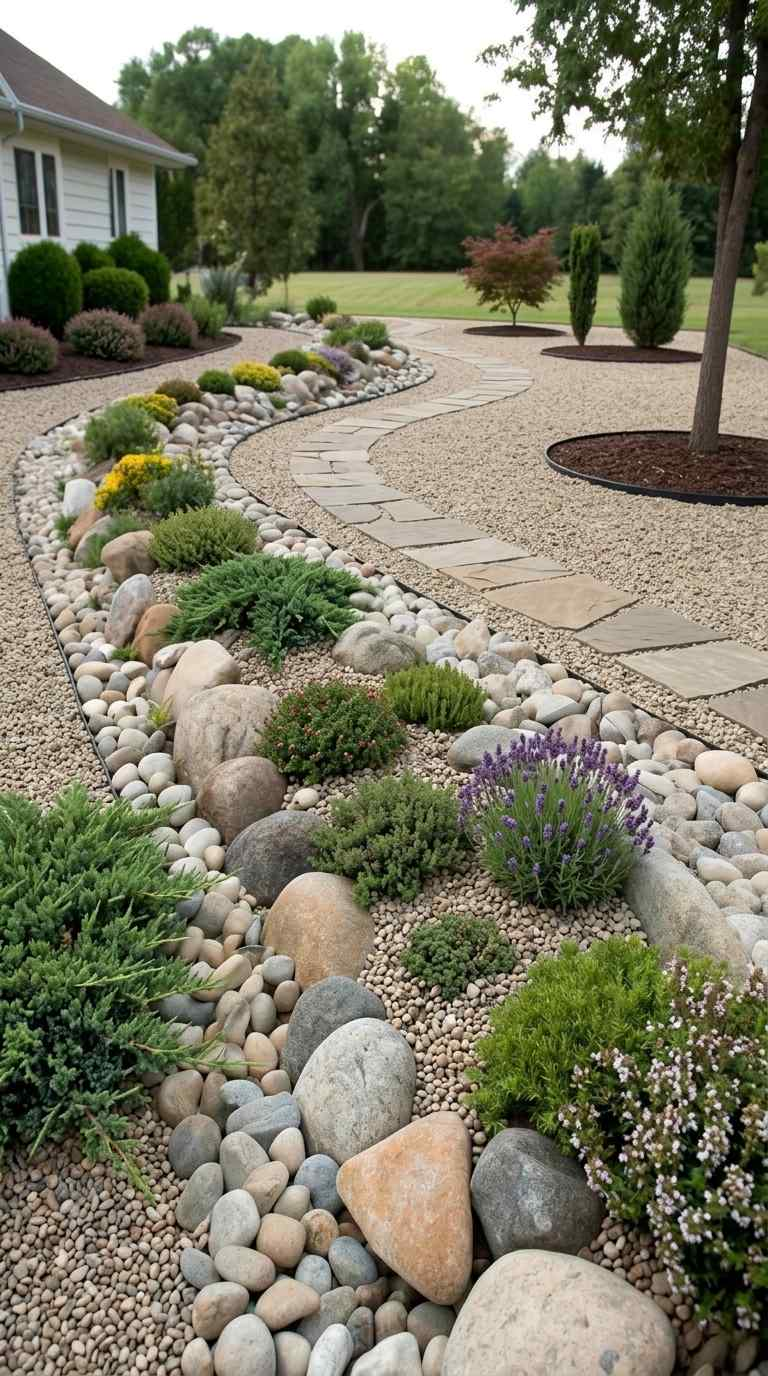
One of the most effective strategies for low maintenance landscaping is to keep your plant selection simple and repeat it throughout the yard. Instead of using a wide variety of plants that require different types of care, choosing just a few reliable options makes everything easier to manage. This approach not only reduces maintenance but also creates a more cohesive and visually pleasing design that feels intentional and well curated.
Repeating the same plants in different areas of the yard helps establish rhythm and consistency. When the eye sees familiar shapes and colors appearing again and again, the entire space feels more connected and harmonious. This technique works especially well in smaller front yards, where too much variety can make the space feel cluttered. A limited palette allows each plant to stand out while still contributing to the overall design.
From a practical perspective, having fewer plant types means you can better understand their needs and care for them more effectively. Watering, pruning, and seasonal maintenance become much simpler when everything follows a similar routine. Over time, this creates a front yard that looks polished and thoughtfully designed without requiring constant attention. It is a smart and stylish way to achieve a low maintenance landscape that still feels full of life.
Raised stone beds create polish and control
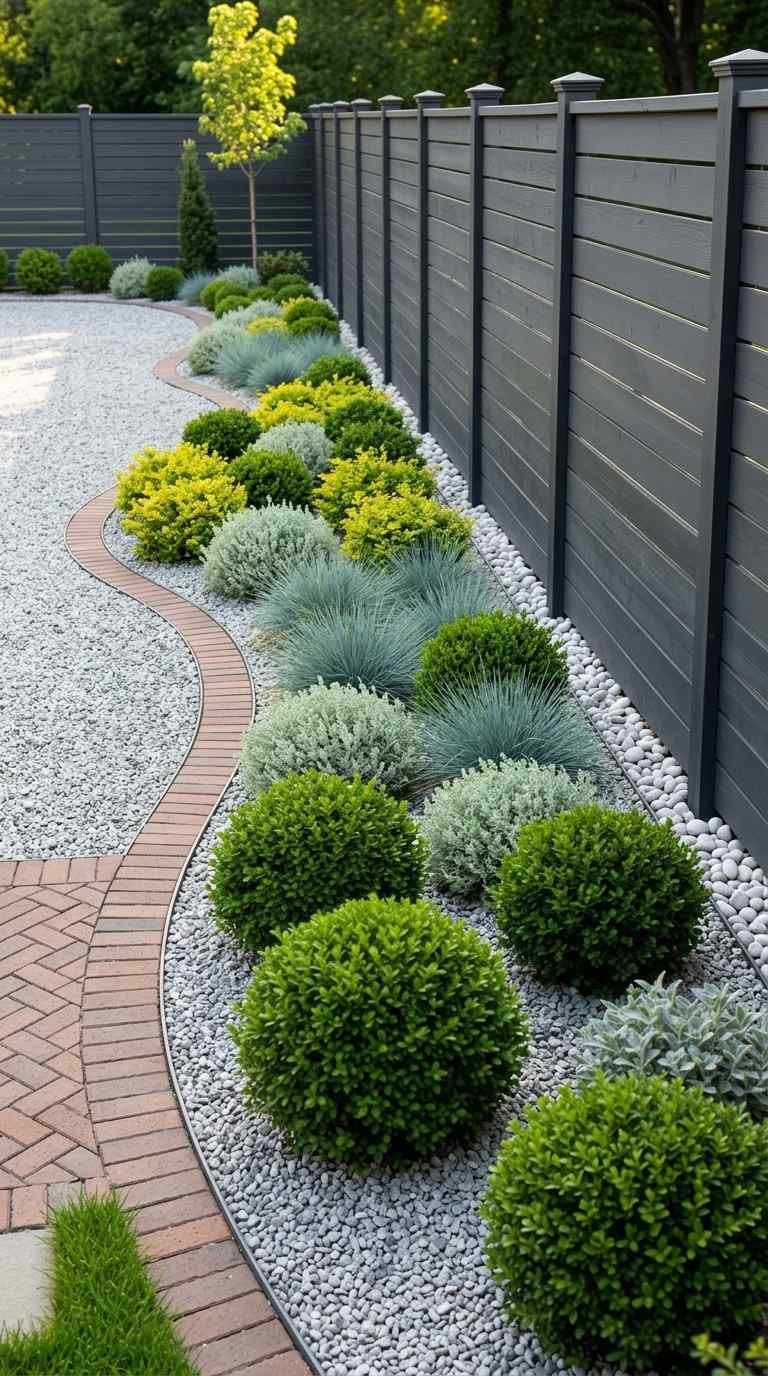
Raised stone beds are one of the easiest ways to give a front yard a refined and structured look while keeping everything manageable. They instantly create a sense of order by clearly defining where plants begin and end, which helps the entire space feel more intentional. The natural texture of stone adds a timeless quality that works beautifully with both modern and traditional homes. At the same time, the raised height brings plants closer to eye level, making the yard feel fuller and more styled without requiring a large amount of space.
Designing raised stone beds does not have to be complicated to look impressive. Keeping the shapes simple and clean allows the materials and plants to stand out without overwhelming the space. You can choose neutral toned stone for a soft, classic feel or slightly darker shades for a more contemporary look. Filling the beds with a small selection of low maintenance plants helps maintain a consistent appearance while ensuring that upkeep stays minimal and easy to manage throughout the seasons.
Another major advantage of raised beds is the level of control they offer. Soil quality, drainage, and plant placement can all be managed more effectively, which leads to healthier plants with less effort over time. Because everything is contained, there is less risk of weeds spreading or soil shifting into other areas. This makes raised stone beds a practical and stylish solution for homeowners who want a polished front yard that remains neat and easy to care for year after year.
Curved paths and beds make the yard feel softer
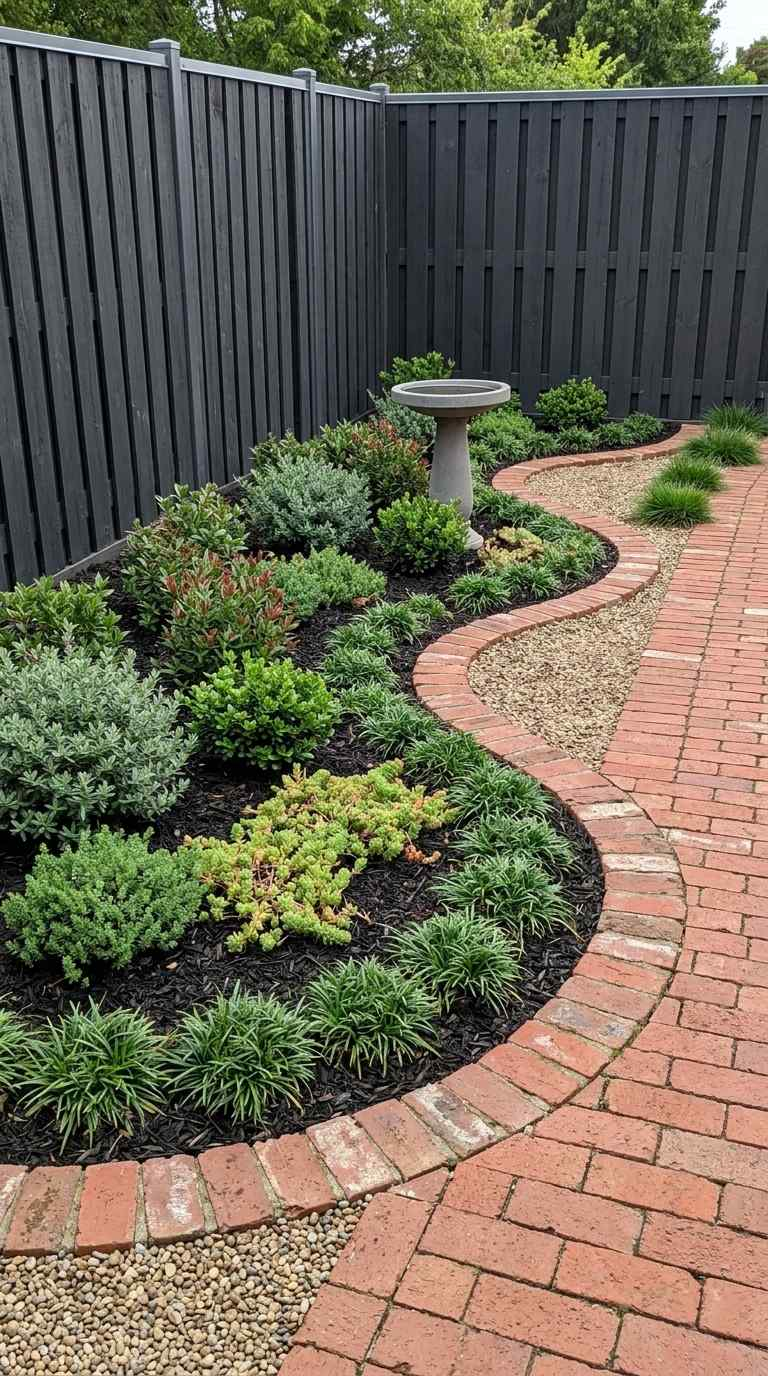
Introducing curves into pathways and planting beds can completely transform the feel of a front yard, making it appear more relaxed and inviting. Straight lines often create a formal and structured look, but curves bring a natural softness that feels more organic and welcoming. This gentle flow encourages the eye to move smoothly through the space, creating a sense of harmony that is both visually pleasing and calming. It is a simple design choice that can make even a basic layout feel more thoughtfully designed.
When planning curved paths and beds, the goal is to keep the lines subtle and consistent rather than overly dramatic. Soft, sweeping curves tend to work best because they feel natural and easy on the eyes. These curves can guide visitors toward the entrance of the home while also highlighting key areas of the yard. Pairing them with simple materials like gravel, stone, or low growing plants helps maintain a clean look without adding unnecessary complexity.
From a maintenance perspective, curved designs can actually make the yard easier to manage. They allow for smoother transitions between different areas, reducing awkward corners where weeds and debris often collect. With fewer harsh edges to maintain, tasks like trimming and edging become quicker and more efficient. This approach creates a front yard that feels soft, balanced, and effortlessly beautiful while still being practical for everyday life.
Use narrow planting strips instead of giant beds
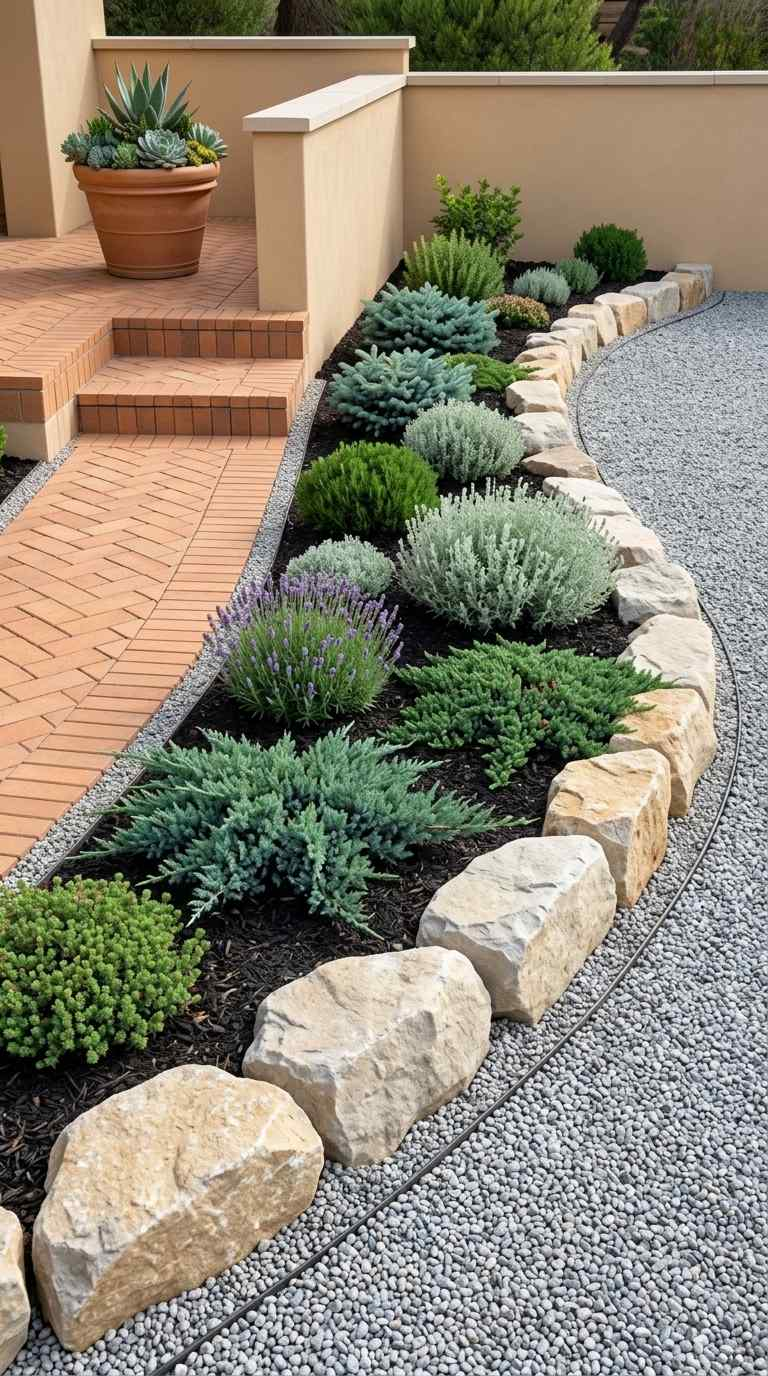
Large garden beds can sometimes feel overwhelming, both visually and in terms of maintenance. A smarter and more manageable alternative is to use narrow planting strips that run along pathways, fences, or the front of the house. These slim sections provide just enough space for greenery without taking over the entire yard. They help create a clean and organized look while making it much easier to control plant growth and keep everything looking neat.
Narrow planting strips work best when they are designed with intention and consistency. Choosing a limited number of plants and arranging them in a simple pattern helps maintain a cohesive appearance. These strips can act as subtle accents that enhance the overall design rather than dominating it. By keeping the width controlled, you also make tasks like watering, pruning, and cleaning much more efficient and less time consuming.
Another benefit of this approach is how well it pairs with other low maintenance elements like gravel or stone. The contrast between the slim green strips and the surrounding materials creates a balanced and visually appealing layout. Over time, this design keeps the yard looking fresh and polished without requiring constant attention. It is an ideal solution for homeowners who want greenery in their front yard without the burden of maintaining large, demanding garden beds.
Mix silver blue foliage with deep green for texture
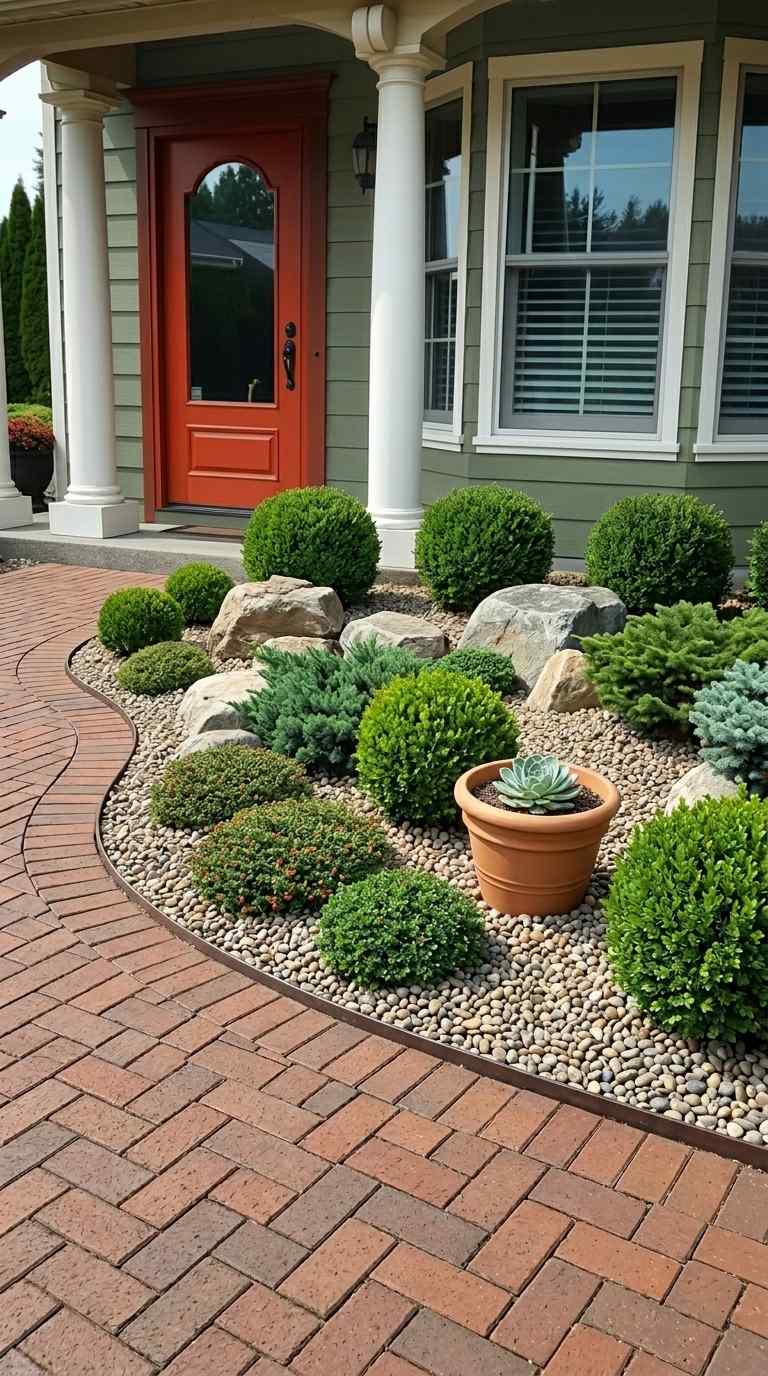
A simple yet highly effective way to elevate a low maintenance front yard is by mixing silver blue foliage with rich deep green plants. This combination creates natural contrast without relying on flowers or bold colors, making the space feel calm, modern, and visually layered. The cool tones of silver blue plants reflect light beautifully, while the darker greens add depth and grounding. Together, they form a balanced palette that looks thoughtfully designed but never overwhelming or difficult to maintain.
To make this idea work, focus on choosing a few reliable plants in each color group and repeating them throughout the yard. Silver toned plants like dusty miller or certain ornamental grasses can be paired with evergreen shrubs or darker foliage plants for contrast. Placing them side by side in small clusters helps highlight their differences while still keeping the overall look cohesive. This repetition builds a sense of rhythm that makes the yard feel intentional and visually connected from every angle.
Another advantage of this planting style is its practicality. Many silver blue plants are naturally drought tolerant and require minimal care, which makes them perfect for low maintenance landscaping. When combined with hardy green shrubs, the overall design stays fresh and structured with very little effort. This approach is ideal for homeowners who want a stylish, Pinterest worthy front yard that relies on texture and tone rather than constant upkeep or seasonal replanting.
Let edging do a lot of the visual work
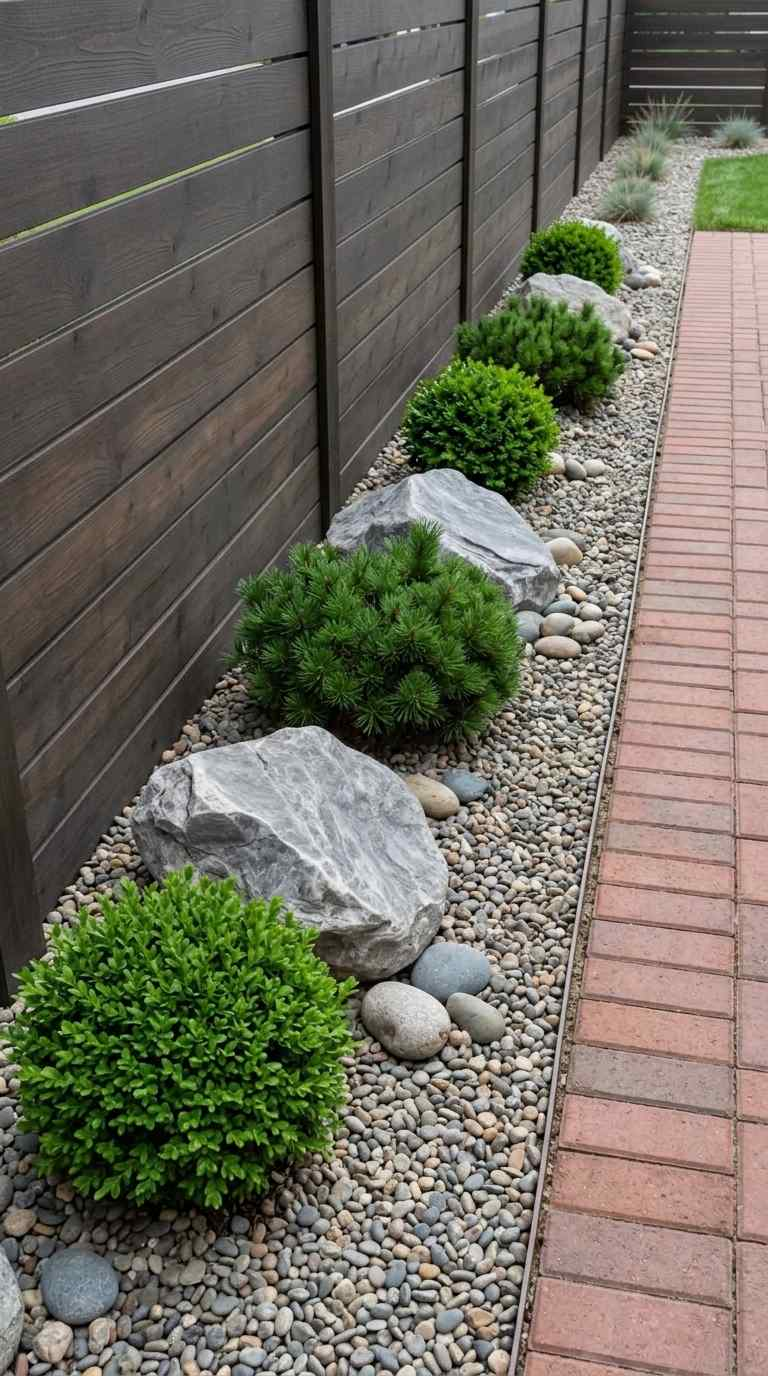
Edging might seem like a small detail, but it can have a huge impact on how polished and organized a front yard looks. Clean, well defined edges create clear boundaries between different areas, such as planting beds, walkways, and gravel sections. This instantly makes the entire space feel more structured and intentional. Instead of relying on a large number of plants or decorative elements, strong edging allows the design itself to stand out while keeping everything neat and easy to maintain.
There are many ways to incorporate edging, from metal and stone to brick or even simple cut lines in the soil. The key is to choose a style that complements the overall look of your home and repeat it consistently throughout the yard. Straight edges create a more modern and structured feel, while slightly curved edges can soften the space and make it feel more relaxed. No matter the style, keeping the lines clean and consistent is what gives the yard its finished appearance.
From a maintenance standpoint, good edging reduces the amount of work needed to keep the yard looking tidy. It helps prevent grass from spreading into planting areas and keeps gravel or mulch contained in their designated spaces. This means less time spent fixing messy borders and more time enjoying a clean, well defined landscape. By letting edging do much of the visual work, you can achieve a high end look with minimal effort and fewer materials.
Add large rocks so the bed does not feel flat
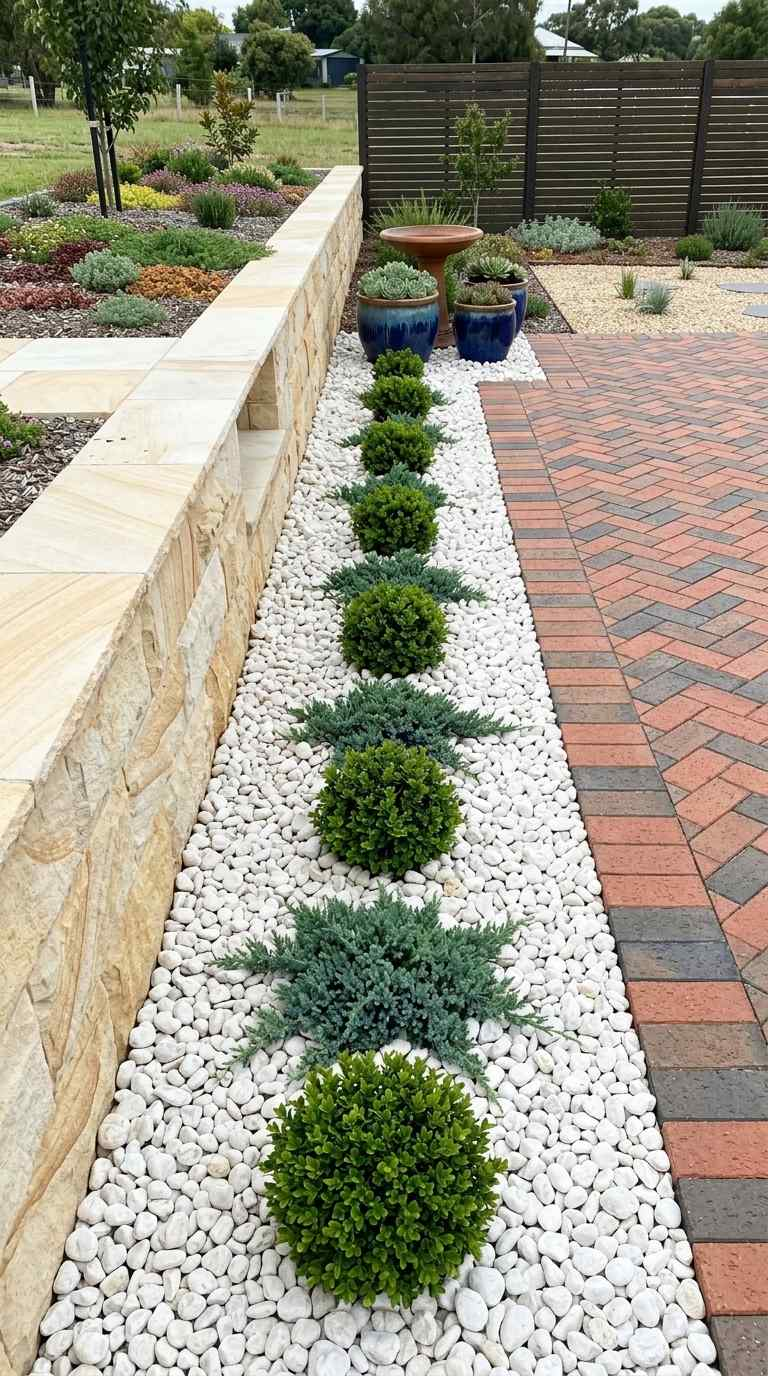
Adding large rocks to planting beds is a simple technique that can completely change how a front yard feels. Without variation in height and structure, garden beds can sometimes look flat or unfinished. Large rocks introduce a natural focal point and create visual interest without requiring extra plants or decorations. Their solid presence helps anchor the design, making the entire space feel more balanced and thoughtfully arranged.
To use this idea effectively, place rocks in a way that feels natural rather than overly staged. Grouping them in odd numbers or partially embedding them into the soil can help achieve a more organic look. Positioning them near plants or along the edges of beds allows them to blend seamlessly into the landscape. This creates a layered effect where the rocks, plants, and surrounding materials all work together to form a cohesive design.
One of the biggest benefits of using large rocks is their durability and low maintenance nature. Unlike plants, they do not require watering, trimming, or seasonal care, yet they continue to enhance the look of the yard year round. When combined with simple planting and clean borders, they help create a front yard that feels complete and visually interesting without adding extra work. It is an easy way to bring depth and character to a low maintenance landscape.
Contrast white rock with green plants for a crisp finish
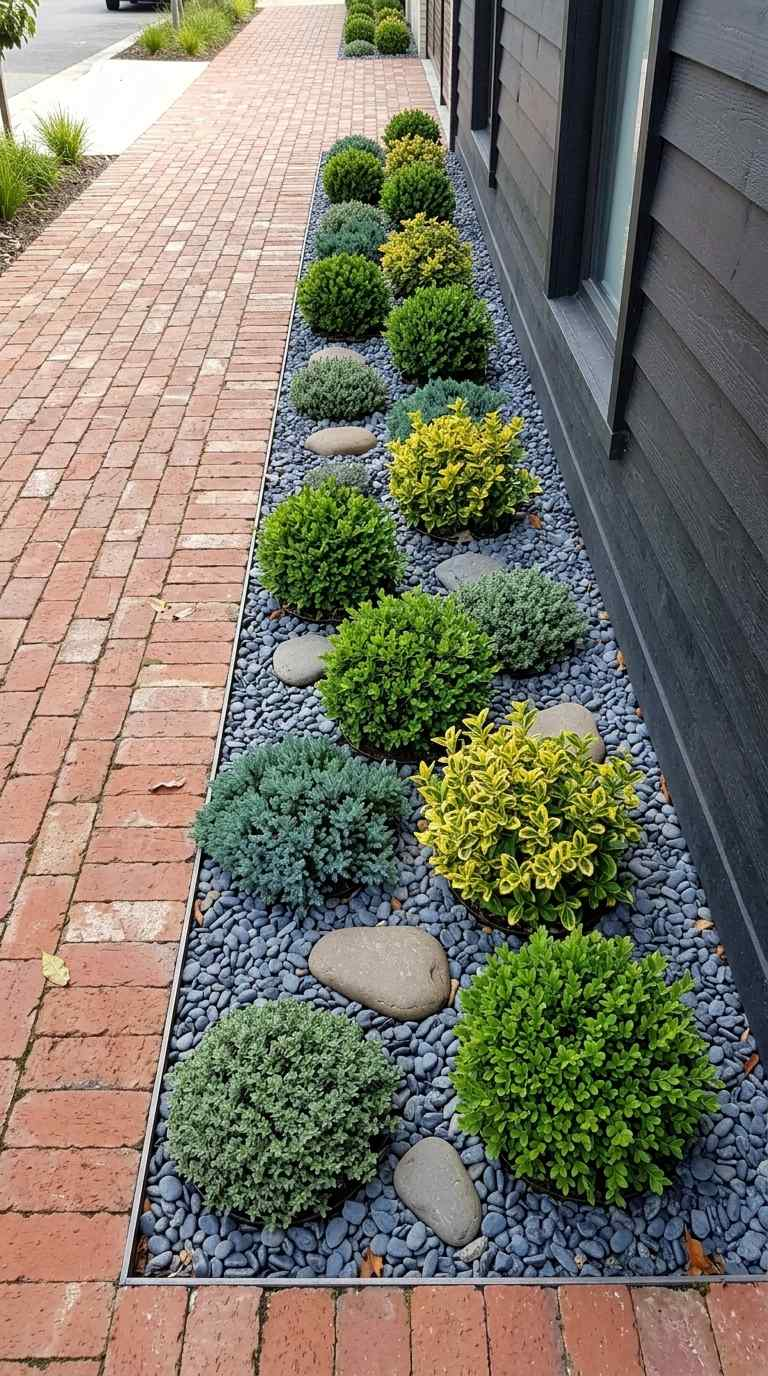
Using white rock alongside green plants is one of the simplest ways to create a front yard that looks clean, fresh, and instantly eye catching. The brightness of white stone reflects light and makes the entire space feel more open, while the rich green tones of plants add life and contrast. This combination feels modern and polished without needing a lot of different elements, making it perfect for a low maintenance design that still looks styled and intentional.
To make this idea feel cohesive, it is important to use white rock in clearly defined areas rather than scattering it randomly. Filling planting beds or border sections with white stone creates a strong visual base that highlights the greenery placed within it. Choosing plants with structured shapes or consistent sizes helps maintain a clean look, while repeating them across the yard builds a sense of rhythm. This balance between bright stone and lush plants creates a front yard that feels both vibrant and organized.
Maintenance is another major advantage of this approach. White rock does not require watering or trimming, and it helps suppress weeds when installed properly with a base layer. Paired with hardy green plants, the overall design stays crisp with very little effort. Occasional cleaning or refreshing of the stone is usually enough to keep everything looking new. This makes it an ideal choice for homeowners who want a bright, modern front yard that remains beautiful without constant care.
Use repeating round shrubs for instant order
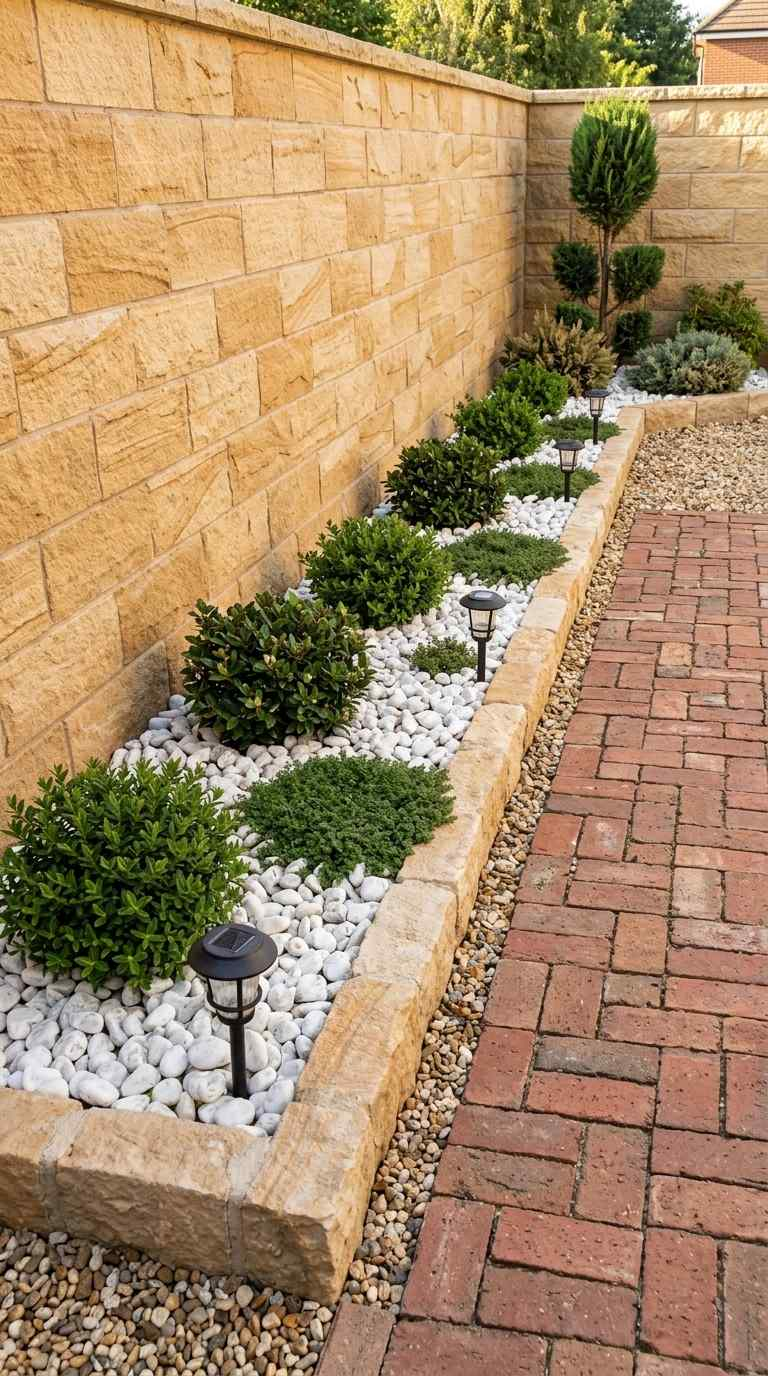
Repeating round shrubs throughout a front yard is a simple design trick that instantly creates a sense of order and balance. The consistent shape brings a structured feel to the space, while the repetition makes everything look intentional and well planned. Even in a small or basic yard, this technique can elevate the overall appearance and make it feel more refined. It is a perfect example of how using one strong idea can have a big visual impact without adding complexity.
To achieve this look, choose shrubs that naturally grow in a rounded form or can be easily trimmed to maintain that shape. Place them at even intervals along pathways, in front of the house, or within planting beds to create a clear pattern. Keeping the spacing consistent is key, as it allows the eye to move smoothly across the yard. This repetition builds a sense of rhythm that makes the entire space feel cohesive and thoughtfully designed.
From a maintenance perspective, round shrubs are a practical and reliable choice. They require only occasional trimming to keep their shape and can thrive for years with minimal care when properly placed. When combined with simple ground cover, gravel, or stone, they create a clean and organized look that is easy to maintain. This approach is ideal for anyone who wants a front yard that feels structured, elegant, and effortlessly put together.
Conclusion
Creating a low maintenance front yard does not mean sacrificing style or personality. In fact, with the right approach, it can lead to a more thoughtful and visually appealing design. By focusing on simple elements like repetition, texture, and clean structure, you can build a space that feels calm, organized, and inviting. Each idea in this guide shows how small, intentional choices can come together to create a yard that looks professionally designed without requiring constant effort.
The key is to keep things simple and consistent while choosing materials and plants that naturally require less care. Whether it is using stone for contrast, repeating shrubs for order, or layering textures for depth, these ideas help you achieve a polished look with ease. Over time, your front yard will not only stay beautiful but also become a space that feels effortless to maintain. It is all about designing smarter so you can enjoy a stunning, Pinterest worthy yard without the stress of high maintenance upkeep.


