

9 Fall Blooming Flowers Start August My Late Summer
There’s something quietly magical about that late summer window when the heat begins to soften, yet the garden still feels full of life. August is often overlooked, but for anyone who loves a rich, layered fall garden, it’s actually the perfect starting point. This is the moment where thoughtful planting decisions begin to shape the colors, textures, and mood of the months ahead. Instead of watching your garden fade, you can guide it into a whole new season of beauty.
What makes this timing even more special is how effortlessly these flowers transition into autumn. With just a little planning, you can enjoy blooms that carry warmth, depth, and movement well into cooler days. This playbook is not about complicated gardening rules, but about choosing the right flowers that naturally thrive when summer starts to lean into fall. If you love cozy, Pinterest-worthy garden vibes, this is exactly where your late summer story begins.
Montauk Daisy
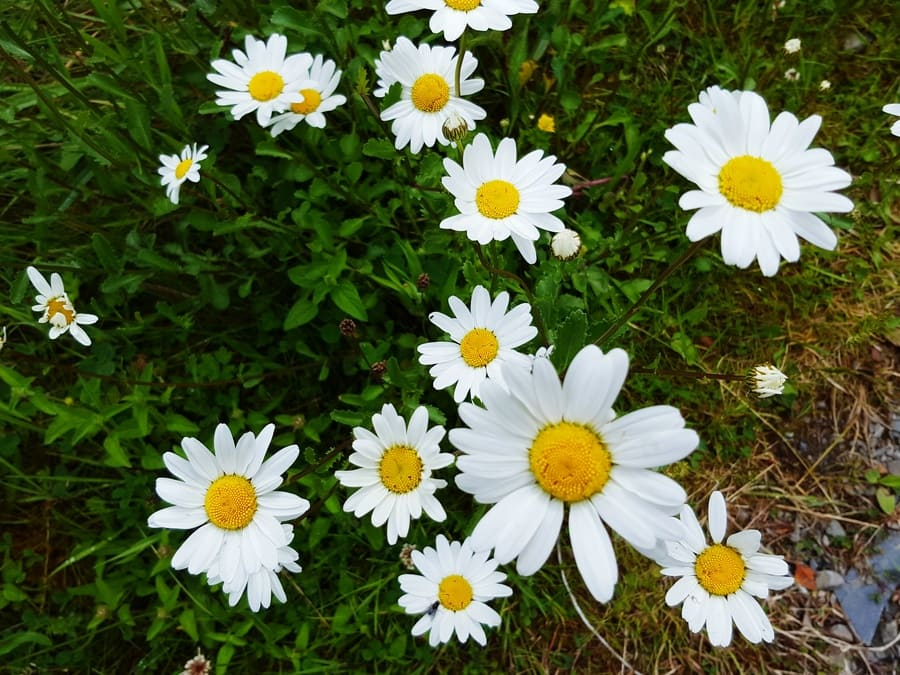
Montauk daisy is one of those quietly powerful plants that doesn’t demand attention in early summer but completely takes over the stage as fall approaches. When planted in August, it focuses first on establishing strong roots, which sets the foundation for its iconic burst of crisp white blooms later in the season. The beauty of this flower lies in its simplicity, with clean petals and bright yellow centers that feel fresh against the deeper tones of autumn. It creates a natural contrast that instantly elevates the entire garden, especially when other flowers begin to fade.
One of the reasons gardeners love Montauk daisy is its resilience and low-maintenance personality. It thrives in full sun and doesn’t need constant care, which makes it perfect for anyone who wants a beautiful garden without spending hours managing it. Its slightly woody stems give it structure, so even when the weather shifts, it stands tall and doesn’t collapse like more delicate blooms. This makes it ideal for borders, pathways, or even as a subtle focal point that ties different areas of your garden together.
From a styling perspective, Montauk daisy fits perfectly into that soft, aesthetic garden look that feels both natural and curated. Pairing it with ornamental grasses or warm-toned flowers creates a layered effect that feels straight out of a fall mood board. As the evenings get cooler, these daisies catch the light in a way that feels calm and inviting, making your outdoor space feel like a peaceful retreat. It’s not just a flower, it’s a quiet transition into the cozy rhythm of autumn.
Rudbeckia Goldsturm
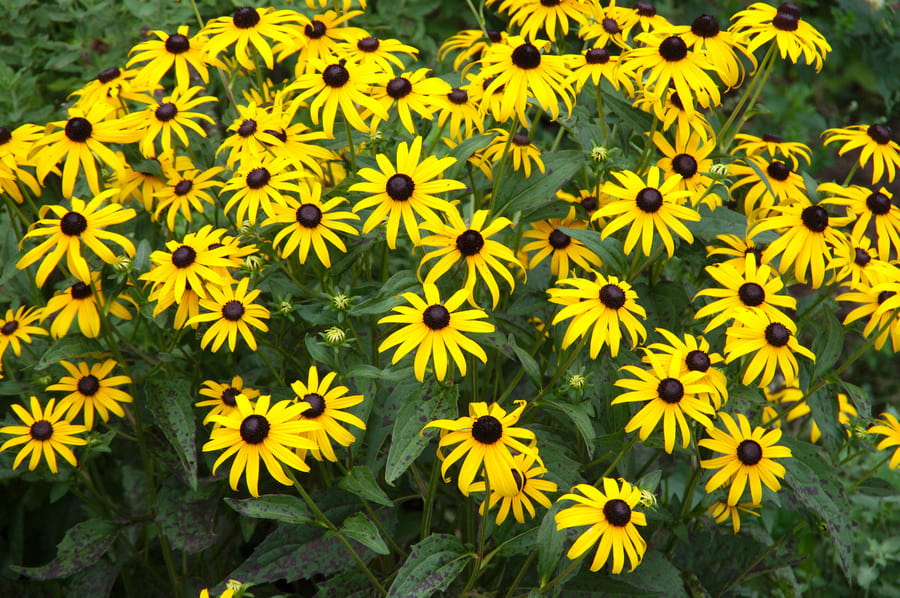
Rudbeckia Goldsturm brings a bold and cheerful energy that feels like holding onto the last golden rays of summer while welcoming fall. Starting it in August allows the plant to settle in just as the environment becomes more favorable for its long-lasting blooms. The rich yellow petals surrounding deep brown centers create a striking contrast that instantly draws the eye. It’s one of those flowers that doesn’t just blend into the garden, it defines it with warmth and brightness.
What makes this plant especially valuable in a late summer playbook is its incredible durability. It handles heat, adapts to different soil conditions, and continues to bloom even as temperatures begin to drop. This consistency makes it a reliable choice for gardeners who want steady color without constant replanting or maintenance. Once established, Rudbeckia becomes a dependable part of your seasonal rhythm, returning year after year with even more strength and presence.
Visually, Rudbeckia Goldsturm pairs beautifully with softer and cooler-toned fall flowers. When placed alongside purples, whites, or even muted greens, its golden tones feel even more vibrant and intentional. It adds depth to your garden design and helps create that layered, cozy look that feels perfect for the season. Whether you’re designing for visual impact or simply want something that makes your space feel alive, this flower delivers a warm, glowing charm that carries beautifully into autumn.
New England Aster
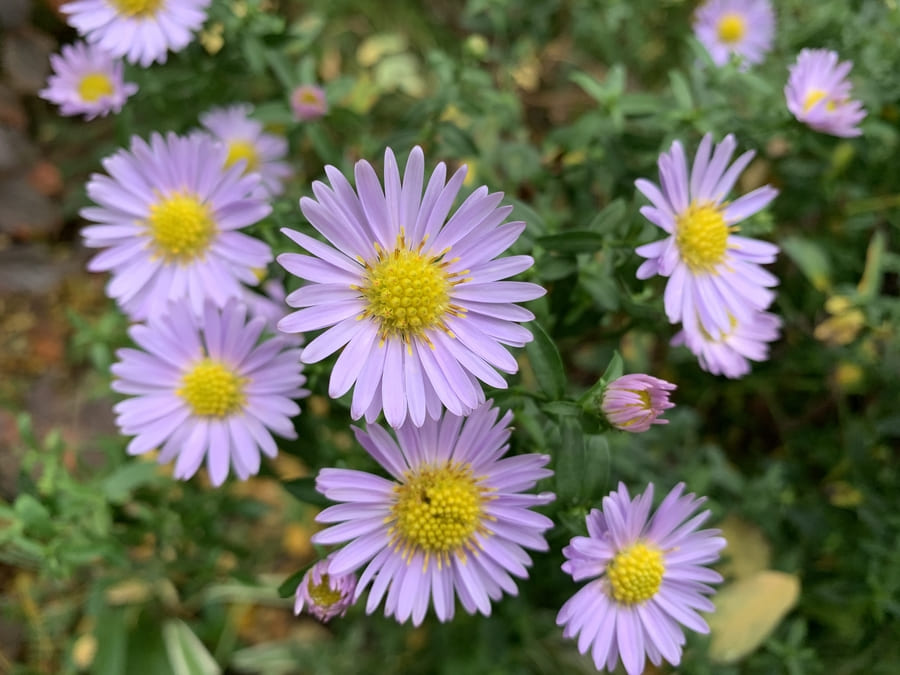
New England aster is where your garden begins to take on those dreamy, romantic fall tones that feel soft yet vibrant at the same time. Planting it in August allows it to establish itself just before its natural blooming period, which means you get a fuller, more rewarding display when the time comes. Its clusters of purple, pink, or lavender flowers create a gentle haze of color that feels almost painterly, especially in the softer light of autumn afternoons.
This flower is not just about beauty, it also brings life into your garden in a very real way. As many summer blooms begin to fade, New England aster becomes a vital source of nectar for pollinators like bees and butterflies. This makes your garden feel dynamic and alive even as the season shifts. There’s something incredibly satisfying about watching your space continue to support nature while still looking visually stunning.
In terms of design, New England aster works beautifully as a background or filler plant that adds fullness and movement. Its slightly wild, airy structure contrasts perfectly with more structured plants, creating a balanced and natural look. When the breeze moves through it, the entire garden feels softer and more relaxed. It’s the kind of plant that doesn’t just sit in your garden, it transforms the atmosphere, making everything feel more peaceful and connected to the season.
Coneflower
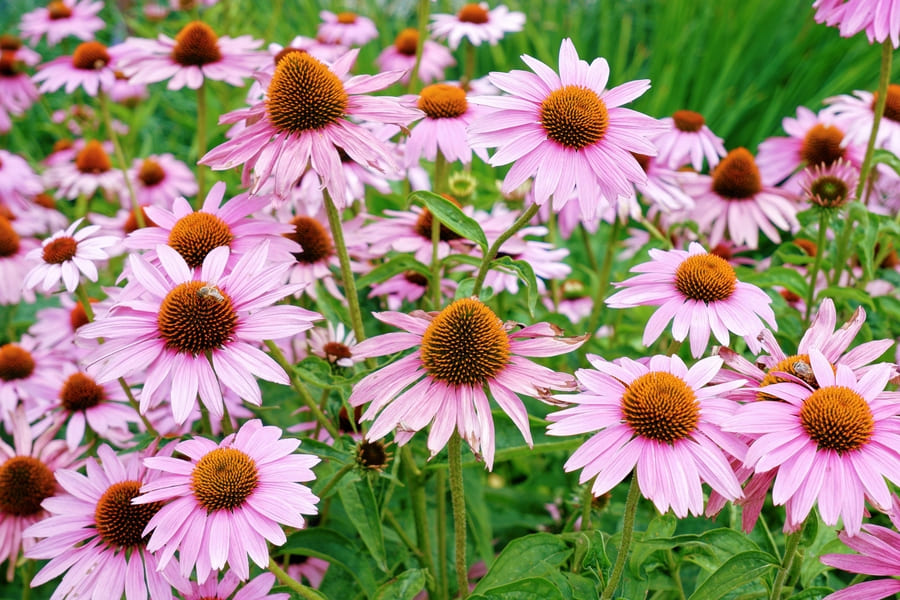
Coneflower is one of those timeless garden favorites that feels both effortless and deeply rewarding, especially when you start it in August as part of your late summer plan. At this stage, the plant focuses on building a strong root system, which sets you up for a more vibrant and resilient bloom cycle as fall approaches. Its signature daisy like petals, often in shades of pink, purple, or even soft white, surround a raised center that adds texture and dimension. This unique structure gives coneflower a slightly wild yet intentional look that fits beautifully into a natural style garden.
Beyond its visual charm, coneflower is incredibly dependable and forgiving, making it a perfect choice for gardeners who want consistent results without constant attention. It thrives in full sun, tolerates drought once established, and continues to bloom even when conditions are less than ideal. This resilience means you can rely on it to carry color into early fall without worrying about frequent maintenance. It becomes a steady presence in your garden, quietly doing its job while adding layers of beauty that feel organic and relaxed.
From a styling perspective, coneflower blends effortlessly with other late season plants, helping you create that cozy, textured garden look that feels curated yet natural. When paired with warm yellows, deep reds, or even ornamental grasses, it adds softness and balance to the overall design. As the light changes in the evenings, its petals catch a gentle glow that enhances the calm, inviting mood of your outdoor space. It is not just a filler plant, it is a foundational piece that supports the entire fall aesthetic.
Sedum Autumn Joy
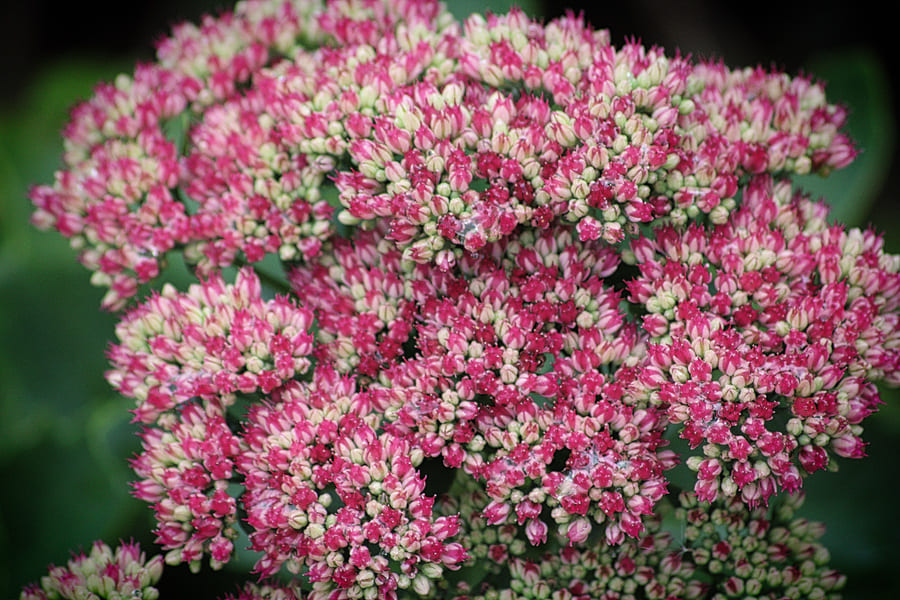
Sedum Autumn Joy is one of those plants that truly understands the rhythm of the seasons, making it an essential part of any late summer planting strategy. Starting it in August allows the plant to settle comfortably into the soil, preparing itself for its slow and steady transformation as fall approaches. What begins as soft green clusters gradually shifts into blush pink, and eventually deepens into rich copper tones. This evolving color story adds a dynamic element to your garden, ensuring it never feels static or predictable.
One of the most appealing aspects of Sedum Autumn Joy is its structure and strength. The thick, succulent like leaves store water, which makes the plant highly drought tolerant and incredibly low maintenance. Its sturdy stems hold the flower heads upright, even during wind or light rain, which means your garden continues to look polished and intentional. This makes it an excellent choice for borders or as a mid level plant that anchors your overall design without requiring constant care or support.
Visually, Sedum Autumn Joy brings a grounded, earthy feel that perfectly complements the warmth of the fall season. Its muted tones pair beautifully with brighter flowers, creating a balanced and layered look that feels both modern and natural. As the days grow shorter, its deeper hues add richness and depth to your space, making everything feel more cohesive. It is the kind of plant that quietly enhances everything around it, helping your garden transition into autumn with grace and ease.
Helenium
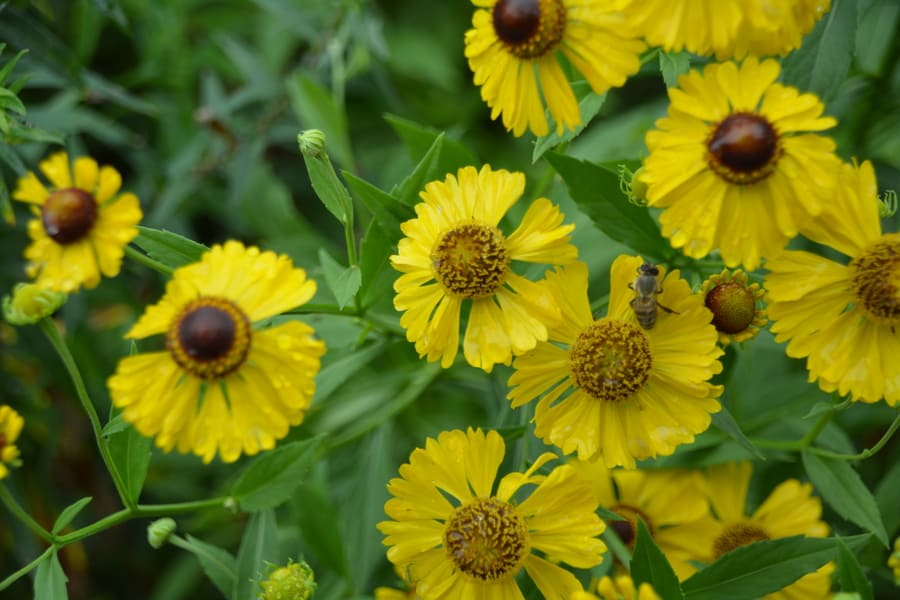
Helenium is like a burst of late summer energy that carries your garden forward into fall with bold, fiery tones. When planted in August, it quickly adapts and begins preparing for a bloom period that feels vibrant and full of life. Its daisy like flowers come in shades of red, orange, and golden yellow, often with a slightly darker center that adds depth. These colors echo the changing leaves of autumn, creating a seamless connection between your garden and the surrounding landscape.
What makes Helenium stand out is not just its color, but its ability to maintain that intensity over time. It thrives in full sun and appreciates consistent moisture, rewarding you with blooms that last well into the cooler weeks. This makes it an ideal choice for gardeners who want to extend the brightness of their space beyond the peak of summer. Its upright growth habit also adds height and structure, making it a great option for the middle or back of garden beds where it can shine without being overshadowed.
From a design perspective, Helenium brings warmth and movement that feels lively yet balanced. When combined with softer tones or airy plants, it creates a beautiful contrast that keeps the garden from feeling too heavy. The way its flowers sway gently in the breeze adds a sense of motion that makes the entire space feel more dynamic. It is the kind of plant that not only adds color but also emotion, turning your garden into a space that feels welcoming, vibrant, and ready for the cozy transition into fall.
Hardy Garden Mums
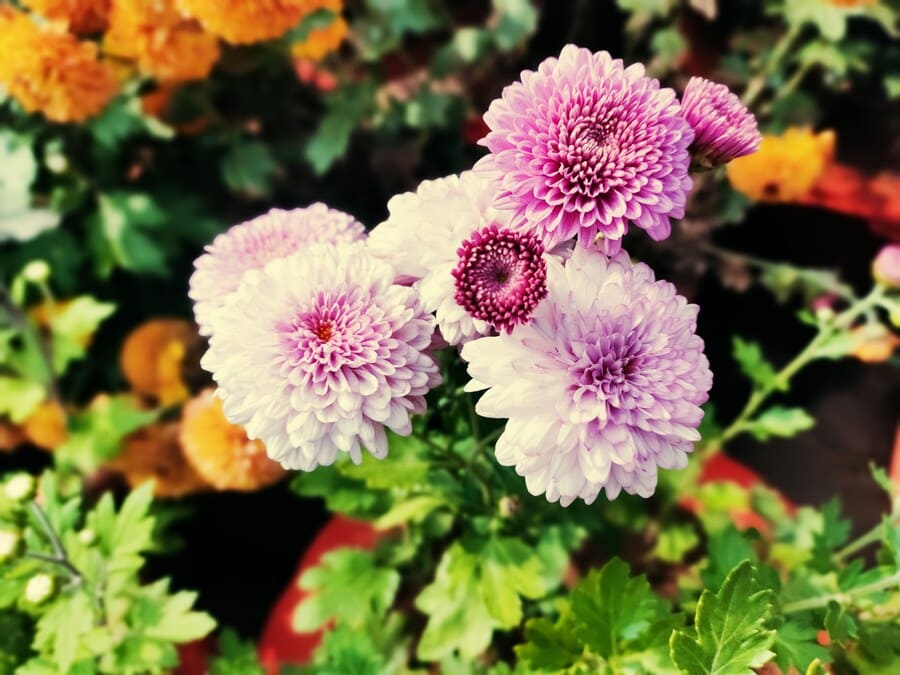
Hardy garden mums are the true signature of fall, and starting them in August is like setting the stage for a garden that feels instantly seasonal and full of life. At this time, they begin focusing on root development, which allows them to settle in before their vibrant blooms take over. When they finally open, the rich tones of deep red, golden yellow, burnt orange, and soft bronze create that unmistakable autumn palette that feels warm and comforting. These flowers have a way of making your garden look intentionally styled, almost like it belongs in a perfectly curated Pinterest board.
What makes hardy garden mums especially appealing is their ability to deliver maximum impact with minimal effort. They thrive in full sun and appreciate well drained soil, but beyond that, they are relatively easy to care for once established. Their dense, rounded growth habit gives them a full and lush appearance, making them ideal for filling empty spaces or adding volume to your garden beds. This natural fullness means you do not need to rely on too many additional plants to create a complete and balanced look.
From a design perspective, hardy garden mums are incredibly versatile and can be used to anchor your entire fall theme. Whether you place them along pathways, near entryways, or as a focal point in your garden, they instantly draw attention and create a sense of warmth. When paired with softer textures like ornamental grasses or cooler toned flowers, they help create a layered and inviting outdoor space. As the air turns crisp, these blooms bring a cozy charm that transforms your garden into a welcoming autumn retreat.
Coreopsis
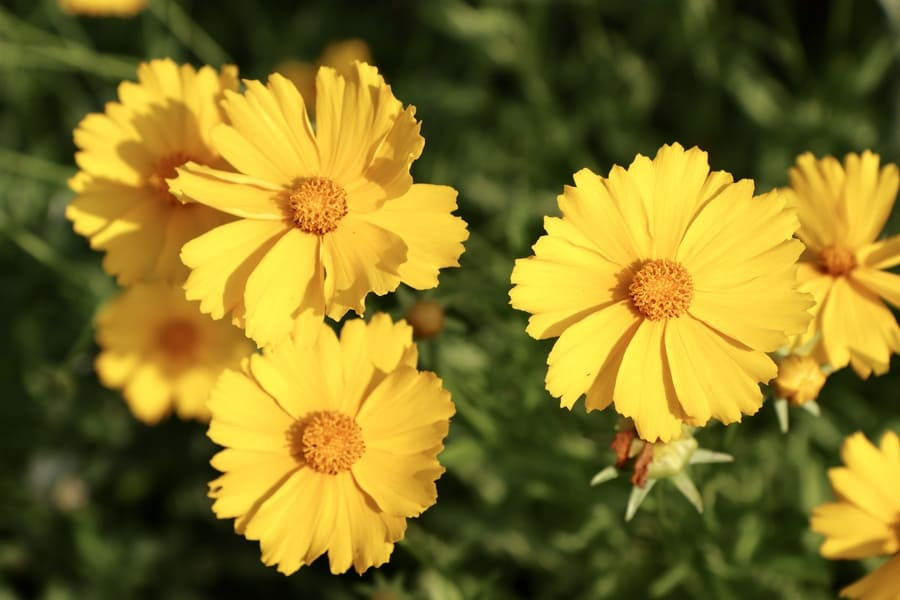
Coreopsis is one of those cheerful and easygoing plants that brings a gentle brightness to your late summer and early fall garden. When started in August, it establishes itself just in time to offer a continued wave of soft, sunny blooms that bridge the gap between seasons. Its delicate, daisy like flowers often appear in shades of yellow, gold, or even subtle pinks, creating a light and airy feel that softens the overall look of your garden. This subtle glow adds a refreshing contrast to the deeper tones that begin to emerge as fall approaches.
One of the standout qualities of coreopsis is its long blooming nature and low maintenance personality. It thrives in full sun and adapts well to a variety of soil conditions, making it a reliable choice for both new and experienced gardeners. Once it starts blooming, it continues generously, requiring only occasional trimming to keep it looking fresh. This consistency allows you to maintain a lively garden without constant effort, giving you more time to simply enjoy the beauty you have created.
In terms of styling, coreopsis works beautifully as a filler plant that ties everything together without overwhelming the space. Its soft texture and gentle movement in the breeze create a relaxed, natural atmosphere that feels calm and inviting. When combined with bold fall flowers or structured plants, it helps balance the overall design and prevents the garden from feeling too heavy. It is the kind of plant that quietly enhances the entire scene, adding a layer of brightness that feels effortless and natural.
Japanese Anemone
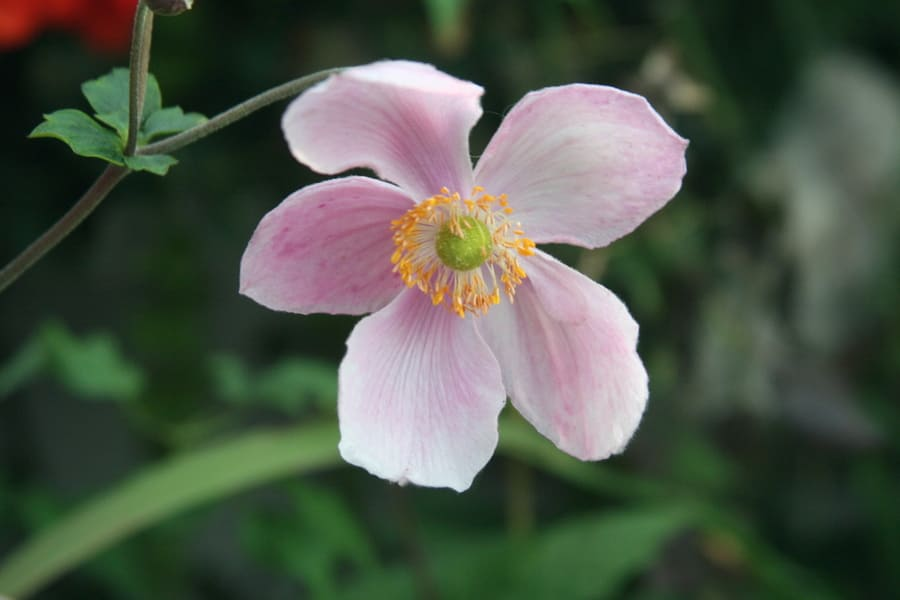
Japanese anemone brings a soft, romantic elegance that feels like the final touch in your late summer to fall garden transition. Starting it in August allows the plant to settle into its environment before it begins producing its graceful blooms. Its delicate flowers, often in shades of white or blush pink, sit on tall, slender stems that rise above the foliage, creating a light and airy presence. This gentle structure adds height without heaviness, giving your garden a sense of openness and calm.
What makes Japanese anemone so special is its ability to bloom when many other plants are beginning to slow down. It thrives in partial shade and prefers consistently moist soil, making it a great option for those slightly sheltered areas of your garden that still deserve attention. As it matures, it forms a natural cluster that returns year after year, adding a sense of continuity and growth to your space. This reliability makes it a valuable addition to any long term garden plan.
From a visual standpoint, Japanese anemone creates a soothing contrast against the richer and warmer tones of fall flowers. Its soft colors and delicate movement bring a sense of balance, helping the garden feel more harmonious and complete. When the breeze passes through, its blooms seem to float, adding a dreamy quality that enhances the overall atmosphere. It is not just a plant, it is a mood setter that brings peace and quiet beauty to your autumn garden.
Conclusion
As summer begins to fade, your garden does not have to lose its charm or energy. By starting the right flowers in August, you create a seamless transition into fall that feels intentional and beautifully layered. Each plant in this playbook plays its own role, from bold and vibrant blooms to soft and calming textures, working together to build a space that feels warm, inviting, and full of life. Instead of watching your garden slow down, you guide it into a new season that is just as rewarding.
The beauty of this approach lies in its simplicity and balance. You are not chasing perfection, but creating a space that evolves naturally with the changing weather. With thoughtful choices and a little planning, your garden becomes more than just a collection of plants, it becomes a reflection of the cozy, comforting feeling that makes fall so special. This is how you turn late summer into the beginning of something even more beautiful.


