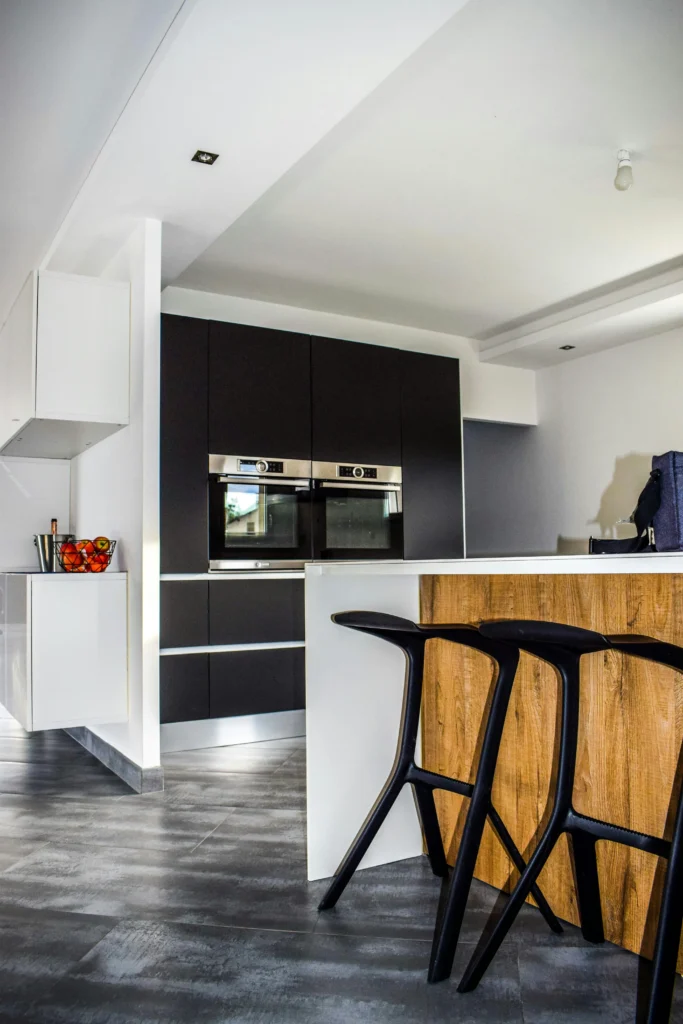

Minimalist Kitchen and Dining Organization Ideas
A clutter-free home starts in the kitchen and dining area the true heart of every household. These are the spaces where meals are made, conversations flow, and memories are shared. Yet, they’re also the places that tend to collect the most clutter. From overflowing cabinets to mismatched dinnerware, chaos can quickly take over.
The good news? You don’t need a massive renovation or expensive storage systems to create a calm, functional space. With the right minimalist organization ideas, you can transform your kitchen and dining area into a clean, beautiful, and peaceful environment without breaking your budget.
Begin with a Full Declutter
Every successful minimalist makeover starts with a good decluttering session. Empty your drawers, cabinets, and pantry. Spread everything out and ask yourself three key questions:
- Do I use this regularly?
- Does it serve a purpose?
- Do I love it enough to keep it?
Be ruthless duplicates, broken tools, and “someday” items can go. Minimalism isn’t about having less for the sake of it; it’s about keeping what truly serves you. Once you’ve cleared the excess, you’ll instantly feel lighter and more inspired to organize.

Simplify with a Neutral Color Palette
Minimalist design is rooted in calmness and visual harmony. Stick to neutral colors like white, beige, gray, or soft wood tones for your kitchen and dining areas. These colors reflect light, making spaces look open and airy.
If your dining set or kitchen accessories are mismatched, don’t rush to replace them. Instead, group similar tones together white plates, wooden serving trays, or clear glasses to create a clean, cohesive look. This simple color strategy creates a sense of order and makes your entire space feel instantly more refined.
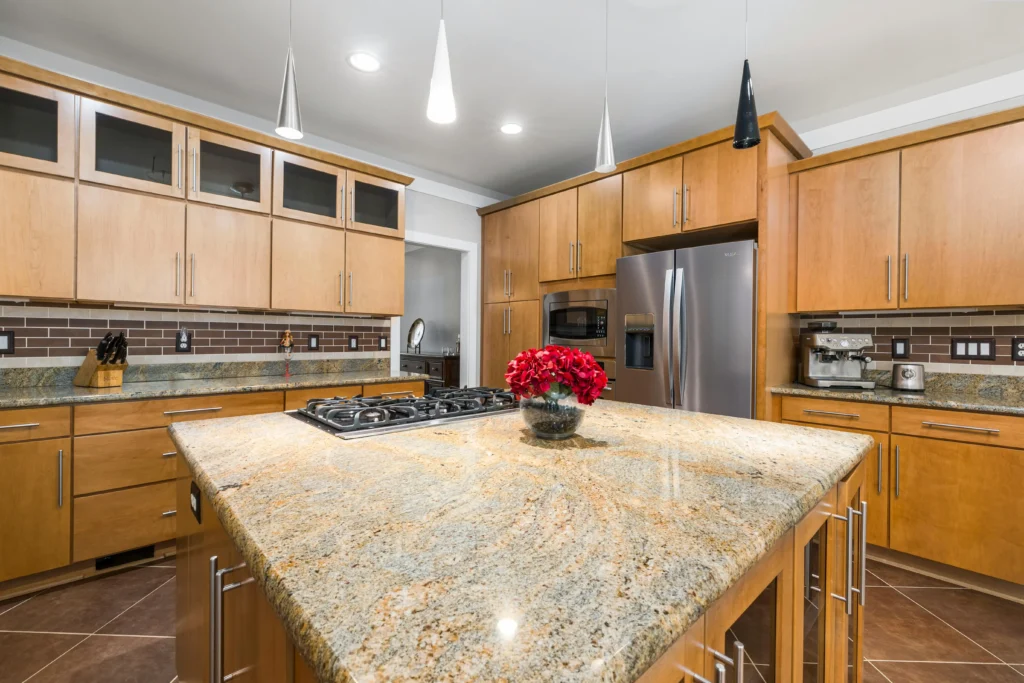
Use Clear Storage and Labels in the Kitchen
When it comes to kitchen organization, visibility is everything. Store dry goods, snacks, and ingredients in clear, airtight containers so you can easily see what’s inside. Label each jar neatly use simple white or transparent labels for a clean aesthetic. This not only looks organized but also prevents food waste since you’ll always know what you have.
Keep similar items grouped together:
- Baking essentials in one cabinet
- Breakfast items in another
- Spices near the stove for quick access
Small tweaks like these make your kitchen both functional and visually appealing.
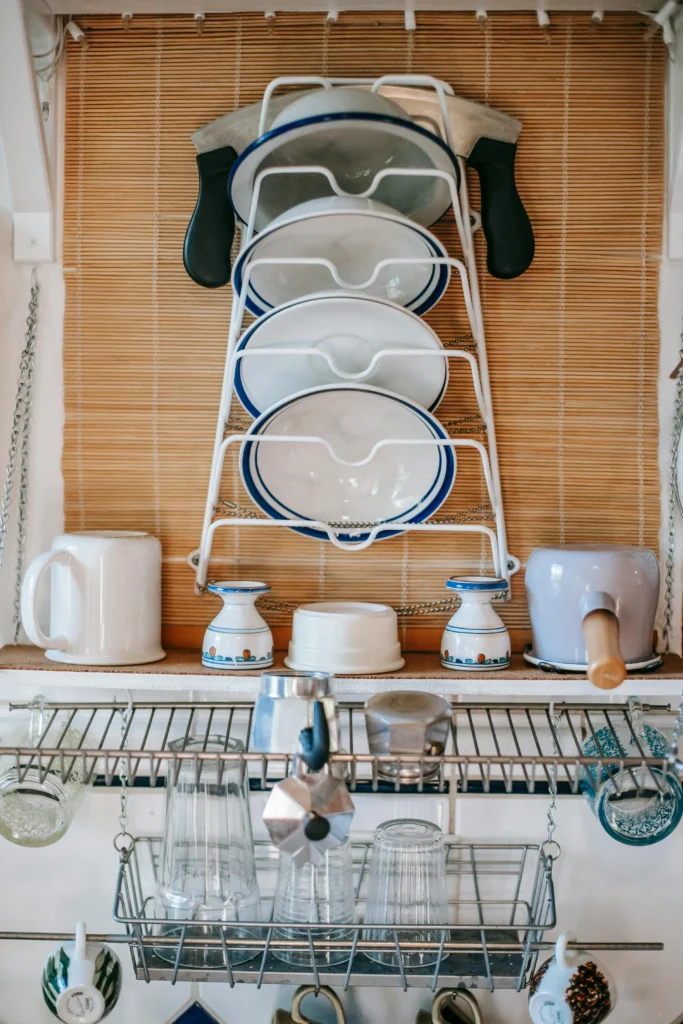
Embrace Vertical and Hidden Storage
Minimalist organization thrives on smart use of space. Use your vertical walls and hidden areas to your advantage.
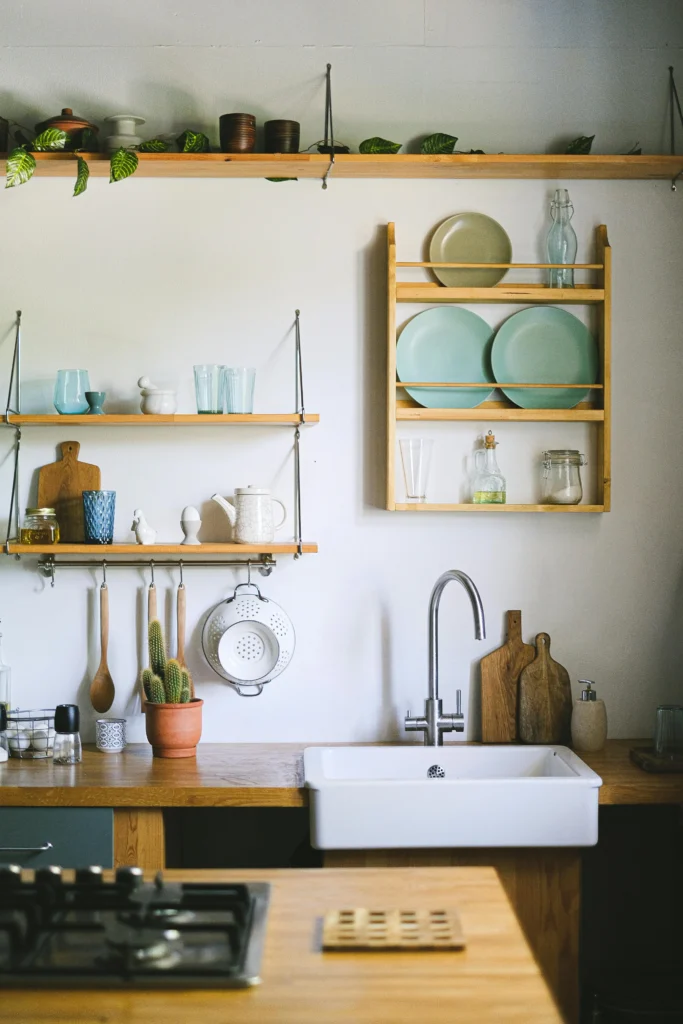
- Install floating shelves for dishes or cookbooks.
- Add hooks or rails for mugs, pots, or utensils.
- Use cabinet door organizers for cutting boards, lids, or cleaning supplies.
For the dining area, a slim sideboard or floating console can store table linens, candles, or extra dinnerware without taking up much floor space. These small adjustments keep everything within reach while maintaining a clean, open look.
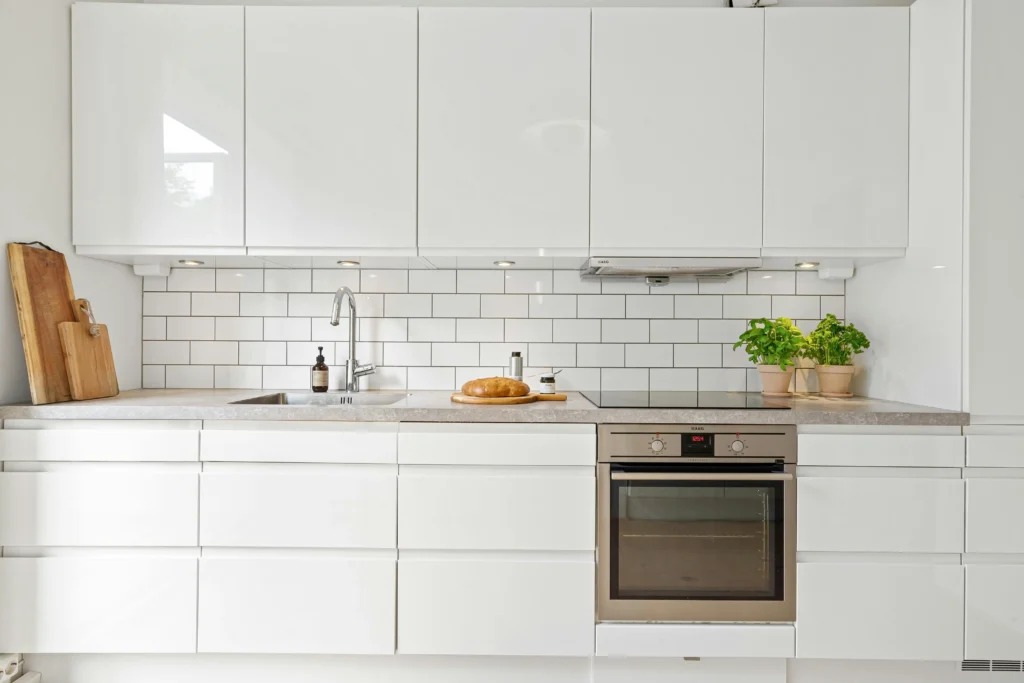
Keep Countertops and Tabletops Clear
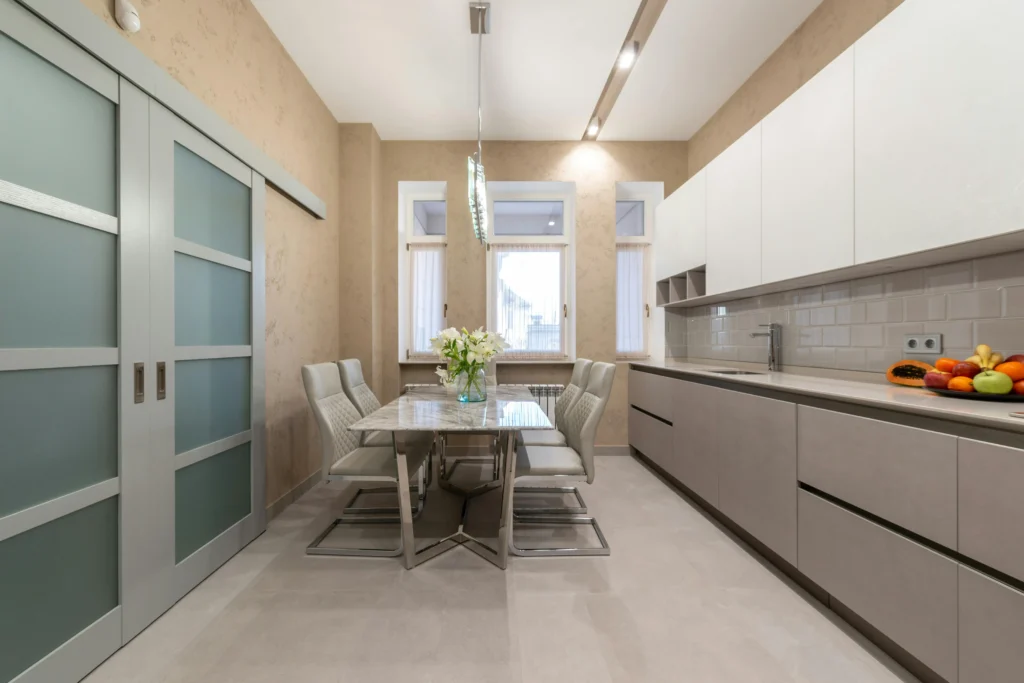
Visual clutter can make even a clean room feel chaotic. Make it a habit to keep your kitchen counters and dining table as clear as possible. In the kitchen, only display a few everyday essentials like a coffee maker, fruit bowl, or cutting board. In the dining room, leave your tabletop empty or style it with a simple centerpiece like a vase of fresh flowers or a wooden tray. The more open your surfaces, the more peaceful your space will feel.
Streamline Dinnerware and Utensils
You don’t need 12 plates if you only host a few guests each month. Keep a practical number of dishes, glasses, and utensils enough for daily use plus a small extra set for guests. Choose matching sets in neutral tones to keep your dining area cohesive. Stack them neatly in cabinets or drawers using organizers or plate racks. If you have sentimental or special occasion dishes, store them separately instead of mixing them with your everyday essentials.

Create Zones for Functionality
Dividing your kitchen and dining area into zones makes everything more intuitive and easier to maintain.
For example:
- A prep zone near the sink and chopping area
- A cooking zone near the stove
- A coffee or breakfast zone for mugs, cereals, and the toaster
- A dining zone with placemats, napkins, and serving utensils
Organizing by activity prevents overlap and helps every family member find what they need effortlessly.
Introduce Natural Elements
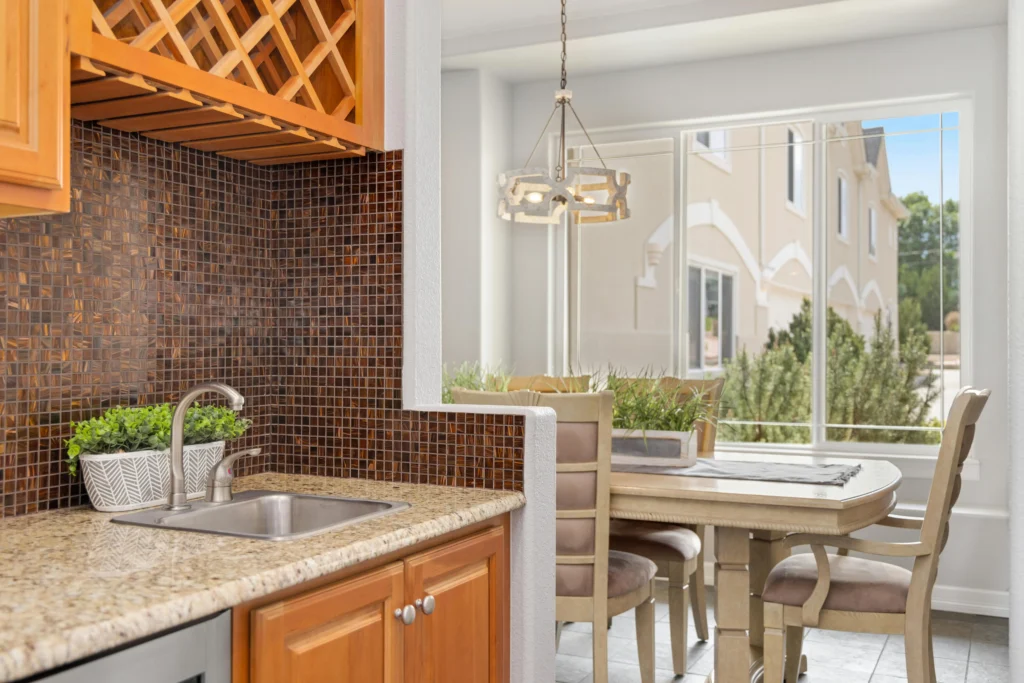
Minimalist spaces can sometimes feel too cold the secret to warmth is natural texture. Add a few wooden accents, woven baskets, or ceramic bowls. In the dining area, use linen placemats, rattan chargers, or a small potted plant as a centerpiece. In the kitchen, wooden spoons, bamboo trays, or a marble cutting board can elevate the space beautifully. Nature inspired details balance the simplicity of minimalism with warmth and character.
Utilize Smart Dining Storage
A minimalist dining area doesn’t mean you can’t store things nearby it just means doing it intentionally.
- Use a built-in bench with hidden storage underneath for linens or seasonal items.
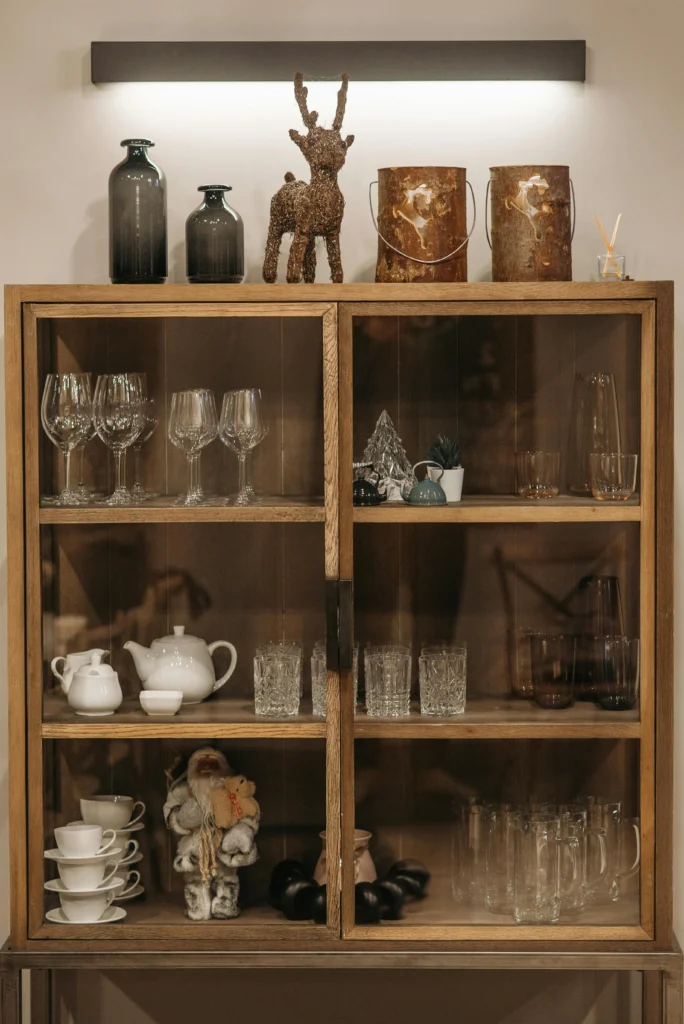
- Add slim cabinets or floating shelves for glassware and decorative bowls.
- Store candles, napkins, and serving trays in woven baskets for a tidy, unified look.
Keeping your dining space organized makes mealtime smoother and setup quicker no more searching for placemats or missing utensils.
Adopt the “One In, One Out” Rule
The easiest way to maintain your minimalist kitchen and dining area is by following a simple rule: when something new comes in, something old goes out. Bought new dinnerware? Donate your old set. Added a new appliance? Remove one that’s collecting dust. This small habit prevents clutter from creeping back and keeps your space fresh and manageable all year round.

Add a Touch of Personality
Minimalism doesn’t mean sterile or impersonal. Add warmth through small personal touches a framed print in the dining area, a textured runner, or a handmade mug collection displayed neatly on a shelf. These items tell your story and make your minimalist kitchen and dining room feel like home simple, stylish, and uniquely yours.
Keep Maintenance Simple
The final key to minimalist organization is easy upkeep. Every item should have a home, and cleaning routines should feel effortless.
Spend 5 minutes each night resetting your kitchen and dining space:
- Wipe the counters
- Put away dishes
- Clear the table
Small daily habits maintain order and ensure your space always feels calm and welcoming.