10 Dining Room Corner Decor Ideas That Elevate Your Space
Your dining room corners don’t have to be an afterthought they can be the most eye-catching, Instagram-worthy spots in your home. With a few thoughtful design choices, even small or awkward corners can be transformed into cozy breakfast nooks, dramatic statement areas, or functional storage spaces. From playful pops of color to sophisticated neutral tones, each corner offers a chance to express your style and elevate the overall vibe of your dining area. These small spaces often hold the potential to make a big impact on the feel and flow of your room.
Whether you’re looking to create a serene nook for morning coffee, a moody corner for evening entertaining, or a stylish display for art and decor, these dining room corner ideas provide endless inspiration. Using elements like oversized vases, mirrors, accent walls, open shelving, or rustic beams, you can turn simple corners into functional, beautiful spaces. Each idea in this guide is carefully curated to combine style, personality, and practicality, making it perfect for Pinterest lovers who want their home to look both cozy and picture-perfect.
Tiny Colorful Breakfast Nook Corner That Feels Like a Happy Cartoon
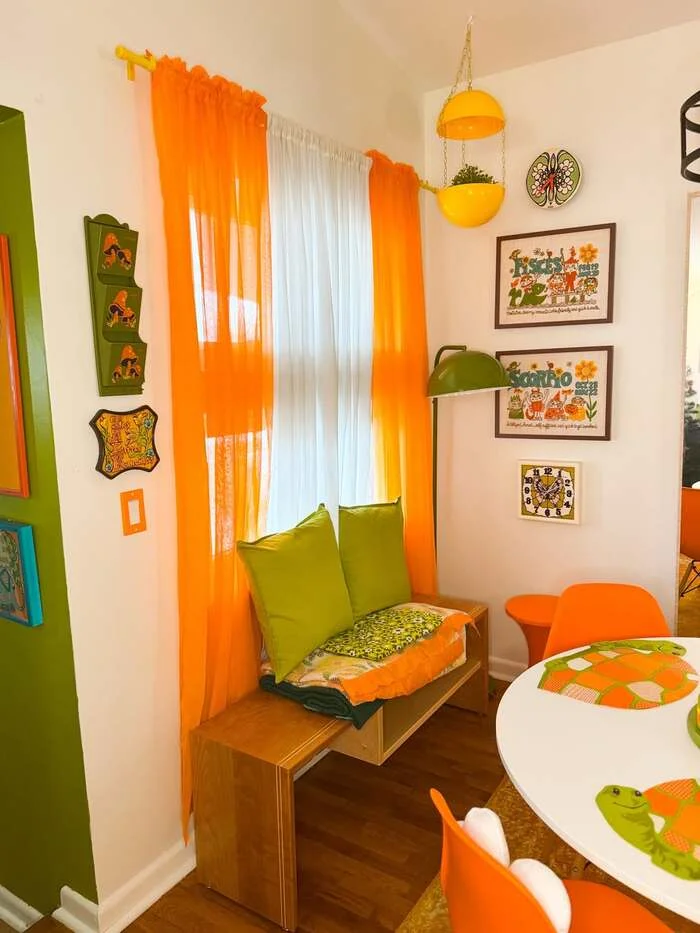
A tiny colorful breakfast nook corner can instantly transform your dining room into a joyful, storybook-like space that feels playful, cozy, and emotionally uplifting. This type of corner works especially well in small homes, apartments, or compact dining rooms where every inch matters. By combining soft pastel walls, vibrant cushions, patterned curtains, and a petite round table, you create a space that feels lighthearted without becoming overwhelming. The magic lies in mixing cheerful colors such as soft yellow, sky blue, coral pink, and mint green in a balanced way. Instead of using bold shades everywhere, let one or two colors lead while the rest support quietly. Adding whimsical wall art, framed quotes, or hand-painted accents further enhances the cartoon-inspired vibe. Natural light plays a huge role here, too. When sunlight hits colorful textures and fabrics, the entire nook feels alive and welcoming. Even a small window can make a big difference when paired with sheer curtains that soften the glow. This corner becomes more than a dining spot—it turns into a mood booster that makes everyday meals feel special. For Pinterest lovers, this type of setup is highly shareable because it looks charming, joyful, and instantly eye-catching in photos.
To design this kind of breakfast nook successfully, start with the seating. A built-in bench or compact bench seat works beautifully in tight corners, allowing you to layer colorful cushions and throws without crowding the space. Choose cushions in different patterns—polka dots, stripes, florals, or soft geometrics—to create visual interest. The key is keeping all patterns within a similar color family so they feel coordinated. Next, focus on the table. A small round or oval table in white, light wood, or pastel paint keeps the look soft and inviting. Avoid bulky furniture that might overpower the corner. Instead, go for slim legs and minimal designs. On the walls, consider adding floating shelves with tiny plants, ceramic figurines, or colorful mugs for a lived-in feel. You can also use peel-and-stick wallpaper with subtle illustrations or pastel motifs to enhance the cartoon-like charm without permanent commitment. Lighting matters just as much as color. A small pendant lamp or warm-toned wall sconce can create a cozy glow during evening meals. Together, these details form a space that feels thoughtfully curated yet effortless.
What makes a tiny colorful breakfast nook truly special is the emotional connection it creates within your home. This corner becomes a place where mornings feel brighter, conversations feel lighter, and everyday routines feel more enjoyable. It’s where you sip coffee while scrolling Pinterest, enjoy quick lunches, or share late-night snacks with loved ones. Because the design is playful and cheerful, it naturally encourages creativity and relaxation at the same time. For families, it can become a favorite spot for kids to do homework or enjoy breakfast. For couples or solo homeowners, it offers a peaceful escape that feels personal and comforting. Styling this nook seasonally also keeps it fresh—swap cushion covers, add festive decor, or change artwork to match holidays and trends. This adaptability makes it ideal for Pinterest-inspired homes that thrive on visual updates. Most importantly, this corner reflects personality. It shows that small spaces don’t have to be boring or purely functional. With the right colors, textures, and accessories, even the tiniest dining corner can feel like a happy cartoon scene brought to life inside your home.
Soft Neutral Corner with a Wicker Chair That Feels Like a Quiet Nook
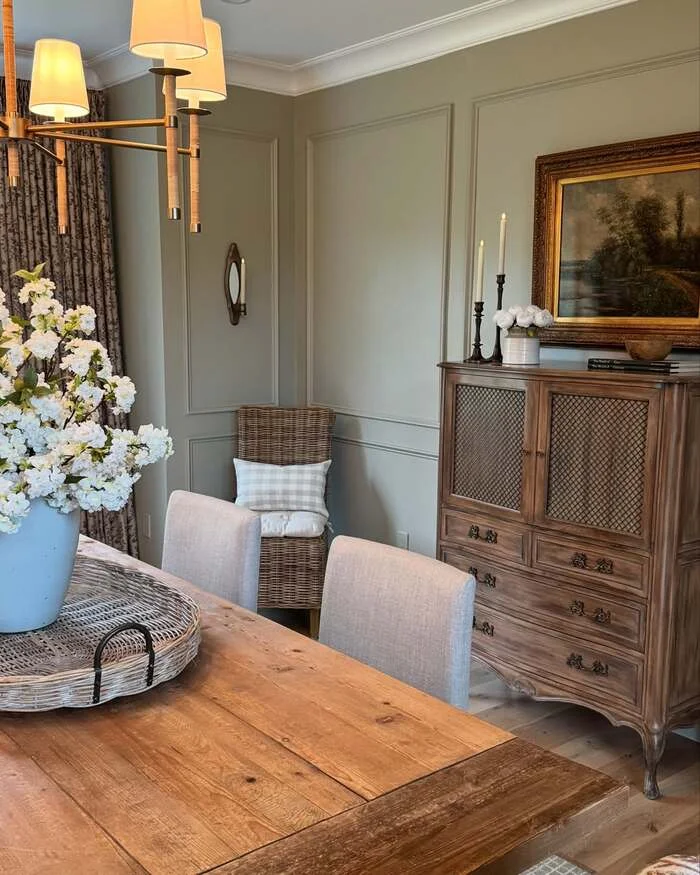
A soft neutral dining room corner with a wicker chair creates a peaceful retreat that feels calm, grounded, and effortlessly elegant. This type of nook is perfect for homeowners who love minimal aesthetics, slow living, and timeless interior design. By using shades like beige, cream, soft taupe, warm white, and muted gray, you instantly create an atmosphere that feels soothing and welcoming. The wicker chair becomes the heart of the space, adding organic texture and natural warmth that balances the clean simplicity of neutral tones. Unlike bold or colorful setups, this style focuses on subtle beauty and quiet luxury. Soft sunlight filtering through sheer curtains enhances the gentle palette, making the corner feel airy and open. A neutral nook doesn’t compete for attention—instead, it invites you to pause, breathe, and enjoy the moment. On Pinterest, these calm corners perform exceptionally well because they represent aspirational living: uncluttered, cozy, and emotionally comforting. They appeal to people seeking balance in their homes, especially in busy modern lifestyles where peaceful spaces are highly valued.
Designing this quiet nook starts with choosing the right furniture and textures. A wicker or rattan chair with curved lines works beautifully because it introduces softness without overpowering the space. Pair it with a linen or cotton seat cushion in ivory, oatmeal, or soft gray for added comfort. A small side table in light wood or whitewashed finish provides function without visual heaviness. For the walls, keep things simple—neutral paint, subtle textured wallpaper, or soft paneling helps maintain the tranquil mood. You can enhance the corner with layered textiles such as a lightweight throw blanket, woven rug, or fabric wall hanging. Plants also play an important role here. A small olive tree, fiddle-leaf fig, or dried pampas grass adds life while staying within the calm aesthetic. Lighting should be warm and gentle, preferably through a table lamp, wall sconce, or floor lamp with a fabric shade. Avoid harsh overhead lights, as they disrupt the serene ambiance. Each design element should feel intentional, creating a space that looks curated yet relaxed.
What truly makes this soft neutral corner special is the emotional experience it provides within your home. This nook becomes a personal sanctuary where you can enjoy quiet breakfasts, evening tea, journaling sessions, or moments of reflection. It encourages slow mornings and peaceful routines, helping you disconnect from digital noise and daily stress. Because the design is understated, it adapts easily to different seasons and trends. You can refresh the space with new cushion covers, seasonal flowers, or subtle decor changes without disrupting its core aesthetic. For Pinterest lovers, this type of nook represents “soft living”—a lifestyle focused on comfort, mindfulness, and intentional design. It also photographs beautifully, thanks to its natural light and balanced tones. Over time, this corner becomes more than a decorative feature; it turns into a meaningful part of your daily life. It reflects a love for simplicity, authenticity, and emotional well-being. Even in the busiest homes, a neutral wicker chair corner offers a reminder that peace can exist in small spaces when they are designed with care and purpose.
Modern Airy Corner with Huge Windows and One Giant Vase
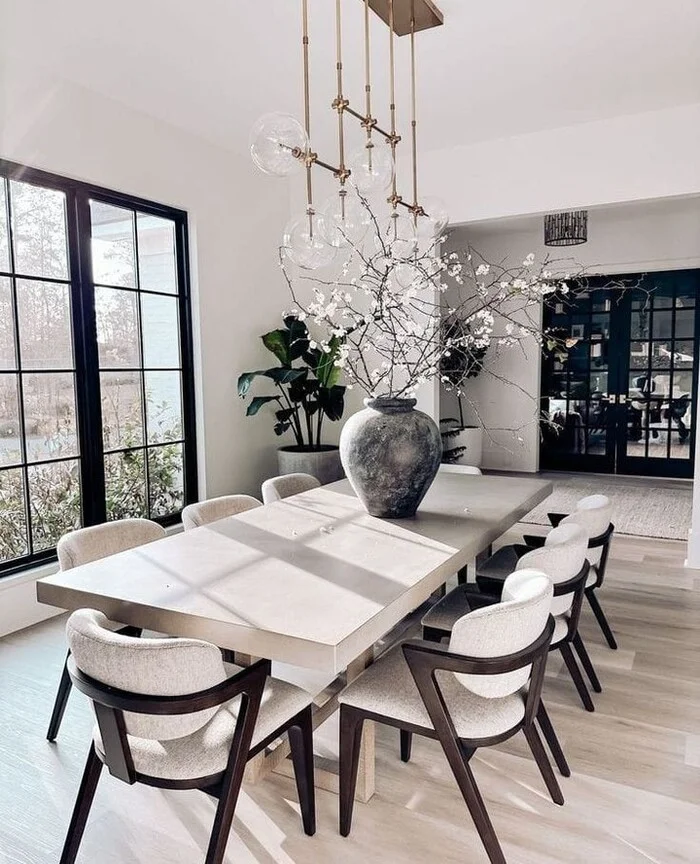
A modern airy dining room corner with huge windows and one giant vase creates an atmosphere that feels open, refreshing, and visually effortless. This type of setup is ideal for homeowners who love natural light, clean lines, and a sense of spaciousness in their interiors. Large windows act as the main design feature, allowing sunlight to flood the space and highlight every texture and surface. When paired with light-colored walls, soft wood flooring, and minimal furniture, the corner instantly feels expansive and calm. The oversized floor vase becomes the focal point, grounding the openness with sculptural beauty. Whether it’s filled with tall branches, dried grasses, or left empty as an art piece, the vase adds character without clutter. This design style reflects modern living at its finest—simple, breathable, and emotionally uplifting. On Pinterest, airy corners with large windows perform extremely well because they represent dream homes filled with light and serenity. They inspire viewers to imagine themselves enjoying peaceful mornings and relaxing evenings in a space that feels connected to nature.
Creating this kind of modern corner starts with embracing minimalism and thoughtful placement. First, keep the area near the windows as open as possible. Avoid heavy curtains, bulky furniture, or dark colors that block light. Instead, use sheer drapes, light blinds, or leave windows uncovered if privacy allows. The giant vase should be placed strategically in a corner where it doesn’t interrupt movement but still commands attention. Ceramic, concrete, glass, or matte-finish vases in neutral shades work best for a contemporary look. Pair the vase with subtle decorative elements such as a low-profile bench, slim dining chair, or narrow console table in light wood or white finishes. Flooring and rugs should remain simple, using soft textures and neutral tones to maintain visual harmony. Add greenery through tall branches, eucalyptus stems, or olive twigs for an organic touch. Lighting should complement natural daylight, using soft pendant lights or recessed fixtures for evening hours. Every element should feel intentional, balanced, and visually light.
What makes this modern airy corner truly special is how it transforms the emotional energy of your dining room. Natural light has a powerful effect on mood, productivity, and overall well-being, making this corner feel uplifting and peaceful throughout the day. It becomes a favorite spot for morning coffee, weekend brunches, or quiet moments of reflection while watching the sunlight shift. The simplicity of the design encourages mental clarity and reduces visual stress, making the space feel restorative. For Pinterest users, this corner represents aspirational living—bright, open, and effortlessly stylish. It fits beautifully into modern, Scandinavian, and contemporary home aesthetics, making it highly shareable and adaptable. Over time, this corner evolves with the seasons as light patterns change and natural elements are refreshed. Yet its core beauty remains timeless. With huge windows and one striking vase, this dining corner proves that sometimes less truly is more, and that thoughtful simplicity can create the most powerful visual impact.
Green Accent Wall + Simple Art Grid + “Wood Beam” Lighting Hack
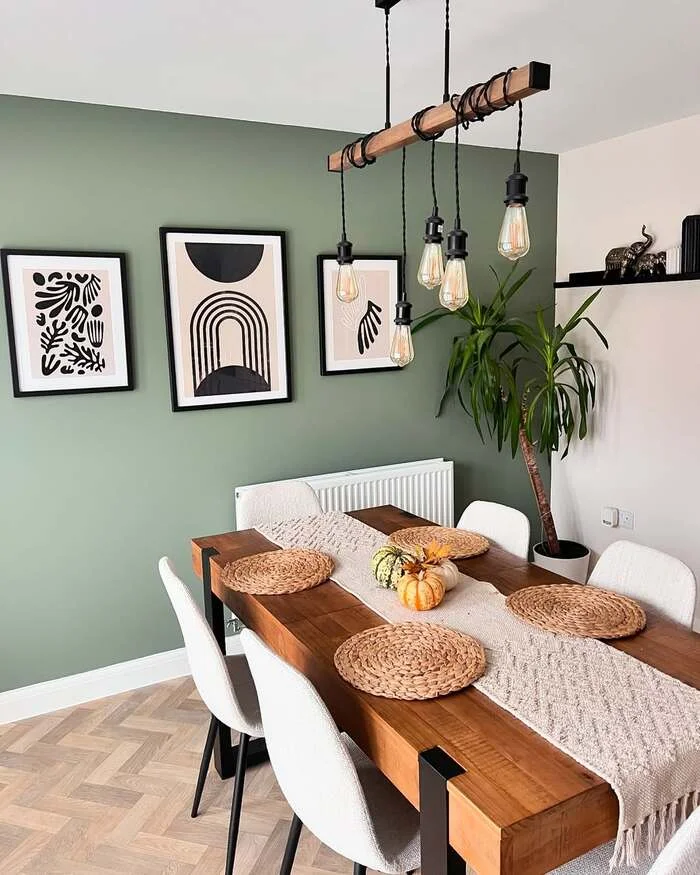
A green accent wall paired with a simple art grid and a creative “wood beam” lighting hack can completely transform a dining room corner into a statement-worthy focal point. This design blends natural inspiration with modern structure, creating a space that feels grounded, stylish, and visually balanced. Green is known for its calming and refreshing qualities, making it an ideal color for dining spaces where people gather, relax, and connect. Shades like sage, olive, eucalyptus, and forest green work especially well because they feel timeless rather than trendy. When this soothing backdrop is combined with a neatly arranged art grid, the corner gains personality without feeling chaotic. The framed artwork can include botanical prints, abstract designs, quotes, or photography, all unified through similar frames and spacing. Adding a faux or real wood beam lighting fixture above completes the look by introducing warmth and architectural interest. On Pinterest, this layered design style stands out because it looks custom-made, high-end, and thoughtfully curated, even when created on a budget.
Designing this corner starts with choosing the right shade of green and applying it strategically. The accent wall should highlight the corner without overpowering the room, so avoid overly dark or neon tones. Once painted, plan the art grid carefully by measuring spacing and aligning frames in symmetrical rows. This organized structure gives the corner a polished and designer-inspired appearance. Use frames in wood, black, or white finishes depending on your overall theme. Next comes the wood beam lighting hack, which involves using a wooden plank or faux beam mounted to the ceiling to suspend pendant lights or spotlights. This creates the illusion of architectural depth without major renovations. Choose warm-toned bulbs to enhance the cozy atmosphere. Balance the corner with simple furniture such as a slim dining chair, bench, or sideboard in neutral wood or matte finishes. Add small accessories like ceramic vases, greenery, or candles to soften the structured elements and make the space feel lived-in.
What makes this green accent wall corner truly impactful is how it combines creativity, functionality, and emotional warmth. It becomes a place where design tells a story—one of intentional choices and personal expression. This corner naturally draws attention, making it ideal for hosting guests, family dinners, or styled photo moments. The art grid reflects your taste, while the green wall connects the space to nature, promoting relaxation and comfort. For Pinterest users, this setup represents “smart design”—a look that appears custom and expensive but is achievable with simple DIY techniques. It also offers flexibility, allowing you to change artwork, lighting styles, or decor accents over time without repainting or remodeling. As trends shift, this corner remains relevant because of its balanced blend of color, structure, and warmth. Ultimately, it proves that with thoughtful planning, even a small dining room corner can become a standout feature that elevates the entire space.
Traditional Navy Corner with a Sideboard and Framed Art That Feels Classic
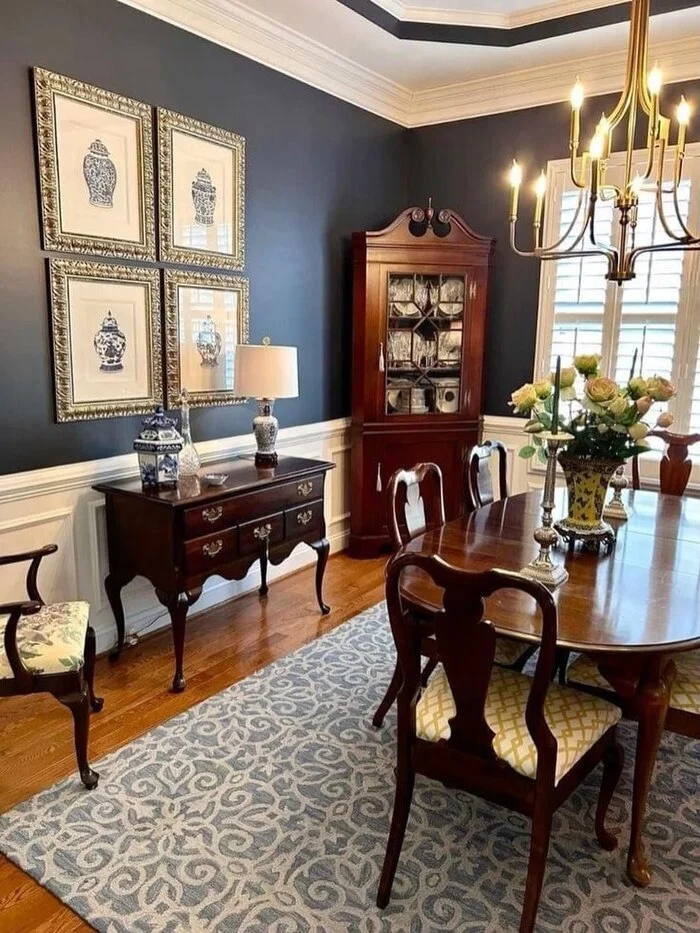
A traditional navy dining room corner with a sideboard and framed art brings timeless elegance and refined charm into your home. Navy blue is a powerful yet sophisticated color that instantly adds depth, richness, and structure to any space. When used in a dining corner, it creates a sense of formality while still feeling warm and inviting. This shade works beautifully with classic materials such as dark wood, brass hardware, marble accents, and soft neutral textiles. A sideboard placed against the navy backdrop becomes the anchor of the corner, offering both visual weight and practical storage. Framed artwork displayed above it adds character, history, and personal storytelling to the design. Whether you choose landscapes, vintage prints, portraits, or architectural sketches, the art brings refinement to the space. Natural or warm artificial lighting enhances the deep tones, preventing the corner from feeling heavy. On Pinterest, navy dining corners attract attention because they feel luxurious, mature, and thoughtfully designed, making them highly aspirational for classic interior lovers.
Creating this traditional corner starts with selecting the right shade of navy and pairing it with complementary finishes. Opt for deep matte or satin paint to avoid excessive shine and maintain a timeless look. The sideboard should feel substantial but not bulky, ideally in walnut, mahogany, painted white, or antique finishes. Choose pieces with elegant detailing such as curved legs, brass handles, or paneled doors. Styling the sideboard is just as important as selecting it. Use a combination of table lamps, decorative trays, ceramic vases, and stacked books to create layered interest. Above it, arrange framed art in symmetrical or balanced compositions to reinforce the classic aesthetic. Frames in gold, black, wood, or ivory work well against navy walls. Consider adding crown molding, wainscoting, or subtle wall trim to enhance architectural depth. Rugs in muted patterns and soft textures help ground the corner and connect it to the rest of the dining room. Each element should work together to create harmony and visual continuity.
What makes this navy corner truly special is the sense of stability, heritage, and emotional comfort it brings into your home. It feels rooted in tradition while remaining adaptable to modern lifestyles. This corner becomes a natural gathering place for family dinners, celebrations, and meaningful conversations. Its refined atmosphere encourages slower, more intentional dining experiences. For Pinterest users, this setup represents “timeless luxury”—a design that doesn’t chase trends but instead builds long-lasting beauty. It also provides flexibility, allowing you to update accessories, artwork, or lighting without changing the foundation. Seasonal decor such as greenery, candles, or festive accents fits effortlessly into this classic framework. Over time, this corner evolves with your life while maintaining its dignified presence. A navy wall, elegant sideboard, and curated art collection together create a dining corner that feels personal, graceful, and enduring.
Clean White Wainscoting with a Big Vase in the Corner
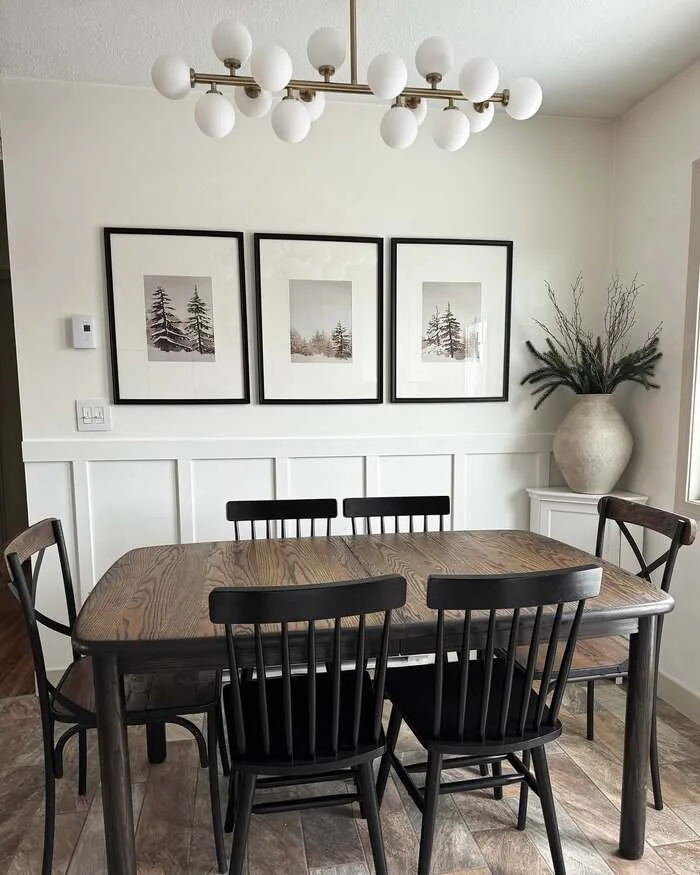
A dining room corner featuring clean white wainscoting paired with a big decorative vase creates a look that feels fresh, elegant, and effortlessly timeless. White paneling adds instant architectural charm, giving even simple spaces a refined and well-designed appearance. It introduces texture and depth without overwhelming the room, making it ideal for both traditional and modern interiors. When combined with soft wall colors such as cream, greige, pale gray, or muted pastels, the wainscoting becomes a subtle backdrop that enhances the entire space. The oversized floor vase acts as the main visual anchor in the corner, balancing the crisp structure of the paneling with artistic softness. Whether made of ceramic, stone, glass, or matte metal, a large vase brings sculptural beauty and height variation. Filled with dried branches, eucalyptus, pampas grass, or left empty, it adds personality without clutter. On Pinterest, this type of corner performs well because it represents “clean luxury”—a style that feels expensive, organized, and highly photogenic.
Designing this corner begins with selecting the right wainscoting style and proportion. Raised panels, beadboard, or shaker-style trim all work beautifully depending on your home’s architecture. The height of the paneling should be balanced with the ceiling to maintain visual harmony. Once installed or painted, focus on choosing a vase that complements the scale of the space. Tall ceilings can support dramatic oversized vases, while smaller rooms benefit from slightly slimmer silhouettes. Neutral colors such as ivory, taupe, charcoal, or soft gray keep the look cohesive. Place the vase in a corner where it feels intentional, not like an afterthought. Pair it with subtle elements like a small side table, wall sconce, or framed mirror to enhance dimension. Lighting plays an important role here as well. Soft wall washers, table lamps, or natural sunlight help highlight the paneling’s texture. Keep accessories minimal to preserve the clean aesthetic and allow the architectural details to shine.
What makes this white wainscoting corner truly special is the sense of calm, order, and sophistication it brings to your dining room. It creates a backdrop that feels stable and grounding, allowing daily life to unfold beautifully within it. This corner works equally well for casual family meals and formal gatherings, adapting effortlessly to different occasions. For Pinterest audiences, it represents classic design done right—simple, polished, and endlessly versatile. You can refresh the look seasonally by changing vase fillers, adding greenery, or incorporating subtle decorative accents. Over time, this corner becomes a signature feature that elevates the entire room. It reflects attention to detail, appreciation for craftsmanship, and love for balanced design. With crisp white paneling and one statement vase, this setup proves that elegance doesn’t require excess. Instead, it thrives on restraint, proportion, and thoughtful styling.
Mirror-Heavy Corner Wall That Makes a Small Room Feel Bigger
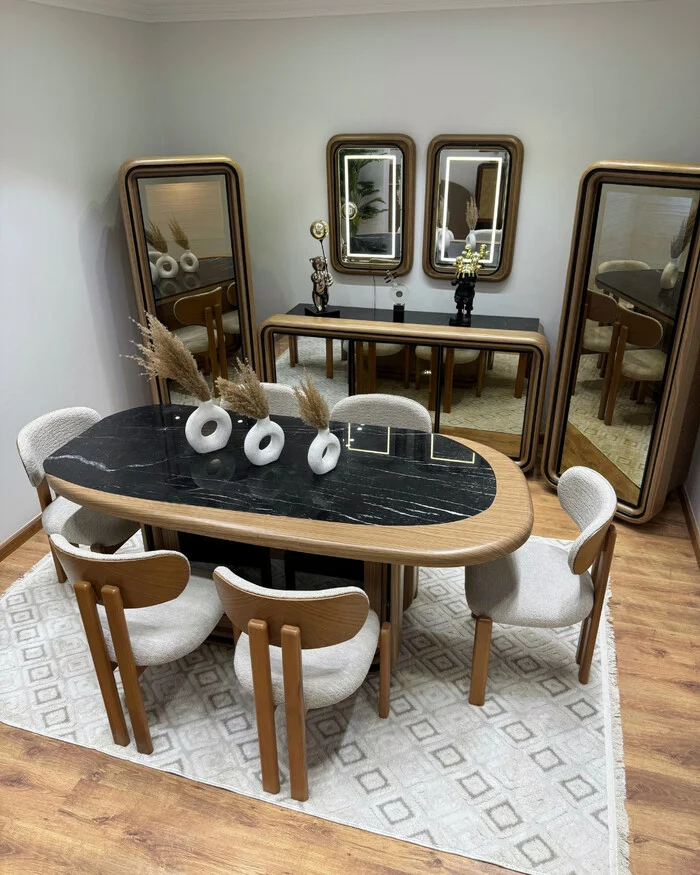
A mirror-heavy corner wall in a dining room is a clever design strategy that instantly makes a small space feel larger, brighter, and more inviting. Mirrors reflect natural light, create the illusion of depth, and enhance the overall visual appeal of the room. By filling a corner wall with a collection of mirrors—whether in a gallery-style arrangement, a single oversized statement piece, or overlapping geometric designs—you can transform an otherwise overlooked area into a striking focal point. Different mirror shapes and frames, such as round, rectangular, gold, black, or wood-finished, allow you to customize the look according to your style, whether modern, eclectic, or traditional. This design is particularly effective in small apartments or compact dining rooms where maximizing the perception of space is crucial. On Pinterest, mirror-heavy corners are highly shareable because they demonstrate both creativity and practical problem-solving, inspiring homeowners to make small spaces feel grand and luxurious.
Creating a mirror-focused dining corner starts with choosing the right mirrors and placement strategy. First, assess the natural light in the room and select mirror sizes and orientations that reflect and amplify it without overwhelming the space. Layering multiple mirrors can create a gallery wall effect, adding artistic interest and visual texture. Alternatively, a single oversized mirror can serve as a bold statement piece, anchoring the corner while opening up the room. Frames should complement existing decor, whether through matching metals, coordinating colors, or contrasting textures. To further enhance the effect, pair mirrors with minimal furnishings such as a slim console table, floating shelf, or delicate plant arrangement. Lighting plays a supporting role: warm ambient light from sconces, pendant lights, or table lamps can be reflected in the mirrors to increase brightness and add a soft glow. This corner design blends functionality, elegance, and visual intrigue seamlessly.
The real magic of a mirror-heavy dining corner lies in its ability to emotionally expand the space. It makes even modest rooms feel airy, comfortable, and more open, reducing any sense of confinement or clutter. This type of corner encourages homeowners to think creatively about design, maximizing the potential of every wall. For Pinterest audiences, it represents smart, aspirational design—an elegant solution that combines style with practicality. Seasonal touches, such as a small vase, decorative tray, or a few framed prints, can be rotated without disrupting the mirror arrangement, keeping the space dynamic. Over time, this reflective corner becomes a defining feature of the room, enhancing both the aesthetic and functional qualities of your dining area. A mirror-heavy corner proves that strategic design can dramatically alter perception, turning small spaces into visually expansive, light-filled retreats that feel welcoming and inspiring.
Moody Green Room with Open Shelving and a Bar-Style Corner
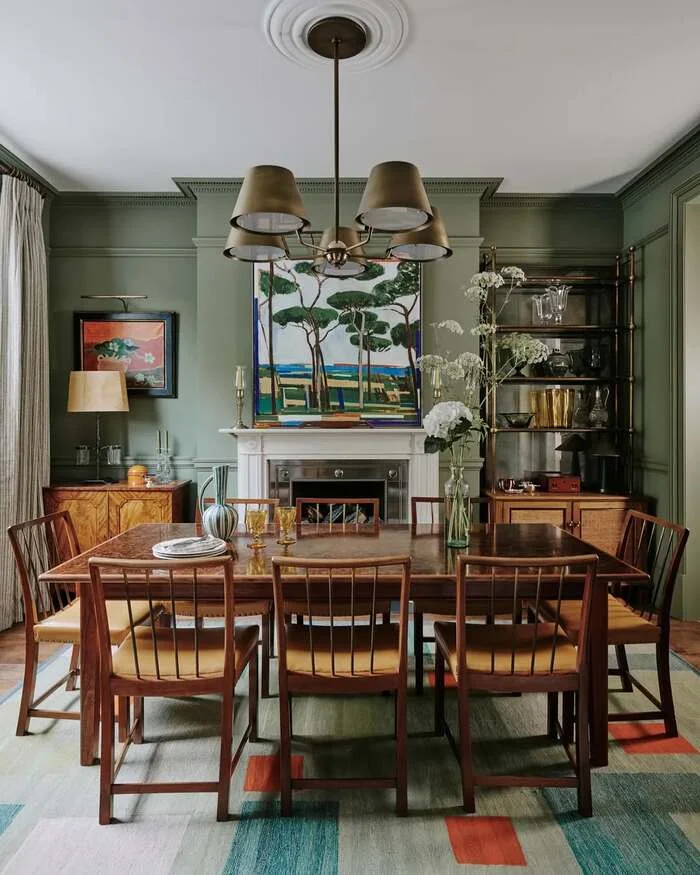
A moody green dining room corner with open shelving and a bar-style setup brings drama, sophistication, and personality to your home. Dark greens, such as forest, emerald, or deep olive, instantly create an intimate and cozy atmosphere, perfect for dining and entertaining. Open shelving adds a functional yet decorative touch, allowing you to display glassware, bottles, vases, or curated decor that tells a story. A small bar counter or corner setup encourages socializing, making this nook a go-to for cocktails, casual drinks, or stylish entertaining. The combination of moody walls and warm wood or metal accents balances depth with liveliness, creating a Pinterest-worthy corner that feels both luxurious and approachable. Light fixtures, metallic accents, and carefully chosen decor complete the look, enhancing its dramatic yet inviting vibe.
Designing this corner starts with selecting the right shade of green and layering textures for depth. Dark walls pair beautifully with warm wood shelves, brass or black hardware, and subtle lighting to prevent the space from feeling too heavy. Open shelves should be arranged thoughtfully—mixing functional items like glassware with decorative elements such as plants, books, or small sculptures to keep it visually interesting. The bar area can include a small counter, a floating shelf for spirits, or a rolling cart for mobility. Lighting is key: consider a pendant light above the bar or subtle LED under-shelf lighting to highlight items and create warmth. Rugs, stools, and small accessories add comfort and cohesion, ensuring the corner is as inviting as it is stylish.
The emotional impact of a moody green bar-style corner is undeniable. It creates a space for relaxation, entertainment, and personal expression, making dining experiences feel elevated and intentional. Pinterest audiences are drawn to this type of setup because it blends functionality with high-style appeal, showcasing how a small corner can become a conversation starter. Seasonal touches, such as glassware swaps, small plants, or decorative bottles, keep the look fresh year-round. Over time, this corner becomes more than just a functional bar; it transforms into a focal point that defines the room’s aesthetic and emotional energy. A moody green corner with open shelving proves that bold colors and intentional styling can create cozy yet sophisticated dining spaces.
Dining Room Corner Decor: Built-In Corner Cabinets That Feel Calm and Expensive
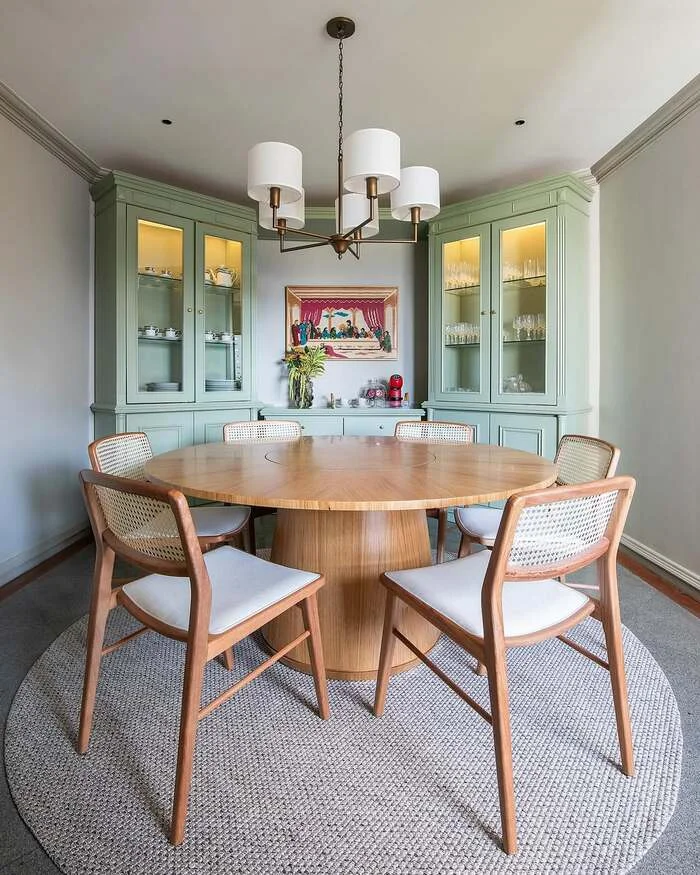
Built-in corner cabinets in a dining room instantly elevate the space, giving it a calm, organized, and high-end feel. Unlike freestanding furniture, built-ins are tailored to the corner, optimizing storage while creating seamless architectural interest. Painted in soft neutrals like white, cream, or light gray, these cabinets provide a tranquil backdrop that feels luxurious yet understated. Glass-front doors, simple hardware, and clean lines enhance the sense of sophistication. The top surface can serve as a display for curated objects such as vases, trays, or plants, transforming storage into decoration. Pinterest users are drawn to this type of corner because it appears effortlessly expensive and perfectly designed—a combination that appeals to those seeking both style and functionality.
Designing built-in cabinets starts with thoughtful proportions and finishes. The cabinetry should fit snugly into the corner without overpowering the room, and its scale should balance adjacent furniture. Glass or open shelves allow for display, while closed lower cabinets provide concealed storage for dining essentials. Hardware should be minimal and elegant, such as brushed brass, matte black, or polished nickel, complementing the cabinet color and room style. Add subtle lighting inside or above cabinets to highlight displayed items, creating warmth and depth. Flooring and surrounding decor should remain simple to emphasize the built-in feature as the main focal point. The combination of functionality, aesthetic refinement, and architectural integration makes this corner a standout feature.
The emotional appeal of a corner with built-in cabinets comes from the calmness and order it brings into the room. It provides a designated, intentional space for storage and display, reducing clutter and promoting a serene atmosphere. Homeowners feel a sense of pride and control over their space, which is especially valuable in busy dining rooms. For Pinterest audiences, this type of corner represents “effortless luxury”—a design solution that is visually impressive, practical, and timeless. Seasonal decor, such as small vases, candles, or holiday accents, can easily refresh the look without disturbing the built-in structure. Over time, a well-styled built-in corner cabinet adds lasting elegance and function, proving that smart design choices elevate even the simplest spaces.
Rustic Beams Plus Blue Pendants and a Corner Art Moment
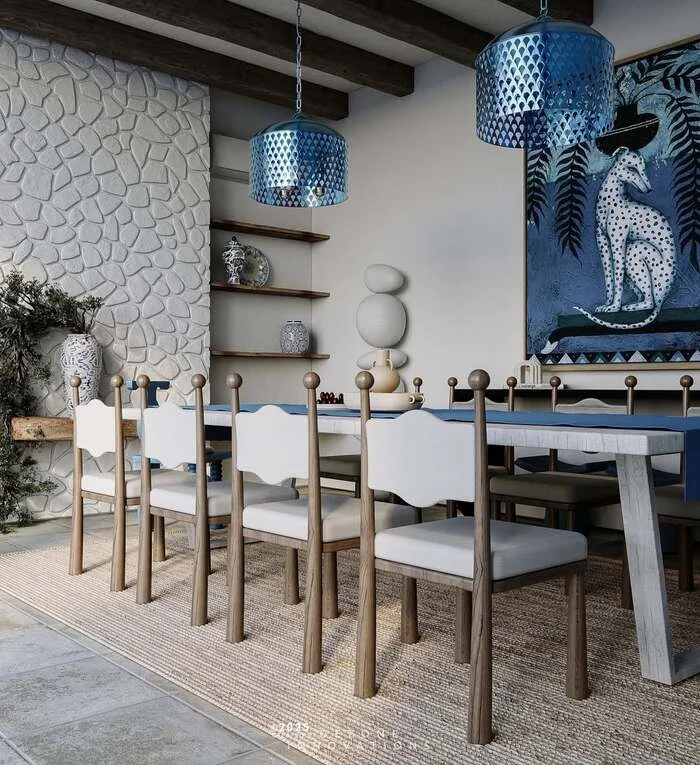
A dining room corner featuring rustic beams, blue pendant lights, and a curated corner art moment creates a dynamic and visually engaging space. Exposed wood beams bring natural warmth, texture, and architectural interest, while the blue pendants add a pop of color and modern flair. This combination of rustic and contemporary elements creates a layered, balanced look that feels both inviting and stylish. A thoughtfully arranged art moment—whether a small gallery wall, statement painting, or wall sculpture—anchors the corner, adding personality and a curated feel. This design works particularly well in homes with a transitional, farmhouse, or eclectic aesthetic, giving Pinterest audiences a perfect blend of texture, color, and creativity in a small corner.
Designing this corner requires attention to scale, balance, and cohesion. The wooden beams should be proportionate to the ceiling and visible from the corner, creating structural warmth without overpowering the space. Blue pendant lighting should hang at appropriate heights to illuminate the area while complementing the wood tones. The corner art moment should be curated to fit the space harmoniously—pieces should relate in color palette, theme, or scale to avoid visual clutter. Additional touches such as small side tables, vases, or greenery help connect the corner with the rest of the dining room. Layered textures from rugs, cushions, or natural fibers further enhance the cozy yet refined aesthetic. Lighting, material choices, and decor should all work together to create a cohesive, Pinterest-ready look.
The magic of a rustic beams corner lies in its balance of warmth, color, and personality. It creates a space that feels lived-in yet carefully designed, perfect for both everyday dining and special gatherings. Pinterest users are drawn to corners like this because they show how design can be bold and playful while remaining functional and elegant. Over time, seasonal updates to art or accessories can refresh the space without altering its core style. The interplay of rustic materials, vibrant lighting, and curated artwork ensures this corner remains memorable, unique, and inspiring. A corner like this demonstrates that with intentional design, even small dining areas can feel layered, luxurious, and full of character.
Conclusion
A well-designed dining room corner can completely transform the look and feel of your space, turning simple areas into eye-catching, functional, and inviting spots. Whether it’s a tiny colorful breakfast nook, a serene neutral wicker corner, a dramatic moody green setup, or a timeless navy accent, each idea combines style, personality, and practicality. Thoughtful touches like oversized vases, art grids, built-in cabinets, mirrors, or rustic beams elevate your home while reflecting your unique taste. These corners are more than just decorative they create moods, encourage connection, and make everyday dining experiences feel special. By incorporating these 10 curated ideas, you can design dining room corners that are visually stunning, highly functional, and perfectly Pinterest-worthy, inspiring both comfort and creativity in your home.


