

Minimalist Sofa Styling Ideas for Every Home
A sofa is often the heart of the living room. It’s where we relax after a long day, host guests, and spend quality time with family. In a minimalist home, the sofa plays an even more important role because it sets the tone for the entire space. Styling it the right way can instantly make your living room feel calm, cozy, and thoughtfully designed without clutter.
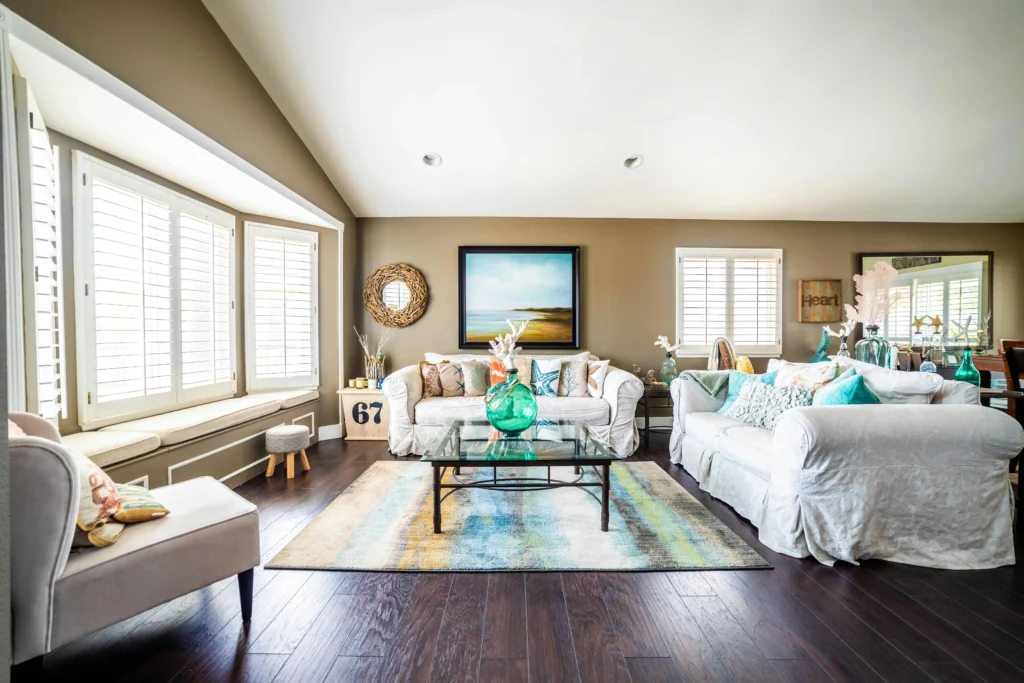
Minimalist sofa styling is not about making your space look empty or boring. Instead, it focuses on balance, comfort, and intentional design choices. With a few well-chosen elements, you can transform your sofa into a stylish focal point that works beautifully in any home, whether large or small.
What Minimalist Sofa Styling Really Means
Minimalist sofa styling is about doing more with less. Instead of filling your sofa with random cushions and accessories, you carefully choose items that serve both a functional and aesthetic purpose. The goal is to create a clean, uncluttered look that still feels warm and welcoming. Neutral colors, natural textures, and simple arrangements are key elements of minimalist styling.
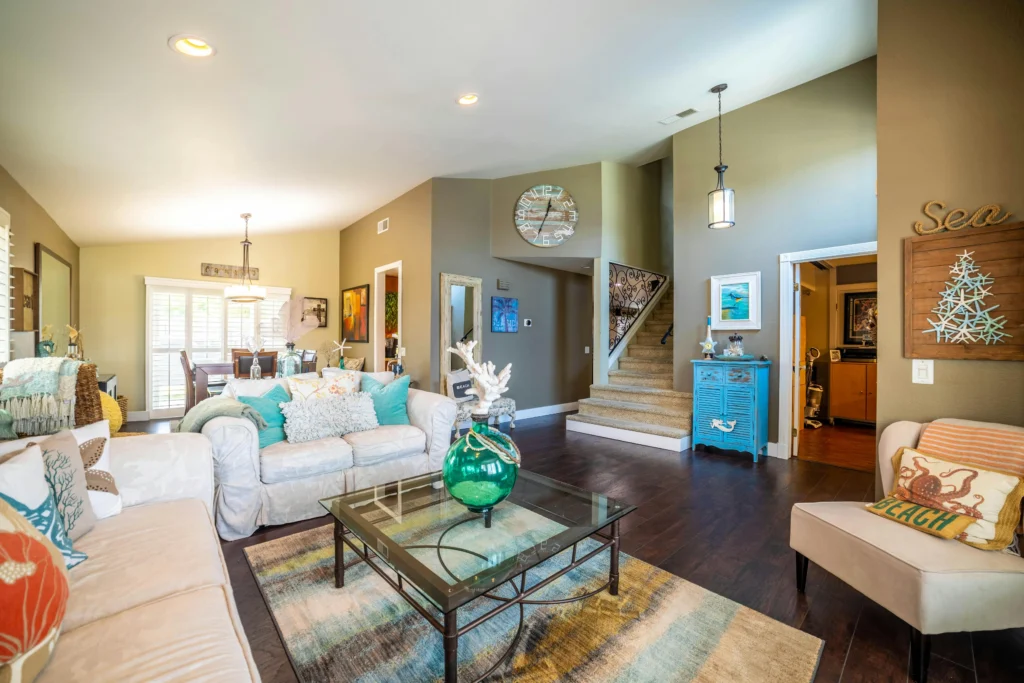
Every item placed on or around the sofa should feel intentional and add value to the space. This approach works well for modern homes, apartments, and even traditional spaces that need a fresh, calm update.
Choose the Right Sofa as Your Base
Before styling, it’s important to start with the right sofa. In minimalist interiors, the sofa should have clean lines, a simple shape, and a timeless design. Neutral shades like beige, gray, cream, taupe, or soft white are ideal because they create a calming base and are easy to style throughout the year. Avoid overly bulky designs or sofas with too many decorative details, as they can overpower a minimalist living room.
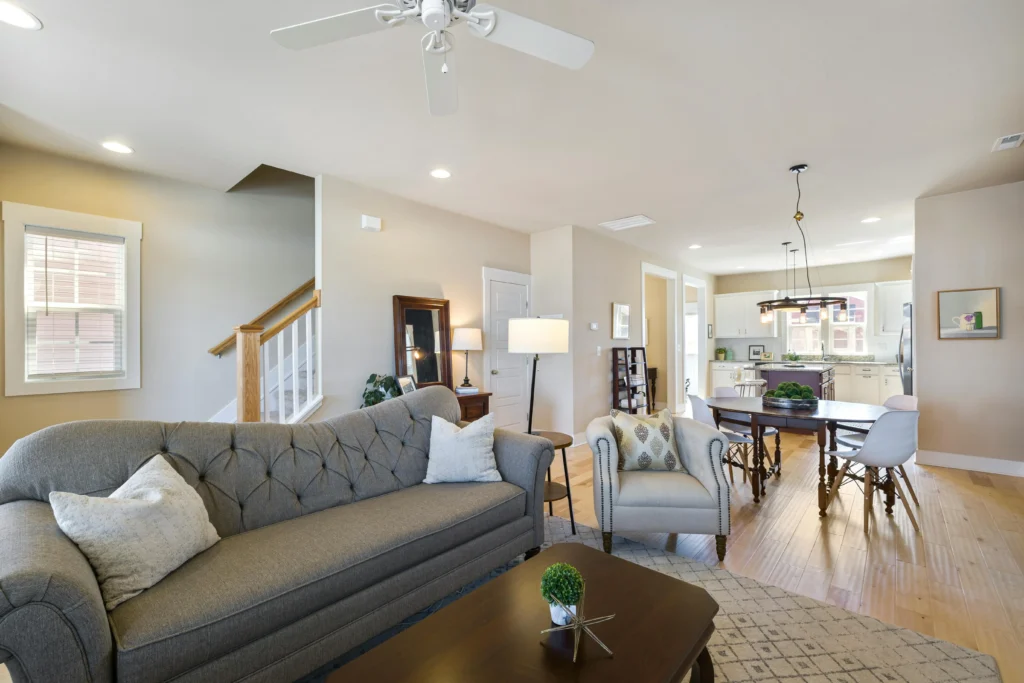
If you already own a sofa, don’t worry styling can still make a big difference. The key is to work with what you have and keep everything balanced.
Stick to a Calm Neutral Color Palette
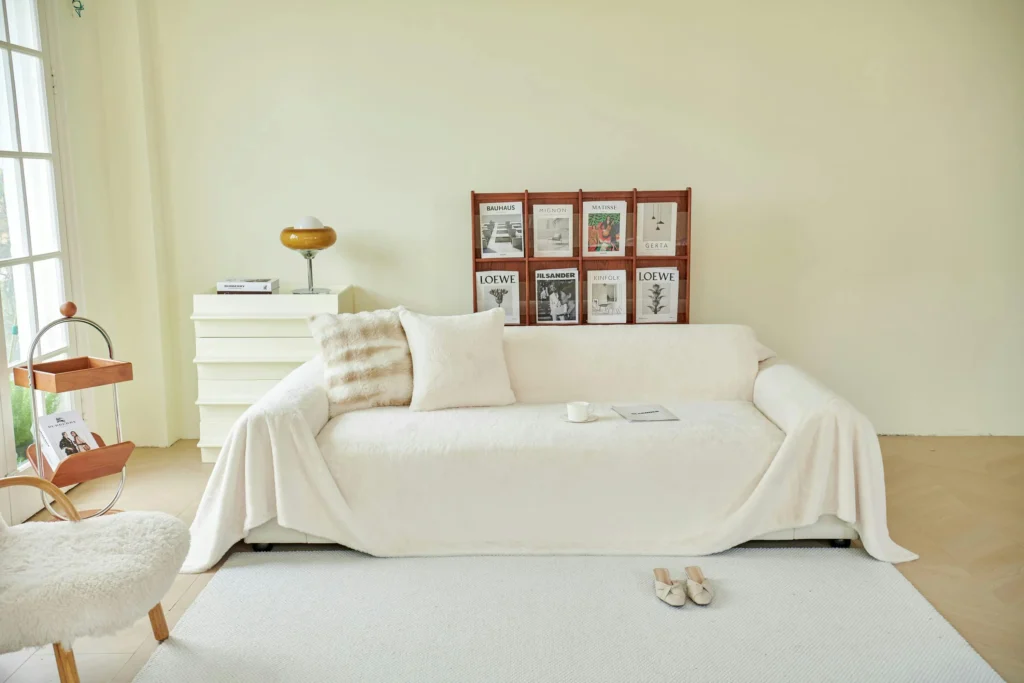
Color plays a huge role in minimalist sofa styling. A soft, neutral palette helps create a peaceful atmosphere and makes your living room feel more open and airy. Shades like white, beige, warm gray, soft brown, and muted earth tones work beautifully together. You can layer similar tones for depth without making the space feel busy.
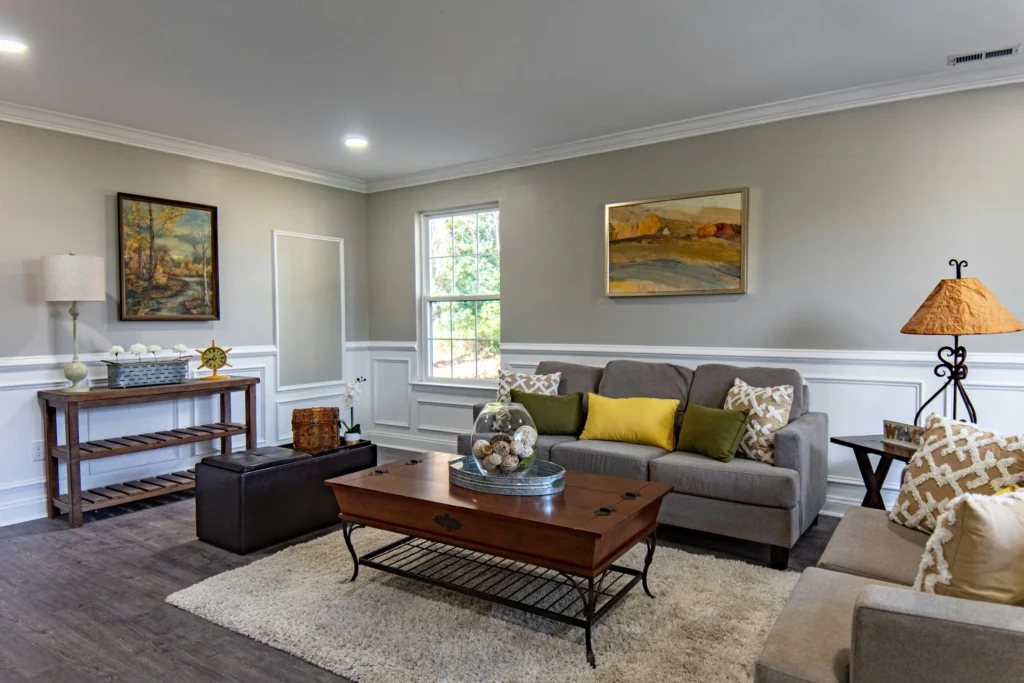
For example, a beige sofa paired with cream cushions and a light gray throw creates a subtle yet stylish look. Avoid bold or overly bright colors if you want to maintain a minimalist aesthetic. If you do want a pop of color, keep it soft and limited.
Use Fewer Cushions Styled the Right Way
One of the most common mistakes in sofa styling is using too many cushions. In minimalist design, less is always more. Start with two or three cushions instead of filling the entire sofa. Choose cushions in solid colors, subtle patterns, or textured fabrics like linen or cotton. Mixing different textures within the same color family adds interest without clutter.
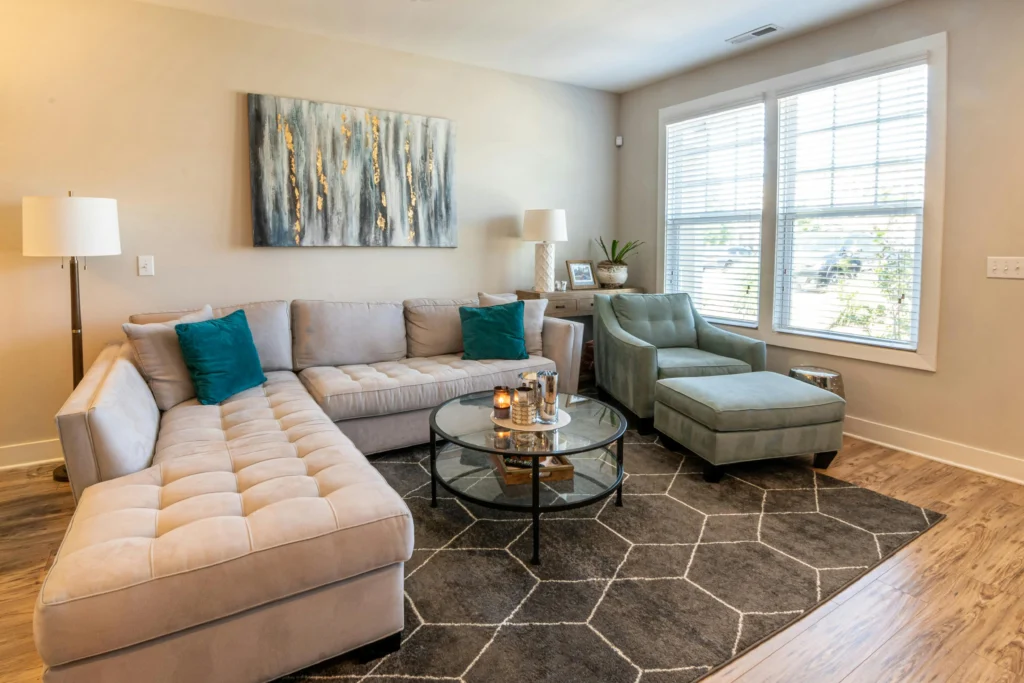
Arrange cushions neatly, either symmetrically or slightly off center for a relaxed look. The goal is to make the sofa feel inviting but not overcrowded.
Add a Simple Throw for Warmth and Texture
A throw blanket is one of the easiest ways to elevate your sofa styling. It adds warmth, softness, and a cozy touch to an otherwise clean setup.Choose throws in neutral tones such as ivory, taupe, or light gray. Natural materials like wool, cotton, or knit fabrics work best for a minimalist home.
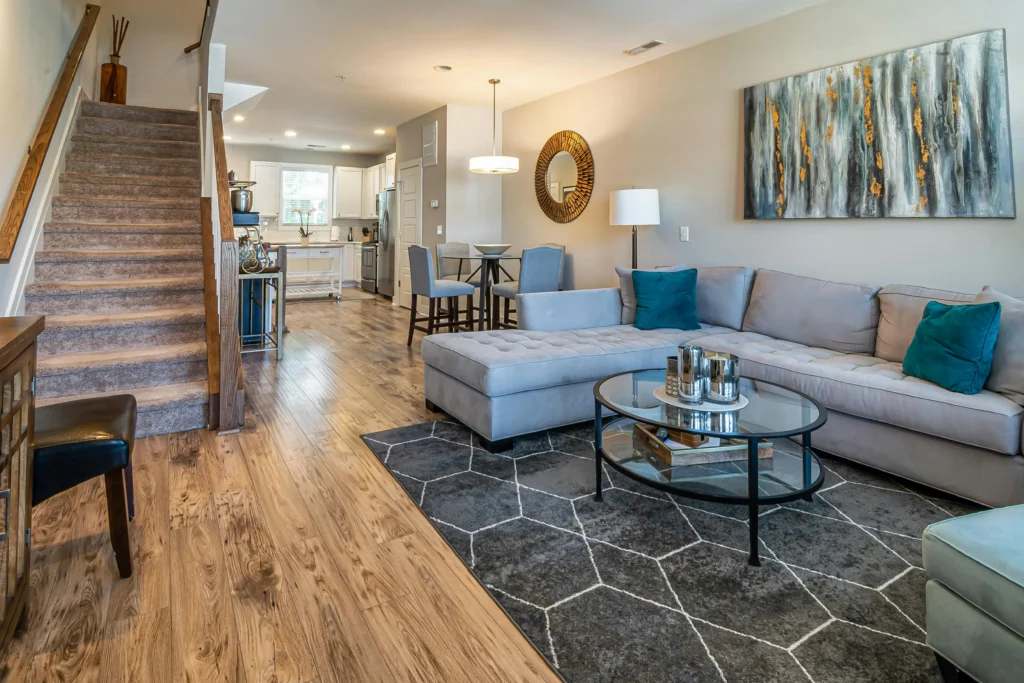
Drape the throw casually over one arm of the sofa or fold it neatly across the seat for a more structured look. This small detail can instantly make your living room feel more comfortable and lived in.
Focus on Texture Instead of Decoration
In minimalist spaces, texture replaces heavy decoration. Since you’re using fewer items, each one should add visual interest through material and finish. Think about mixing smooth and soft textures. For example, pair a sleek fabric sofa with linen cushions, a knitted throw, or a soft wool rug nearby. These layers keep the space from feeling flat while maintaining simplicity.
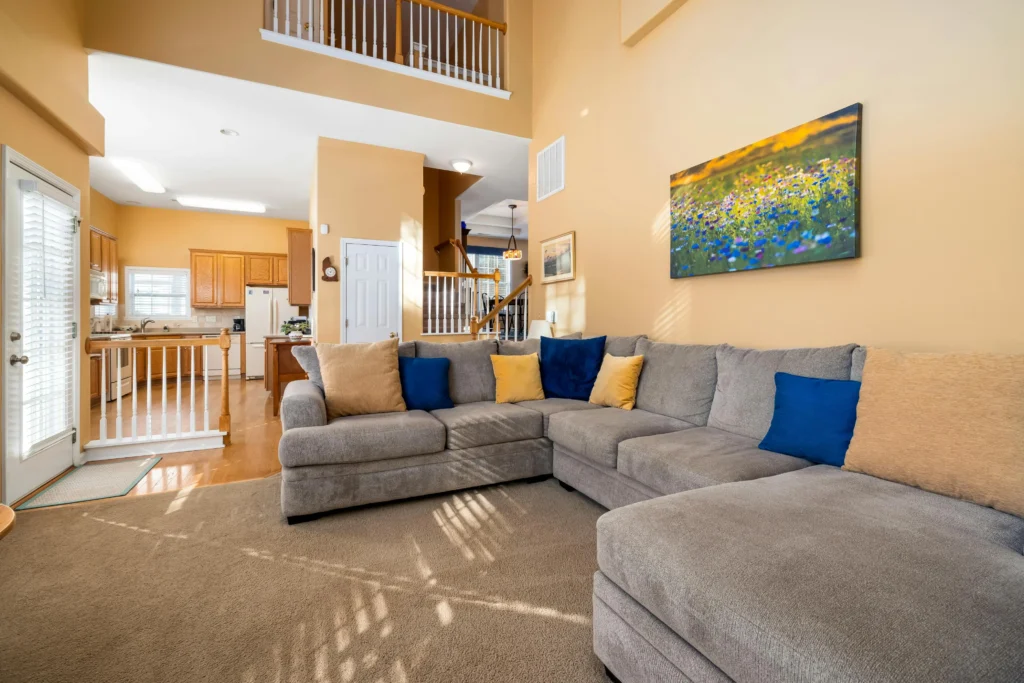
Natural textures also bring warmth and balance, which is especially important in neutral interiors.
Keep the Space Around the Sofa Clean
Minimalist sofa styling doesn’t stop at the sofa itself. The area around it plays a big role in how the whole setup looks. Avoid placing too many side tables, lamps, or decorative objects next to the sofa. Choose one simple side table or a clean lined coffee table that complements the sofa. Leave some empty space to allow the room to breathe. This openness helps highlight the sofa and makes the living room feel larger and more organized.
Style Your Sofa Based on Your Home Size
Minimalist Sofa Styling for Small Homes
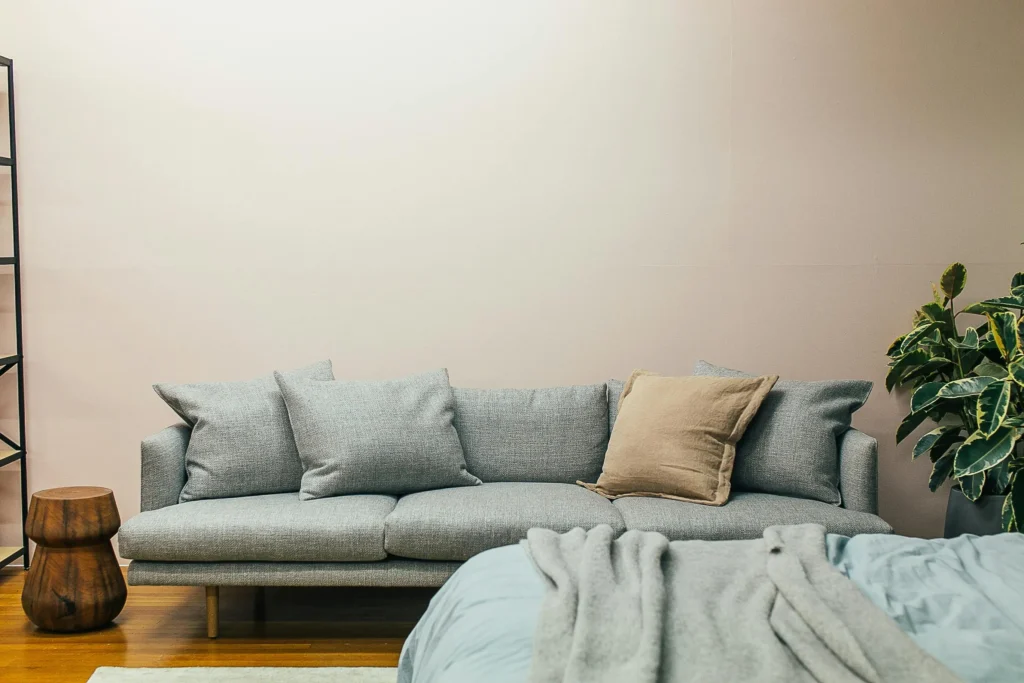
In small apartments or compact living rooms, sofa styling should be extra intentional. Stick to lighter colors to make the space feel open. Use fewer cushions and avoid bulky throws. A slim sofa with raised legs can also make a small room feel less crowded. Keep the styling simple so the sofa doesn’t overwhelm the space.
Minimalist Sofa Styling for Larger Spaces
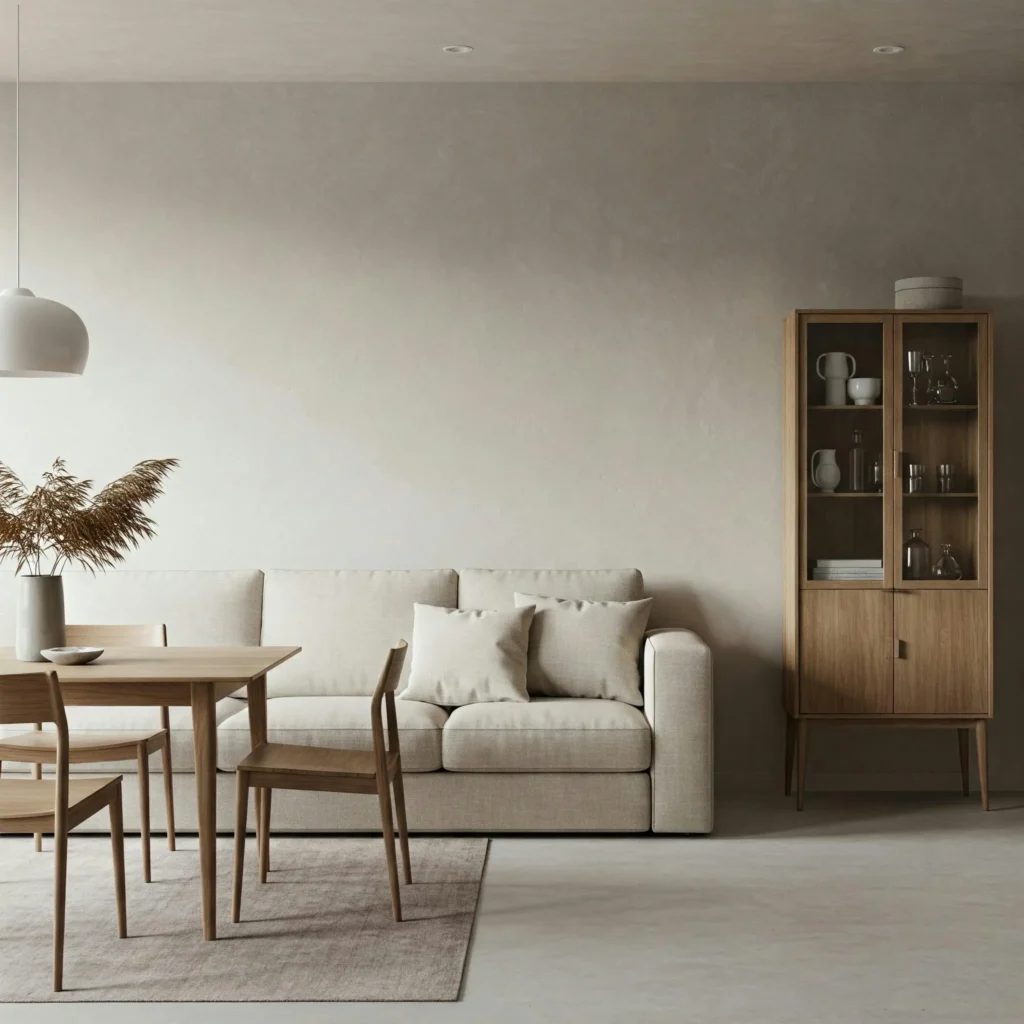
In larger homes, you can add a bit more layering while keeping things minimal. Slightly larger cushions, a textured throw, and a nearby floor lamp can help balance the scale of the room. Even in a big space, resist the urge to overdecorate. The minimalist approach works best when the sofa remains clean and thoughtfully styled.
Let Natural Light Do the Work
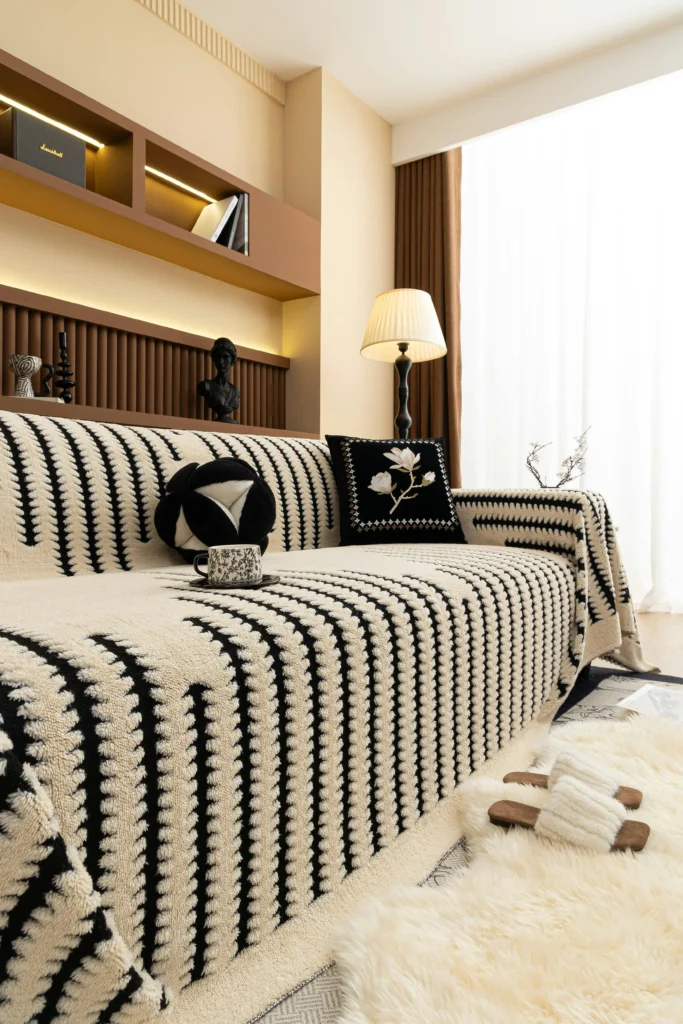
Natural light enhances minimalist sofa styling more than any accessory. A well-lit sofa instantly looks fresher and more inviting. Place your sofa near a window if possible and avoid heavy curtains. Light, sheer curtains allow sunlight to flow in while maintaining privacy. The combination of natural light and neutral sofa styling creates a calm, effortless look. If natural light is limited, use warm lighting to maintain a cozy atmosphere.
Rotate Small Details Seasonally
Minimalist doesn’t mean boring or static. You can refresh your sofa styling seasonally without adding clutter. In winter, add a cozy knit throw and slightly warmer tones. In summer, switch to lighter fabrics like cotton or linen and softer shades. These small changes keep your living room feeling fresh while staying true to minimalism. Seasonal updates are a great way to enjoy variety without accumulating unnecessary items.
Avoid Common Minimalist Sofa Styling Mistakes
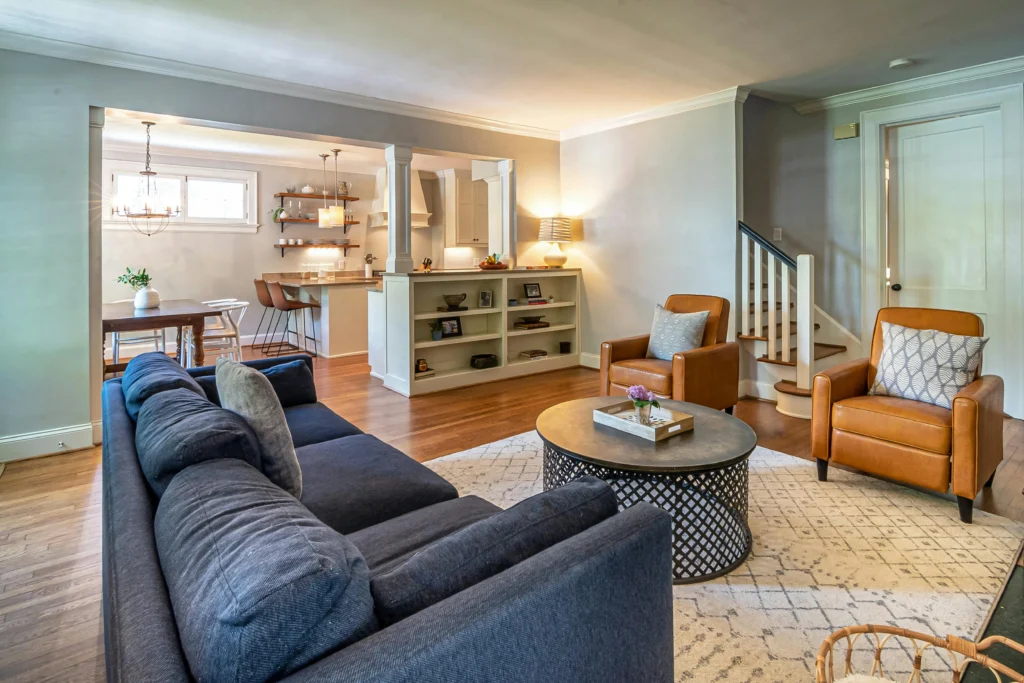
One common mistake is trying to make the sofa look “too perfect.” Minimalist spaces should feel natural and comfortable, not stiff or showroom like. Another mistake is ignoring comfort. A sofa may look beautiful, but it should also feel good to sit on. Choose cushions and throws that are both stylish and practical. Lastly, avoid adding decorative items just for the sake of filling space. Empty space is an important part of minimalist design.
Why Minimalist Sofa Styling Works for Every Home
Minimalist sofa styling is versatile, timeless, and easy to maintain. It works well in apartments, family homes, and even rental spaces because it doesn’t rely on permanent changes or expensive decor. By focusing on simplicity, comfort, and intentional choices, you create a living room that feels calm and welcoming every day.
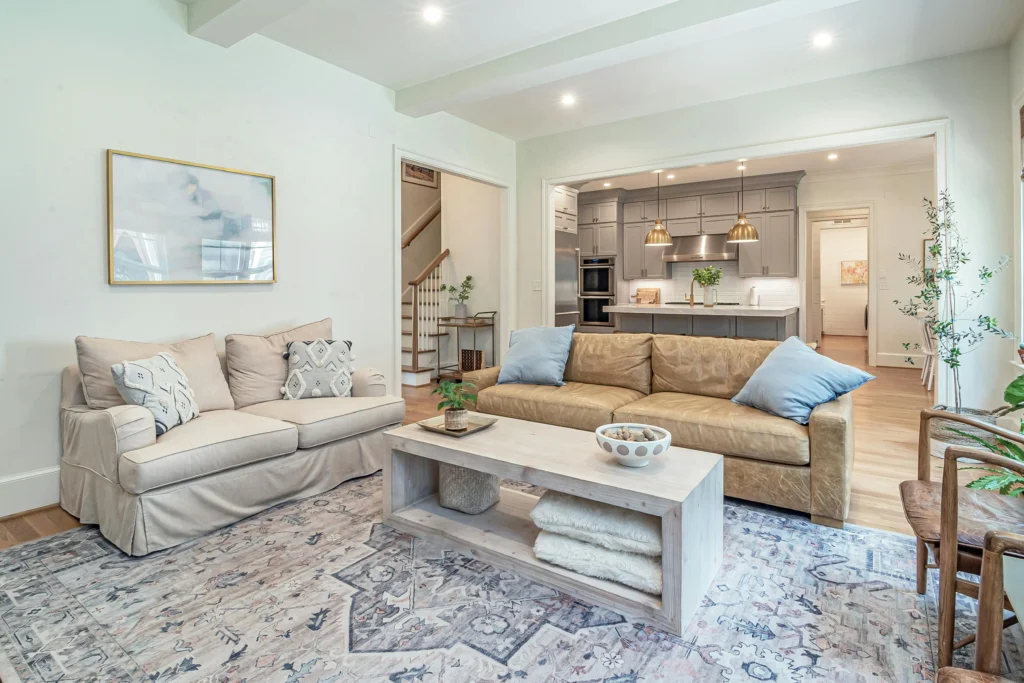
The sofa becomes a place you truly enjoy, not just a piece of furniture.With these minimalist sofa styling ideas, you can create a space that reflects modern living while staying warm, practical, and beautifully balanced.


