
5 Neutral Color Palettes for a Minimalist Living Room
Minimalist living room design is more than a trend it’s a lifestyle philosophy. It’s about creating a space that feels calm, intentional, and free of excess. And at the heart of every minimalist living room lies one essential design element: a neutral color palette.
Neutral colors have an effortless elegance. They bring balance, depth, and warmth without overwhelming the senses. Whether your style leans Scandinavian, modern, or soft contemporary, a neutral palette creates a timeless backdrop that feels both serene and sophisticated.
Here are five neutral color palettes that will elevate your minimalist living room each offering its own mood, personality, and touch of understated luxury.
1. Warm Whites and Soft Beige: Calm and Inviting
When it comes to minimalist spaces, nothing feels more refreshing than a blend of warm whites and soft beige tones. This palette creates a bright yet cozy atmosphere, perfect for anyone who wants their living room to feel light, airy, and welcoming.
Think creamy white walls, an off-white linen sofa, and beige accents through rugs, throws, and ceramics. The beauty of this combination lies in its simplicity it’s pure, clean, and effortlessly elegant.
To keep the room from feeling sterile, layer in natural textures like rattan, jute, or unfinished wood. A woven basket, a neutral-toned rug, or a set of linen curtains will add dimension while maintaining the calm aesthetic.
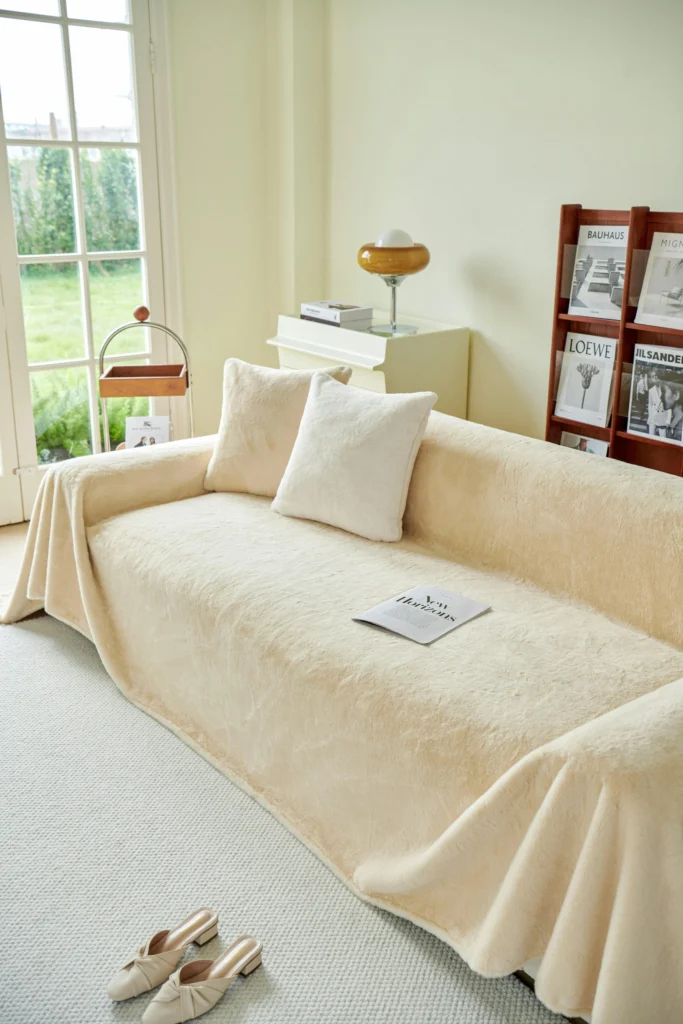
Best for: Small apartments, sunlit living rooms, and anyone who loves soft, timeless simplicity.
Pro tip: Add subtle contrast with warm lighting or touches of greenery to bring the palette to life.
2. Greige and Charcoal: Sophisticated and Balanced
For a modern, slightly moody take on minimalism, greige (gray + beige) paired with charcoal is an unbeatable combo. This color story balances warmth and coolness, creating a space that feels grounded and elegant without losing its minimalist character.
Start with greige walls a perfect neutral base that complements both warm and cool accents. Then, bring in charcoal through furniture like a sofa or coffee table. Add layers of texture with a wool throw or matte black décor pieces for visual interest.
To soften the contrast, incorporate light wood tones or off white textiles. The result? A living room that feels balanced, mature, and quietly luxurious.
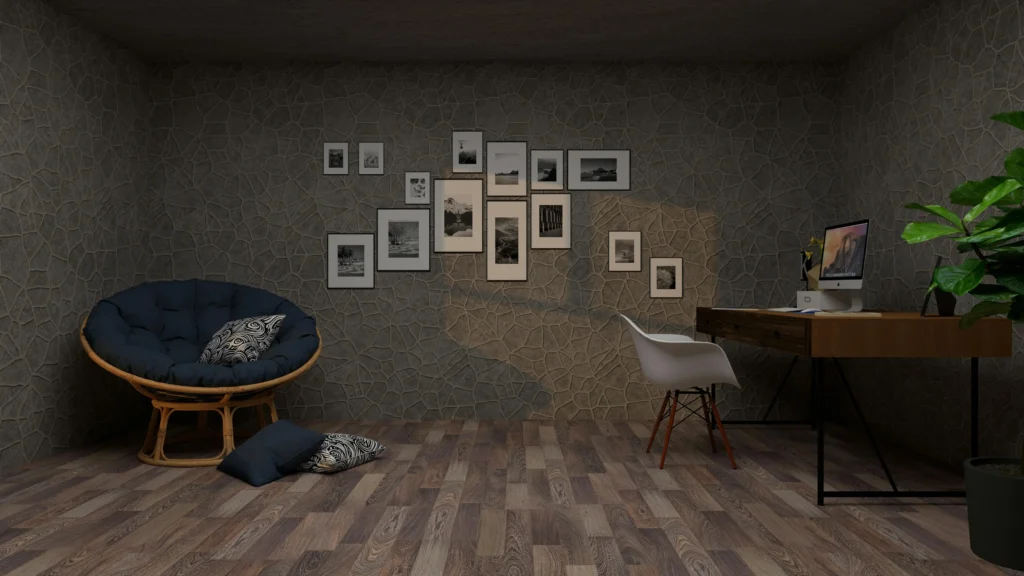
Best for: Contemporary apartments and homes that want a calm, grown-up minimalist vibe.
Pro tip: Use matte finishes and textured fabrics to prevent the palette from feeling too sleek or flat.
3. Taupe and Cream: Timeless and Cozy
If you love a space that feels serene but not too stark, taupe and cream are your perfect pair. Taupe a mix of gray and brown adds warmth, while cream keeps the room feeling open and inviting.
This palette brings out a soft, organic minimalism that feels comfortable yet refined. Use taupe for your larger furniture pieces like a sofa or area rug and complement with cream walls, curtains, or cushions.
The beauty of taupe is its versatility. It works beautifully with wood, stone, and other earthy materials. Add touches of brass or brushed gold for a subtle sense of sophistication.
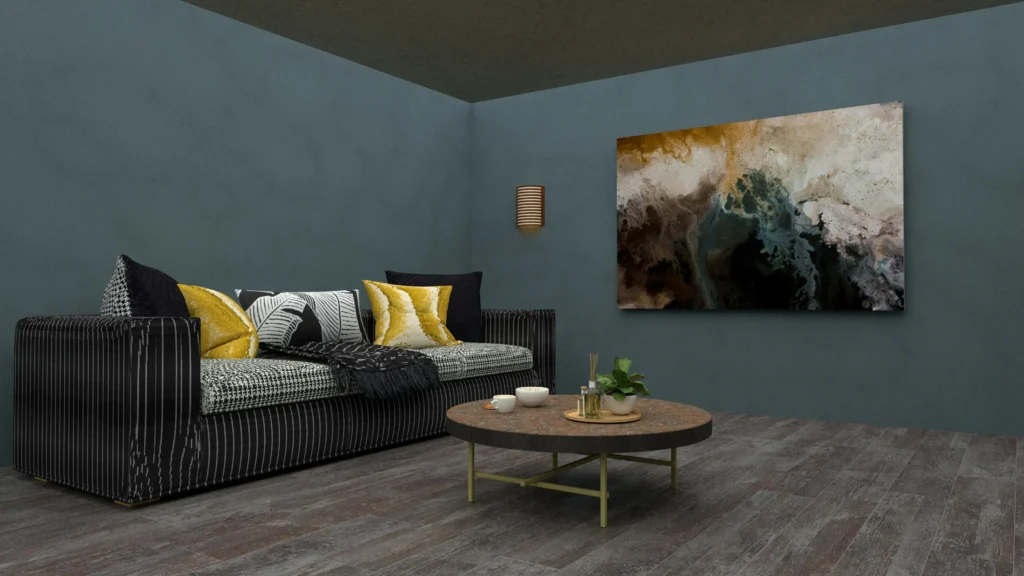
Best for: Anyone seeking a warm minimalist space that feels both cozy and elevated.
Pro tip: Layer multiple shades of taupe to add depth without introducing new colors. Think taupe cushions on a lighter taupe couch or cream ceramics against a beige wall.
4. Soft Gray and White: Clean and Contemporary
If your ideal living room is sleek, polished, and effortlessly modern, you can’t go wrong with a soft gray and white palette. This duo is the essence of minimalist design crisp, calm, and endlessly versatile.
White walls make the space feel expansive, while soft gray furniture adds contrast and texture. You can incorporate different gray tones from dove to graphite to create visual interest without clutter.
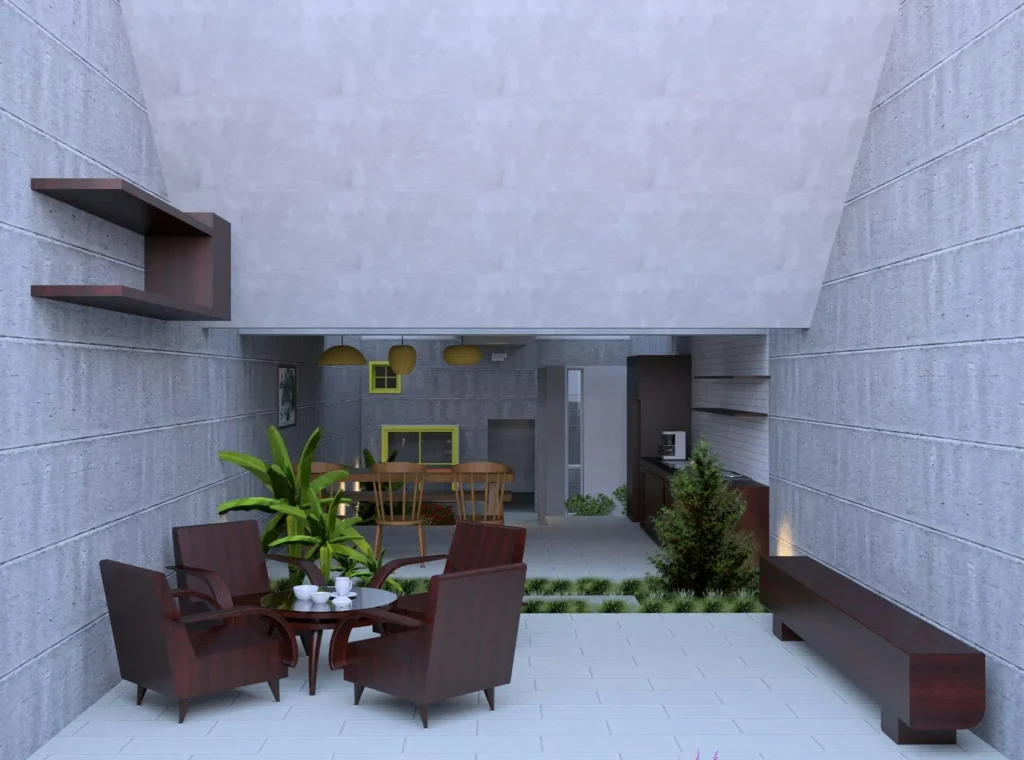
Add warmth with textural layers: a wool rug, a linen throw, or a boucle chair. To keep it from feeling too clinical, introduce natural wood elements or warm metallic accents like brass or bronze.
Best for: Modern apartments, city lofts, and anyone who loves clean, structured interiors.
Pro tip: Choose lighting carefully warm-toned bulbs balance the coolness of gray and prevent the space from feeling too cold.
5. Earthy Neutrals: Natural and Relaxed
For those who crave a minimalist space that still feels full of life, earthy neutrals are the answer. Think warm browns, soft terracotta, muted olive, and sandy beige tones inspired by nature that add warmth and soul to a minimalist foundation.
This palette creates a living room that feels grounded and organic. You can pair a tan leather sofa with an off-white rug, add clay vases, and finish with wooden furniture in natural or walnut tones.
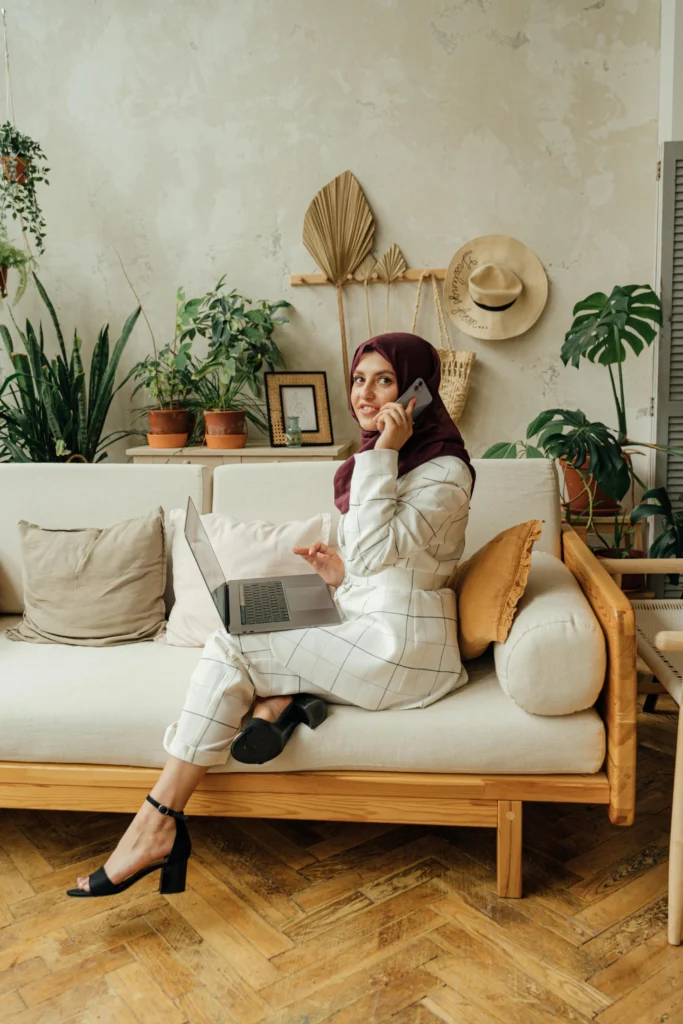
The result is cozy minimalism understated, lived-in, and deeply inviting. Earthy tones remind us of nature, grounding the space while keeping it relaxed and authentic.
Best for: Minimalists who love warmth, texture, and a natural aesthetic.
Pro tip: Keep the base neutral (like beige or cream) and add earthy hues through accents that way, the room still feels light and uncluttered.
How to Style Your Neutral Minimalist Living Room
Once you’ve chosen your color palette, the magic happens in the details. Here are a few ways to make your minimalist living room feel intentionally designed:
1. Layer Textures
In neutral spaces, texture becomes your best friend. Mix fabrics like linen, wool, cotton, and leather to give depth and warmth to your living room.
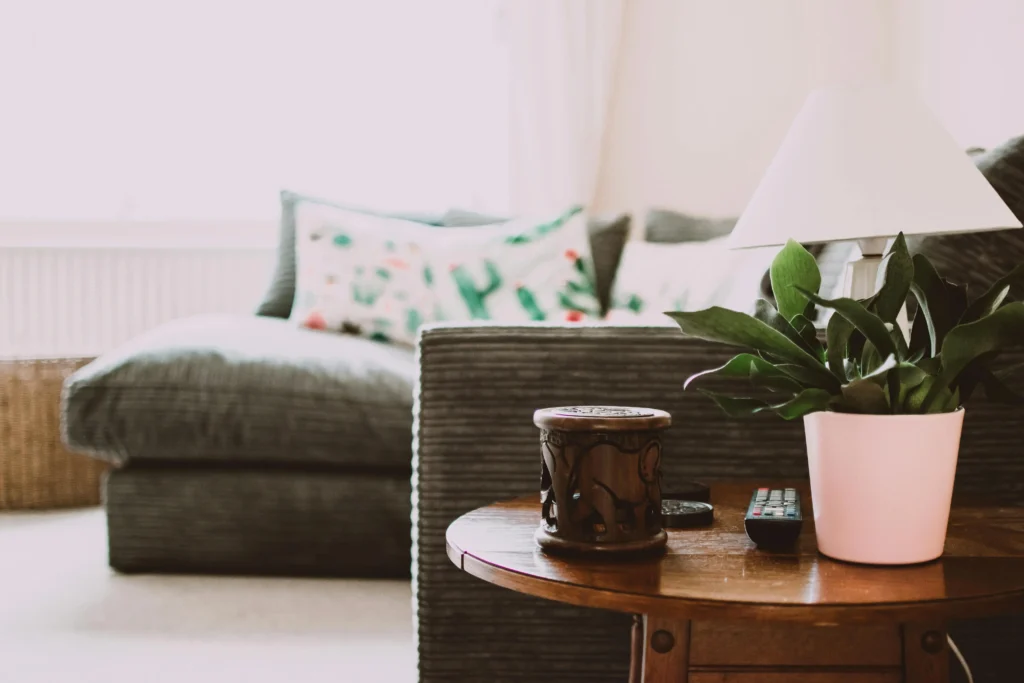
2. Add Natural Elements
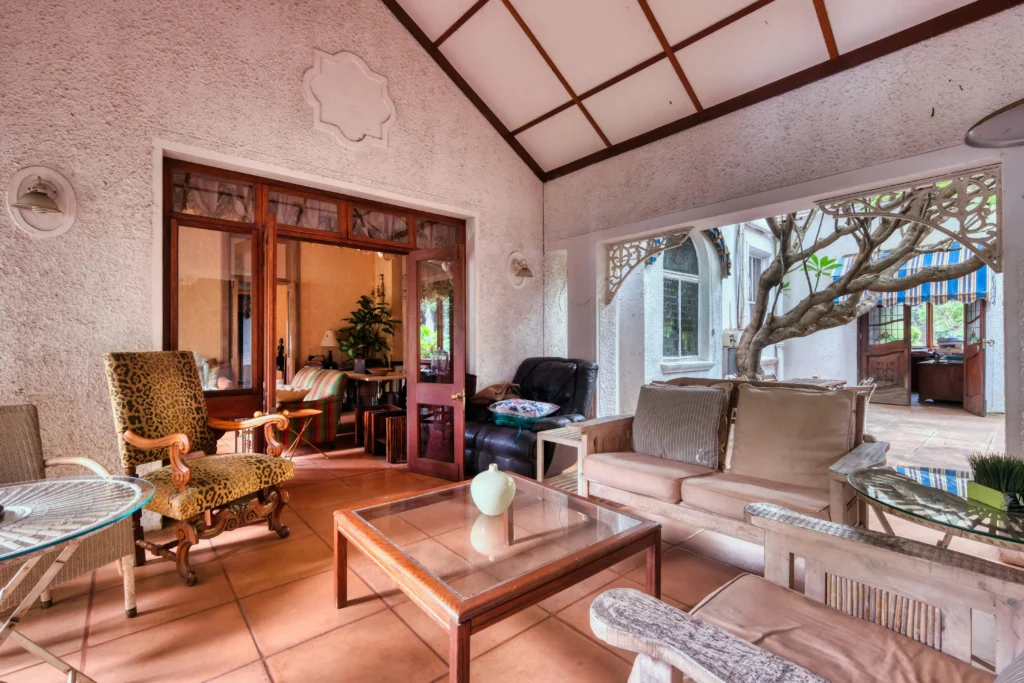
Wood, stone, and greenery breathe life into minimalist spaces. A single potted plant or wooden coffee table can break the monotony of neutrals beautifully.
3. Keep Surfaces Clean
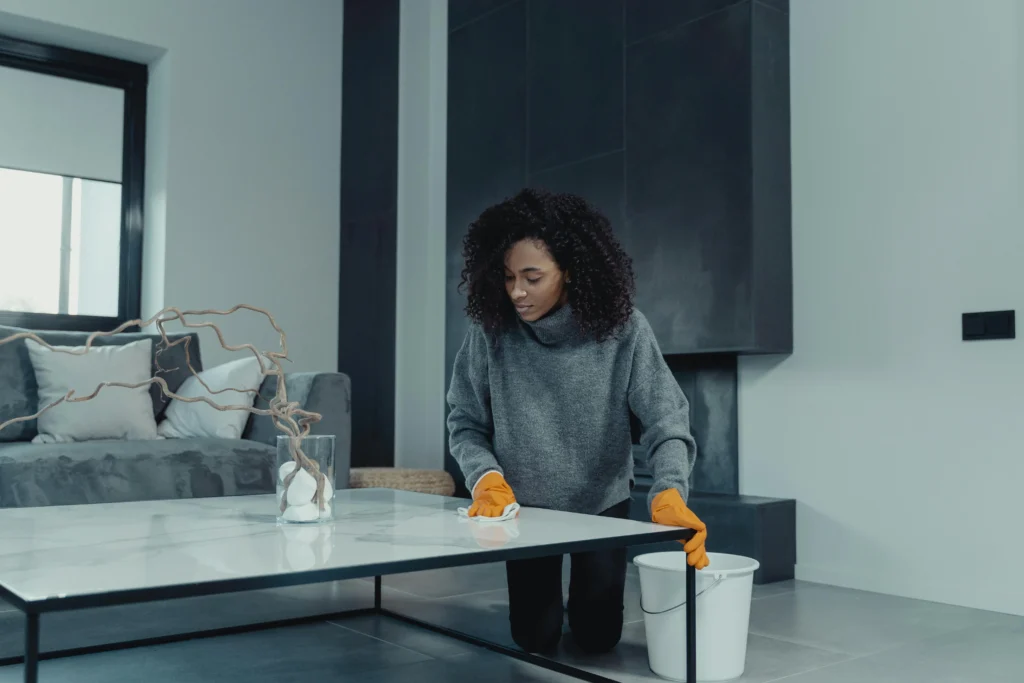
Minimalism thrives on simplicity. Keep your coffee table, shelves, and counters clutter-free, displaying only a few well chosen items.
4. Play with Light
Soft, natural lighting enhances the tones of your neutral palette. Choose warm, dimmable lights and avoid harsh overhead fixtures.

5. Incorporate Subtle Patterns
Patterns don’t have to break minimalism. Go for tone-on-tone stripes, subtle geometric prints, or textured weaves that add quiet personality.