

20 Concrete Kitchen Living Room Ideas | Pure Zen Decor
Concrete interiors have become a major design trend for modern kitchens and living rooms, offering a bold yet timeless aesthetic. Known for its raw beauty and versatility, concrete adds depth, texture, and architectural character to open living spaces. When styled thoughtfully, concrete elements can feel warm, sophisticated, and highly livable rather than cold or industrial. From polished finishes to textured surfaces, concrete works beautifully in both kitchens and living rooms. These ideas are designed to inspire Pinterest audiences looking for modern, stylish, and functional home decor solutions.
Polished Concrete Floors for Seamless Open Spaces
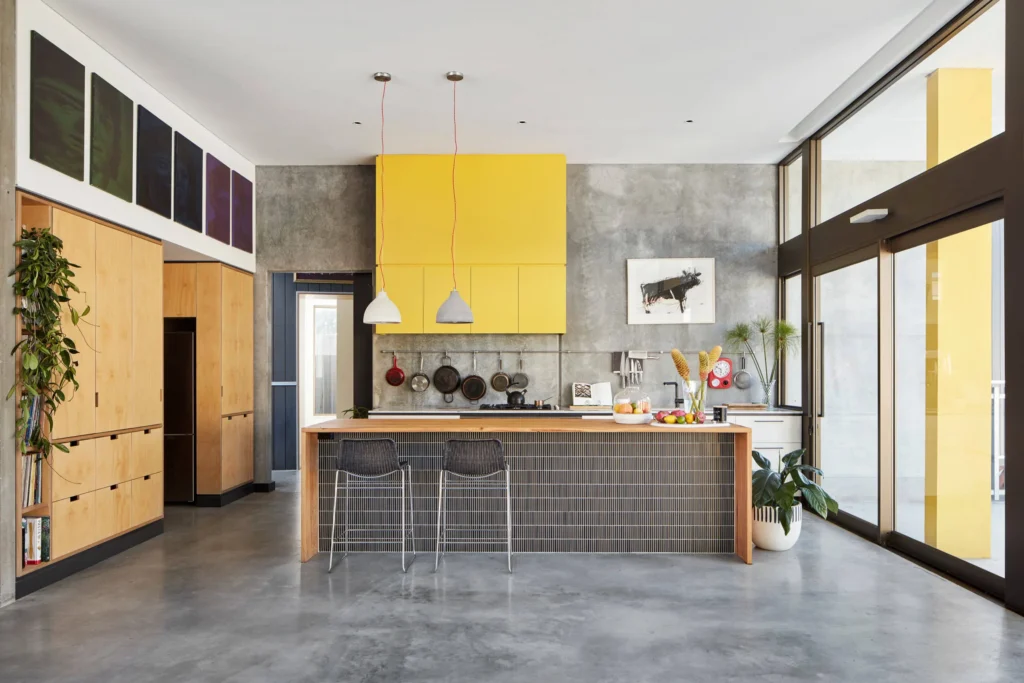
Polished concrete floors are a standout choice for combining kitchen and living room spaces, especially in open concept homes. Their smooth, reflective surface creates a seamless flow between areas, making the entire space feel larger and more cohesive. Concrete flooring works particularly well in modern interiors because it offers a clean, minimal foundation that pairs beautifully with a wide range of design styles. The neutral tone of concrete allows furniture, cabinetry, and decor to stand out while maintaining visual balance. Polished concrete is also highly durable, making it ideal for high traffic areas like kitchens and living rooms where functionality is just as important as aesthetics.
Beyond appearance, polished concrete floors offer practical benefits that appeal to modern homeowners. They are easy to clean, resistant to stains, and highly durable over time. When paired with radiant floor heating or layered with area rugs, concrete floors can feel surprisingly warm and comfortable. Styling the space with wood accents, soft textiles, and warm lighting helps soften the industrial edge and create a welcoming atmosphere. This balance of raw material and cozy elements results in a kitchen living room space that feels modern, elegant, and perfectly suited for everyday living.
Concrete Accent Walls for Visual Impact
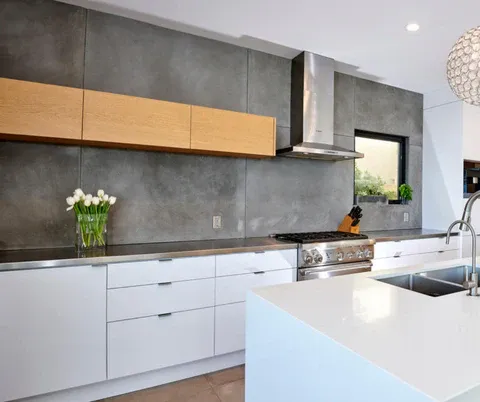
Concrete accent walls add instant character and architectural interest to kitchen living room spaces. Whether smooth, textured, or lightly distressed, concrete walls create a bold backdrop that anchors the entire design. In open layouts, an accent wall helps define zones without using physical dividers, making it ideal for separating the kitchen from the living area visually. Concrete walls bring depth and dimension while maintaining a neutral palette that works well with modern, minimalist, and industrial inspired interiors. Their understated elegance allows other design elements, such as furniture and lighting, to shine.
To keep concrete accent walls from feeling too heavy, it’s important to balance them with lighter elements. Soft furnishings, warm wood finishes, and neutral upholstery help soften the raw texture. Adding artwork, floating shelves, or subtle lighting can enhance the wall’s visual appeal without overwhelming the space. Concrete accent walls work especially well behind sofas, dining areas, or kitchen islands, where they naturally draw attention. When styled thoughtfully, they create a striking yet harmonious focal point that elevates both the kitchen and living room areas.
Concrete Kitchen Island as a Statement Feature
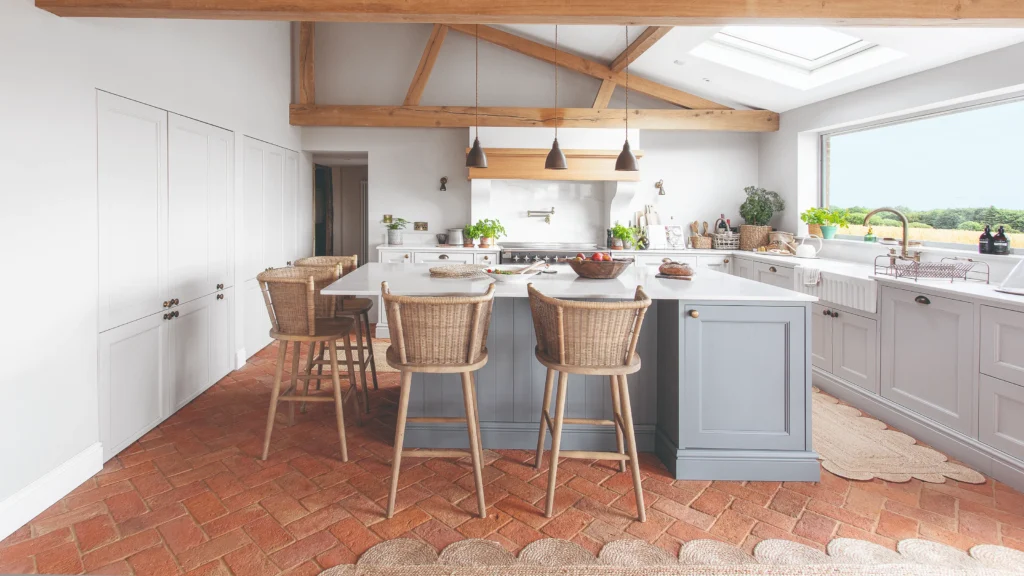
A concrete kitchen island serves as a bold centerpiece that connects the kitchen and living room seamlessly. Its solid appearance adds structure and grounding to open spaces, making the layout feel intentional and well designed. Concrete islands are highly versatile and can be customized in shape, size, and finish to suit different interior styles. Whether polished for a sleek look or left slightly textured for a more organic feel, a concrete island brings a modern, architectural quality to the kitchen area. It naturally becomes a gathering spot for cooking, dining, and socializing.
Styling a concrete kitchen island correctly is key to achieving balance. Pairing it with warm wood cabinetry, upholstered bar stools, or soft pendant lighting helps soften its bold presence. The neutral color of concrete allows flexibility with decor, making it easy to update the space over time. Functional elements like integrated storage or waterfall edges enhance both usability and visual appeal. A concrete kitchen island not only elevates the design but also strengthens the connection between kitchen and living room, creating a cohesive and stylish open-concept space.
Concrete Countertops for Modern Elegance
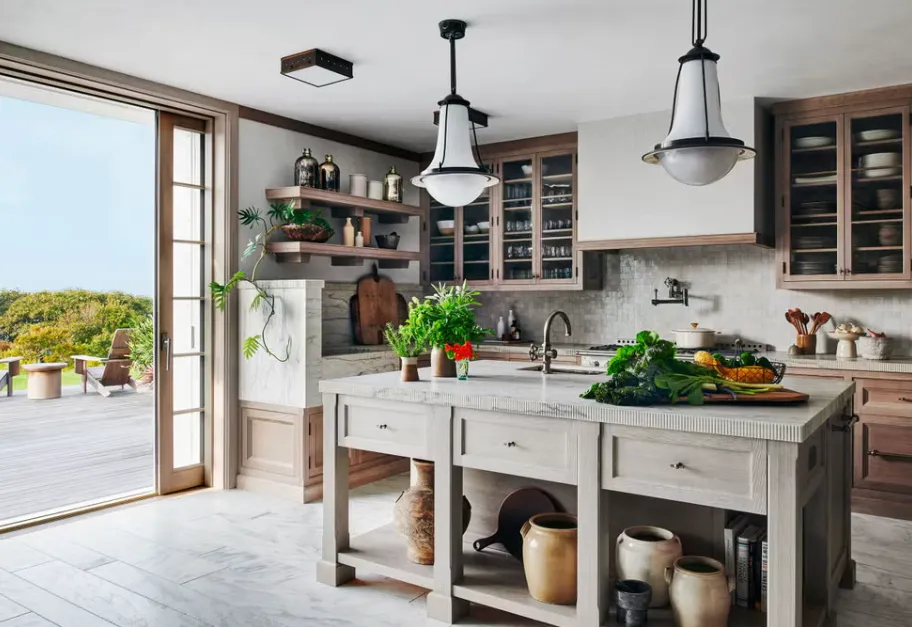
Concrete countertops bring a refined yet edgy aesthetic to kitchen living room spaces. Known for their durability and customizable nature, concrete countertops offer a unique alternative to traditional materials like granite or marble. Their subtle texture and natural imperfections add character, making each surface feel one of a kind. Concrete works particularly well in modern and contemporary interiors, where clean lines and understated elegance are essential. In open layouts, concrete countertops help visually tie the kitchen to the living room by maintaining a consistent material palette.
To enhance their appeal, concrete countertops should be paired with complementary finishes. Warm wood cabinets, matte black fixtures, or brass hardware add contrast and sophistication. Sealing the surface ensures longevity and ease of maintenance, making it practical for everyday use. Decorative elements like minimalist accessories or ceramic dishware help soften the look. When styled thoughtfully, concrete countertops create a kitchen that feels modern, durable, and effortlessly stylish while harmonizing beautifully with the surrounding living space.
Exposed Concrete Ceilings for Architectural Style
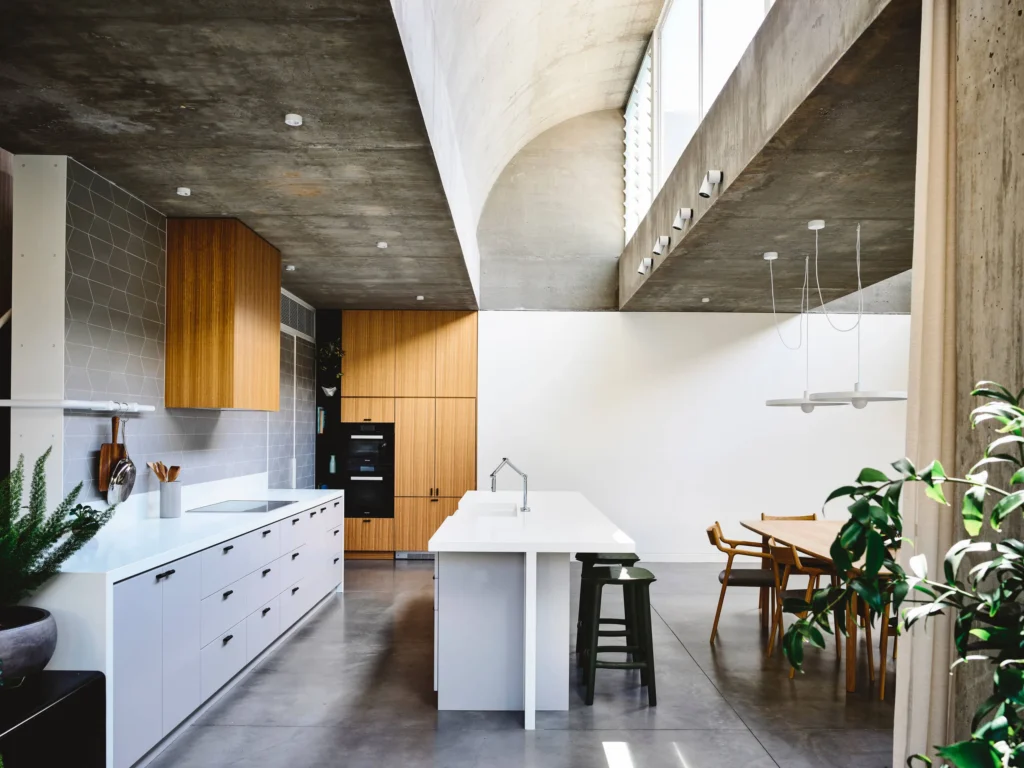
Exposed concrete ceilings add a strong architectural element to kitchen living room designs, creating a sense of openness and urban sophistication. By leaving the concrete visible, the space gains height and texture, making it feel more expansive and modern. Concrete ceilings work especially well in loft-style homes or contemporary interiors where raw materials are celebrated. Their neutral tone provides a clean canvas that allows lighting fixtures, furniture, and decor to stand out. This design choice emphasizes structure while maintaining a minimalist aesthetic.
To balance the boldness of exposed concrete ceilings, it’s essential to layer the space with warm and inviting elements. Soft lighting, wooden beams, and textured fabrics help counteract the industrial feel. Hanging pendant lights or chandeliers adds visual interest and draws attention upward. Coordinating ceiling finishes with concrete floors or walls creates a cohesive design story. When styled correctly, exposed concrete ceilings transform kitchen living room spaces into modern, stylish environments that feel both dramatic and welcoming.
Concrete Fireplace Wall for a Modern Focal Point
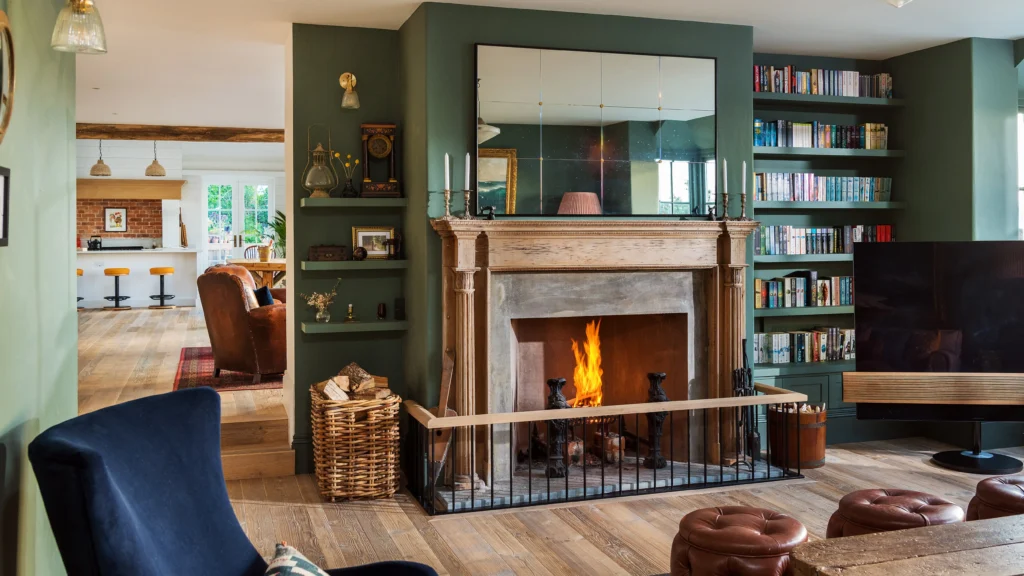
A concrete fireplace wall instantly becomes a powerful focal point in a kitchen living room layout, blending warmth with modern architectural style. Concrete adds depth and texture to the fireplace area, making it feel grounded and visually striking without relying on heavy ornamentation. In open-concept spaces, a concrete fireplace wall helps define the living room zone while still maintaining flow with the kitchen. Its neutral tone works beautifully with minimalist furniture, modern lighting, and clean lined decor. Whether smooth and polished or slightly textured, concrete enhances the fireplace’s presence and elevates the entire space with understated sophistication.
To soften the boldness of a concrete fireplace wall, layering is essential. Pairing it with warm wood shelving, plush seating, and soft textiles helps create balance and comfort. Built in niches or floating shelves can add functionality and visual interest without disrupting the clean aesthetic. Lighting also plays a key role, with recessed lights or wall sconces highlighting the texture of the concrete surface. When styled thoughtfully, a concrete fireplace wall delivers both warmth and modern elegance, making the kitchen living room feel inviting, stylish, and perfectly curated.
Concrete Built In Shelving for Functional Style
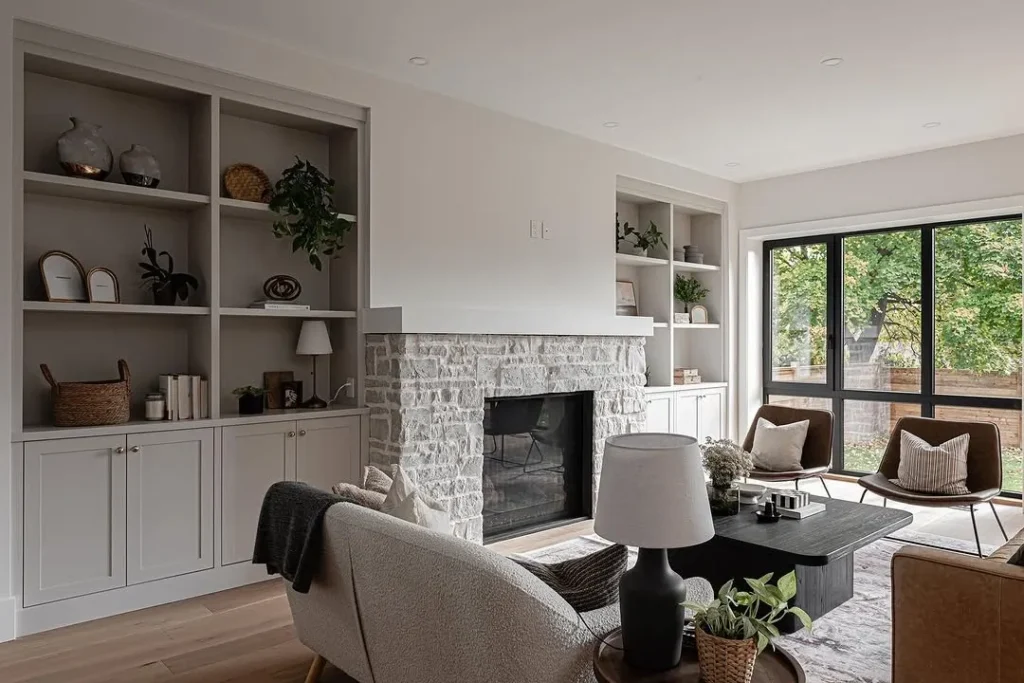
Concrete built in shelving offers a sleek and durable storage solution for kitchen living room spaces. These shelves provide both practicality and visual impact, blending seamlessly into modern interiors. Concrete shelving works well in open layouts, where continuity of materials helps create a cohesive design. Its solid appearance adds architectural structure while remaining neutral enough to complement a wide range of decor styles. Built-in shelves are ideal for displaying decor, books, plants, or kitchen essentials, making them both functional and decorative.
Styling concrete shelving requires thoughtful balance to avoid a heavy or overly industrial look. Mixing decorative items with natural textures such as wood, ceramics, or greenery softens the concrete’s raw appeal. Keeping displays minimal and intentional helps maintain a clean, modern aesthetic. Integrated lighting can further enhance the shelves, highlighting decor and adding warmth. Concrete built-in shelving creates a refined yet practical design feature that enhances the connection between kitchen and living room while maintaining a polished, Pinterest-worthy look.
Concrete Partition Walls for Subtle Separation
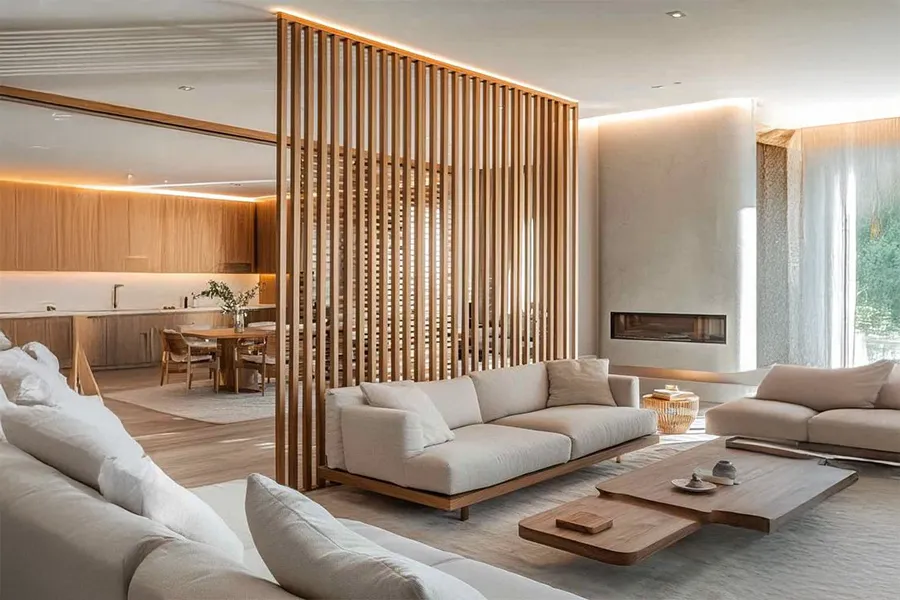
Concrete partition walls offer a stylish way to define kitchen and living room areas without closing off the space. These low profile or partial walls create visual separation while preserving openness and natural light. Concrete partitions add architectural interest and structure, making open layouts feel intentional rather than undefined. Their neutral tone blends seamlessly with modern interiors, allowing furniture and decor to remain the focal points. This design approach is ideal for homeowners who want distinct zones without sacrificing the spacious feel of an open-plan layout.
To maintain balance, concrete partition walls should be paired with lighter elements and open sightlines. Using cutouts, shelving, or glass inserts helps reduce visual heaviness while adding functionality. Soft furnishings, rugs, and warm lighting further enhance comfort. Concrete partitions work particularly well between kitchen islands and seating areas, subtly guiding movement and flow. When designed thoughtfully, they provide both separation and cohesion, elevating the overall aesthetic of the kitchen living room space.
Concrete and Wood Combination for Warmth
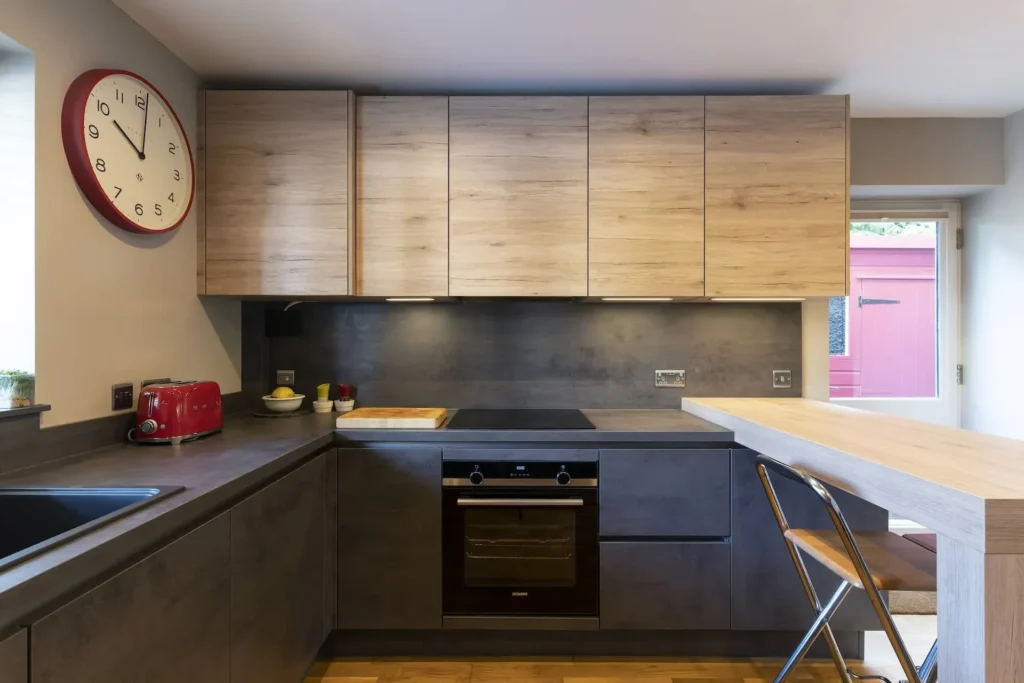
Combining concrete with wood creates a perfect balance between modern minimalism and natural warmth in kitchen living room designs. Concrete provides structure and durability, while wood introduces softness and organic texture. This pairing works exceptionally well in open spaces, where material contrast adds depth without overwhelming the design. Concrete floors or walls paired with wooden cabinetry, beams, or furniture create a harmonious blend that feels both modern and inviting. The neutral tones of concrete allow the natural grain of wood to stand out beautifully.
To enhance this combination, maintaining consistency in finishes is key. Choosing warm-toned wood helps counterbalance the coolness of concrete, creating a welcoming atmosphere. Layering with textiles such as rugs, cushions, or curtains further softens the space. Lighting plays an important role, with warm light tones enhancing both materials. The concrete and wood combination results in a kitchen living room that feels balanced, stylish, and perfectly suited for modern living.
Concrete Furniture for a Sculptural Look
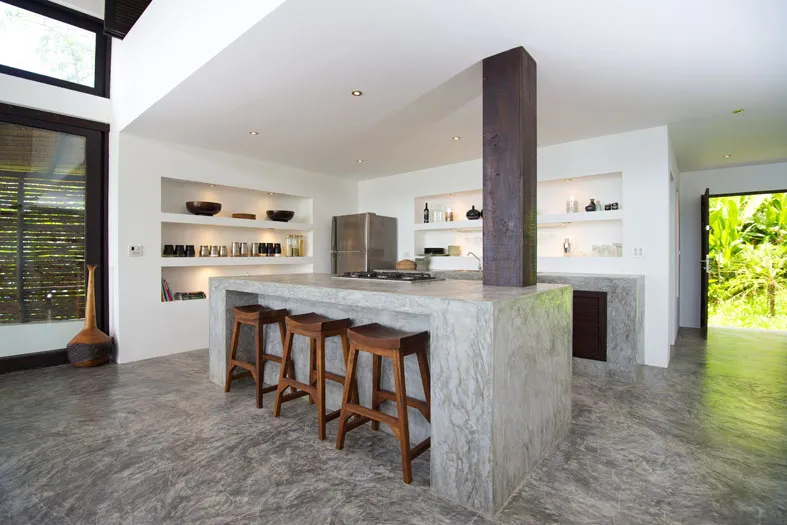
Concrete furniture adds a bold, sculptural element to kitchen living room spaces, making it ideal for modern and contemporary interiors. Items such as concrete coffee tables, benches, or dining tables bring an architectural presence that feels both artistic and functional. Concrete furniture works well as statement pieces, grounding the space and adding visual weight without excessive decoration. Its neutral tone allows it to blend seamlessly with various color palettes while still standing out through texture and form.
To ensure comfort and balance, concrete furniture should be paired with softer elements. Upholstered seating, cushions, and textiles help offset the hardness of the material. Choosing pieces with smooth finishes or rounded edges enhances usability and visual appeal. Concrete furniture works best when used selectively, allowing each piece to shine. When styled thoughtfully, it elevates the kitchen living room into a modern, Pinterest worthy space that feels refined, bold, and thoughtfully designed.
Textured Concrete Walls for Added Depth
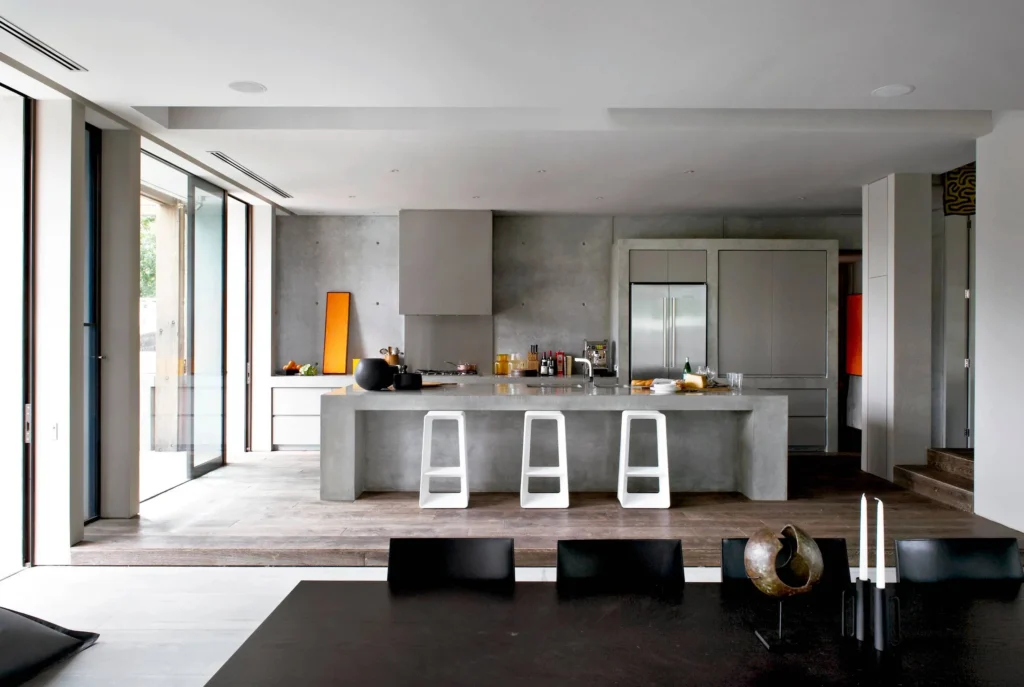
Textured concrete walls bring a rich layer of visual depth and character to kitchen living room spaces, making them feel more dynamic and architecturally interesting. Unlike smooth finishes, textured concrete introduces subtle movement through natural imperfections, trowel marks, or layered applications. This design choice works especially well in modern interiors where simplicity is balanced with tactile elements. Textured walls add dimension without relying on bold colors or excessive decor, allowing the material itself to become a focal point. In open-concept layouts, textured concrete walls help ground the space and create a strong design identity that feels curated and intentional.
To maintain harmony, textured concrete walls should be paired with softer finishes and carefully chosen furnishings. Upholstered seating, woven textiles, and wooden accents help counterbalance the raw texture and create a welcoming atmosphere. Lighting is particularly important, as directional or wall-wash lighting can highlight the texture and enhance its visual appeal. Keeping the surrounding decor minimal allows the wall to stand out without overwhelming the space. When styled thoughtfully, textured concrete walls elevate kitchen living room interiors into refined, Pinterest worthy environments that feel modern, sophisticated, and warm.
Concrete Kitchen Backsplash for Modern Continuity
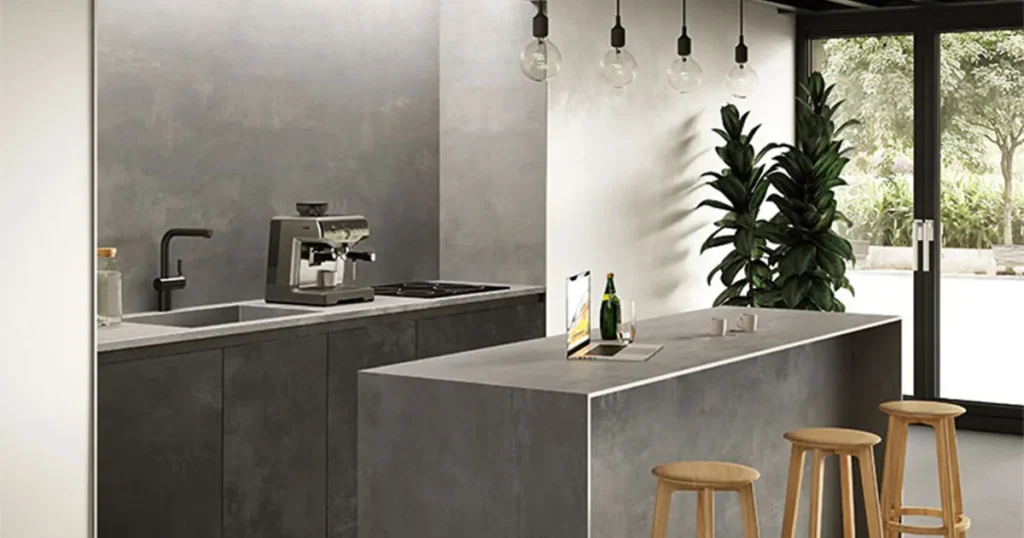
A concrete kitchen backsplash creates a seamless and modern connection between the kitchen and living room areas. Its understated appearance allows it to blend effortlessly with other concrete elements such as countertops or floors, enhancing visual continuity. Concrete backsplashes offer a clean, minimal look that works well in contemporary and industrial inspired interiors. Unlike patterned tiles, concrete provides a smooth, uninterrupted surface that emphasizes simplicity and sophistication. This makes it an ideal choice for open spaces where cohesion is key to a polished overall design.
Balancing a concrete backsplash with complementary materials helps soften its appearance. Pairing it with warm cabinetry, open shelving, or metallic fixtures adds contrast and elegance. Proper sealing ensures durability and ease of maintenance, making it practical for everyday kitchen use. Subtle lighting under cabinets can enhance the texture and tone of the concrete, adding depth and warmth. When integrated thoughtfully, a concrete backsplash enhances both the functionality and aesthetic appeal of the kitchen while maintaining harmony with the living room.
Concrete Staircase Near Living Areas
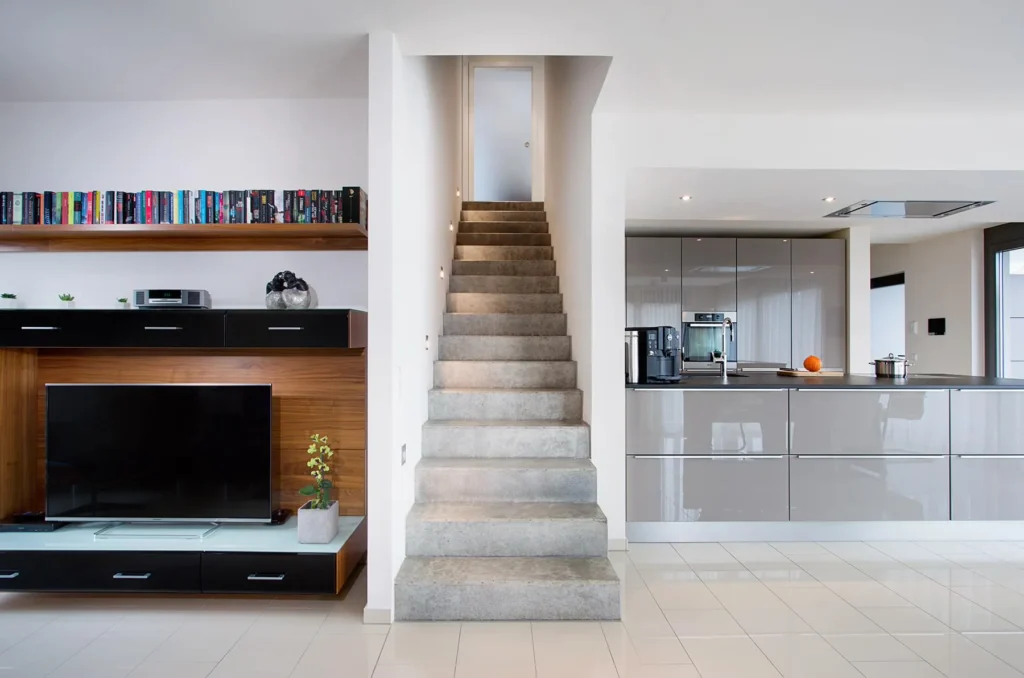
A concrete staircase located near kitchen living room spaces becomes a striking architectural feature that adds vertical interest and modern appeal. Concrete staircases offer clean lines and a sculptural quality that enhances open layouts. Their solid presence anchors the space, creating a strong visual connection between different levels of the home. In modern interiors, concrete stairs are often left exposed to celebrate their raw beauty, contributing to a minimalist yet bold design statement.
To ensure balance, concrete staircases should be styled with complementary elements. Wooden handrails, glass panels, or metal accents add warmth and safety while enhancing visual interest. Lighting along the stairs highlights their structure and improves functionality. Soft furnishings nearby help maintain comfort and approachability. When designed thoughtfully, a concrete staircase transforms the kitchen living room area into a modern architectural showcase that feels intentional, stylish, and inviting.
Concrete Columns as Design Features
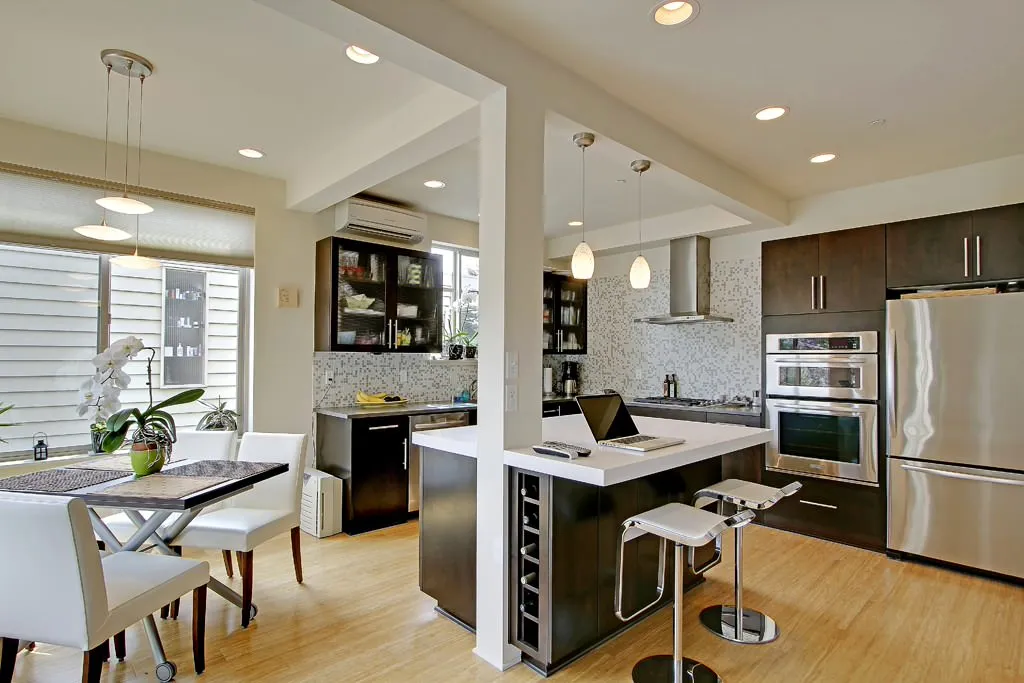
Concrete columns are often structural necessities, but when styled intentionally, they can become striking design features in kitchen living room spaces. Exposed concrete columns add rhythm and architectural character, especially in open-plan layouts. Rather than hiding them, embracing their presence enhances the industrial modern aesthetic. Concrete columns create natural divisions within large spaces, helping define zones without adding walls or barriers.
Styling concrete columns thoughtfully ensures they complement the overall design. Integrating lighting, artwork, or subtle textures helps soften their appearance. Pairing columns with surrounding decor in neutral tones maintains cohesion. When used as intentional design elements, concrete columns contribute to a modern, visually engaging kitchen living room that feels bold, structured, and thoughtfully designed.
Concrete Sink Designs for Modern Kitchens
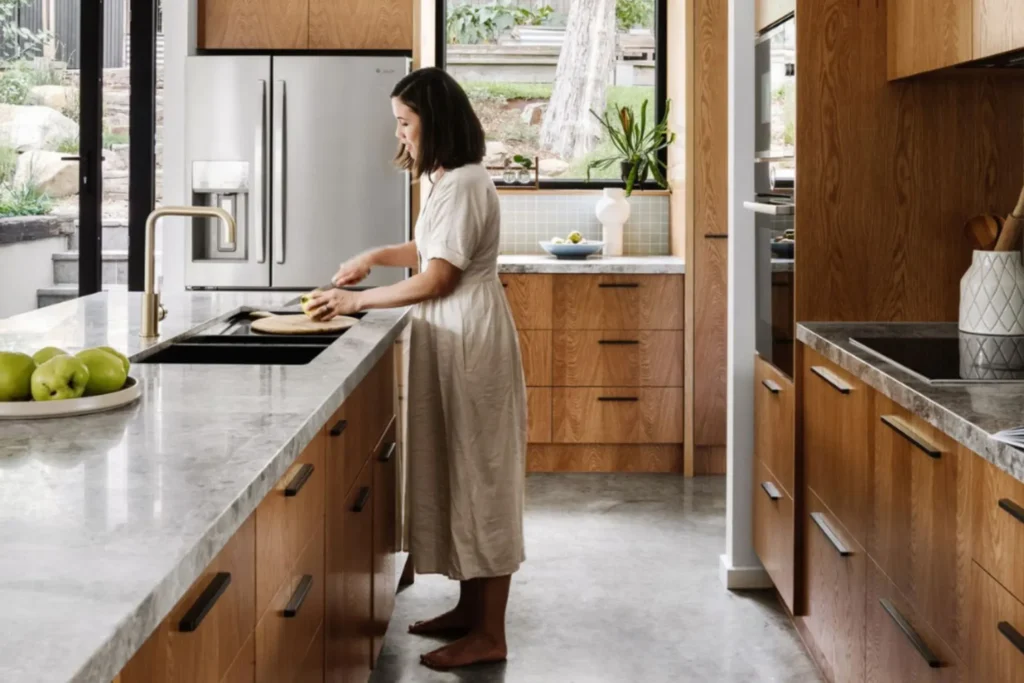
Concrete sinks bring a unique blend of functionality and modern elegance to kitchen living room spaces. Their sculptural form and natural texture make them standout features that enhance the overall design. Concrete sinks can be customized in shape and finish, allowing them to fit seamlessly into contemporary kitchens. Their durability makes them suitable for everyday use, while their aesthetic appeal adds a high-end, designer feel to the space.
To balance the boldness of concrete sinks, pairing them with sleek fixtures and warm materials is essential. Matte black or brass faucets add contrast and sophistication. Proper sealing ensures longevity and ease of maintenance. When styled thoughtfully, concrete sinks elevate kitchen design while maintaining harmony with the living room, resulting in a cohesive and modern interior.
Concrete TV Wall for a Modern Living Room Look
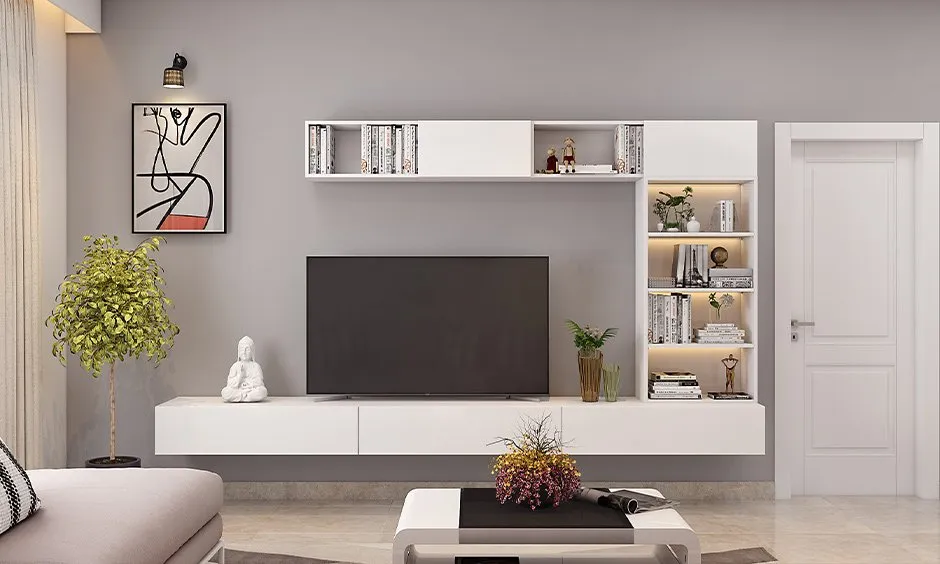
A concrete TV wall adds a bold and modern statement to kitchen living room spaces, creating a clean and architectural focal point. Concrete provides a neutral yet textured backdrop that enhances the visual presence of the television without overpowering the room. In open-concept layouts, a concrete TV wall helps anchor the living area while maintaining harmony with the kitchen. Its understated tone allows furniture, lighting, and decor to stand out while keeping the overall design cohesive and modern.
To soften the look, concrete TV walls are often paired with warm elements such as wooden media units, soft lighting, or fabric seating. Built-in shelving or recessed lighting can add functionality and depth without cluttering the design. When styled thoughtfully, a concrete TV wall creates a refined, Pinterest-worthy living space that feels modern, balanced, and inviting.
Concrete and Neutral Color Palette for Calm Interiors
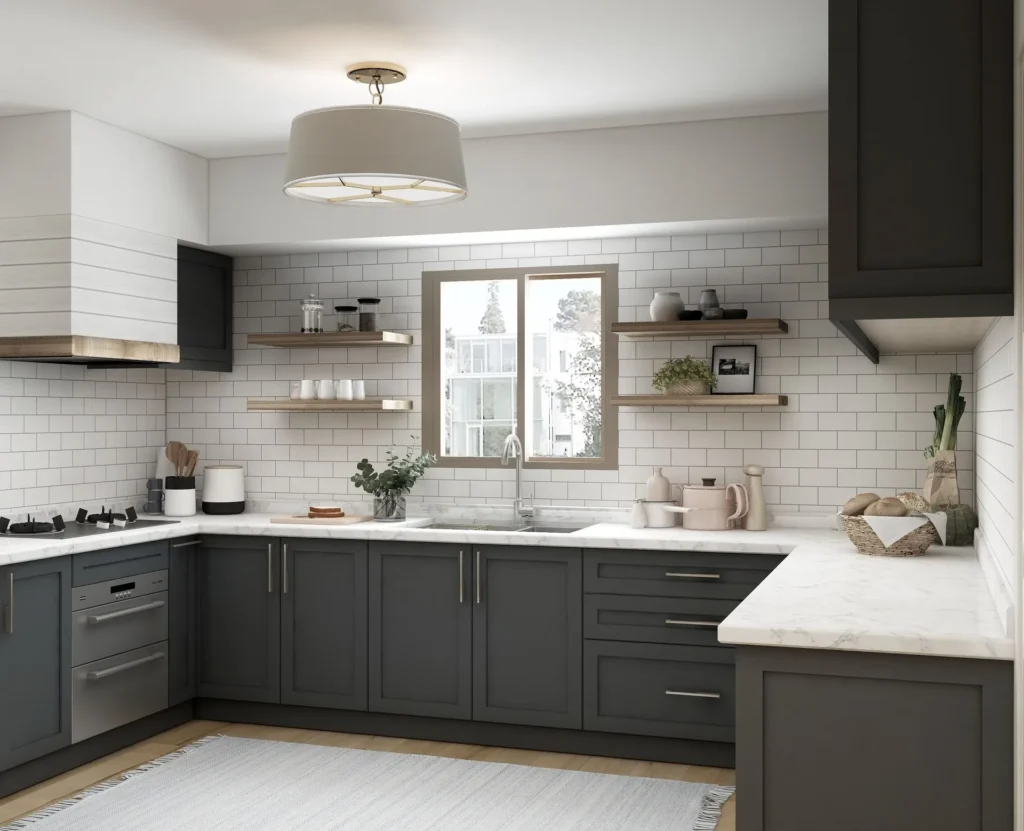
Using concrete alongside a neutral color palette creates a calm and sophisticated kitchen living room environment. Concrete naturally complements shades like beige, cream, soft gray, and warm white, making the space feel cohesive and visually soothing. This combination works especially well in modern homes where simplicity and balance are key. Neutral tones soften the rawness of concrete, allowing the space to feel welcoming rather than industrial.
Layering different textures within the neutral palette enhances visual interest. Soft rugs, linen curtains, and upholstered furniture add warmth and comfort. Subtle contrast through decor and lighting keeps the design engaging. This approach results in a modern, elegant interior that feels timeless and effortlessly stylish.
Concrete Lighting Fixtures for Industrial Elegance
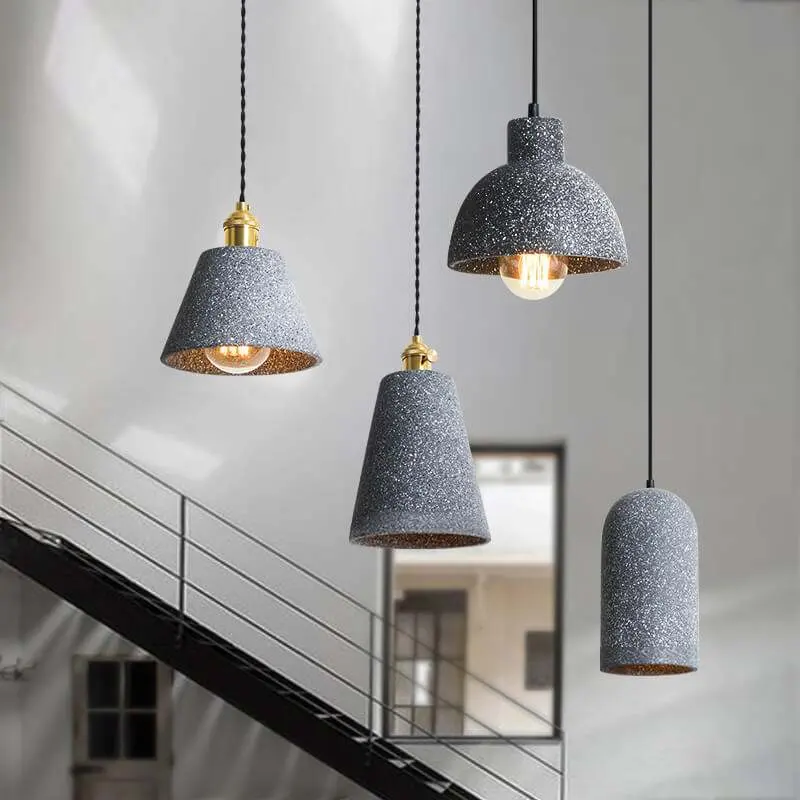
Concrete lighting fixtures add a unique and sculptural element to kitchen living room designs. Pendant lights, wall sconces, or floor lamps made from concrete bring subtle industrial charm while maintaining a modern aesthetic. These fixtures work well in open spaces, where lighting plays a key role in defining different zones. Concrete lighting blends seamlessly with other concrete features, enhancing material continuity.
Balancing concrete lighting with warm bulbs and soft surroundings is essential. Warm lighting tones prevent the space from feeling cold and create a cozy ambiance. When used thoughtfully, concrete lighting fixtures enhance both functionality and style, adding depth and character to modern interiors.
Concrete Window Frames for Architectural Detail
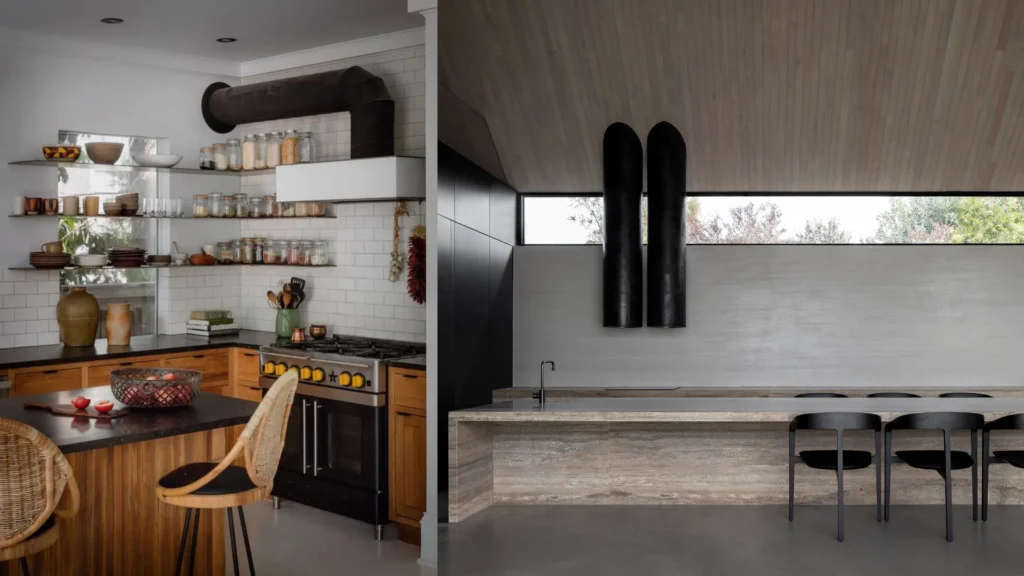
Concrete window frames introduce a strong architectural element to kitchen living room spaces, emphasizing clean lines and structure. These frames highlight natural light while adding visual depth to the walls. Concrete window surrounds work beautifully in modern and minimalist homes, where architectural details are celebrated rather than concealed.
To keep the look balanced, concrete frames should be paired with light window treatments or left uncovered to maximize brightness. Soft furnishings and warm decor help maintain comfort. This design choice enhances the overall architecture, making the space feel modern, open, and thoughtfully designed.
Soft Concrete Finishes for a Cozy Modern Feel
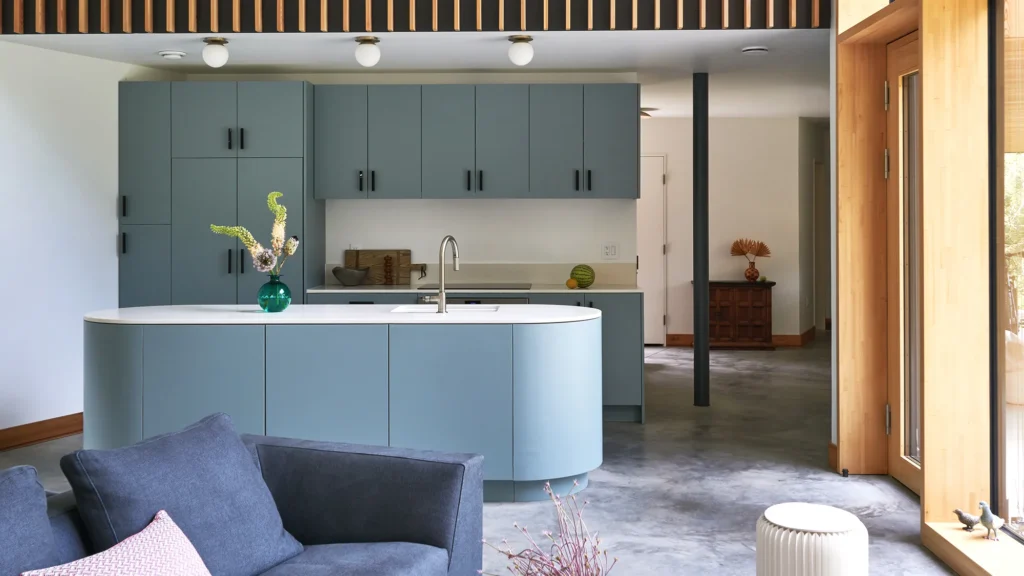
Soft concrete finishes offer a refined alternative to raw industrial concrete, making kitchen living room spaces feel more inviting. Polished or lightly textured finishes create a smoother appearance while retaining the material’s natural beauty. This approach works well for homeowners who love concrete but prefer a warmer, more livable aesthetic.
Pairing soft concrete finishes with warm lighting, natural materials, and cozy textiles enhances comfort. The result is a balanced interior that feels modern yet welcoming. Soft concrete finishes bring together durability, style, and warmth, completing a cohesive kitchen living room design that feels Pinterest perfect.


