

10 Herb Planter Ideas to Freshen Up Your Spring Garden
Spring is the season when gardens begin to feel alive again, and herbs are often the first plants gardeners love to grow. Their fresh fragrance, vibrant green leaves, and everyday usefulness make them perfect for both beginner and experienced gardeners. For many Pinterest lovers, the charm of herb gardening is not only about growing plants but also about creating beautiful displays that make outdoor spaces feel warm and inviting. A thoughtfully designed herb planter can instantly add character to patios, balconies, or backyard gardens.
Creative herb planters allow you to combine gardening with decorative style. Instead of placing herbs in ordinary pots, many gardeners are exploring fun and unique planter ideas that transform small herbs into eye catching garden features. From rustic wooden designs to recycled materials that bring new life to forgotten items, herb planters can become beautiful focal points. If you are looking for inspiration to refresh your garden this spring, these creative herb planter ideas will help you grow herbs while adding charm and personality to your outdoor space.
Galvanized Trough Herb Farm
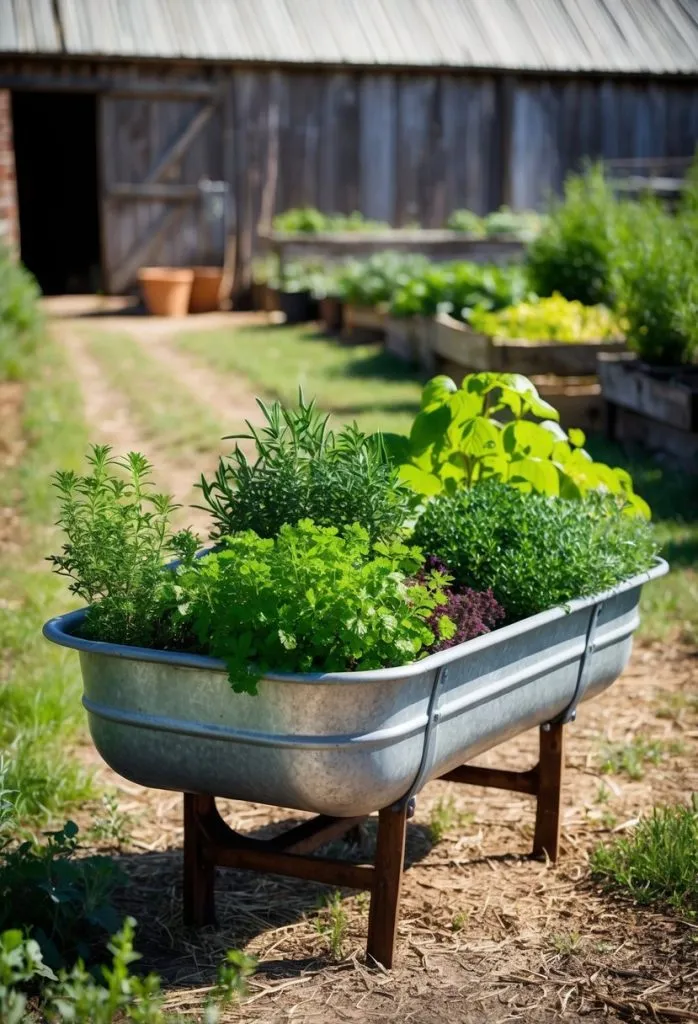
A galvanized trough herb farm is a beautiful way to grow multiple herbs together while adding a farmhouse style charm to your spring garden. These metal troughs, often used for livestock feeding in rural settings, have become a favorite gardening container for many home gardeners. Their long and spacious shape allows several herbs to grow side by side, creating a lush miniature herb garden in one container. Placing a galvanized trough along a fence, on a patio edge, or beside a garden walkway instantly adds a rustic feel while keeping herbs easily accessible for everyday cooking. The silver metal finish also contrasts beautifully with bright green herbs such as basil, parsley, thyme, and oregano. This contrast creates a visually pleasing display that feels both natural and decorative at the same time. Many Pinterest gardeners love this planter idea because it combines simplicity with a charming countryside look that works perfectly in both large backyards and small garden corners.
Another reason gardeners enjoy using galvanized troughs for herbs is their practicality and durability. The sturdy metal structure holds soil well and offers plenty of space for roots to grow, allowing herbs to thrive throughout the season. Before planting, many gardeners drill a few small drainage holes in the bottom to ensure that excess water can escape. Once prepared, the trough can be filled with rich potting soil and arranged with a mix of herbs that grow well together. Planting taller herbs toward the back and shorter herbs near the front creates a layered appearance that looks organized and visually balanced. The wide opening also makes watering, trimming, and harvesting herbs extremely easy, which is especially helpful for busy home gardeners who want low maintenance greenery. Over time the metal develops a slightly weathered look that only adds more character to the garden, making the planter feel even more rustic and charming.
Styling a galvanized trough herb farm can also become a fun creative project. Some gardeners like to elevate the trough on wooden blocks or a simple stand so the herbs are easier to reach while adding extra visual height to the garden display. Others place small plant markers inside the trough to label each herb, giving the planter a cozy farmhouse kitchen garden feel. Surrounding the trough with small stones, wooden crates, or vintage garden tools can further enhance the rustic look that many Pinterest garden enthusiasts love. As the herbs grow fuller throughout the spring and summer months, the trough begins to look like a thriving mini herb farm overflowing with fragrance and greenery. Not only does it provide fresh herbs for cooking, but it also becomes a charming decorative feature that brings life and personality to any garden space.
Hollow Brick Herb Holder
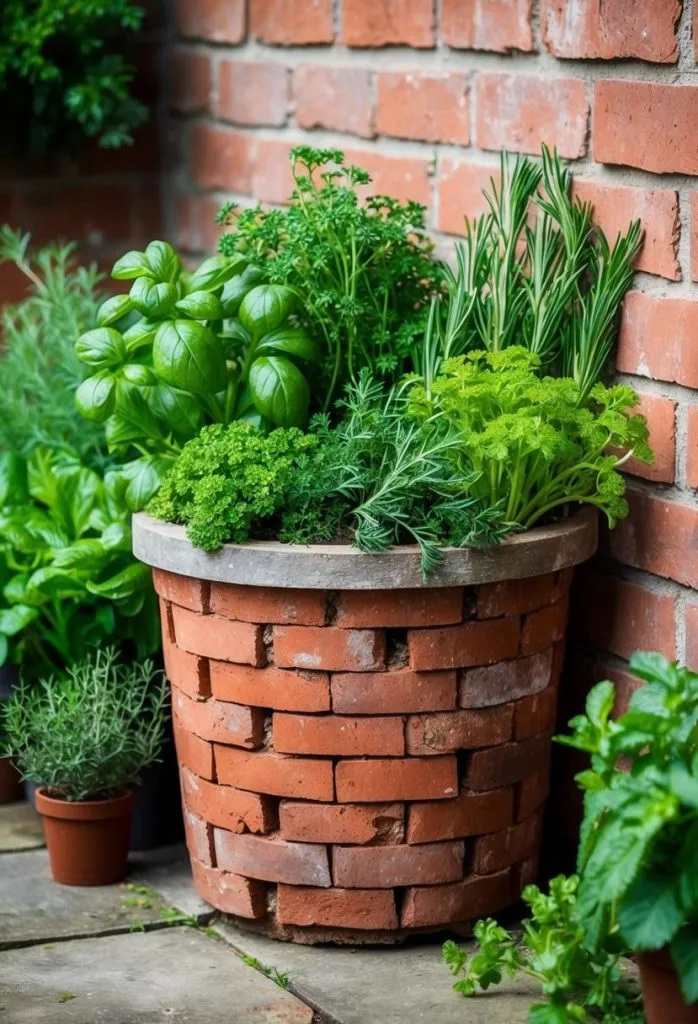
A hollow brick herb holder is a clever and stylish way to grow herbs while using simple building materials that are easy to find. Many bricks used in construction contain hollow openings, and these small cavities can be transformed into tiny planting pockets for herbs. When stacked or arranged creatively, hollow bricks can form a unique herb planter that feels both modern and rustic at the same time. This idea works especially well for gardeners who enjoy DIY projects that combine practicality with visual appeal. The natural earthy tones of bricks blend beautifully with outdoor spaces, making the herb display feel like a natural part of the garden landscape. Small herbs such as thyme, chives, oregano, and cilantro fit perfectly inside the hollow spaces, creating a charming pattern of greenery emerging from the brick structure. For Pinterest inspired gardens, this design offers a creative way to turn ordinary materials into something decorative and useful.
One of the best features of a hollow brick herb holder is its flexibility in design. Gardeners can stack bricks vertically to create a small herb tower or arrange them horizontally to form a compact herb wall. Each hollow section becomes its own mini planter, allowing several herbs to grow in a very small space. This makes the idea perfect for patios, balconies, and small backyard gardens where space may be limited. Filling each brick cavity with nutrient rich soil ensures the herbs have enough support to grow healthy and fragrant. Some gardeners even rotate the direction of the bricks while stacking them to create an interesting pattern that looks visually dynamic. The layered arrangement gives the display depth and texture, which is something Pinterest audiences often appreciate when designing decorative garden spaces.
Beyond its creative appearance, a hollow brick herb holder is also extremely durable and weather resistant. Bricks can withstand sun, rain, and changing temperatures without losing their structure, making them ideal for long term outdoor planters. Over time, moss or tiny plants may naturally grow around the bricks, adding even more character to the display. Many gardeners like to place the brick herb holder near outdoor kitchens or grilling areas so fresh herbs are always within reach while cooking. Adding small garden labels or decorative stones around the base can further enhance the visual charm. As the herbs grow and spill slightly over the brick edges, the entire structure begins to look like a living garden sculpture. It becomes more than just a planter and turns into a creative design element that adds personality and greenery to the spring garden.
Painted Tire Herb Pot
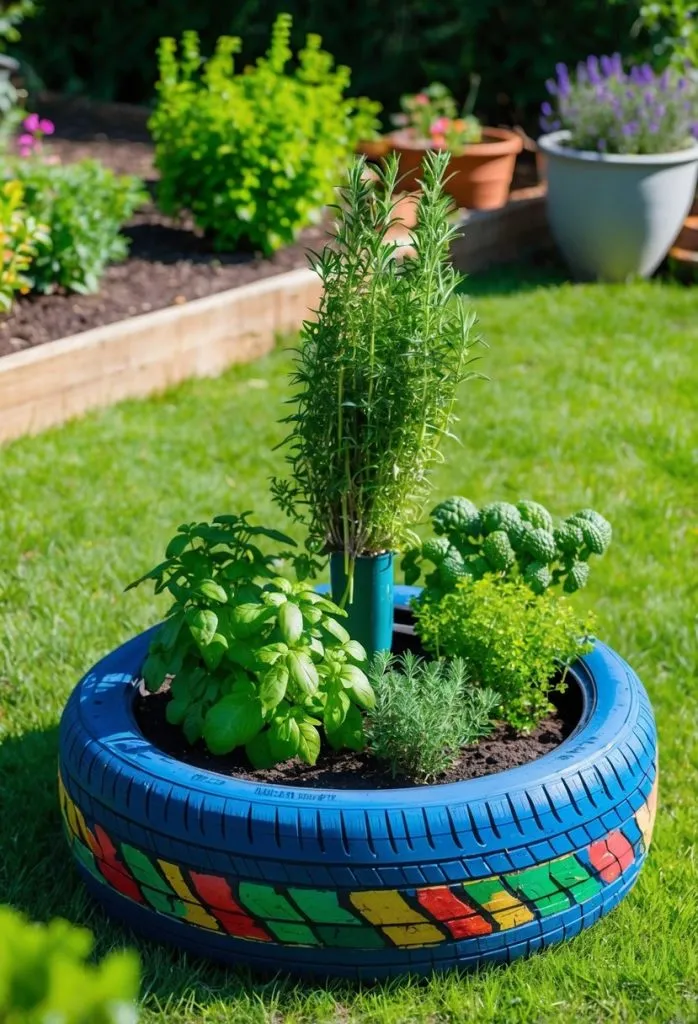
A painted tire herb pot is one of the most fun and colorful ways to grow herbs while giving old materials a fresh new purpose. Many gardeners enjoy recycling used tires because they are sturdy, easy to work with, and large enough to hold plenty of soil. With a little creativity and bright paint, an old tire can be transformed into a cheerful herb planter that instantly brightens a spring garden. The circular shape of the tire naturally frames the herbs growing inside, creating a full and lively planting space. For Pinterest loving gardeners who enjoy playful and artistic garden projects, painted tire planters offer endless possibilities. Bright pastel colors, floral patterns, or simple solid shades can turn an ordinary tire into a vibrant garden accent. When filled with herbs such as basil, mint, rosemary, and parsley, the planter becomes both decorative and practical for everyday use.
Preparing a tire herb pot is a simple project that many gardeners enjoy completing over a weekend. The tire is first cleaned thoroughly to remove dirt and dust before being painted with outdoor friendly paint that can withstand weather changes. Once the paint dries, the tire can be placed directly on soil in the garden or positioned on a patio surface. Some gardeners like to stack two tires together to create extra planting depth, while others prefer using a single tire for a lower profile planter. Filling the center with fertile potting soil creates a comfortable environment for herbs to grow and spread. Because the tire walls help retain warmth from the sun, herbs often grow quickly and produce fragrant leaves throughout the growing season. This makes the planter not only visually appealing but also highly productive for home gardeners who love fresh herbs in their kitchen.
Decorating the surrounding space around a painted tire herb pot can make the planter feel even more special. Many gardeners add small stepping stones, wooden garden signs, or decorative pebbles around the base to highlight the colorful design. Placing the tire planter in a sunny corner allows the bright colors to stand out while giving the herbs the sunlight they need to thrive. As the herbs grow thicker and begin to spill gently over the tire edges, the planter develops a lush and overflowing look that feels lively and welcoming. This combination of recycled creativity and vibrant greenery perfectly captures the joyful spirit of spring gardening. For Pinterest inspired gardens that celebrate creativity and sustainability, a painted tire herb pot becomes a delightful focal point that adds color, personality, and fresh herbal fragrance to the outdoor space.
Upright Wooden Planter Tower
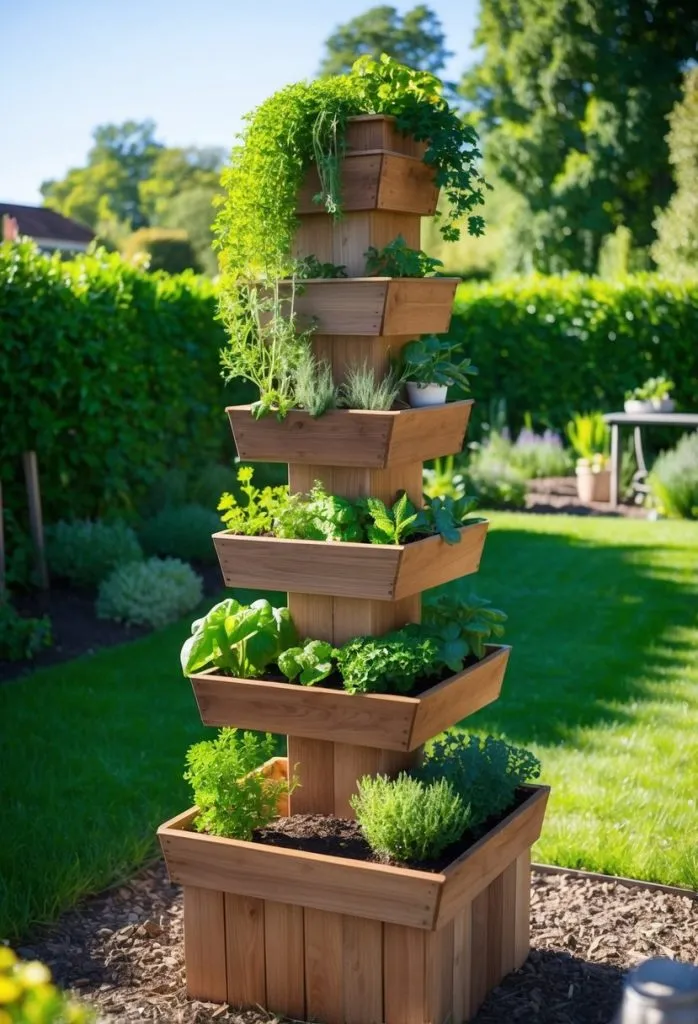
An upright wooden planter tower is a wonderful solution for gardeners who want to grow many herbs while using very little ground space. This vertical design transforms a simple wooden structure into a tall garden feature filled with fragrant greenery. Instead of spreading herbs across a wide bed, the tower allows them to grow in stacked planting sections that climb upward. The result is a beautiful column of herbs that looks organized, decorative, and practical at the same time. For Pinterest inspired gardens, vertical planters often become favorite design pieces because they add height and visual interest to the outdoor space. When placed on a sunny patio, beside a fence, or near a garden path, the wooden tower becomes a living display filled with herbs such as basil, thyme, oregano, and parsley. Each level offers its own growing pocket, allowing different herbs to thrive together while creating a layered and lush appearance that feels fresh and inviting.
Building or arranging an upright wooden planter tower can also be an enjoyable creative project for gardeners who like adding handmade touches to their garden. The structure is usually made from simple wooden boards or stacked wooden boxes that gradually taper as they rise upward. Each level contains a small planting area filled with nutrient rich soil, giving herbs the support they need to grow healthy and fragrant. Gardeners often plant trailing herbs near the upper levels so their leaves gently spill downward, while more compact herbs can grow comfortably in the lower sections. This thoughtful arrangement creates a cascading effect that makes the entire tower look full and lively. Because the planter rises vertically, it also receives good sunlight exposure from multiple angles, which helps herbs grow evenly. The natural texture of wood pairs beautifully with the soft green leaves of herbs, creating a warm and rustic garden feature that feels both decorative and functional.
Over time, the upright wooden planter tower becomes a centerpiece that brings life to the garden. As herbs mature and fill each planting level, the structure begins to resemble a miniature herb wall rising from the ground. Many gardeners enjoy adding small wooden plant markers to identify each herb, which gives the tower a charming kitchen garden style. Placing the tower near outdoor seating areas also allows the gentle fragrance of herbs to drift through the air, creating a relaxing garden atmosphere. Some gardeners surround the base with small flowers or decorative stones to enhance the display even further. With its vertical beauty and practical design, the wooden planter tower offers an inspiring way to grow fresh herbs while transforming even a small garden corner into a visually appealing green space.
Rustic Log Planter
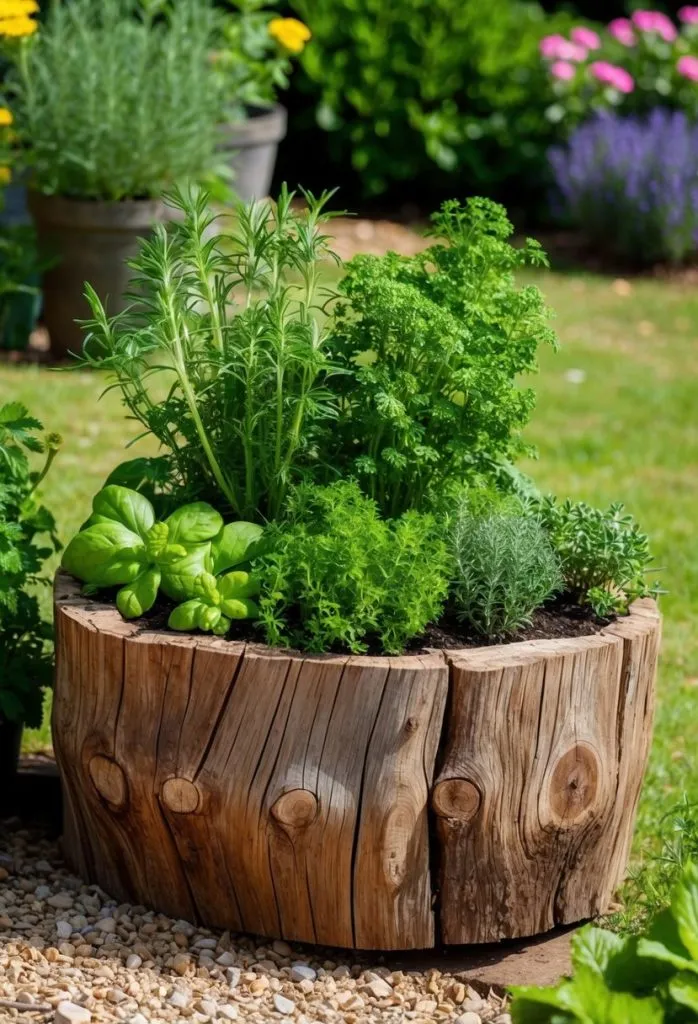
A rustic log planter brings a natural woodland charm to the garden while offering a creative way to grow herbs. This idea uses a hollowed section of a fallen tree log to create a long and organic planting container. Instead of discarding old logs, gardeners can transform them into beautiful herb planters that blend perfectly with outdoor surroundings. The rough bark, earthy textures, and irregular shape of the log make the planter feel like a natural extension of the garden landscape. When herbs begin growing from the hollow center, the display looks almost as if the plants are emerging directly from the forest floor. For Pinterest garden inspiration, rustic log planters are often admired because they celebrate natural materials while creating a warm and peaceful garden atmosphere. Herbs such as thyme, chives, oregano, and parsley grow especially well in this setting, adding soft green foliage that contrasts beautifully with the deep brown tones of the wood.
Preparing a rustic log planter is a rewarding project that allows gardeners to work closely with natural materials. The process usually begins with selecting a sturdy log that is thick enough to hold soil once the center is hollowed out. Using simple tools, the middle portion of the log can be carved or drilled to create a long planting cavity. Once this space is prepared, the interior is filled with nutrient rich soil where herbs can grow comfortably. Small drainage holes at the bottom of the log help prevent excess water from collecting, ensuring that the herbs stay healthy. Because wood naturally retains some moisture, the soil inside often stays evenly hydrated, which is beneficial for many herb varieties. The uneven edges and organic shape of the log create a relaxed and informal garden style that feels very different from traditional planters.
As seasons pass, the rustic log planter slowly develops even more character. The wood may begin to weather slightly, softening its color and blending it further into the natural garden environment. Moss or small natural growth may appear along the bark, giving the planter an even more woodland inspired appearance. Many gardeners like placing log planters along garden paths, near vegetable beds, or beside outdoor seating areas where the natural beauty can be appreciated up close. When herbs grow full and begin spilling gently over the log edges, the planter looks vibrant and alive with greenery. This simple yet beautiful design highlights the natural charm of the garden while providing a practical place to grow fresh herbs throughout the growing season.
DIY Herb Spiral Garden
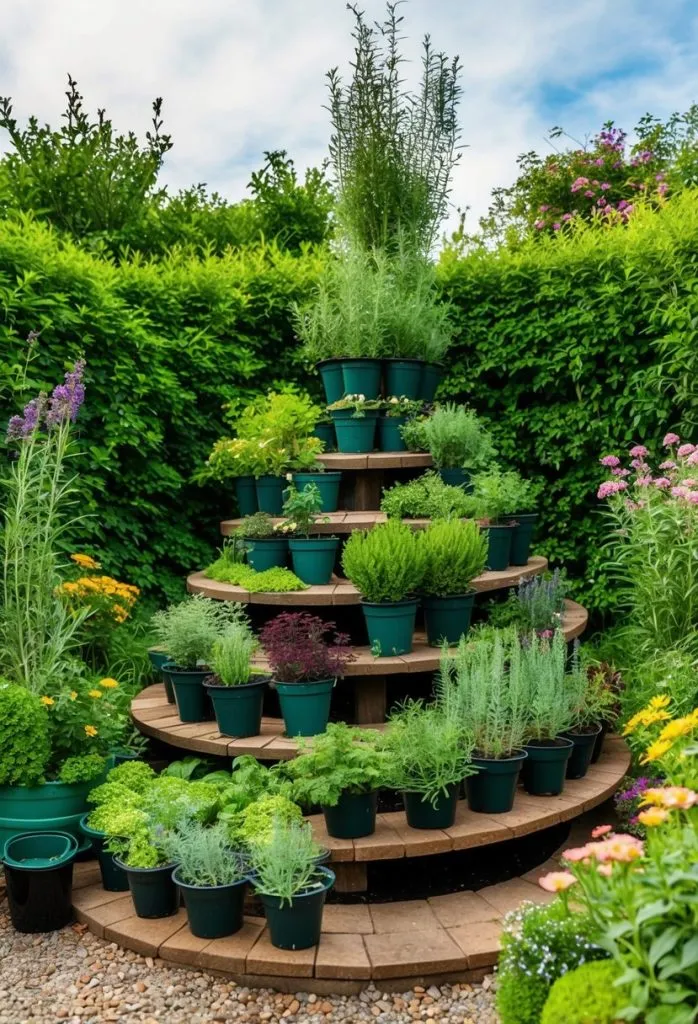
A DIY herb spiral garden is one of the most visually interesting ways to grow herbs while making efficient use of space. This creative garden design forms a spiral shaped planting bed that gradually rises upward from the ground. Built using stones, bricks, or natural materials, the spiral creates multiple levels where different herbs can thrive in slightly varied conditions. The higher sections of the spiral tend to stay drier and receive more sunlight, while the lower sections hold more moisture and shade. This natural variation makes it possible to grow a wide range of herbs in one compact garden structure. For Pinterest inspired gardens, herb spirals are especially appealing because they combine beauty, practicality, and clever garden design in a single feature. When viewed from above, the spiral pattern itself becomes an artistic focal point, while the herbs growing along its curves bring lush greenery and fragrance to the garden.
Creating a DIY herb spiral garden often begins with selecting a sunny location where herbs can receive plenty of natural light. Gardeners usually mark a circular base on the ground before stacking stones or bricks in a winding spiral that gradually rises toward the center. Soil is then added inside the spiral walls to create planting areas along the entire structure. The beauty of this design lies in the way different herbs can be placed according to their preferred growing conditions. Mediterranean herbs such as rosemary and thyme enjoy the drier upper sections, while herbs like parsley, chives, and cilantro grow well in the slightly cooler and moister lower levels. This thoughtful arrangement allows each plant to thrive while creating a diverse and thriving herb garden in a surprisingly small area. The layered spiral shape also improves drainage and airflow, helping the plants remain healthy throughout the growing season.
As the herbs mature, the spiral garden becomes a living sculpture filled with color, fragrance, and texture. The winding pathways of greenery guide the eye upward, making the entire garden feel dynamic and full of life. Many gardeners enhance the spiral design by placing small decorative stones, garden markers, or tiny flowering plants around the edges. These small details help highlight the beautiful structure of the spiral while adding personality to the garden space. Over time, the herbs begin to grow thick and abundant, softening the edges of the stone structure and giving the spiral a lush appearance. The design invites gardeners to walk around it, gently brushing the herbs and enjoying their fresh scent. This combination of practical gardening and artistic landscaping makes the herb spiral a favorite project for gardeners who enjoy creative outdoor spaces.
Window Box Full of Mint
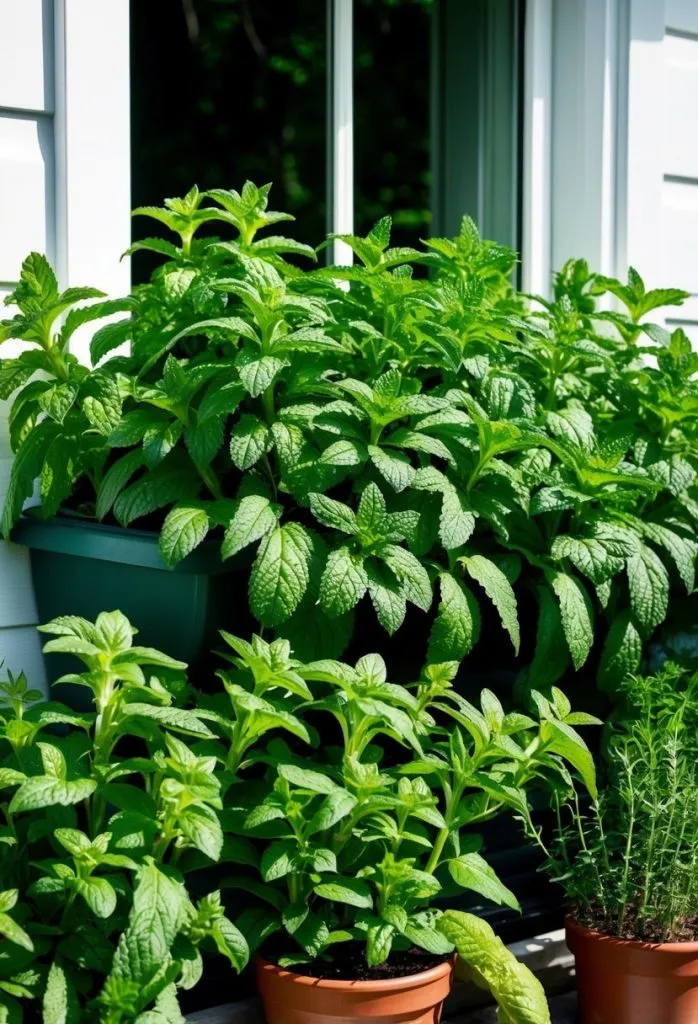
A window box full of mint is one of the most refreshing and visually charming ways to grow herbs during the spring season. Mint is known for its vibrant green leaves and its ability to grow quickly, making it a perfect herb to fill a window planter with lush life. When placed along a sunny window, balcony railing, or garden wall, a window box packed with mint creates a lively strip of greenery that immediately catches the eye. Many Pinterest inspired garden designs highlight window boxes because they add beauty without requiring a large amount of space. The soft, leafy texture of mint creates a full and flowing appearance that feels fresh and welcoming. As the leaves grow and spill gently over the edges of the planter, the box begins to look like a small green waterfall of herbs. This visual effect makes the planter both decorative and practical, allowing gardeners to easily snip fresh mint leaves for tea, desserts, or refreshing drinks.
Planting mint in a window box also helps control the plant’s natural spreading habit. Mint is famous for growing vigorously, and if planted directly in the garden it can quickly spread beyond its intended space. A window box keeps the roots contained while still allowing the plant to grow thick and healthy. Gardeners often choose a long wooden or metal window planter that offers enough soil depth for the roots to develop comfortably. Rich potting soil combined with regular watering helps mint maintain its bright color and aromatic fragrance throughout the growing season. Because window boxes are slightly elevated, they also receive good airflow and sunlight, which encourages strong and healthy growth. Some gardeners like to combine a few varieties of mint together, such as spearmint and chocolate mint, to create subtle differences in leaf texture and fragrance within the same planter.
As the season progresses, the window box becomes more than just a planter and turns into a beautiful living accent for the home. The gentle scent of mint drifts through nearby windows and outdoor seating areas, creating a calm and refreshing garden atmosphere. Many gardeners enhance the display by painting the window box in soft pastel tones or natural wood stains that complement the greenery. Small decorative plant markers or simple garden signs can also add personality to the planter. Over time, the mint plants grow fuller and thicker, transforming the window box into a lush ribbon of green that brightens the entire space. Whether placed outside a kitchen window or along a sunny balcony, a mint filled window box provides both visual beauty and a constant supply of fragrant leaves for everyday use.
Recycled Tin Can Herbs
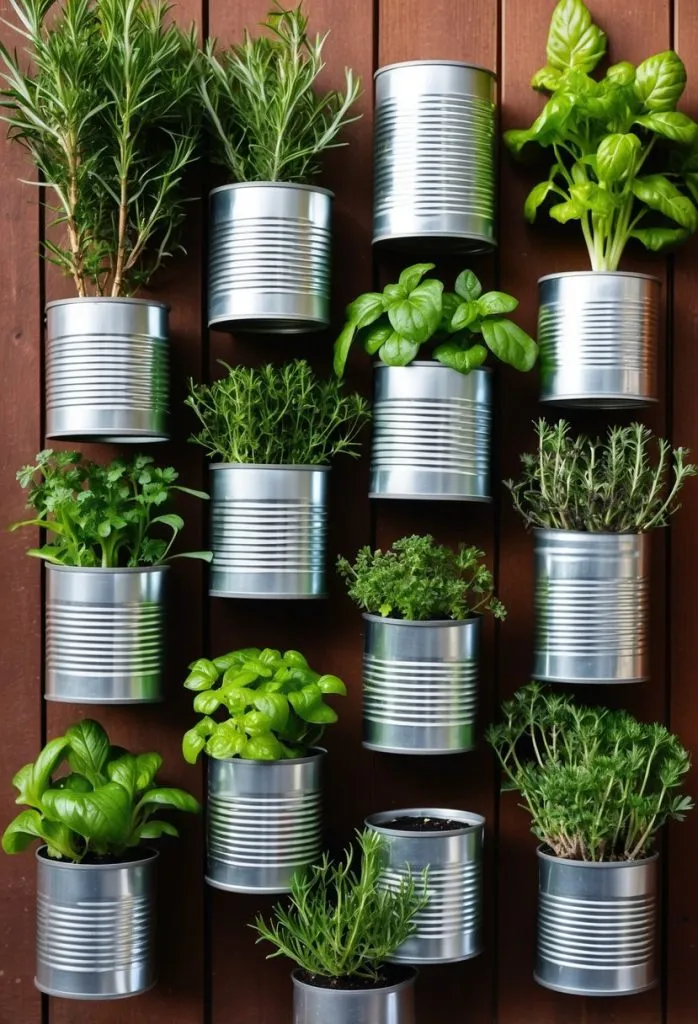
Recycled tin can herb planters are a creative and eco friendly way to grow herbs while giving everyday household items a second life. Instead of throwing away empty food cans, gardeners can transform them into charming miniature planters that add personality to the garden. The small size of tin cans makes them ideal for herbs that do not require a large root space, such as basil, thyme, oregano, and cilantro. When several decorated cans are arranged together on a shelf, windowsill, or garden table, they create a playful display filled with greenery. Pinterest style gardens often celebrate projects like this because they combine sustainability with creativity. With a little imagination, simple cans can become colorful planters that brighten both indoor and outdoor spaces while supporting healthy herb growth.
Preparing recycled tin cans for planting is a simple process that many gardeners enjoy as a relaxing DIY activity. The cans are first cleaned thoroughly and any labels are removed to reveal the smooth metal surface underneath. Small drainage holes are usually made at the bottom to allow excess water to escape, which helps prevent the roots from sitting in overly wet soil. Once prepared, the cans can be painted, wrapped with twine, or decorated with simple patterns to match the garden style. Some gardeners prefer a rustic appearance with natural rope or burlap accents, while others enjoy painting the cans in soft garden colors that feel bright and cheerful. After decoration, the cans are filled with rich potting soil and planted with herbs that will grow comfortably within the limited space.
As the herbs begin to grow, the recycled cans become tiny gardens filled with fresh fragrance and greenery. Their compact size makes them easy to arrange in creative ways, such as lining them along a wooden shelf or hanging them from hooks on a fence or balcony railing. Many gardeners like grouping several cans together to create a small herb collection that feels lively and organized. Decorative labels or small handwritten plant tags can make the display even more charming. Over time, the herbs fill the cans with soft leaves that contrast beautifully with the painted metal surfaces. This simple yet thoughtful project shows how everyday materials can be transformed into beautiful garden features. The result is a delightful herb display that feels personal, creative, and perfect for gardeners who enjoy sustainable gardening ideas.
Cedar Ladder Herb Planter
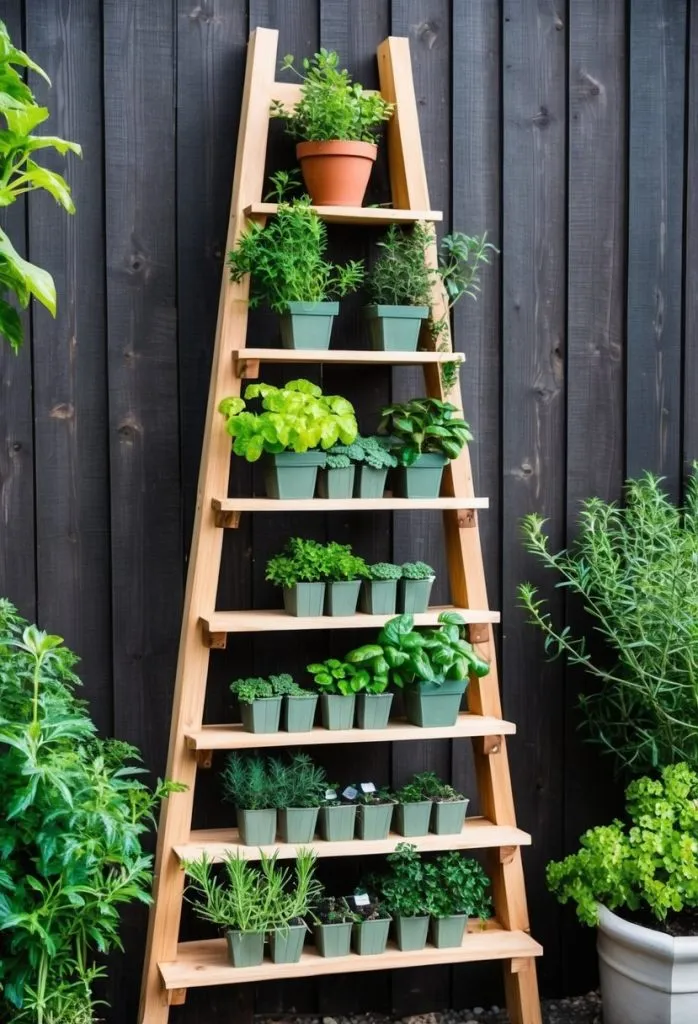
A cedar ladder herb planter is a beautiful vertical gardening idea that combines rustic charm with practical design. Using a wooden ladder as a planter structure allows herbs to grow at different levels, creating a layered display that feels organized and visually appealing. Cedar wood is especially popular for garden projects because it naturally resists moisture and outdoor weather, making it a durable material for long term use. When a ladder is placed against a garden wall, fence, or balcony corner, each step becomes a small platform where herb pots or planter boxes can sit comfortably. The result is a tall and elegant herb display that uses vertical space while keeping plants easily accessible. Pinterest garden designs often feature ladder planters because they add height and structure to the garden while still feeling warm and natural.
Arranging herbs on a cedar ladder planter allows gardeners to create a thoughtful and balanced display. Larger herb pots are usually placed on the lower steps where they have more room, while smaller containers can sit neatly on the higher levels. This arrangement creates a gentle upward flow of greenery that draws the eye from the base of the ladder to the top. Herbs such as basil, rosemary, thyme, and parsley thrive in these containers, filling the ladder with fragrant leaves and soft textures. The open structure of the ladder allows sunlight to reach each level, helping the herbs grow evenly throughout the planter. Because the ladder leans slightly against a surface, the plants also receive good airflow, which supports healthy growth during the warmer months.
As the herbs mature, the cedar ladder planter becomes a striking focal point within the garden space. The natural grain of cedar wood pairs beautifully with the vibrant greens of the herbs, creating a peaceful and earthy garden aesthetic. Many gardeners decorate the ladder with small plant labels, hanging garden tools, or simple string lights that add a warm glow during evening hours. Placing the ladder near outdoor seating areas allows the fresh scent of herbs to drift gently through the air, enhancing the relaxing garden atmosphere. Over time, the herbs grow fuller and begin to spill slightly over the edges of their pots, softening the structure of the ladder with natural greenery. This combination of vertical design and fragrant herbs makes the cedar ladder planter a wonderful addition to any spring garden.
Pallet Wall Herb Display
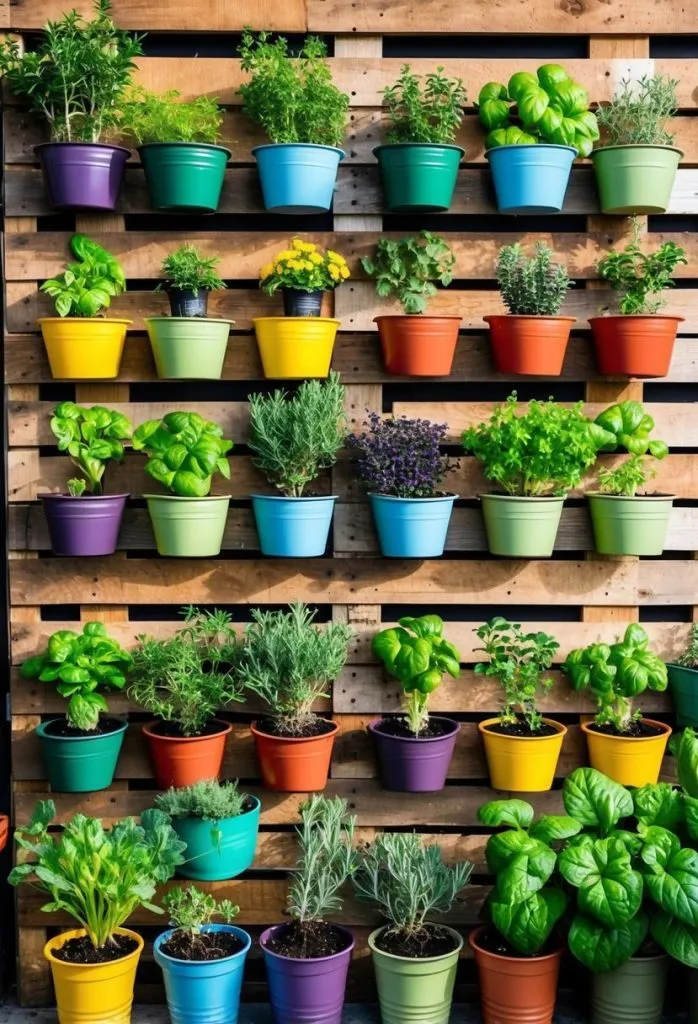
A pallet wall herb display is a creative way to transform an ordinary garden wall into a living vertical herb garden. Wooden pallets are widely available and easy to repurpose, making them a favorite material for gardeners who enjoy simple DIY projects. When mounted against a fence or outdoor wall, the pallet creates a structured frame with multiple planting sections that can hold herbs in an organized and visually appealing way. Each wooden slat becomes part of a layered planting system where small herb pots or soil pockets can be placed. This design allows gardeners to grow a wide variety of herbs in a compact area while creating a beautiful green wall filled with life. Pinterest garden lovers often admire pallet herb displays because they combine rustic wood textures with vibrant greenery, producing a charming feature that instantly enhances patios, balconies, and backyard garden spaces.
Preparing a pallet wall herb display usually begins with choosing a sturdy wooden pallet and securing it safely to a vertical surface. Once mounted, the spaces between the wooden boards can hold small planters, fabric planting pockets, or even soil filled sections lined with garden fabric. These pockets provide comfortable growing space for herbs such as basil, thyme, oregano, parsley, and chives. Because the herbs are arranged vertically, each plant receives sunlight and airflow that helps them grow strong and healthy. Gardeners often arrange the herbs thoughtfully, placing sun loving varieties toward the top while herbs that prefer slightly cooler conditions can sit on lower levels. This layered arrangement not only supports healthy growth but also creates a beautiful visual rhythm across the pallet structure. As the herbs begin to fill out their spaces, the pallet gradually transforms into a lush green wall that feels lively and refreshing.
Decorating the pallet herb display can make the garden feature even more inviting. Some gardeners choose to lightly sand and stain the wood to enhance its natural texture, while others paint the pallet in soft neutral tones that allow the greenery to stand out. Small herb labels, hanging garden tools, or decorative hooks can be added to personalize the display. Many gardeners place the pallet wall near outdoor seating areas or close to the kitchen door so fresh herbs are always within easy reach. As the plants grow fuller and their leaves spill gently over the wooden edges, the pallet begins to look like a natural tapestry made of herbs. The combination of recycled wood and thriving greenery creates a garden feature that feels both practical and artistic, bringing life and fragrance to the entire outdoor space.
Conclusion
Herb planters are more than simple containers for growing plants. They are opportunities to bring creativity, beauty, and personality into the garden. From rustic log planters and galvanized trough farms to colorful painted tires and charming window boxes, each herb planter idea adds its own character to a spring garden. These designs show that herbs can grow almost anywhere when thoughtful planters and creative arrangements are used. For many gardeners, the joy of herb gardening comes not only from harvesting fresh leaves for cooking but also from watching small green plants transform everyday spaces into lively garden displays. A well designed herb planter can brighten patios, balconies, windows, and backyard corners while filling the air with fresh and relaxing fragrance.
As spring arrives and gardens begin to wake up again, experimenting with creative herb planter ideas can make the season even more enjoyable. Whether you prefer natural wooden designs, recycled materials, or compact vertical gardens, there is always a way to grow herbs that suits your style and space. Each planter becomes a small garden story where herbs grow, thrive, and add life to the environment around them. By choosing designs that reflect your personal taste, you can create a garden that feels welcoming, fresh, and full of charm throughout the growing season. With these inspiring herb planter ideas, your spring garden can become a beautiful space where creativity and nature grow side by side.


